
The Engineering of a Rugged Territory
Northern Spain has historically been conditioned by its orography. A formidable mountain barrier, the Cantabrian Range, plunges almost without transition into the Cantabrian Sea, fragmenting the territory into deep valleys, winding estuaries, and limestone cliffs. During the nineteenth century, overcoming this geographical labyrinth represented one of the greatest challenges for European civil engineering. It was not merely a matter of connecting populations, but of stitching together a corniche where land and water engage in permanent struggle. Within this context of relative isolation, the narrow-gauge railway emerged not only as a transportation solution, but as a vital artery that redesigned the economy and landscape of the northern peninsula.
The genesis of these rail lines responded to the imperative need to transport coal from mining basins and iron ore extracted from the mountains’ interior. Private and state companies joined forces in titanic efforts to trace tracks over impossible gradients, carving tunnels into living rock and erecting metal bridges that defied the void. Today, traveling along this railway layout allows for an understanding of the magnitude of that titanic endeavor, where every kilometer of track represented a victory of technique over nature. Metric gauge thus became the guiding thread of a region facing the sea while turning its back on the central plateau, shaping an identity deeply tied to the train’s passage.
The Geography of the Gorge and the Metric Track
Unlike high-speed rail lines that seek straight paths and flatness by eliminating obstacles, the Transcantábrico embraces the relief. Trains literally meander along the edge of canyons carved by fast-flowing rivers such as the Sella, Deva, or Cares. The infrastructure adapts millimetrically to the terrain, utilizing tight curve radii and steep slopes that demand specific rolling stock and constant technical expertise from engineers. This deliberate slowness, far from being a handicap, becomes a privilege for the contemporary traveler, allowing for leisurely observation of ecosystems that would otherwise remain inaccessible.
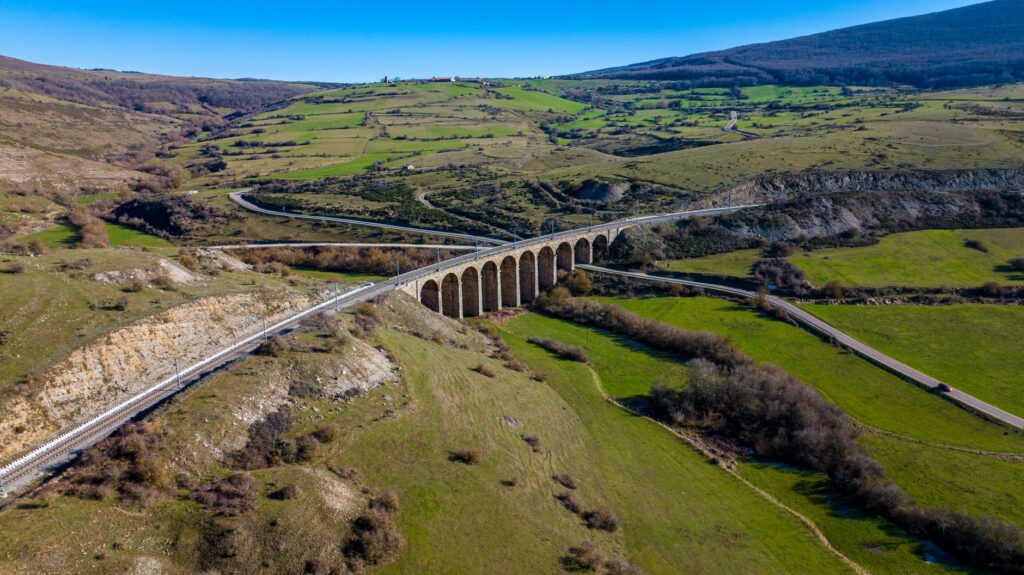
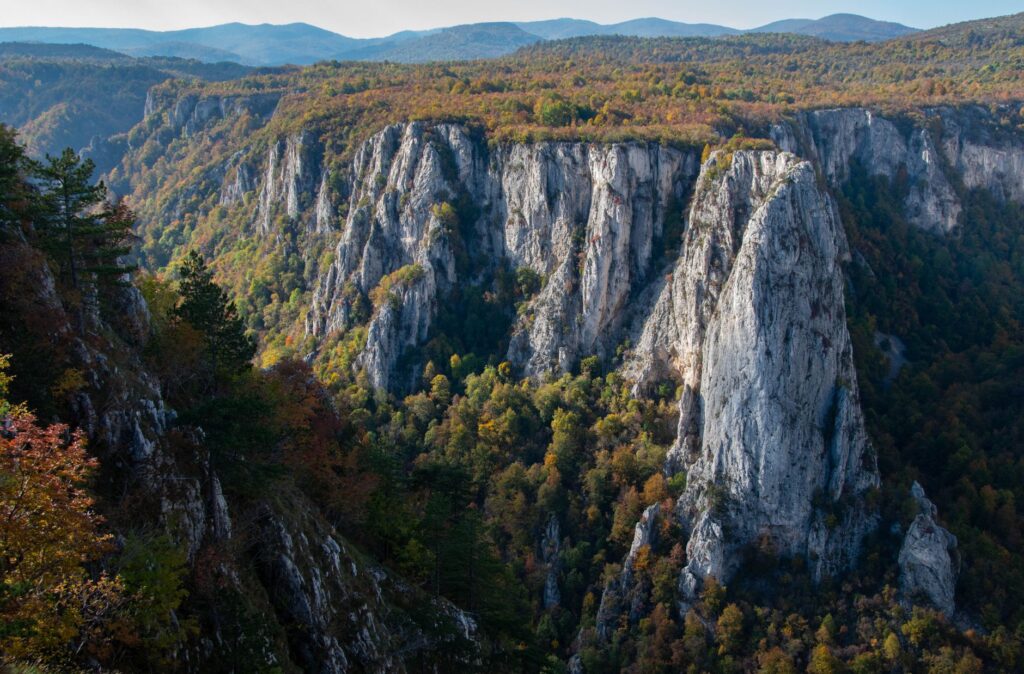
The gorges of the northern corniche act as biological and climatic corridors. The train’s passage through ravines such as La Hermida or the Asturian mining valleys reveals a constant alternation of microclimates. Shaded slopes, carpeted with dense beech and oak forests, sharply contrast with sunny terraces historically dedicated to high-altitude fruit orchards and vineyards. This coexistence between industrial works and the natural environment demonstrates that respectful integration of heavy transport into fragile ecosystems is entirely possible. The trenches excavated in rock and cyclopean masonry walls withstand the onslaught of Atlantic rains, keeping a centennial infrastructure alive.
The narrow-gauge train is not merely a vehicle for displacement; it is the mobile archive of an indomitable geography that refuses to be tamed by modern haste.
Industrial Architecture and Waystations
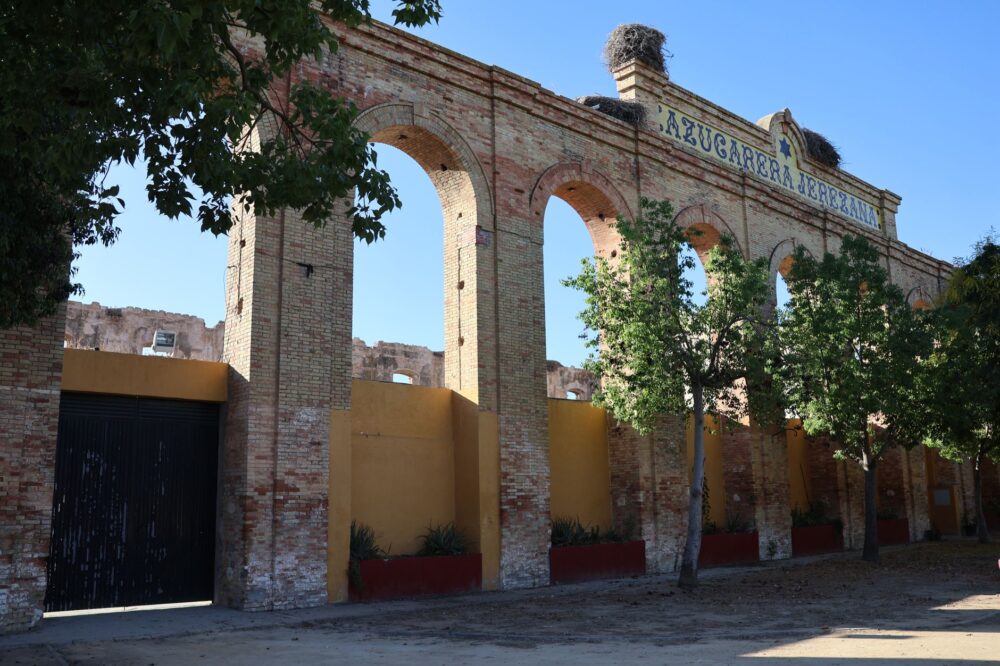
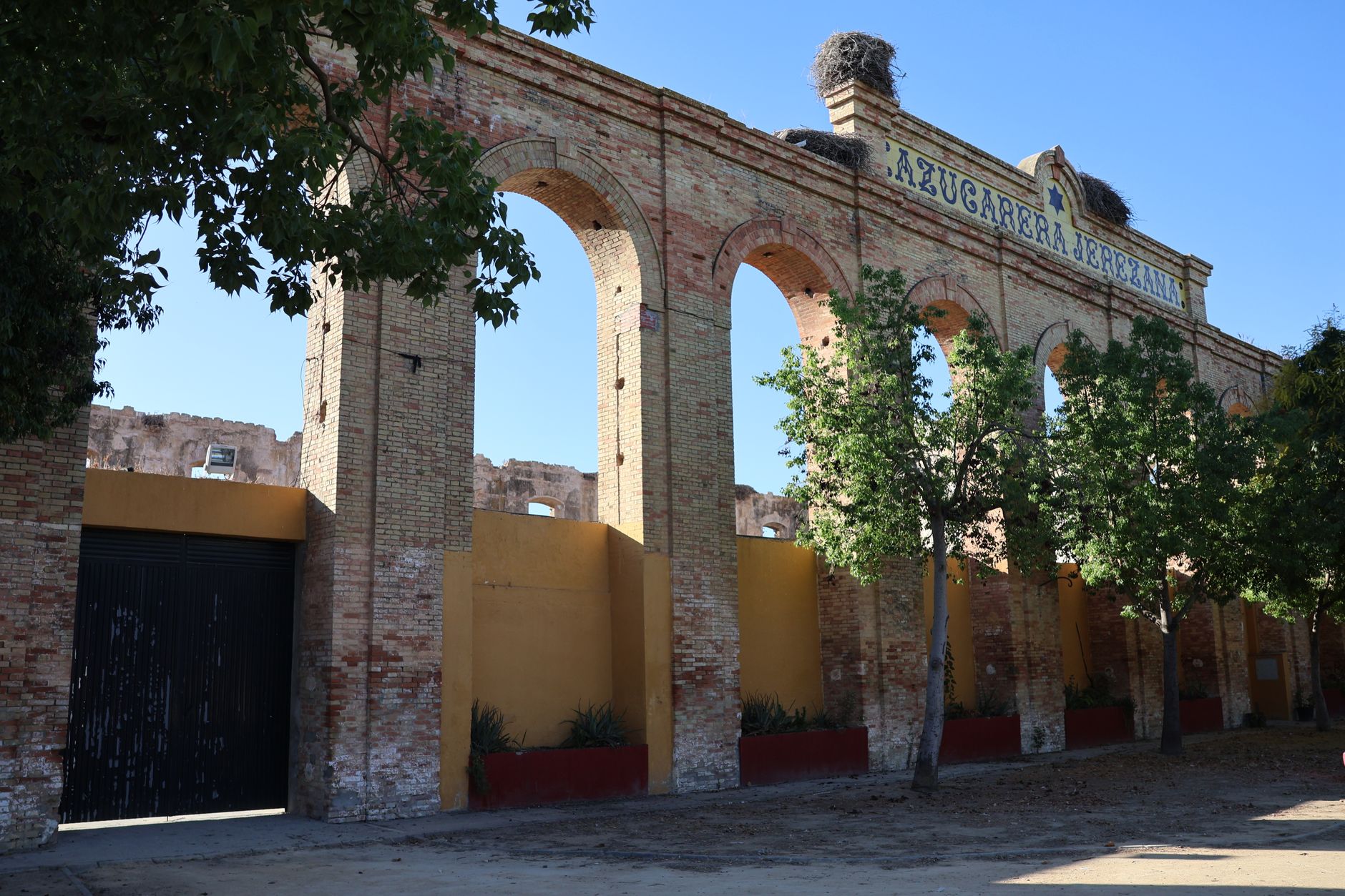
The architectural heritage associated with this railway network constitutes a fundamental chapter of industrial archaeology in southern Europe. Original stations, built in the late nineteenth and early twentieth centuries, respond to functional typologies combining local construction traditions with the modernity of iron and exposed brick. Passenger buildings with noble wood canopies, granite freight warehouses, and mechanical interlocking cabins dot the route, serving as silent witnesses to an era when the locomotive’s whistle announced the pulse of modernity in remote villages.
Many of these enclaves have undergone profound transformations, adapting to the demands of cultural tourism and experiential travel without losing their original imprint. Former loading docks, once crowded with mineral ore and sacks of coal, now house interpretation centers or tourist information points. Preserving this architectural heritage requires constant maintenance efforts to counter the wear imposed by ambient humidity and marine salinity characteristic of the Cantabrian coast. The metal structures of the bridges, often signed by disciples of Gustave Eiffel’s school, continue to support railway traffic with astonishing solidity, recalling the excellence of nineteenth-century metallurgy.
Inshore Navigation and Northern Estuaries
The railway layout not only dialogues with the mountains, but establishes a symbiotic relationship with the estuaries and rias that indent the Cantabrian coast. Advancing westward or eastward, the train crosses numerous estuarine bridges allowing passengers to contemplate the transition between the fresh water of salmon rivers and the saline tide of the ocean. These coastal wetlands, rich in biodiversity and sanctuaries for migratory birds, are observed from a privileged perspective when the convoy reduces speed to cross metal structures over the estuaries of Villaviciosa, Tina Mayor, or Eo.
This coexistence between land transport and the marine environment shaped the economy of inshore fishing ports. Formerly, fresh fish unloaded at local fish markets found in the railway its fastest distribution route to inland peninsular markets. Today, this fluvial and maritime connection translates into tourist routes combining onboard train experiences with traditional wooden boat navigation across the estuaries. Travelers thus experience the duality of a markedly amphibious territory, where maritime culture and mountain tradition intertwine inseparably.
Gastronomic Culture and Valley Pantries
The backbone of the northern peninsula is also a premier gastronomic corridor. The fragmentation of the territory into isolated valleys fostered the development of a culinary culture deeply rooted in local and seasonal produce. Along the railway route, each stop unveils a singular pantry reflecting harsh climates alongside the generosity of sea and mountain. From cave-ripened cheeses in high-altitude pastures to blue fish caught in deep waters, the cuisine of the Cantabrian corniche is the direct result of its vertical geography.
Train travel facilitates access to traditional markets located right next to stations, where local producers sell native legumes like Monchina beans or meats with protected designations of origin. This proximity economy is bolstered by rail tourism, allowing visitors to access natural cider cellars, artisanal cheese dairies, and product-focused restaurants without relying on private transport. Dining aboard luxury tourist trains or eating in station taverns completes a sensory experience where the palate deciphers the territory’s geological and human history.
The Human Pulse and Local Communities
Beyond infrastructure and landscape, the greatest value of this railway corridor lies in the human communities sustaining and inhabiting it. Railway workers, many of them depositaries of knowledge passed down through generations, represent the living memory of the line. Their daily labor—from switch maintenance to traffic management on single-track sections—guarantees the safety and survival of an essential public service for the territorial cohesion of northern rural areas.
For residents of towns and villages along the track, the train remains a daily element of sociability. Stations act as intergenerational meeting points, spaces intersecting students commuting to regional urban centers, local farmers, and travelers in transit. This social function contrasts with demographic desertification affecting other rural areas in Spain’s interior, demonstrating that investment in territorialized railway infrastructure is the most effective tool for population retention and sustainable development.
Practical Guide
Planning a trip along the northern corniche using the narrow-gauge network requires understanding the operational and logistical particularities of a historic layout. Unlike high-speed networks, travel time here is an aesthetic and functional factor that must be integrated into trip planning.
Getting There and Around
The main connection hubs for the narrow-gauge network are the cities of Bilbao, Santander, Oviedo, and Ferrol. These urban centers offer medium- and long-distance air and rail connections with the central plateau. Single tickets or regional passes allow flexible hop-on, hop-off travel, ideal for exploring valleys on foot or by bicycle. It is advisable to check updated schedules in advance, as track maintenance in complex orographic zones may cause temporary adjustments in services.
When to Travel
Spring (May to June) and early autumn (September to October) offer the best climatic and landscape conditions, featuring moderate temperatures and lower tourist congestion. Winter, though lending dramatic beauty to snowy gorges, can limit access to high-mountain hiking trails.
Accommodation and Gastronomy
The corridor features a broad network of small rural hotels, traditional inns, and converted former fishermen’s mansions. Gastronomically, visitors are advised to prioritize local food markets in county capitals and book in advance at establishments specializing in produce-driven cuisine.
The Final Echo of Rails in the Mist
As evening begins to fall over the northern valleys and Atlantic mist slowly ascends slopes carpeted with ferns and chestnut trees, the metallic sound of the train acquires an almost incorporeal resonance. In that crepuscular instant, the railway track ceases to be a mere artifact of nineteenth-century engineering and becomes the very pulse of the landscape. The silhouettes of iron bridges cut against leaden skies and the distant blinking of streetlights in stone stations summarize a traveler’s journey where haste dissolves before the scale of the relief. Getting lost in this green and blue labyrinth, feeling the unhurried rhythm of metal upon stone, is the ultimate reminder that certain territories only reveal themselves to those willing to measure time at the patient pace of the earth.