
Beneath the wrought-iron structures and ashlar stonework that define the urban landscape of southeastern Spain, the morning acquires its own rhythm governed by the arrival of wooden crates laden with the day’s harvest. Murcia’s Central Market is not merely a space for commercial exchange; it constitutes a living archive of agricultural memory, a meeting point where the wisdom inherited from generations of farmers, irrigation ditch wardens, and cooks converges to interpret the bounties and limitations of a generous yet thirsty land. Crossing its doors at dawn is to step into a millennial ritual where the aromas of the orchard, dry-land fruits, and local catches weave a daily narrative that defies the inertias of globalized food systems.
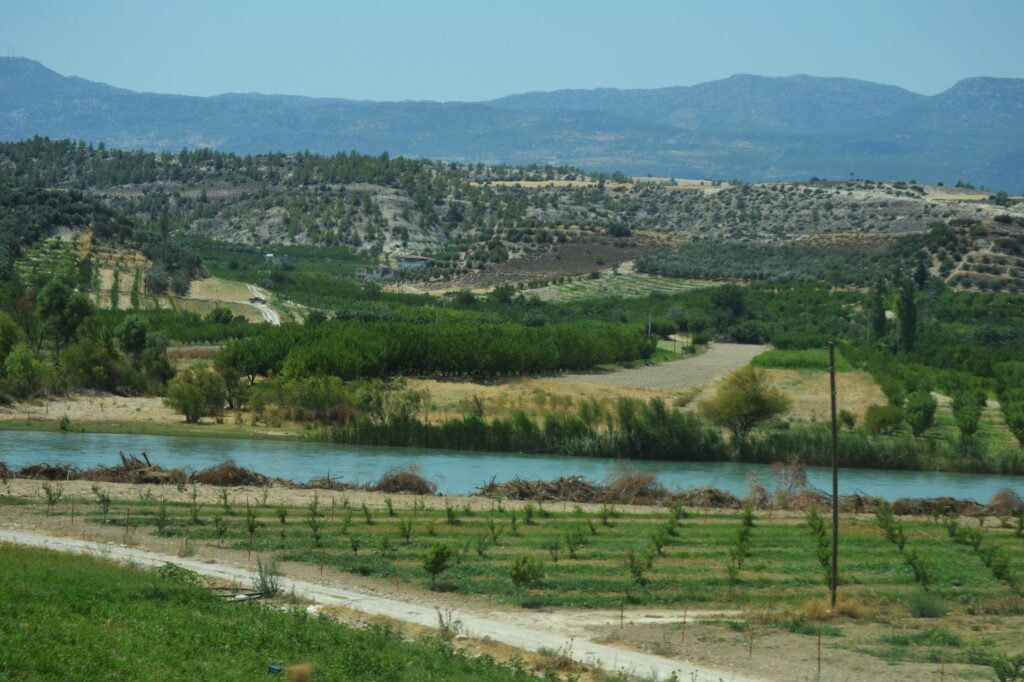
The relationship between the city and its agrarian surroundings is founded on a complex network of canals, ditches, and drainage channels originally designed during the Andalusian period. This hydraulic engineering, perfected over the centuries, transformed an arid valley into a productive garden capable of supplying local markets with exceptional botanical diversity. Today, the market stalls act as the ultimate showcase of this collective effort. Here, seasonality is not a marketing strategy, but a biological and climatic imposition that dictates the pace of Murcian tables, reminding locals and visitors alike of the importance of respecting the natural cycles of the earth.
The Architecture of Provision and the Memory of Iron
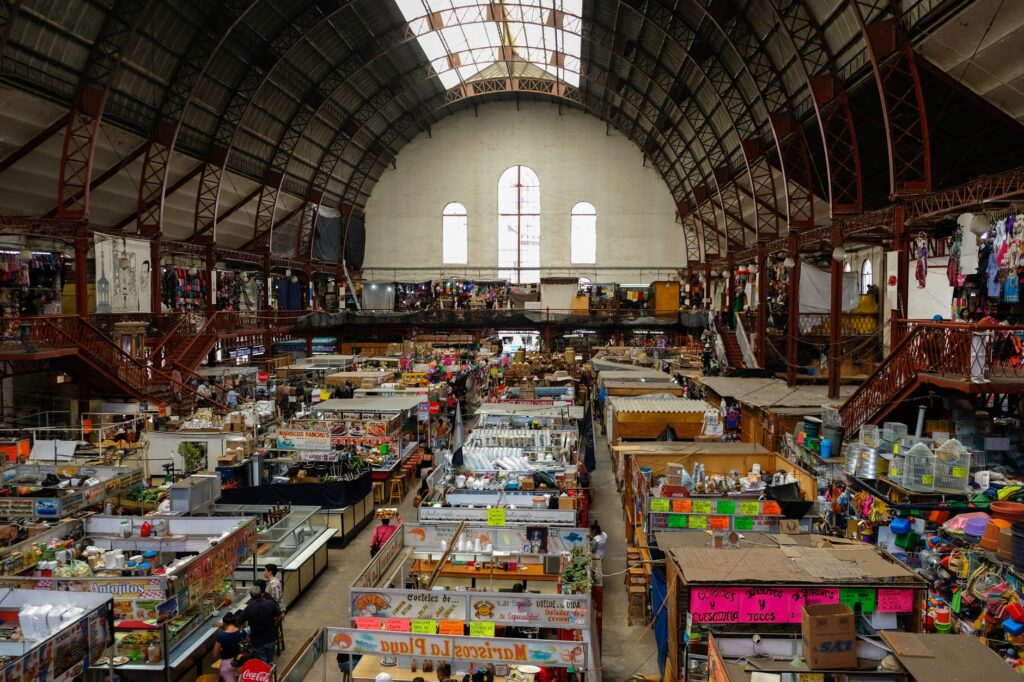
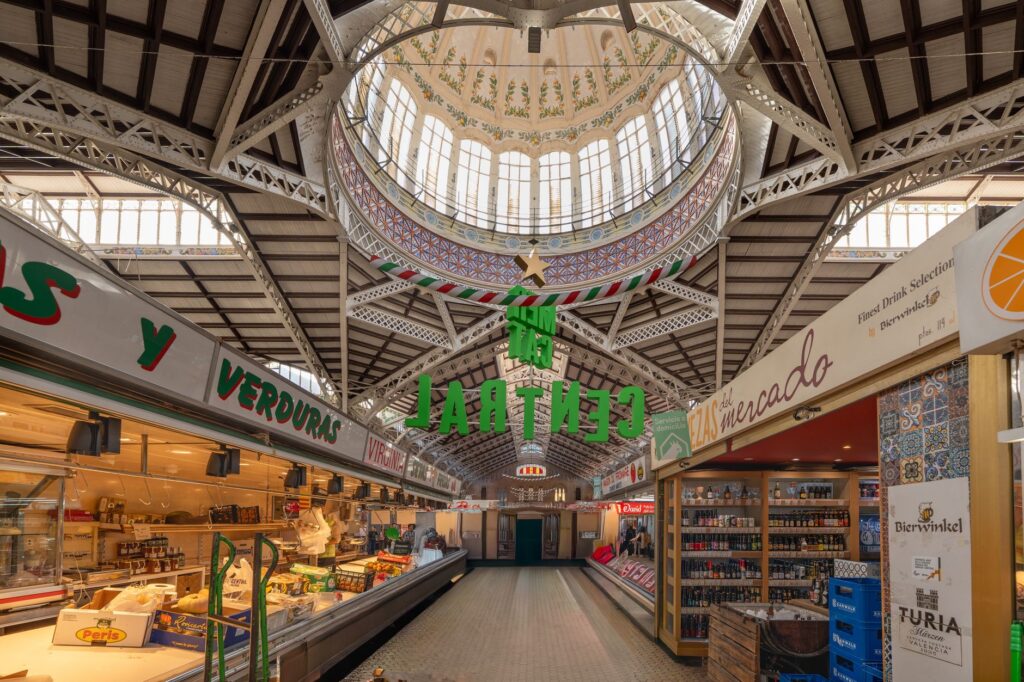
The building that currently houses the daily bustle is the result of an architectural evolution that responded to the need to sanitize and organize traditional commerce at the end of the 19th century. The replacement of old street stalls with a unified metallic structure marked a milestone in the urban modernization of the capital on the Segura River. The engineers of the era successfully integrated industrial functionality with an aesthetic language where natural light, filtered through large windows and skylights, illuminates the wooden platforms and marble counters where products are displayed.
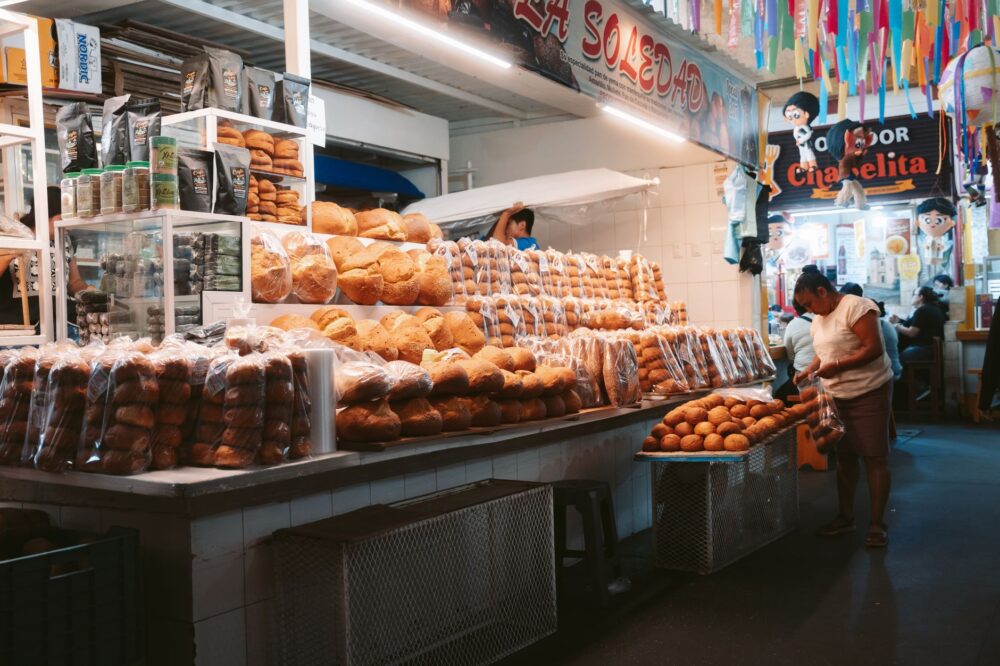
Exploring the two levels of the market reveals the traditional division of food guilds. On the ground floor, the domain belongs to the orchard produce, meat stalls, and fishmongers, where the bustle of verbal agreements maintains centuries-old commercial codes. The voices of the vendors, tuned by decades of trade, announce the quality of the artichokes, Raf tomatoes, or freshly harvested citrus fruits. This is not passive selling; every transaction is accompanied by a culinary recommendation, advice on cooking times, or a warning about the exact origin of the piece.
The Pulse of Wholesalers and the Arrival of Dawn
Long before the first rays of sunlight illuminate the main facade, the back rooms of the market experience frantic activity. Delivery trucks unload produce from the fields of the Middle and Lower Vega, as well as the Campo de Cartagena. In this moment prior to opening to the general public, local restaurateurs and retail vendors meticulously select the finest specimens. It is the moment when invisible alliances are sealed based on mutual trust and a deep understanding of fresh produce.
The geographic proximity between production centers and the point of sale guarantees organoleptic qualities that are difficult to replicate in longer commercial circuits. Vegetables retain the turgidity of having been cut just hours before, and fruits release an intense aroma that permeates the central aisles of the enclosure. This logistical immediacy is the true silent luxury that sustains traditional Murcian cuisine, a gastronomy founded on absolute respect for the original flavor of the ingredient.
The Engineering of Water: The Invisible Legacy of the Orchard
It is impossible to understand the goods displayed at the stalls without analyzing the traditional irrigation system that underpins the surrounding territory. The major irrigation canals, regulated by secular institutions such as the Council of Good Men, distribute the flow of the Segura River with surgical precision. This network not only nourishes the crops but generates a unique microclimate and fosters agrarian biodiversity that includes endangered local varieties, rescued thanks to the dedication of small-scale farmers.
In the market aisles, these native varieties find their refuge and best loudspeaker. ‘Muchamiel’ tomatoes, globe peppers destined for drying to produce paprika, or wild chard harvested from canal banks coexist with mass-consumption vegetables. Regular shoppers come looking for these specific products, aware that their availability is ephemeral and inextricably linked to the rhythm of hydrological and seasonal cycles.
The Secret of Alluvial Soils
The nutritional richness of the valley’s soils is due to sedimentary deposits accumulated over centuries by the floods of the river. This alluvial earth, rich in minerals and with a balanced texture, gives Murcian vegetables very particular textural and gustatory characteristics. Artichokes, for example, develop a tender heart and a subtle bitterness highly valued in stoves, while citrus fruits achieve an optimal balance between acidity and sugar content thanks to generous annual hours of sunshine.
Market retailers are well aware of these edaphic differences and readily explain to customers whether a batch of potatoes comes from inland drylands or river vegas. This oral transmission of technical knowledge is one of the greatest intangible assets preserved within the building’s walls, turning daily shopping into an act of continuous learning about agronomy and local culture.
The Vegetable Kingdom: The Exaltation of Seasonal Greens
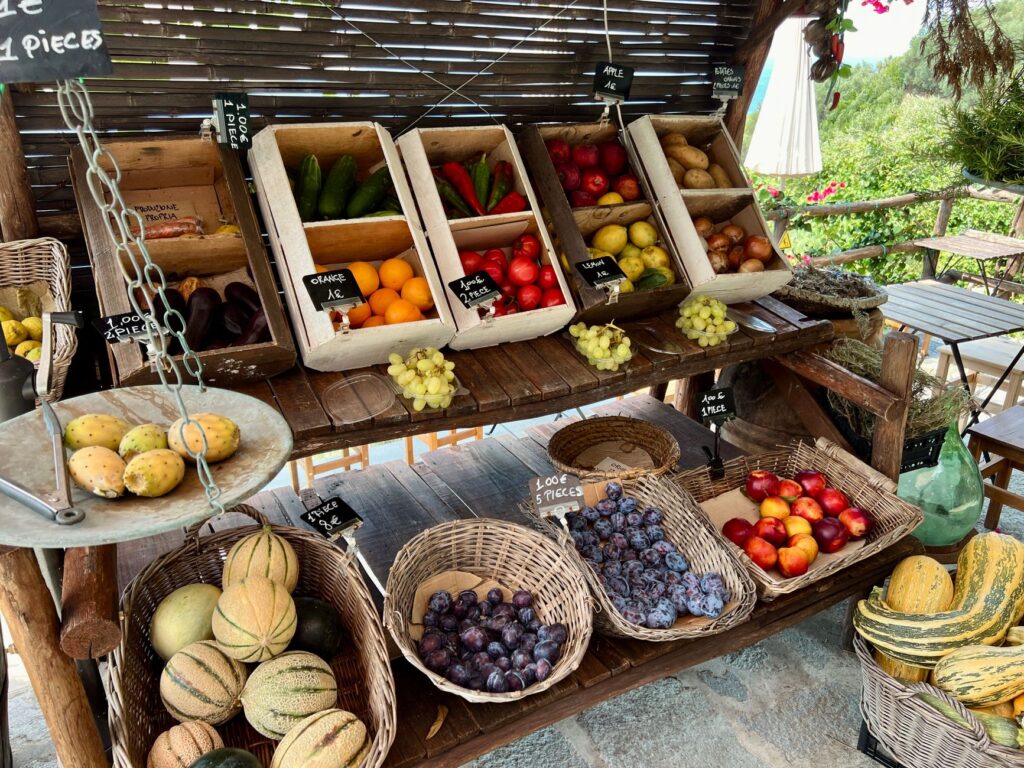
If there is one element that clearly defines the Murcian pantry, it is the absolute prominence of the vegetable world. Far from being a mere accompaniment, greens occupy the center of the table in preparations where culinary technique seeks to enhance the purity of the original flavor. In stalls dedicated to the orchard, seasonality is drawn with precise chromatic strokes: the intense greens of borage and spinach during winter months give way to the resounding reds of peppers and tomatoes in the peak of summer.
The market is the faithful mirror of a land that has learned to turn water into the invisible ingredient of every dish, where the orchard is not just landscape, but the daily pantry feeding the collective memory of generations.
Local chefs come to the market seeking inspiration dictated by the day’s produce. A simple vegetable stew, made with newly purchased ingredients, becomes an exercise in popular haute cuisine where each element maintains its texture and personality through short, precise cooking times. The use of clean fats and light broths allows the prominence to fall indisputably on the raw material, validating the thesis that well-understood simplicity is the pinnacle of Mediterranean gastronomy.
Legumes and Drylands: The Background Pantry
Alongside fresh produce, stalls specializing in nuts, bulk legumes, and pickles offer a complementary perspective of the regional pantry. Dried bell peppers, hung in striking strings that impart a characteristic dark red tone to the stalls, are the undisputed soul of dishes as emblematic as rice with rabbit and snails or the Mar Menor caldero. Their sun-drying on farmhouse terraces is a craft process perpetuated year after year.
Likewise, the presence of native almonds, carob beans, and small-caliber chickpeas recalls that the Murcian territory is not solely a river orchard, but also an extensive domain of dryland farming. These products, endowed with great resistance to water scarcity, add density and earthy nuances to traditional stews that have comforted area inhabitants during the coldest winters.
The Inland Sea and the Treasures of the Fish Market
Although the fame of Murcian agriculture often eclipses other facets of its gastronomy, the proximity to the Mediterranean Sea and, very especially, the saltwater lagoon of Mar Menor, introduces fishing supplies of undeniable anthropological and culinary interest to the market. Inshore catches, made using artisanal and sustainable arts, arrive at the stalls a few hours after being extracted from the water, guaranteeing exceptional freshness.
Species such as flathead grey mullet, wild seabream, Mar Menor prawns, or mud cockles occupy beds of crushed ice in the market’s fishmongeries. Each of these species is associated with a series of traditional recipes that take advantage of their specific properties. The caldero, originally prepared by fishermen on the lagoon shores using low-commercial-value rockfish, is the ultimate exponent of this seafaring culinary culture based on the intensity of fish stock and Bomba rice.
Artisanal Fishing and Coastal Sustainability
In recent years, professionals in the fishing sector and market vendors have intensified their commitment to the sustainability of traditional fishing grounds. Demand from an increasingly informed clientele has led to the revaluation of species traditionally considered minor, such as horse mackerel or anchovy, demonstrating that culinary quality does not depend exclusively on the product’s economic value in the international market.
This constant dialogue between fisherman, merchant, and final consumer fosters responsible consumption that respects biological rest periods and minimum sizes. Buying fish at the central market thus becomes a conscious act of support for the local economy and the preservation of marine ecosystems along the Murcian coast, ensuring the survival of a millennial seafaring way of life.
The Art of the Aperitif and the Culture of Encounter
The Central Market does not merely fulfill an economic and provisioning function; it also operates as an authentic nerve center of urban sociability. Surrounding its halls and adjacent streets is a dense network of bars and taverns where clientele come to consume freshly purchased produce or enjoy the classic aperitif hour. This social habit, deeply rooted in the city’s collective psychology, turns morning shopping into a playful and community experience.
The bars surrounding the enclosure act as a natural extension of the market stalls, where market cuisine transforms into direct, simple, and honest tapas celebrating local produce without unnecessary artifices.
Terraces fill with customers tasting marinated dishes, ‘caballitos’, ‘michirones’, or a well-poured draft beer accompanied by Empeltre olives or salt-cured fish. In these spaces of intergenerational coexistence, debates arise over the quality of the harvest, seasonal prices, or local news, weaving a network of human relationships that strengthens the social fabric of the historic center and gives a unique character to urban life.
Grandmother’s Recipes Versus Contemporary Cuisine
The survival of this traditional recipe book does not imply culinary fossilization. In the kitchens of Murcian homes and those of young chefs reclaiming local produce, traditional recipes dialogue with avant-garde techniques. The orchard is reinterpreted through foams, low-temperature cooking, or minimalist presentations that, nevertheless, never betray the gustatory essence of the original ingredient.
This balance between respect for memory and openness to innovation guarantees the vitality of regional gastronomy. The market acts as the impartial arbiter of this evolution, supplying both the traditional homemaker and the creative chef with the finest products that earth and sea can offer in each season of the year.
Practical Guide
Planning a visit to Murcia’s Central Market requires knowing certain logistical details to make the most of the anthropological and gastronomic experience offered by this iconic commercial space.
How to Get There and Opening Hours
The market is located in the heart of the historic city center, specifically in Plaza de la C/ Albornoz. The best way to access it is on foot if you are staying downtown, although the area has several urban bus lines and underground parking lots nearby (such as Glorieta or Plaza Circular).

General opening hours to the public are Monday through Saturday, from 7:00 AM to 2:30 PM. It is recommended to arrive early in the morning (between 8:00 AM and 10:00 AM) to witness the market at its peak and find the greatest variety of fresh orchard produce.
Tips for Shopping and Touring
Bring cash and reusable bags: Although many stalls now accept card payments, cash speeds up transactions, especially during peak hours. Cloth bags are essential for transporting goods comfortably.
Let the vendors advise you: Do not hesitate to ask about the exact origin of the vegetables or the optimal ripeness of the fruits; merchants are an inexhaustible source of culinary wisdom.
Combine shopping with the aperitif: Reserve the late morning hour to enjoy the traditional bars located on the perimeter of the market and savor local gastronomy in tapa format.
The Eternal Pulse of the Orchard at Every Dawn
As the metal shutter of the last stall descends at noon and silence begins to lull the historic halls, the certainty remains that what has been witnessed was not a mere mercantile exchange. Murcia’s Central Market is the refuge where earth and water continue to dialogue through the hands of those who cultivate, transport, and cook with absolute respect for the fruits of their labor. In every selected artichoke, in every aroma of paprika, and in every conversation crossed at the warmth of the counter, the pulse of a people who have made their agricultural landscape an edible work of art is perpetuated. A living legacy that, to the rhythm of the seasons, reminds us that the true wealth of a culture lies in the authenticity of its daily roots.