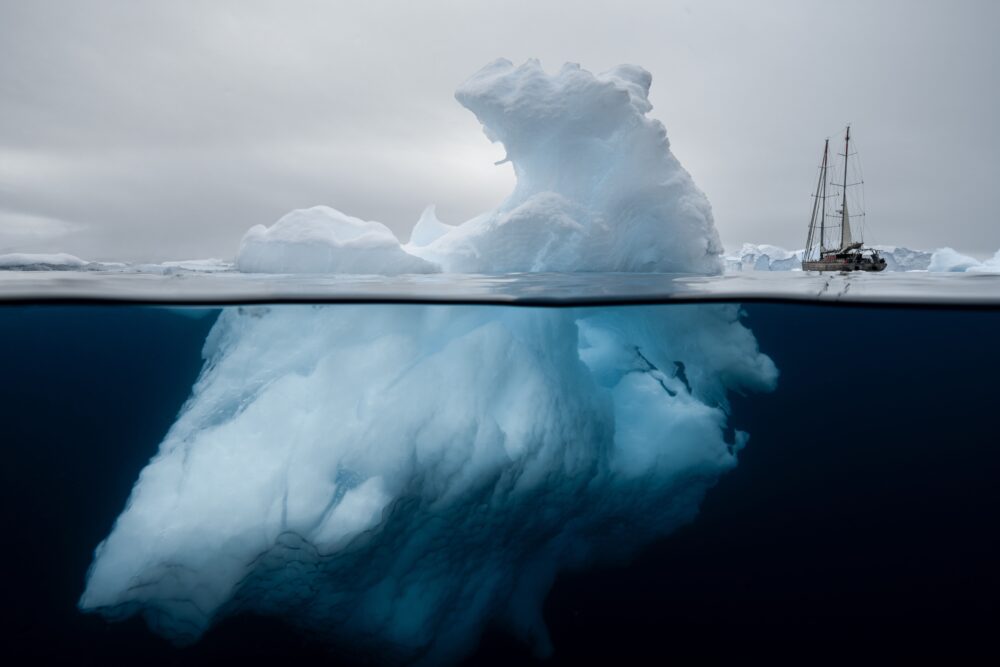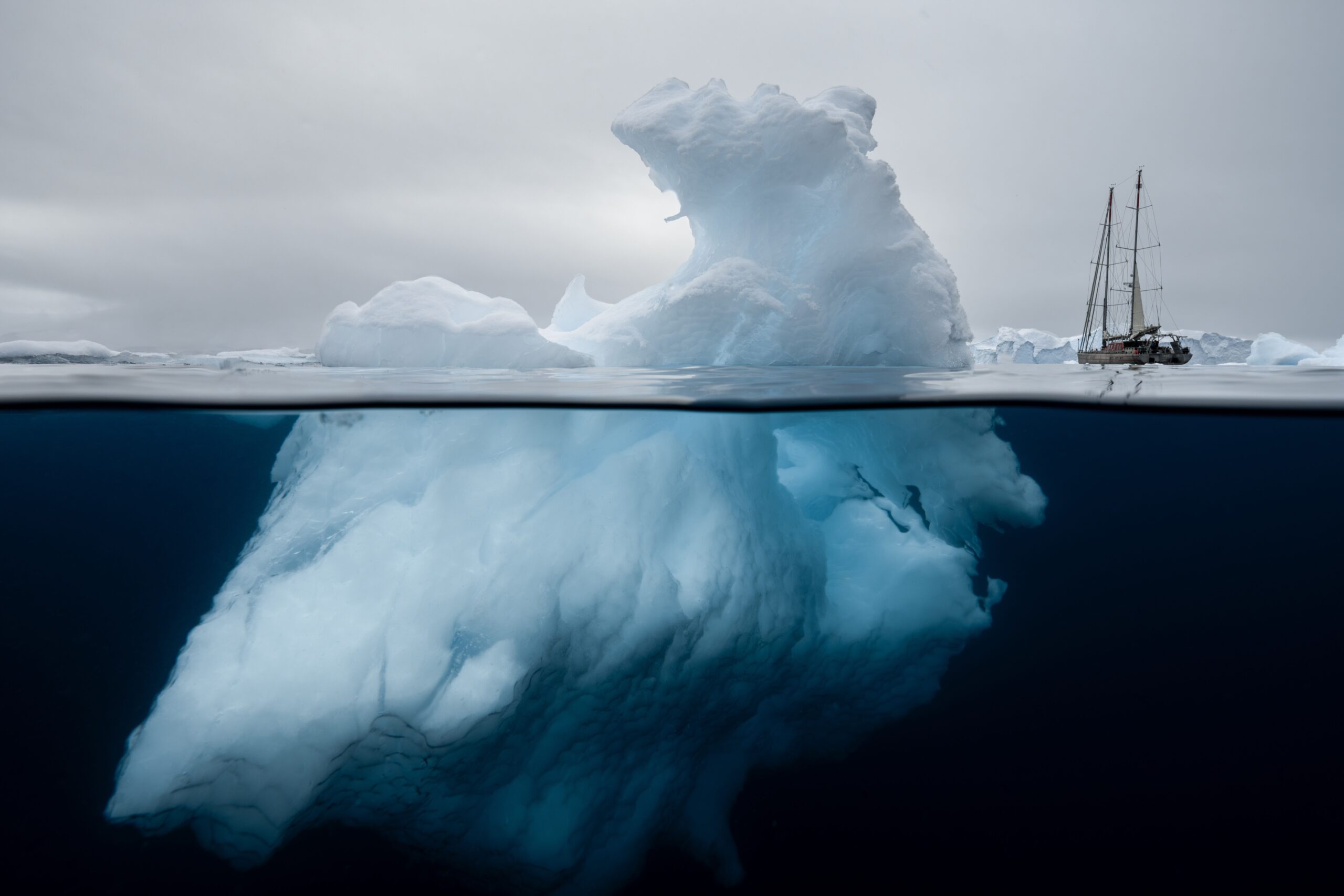

At the outer edge of human perception, where the deep blue of the ocean merges with the immaculate white of perpetual ice, the climate crisis has ceased to be a scientific projection and become a visible reality. For decades, academic reports have warned about the acceleration of polar melting through temperature graphs, salinity measurements, and statistics of continental mass loss. Yet cold figures rarely manage to move the collective conscience of a global society that remains hyperconnected yet emotionally distant from the planet’s extremes.
This is where an unprecedented alliance between documentary photographers, climate scientists, and conservation organizations emerges. This pioneering initiative seeks to transform image-making not merely into an aesthetic record of vanishing landscapes, but into an active instrument of political pressure and environmental preservation. By documenting the shifting pulse of glaciers and ice-dependent wildlife, contemporary photography faces its greatest ethical and practical challenge: transcending mere contemplation to become a catalyst for global change.
Visual Urgency Against the White Collapse
The history of polar exploration has always been intertwined with the photographic camera, from the glass plates of Herbert Ponting during Robert Falcon Scott’s Terra Nova expedition to modern satellite missions. Nevertheless, the contemporary purpose has undergone a radical mutation. It is no longer about conquering the unknown or documenting human heroism against the elements, but about recording the accelerated disappearance of entire ecosystems before common society manages to grasp their magnitude.
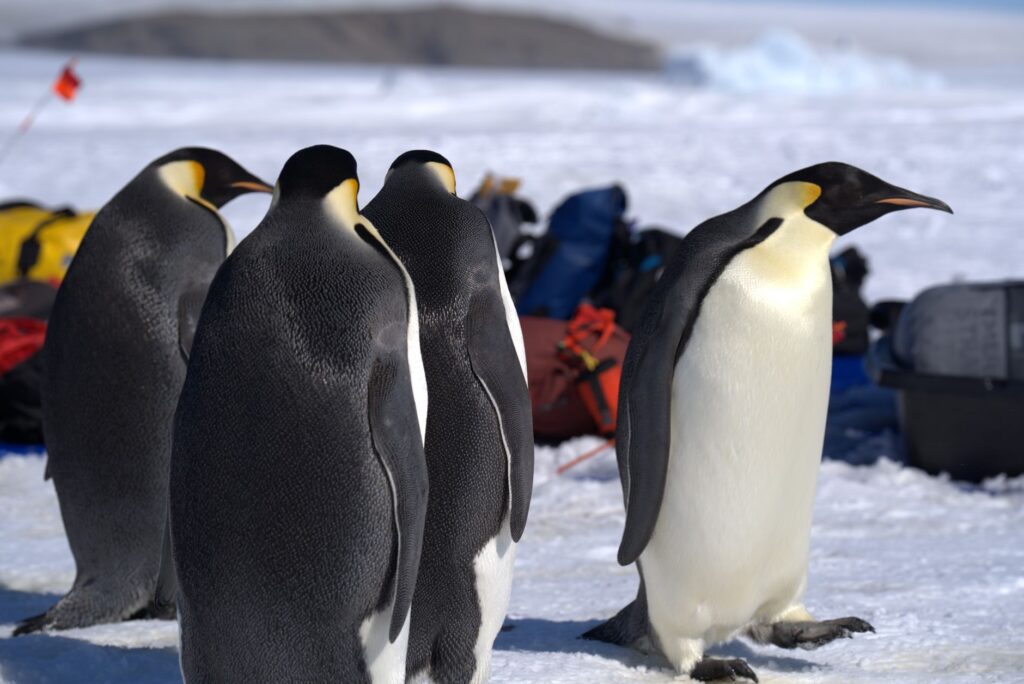
Scientists operating in the Arctic and Antarctic recognize that human empathy is wired to respond to faces, stories, and tangible changes in the immediate environment. When a polar bear is portrayed on a starving ice ridge or when a glacial calving event the size of a metropolis is captured in time-lapse sequence, the abstraction of global warming acquires a heartbreaking face. Images no longer illustrate a distant news item; they demand international accountability.
The Alliance Between Science and Documentary Art
One of the most innovative aspects of this movement is the integration of high-precision photographic equipment into long-term scientific expeditions. Photographers no longer work in isolation chasing the perfect postcard; they collaborate closely with glaciologists, marine biologists, and climatologists to ensure every frame possesses verifiable rigor. This symbiosis makes it possible to document complex phenomena, such as the retreat of marine glacier grounding lines or the acidification of polar waters, translated into a universal visual language.
Technical precision is paired with a deeply human narrative, where fieldwork exposes both the fragility of the environment and the titanic effort of those attempting to measure it. Current expeditions deploy cameras with extreme dynamic range sensors capable of recording subtle gradations of light in the polar night or the electric blue of ancient ice beneath the surface. These visual archives not only feed galleries and specialized magazine covers, but serve as public databases for environmental prediction models.
The Role of Technology in Capturing Extremes
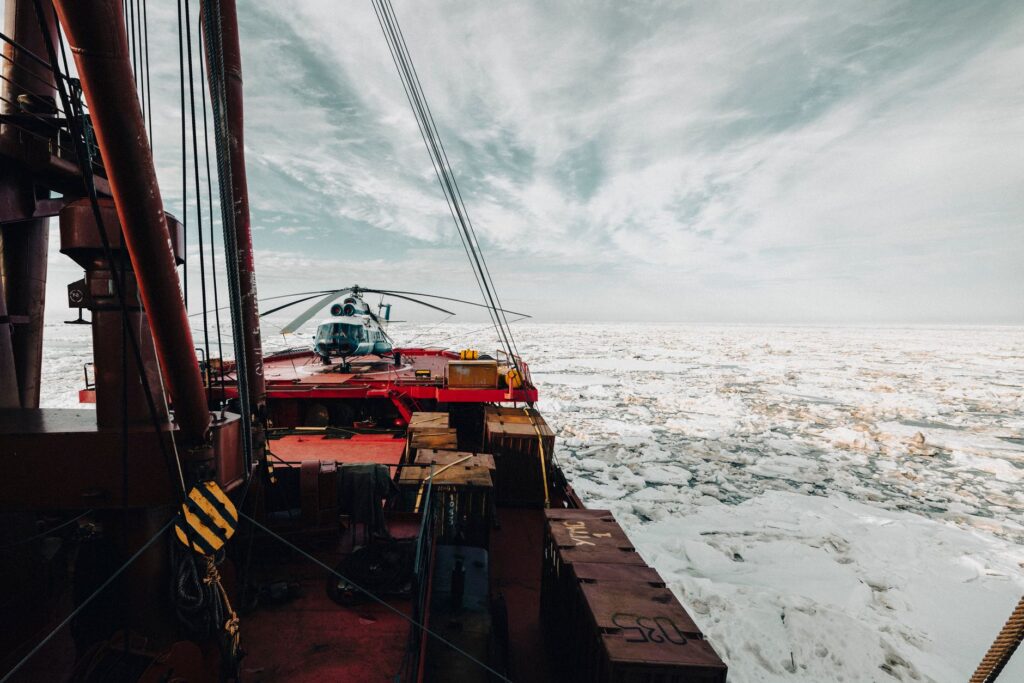
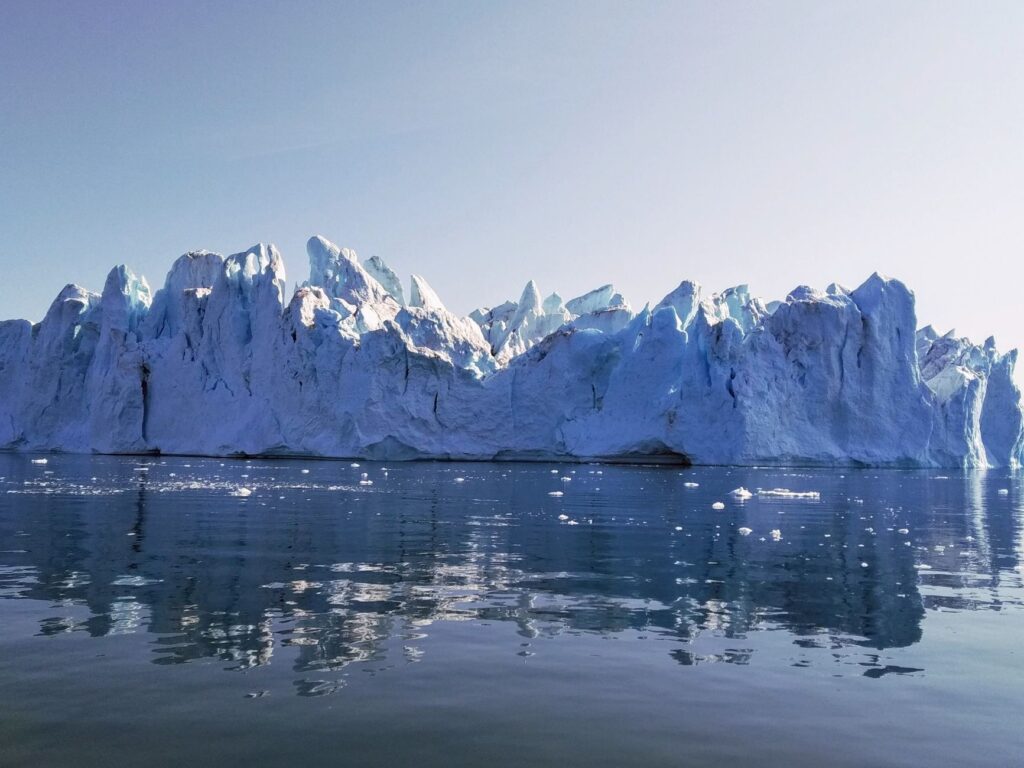
Recording polar regions imposes formidable technical barriers. Extreme temperatures, hurricane-force winds, and the prolonged darkness of polar winters destroy conventional equipment within hours. The recent development of solid-state battery technology and heated camera housings has enabled photojournalists to operate in conditions previously deemed inaccessible. Furthermore, the use of underwater drones equipped with high-resolution cameras has opened an unprecedented window into the subglacial world, revealing how warm water erodes the base of ice shelves from below.
Human Impact and Communities on the Frontline
While the poles are often imagined as spaces devoid of human presence, millions of people depend directly on their stability. Indigenous Inuit communities in the Arctic watch as their traditional hunting routes over sea ice disintegrate, threatening their food sovereignty and cultural heritage. Documentary photography plays a crucial role here by amplifying local voices, documenting not only ecological degradation but also the resilience and ancestral wisdom of these peoples facing the climate crisis.
Images of hunters navigating among ice fragments where a solid sheet once stood connect the urban viewer with the social dimension of climate justice. It is not merely about saving icebergs or charismatic fauna; it is about preserving the continuity of entire cultures whose way of life has been shaped for millennia by the Arctic balance.
The camera has become the most honest and urgent witness of our time, capable of transforming the white silence of the poles into an inescapable cry of warning.
This anthropological and ecological approach avoids the trap of romantic landscape photography, which often strips polar territories of their geopolitical and human reality. By placing local communities at the center of the visual narrative, contemporary photography restores the broken link between human action and its planetary consequences.
Expedition Architecture and Polar Logistics
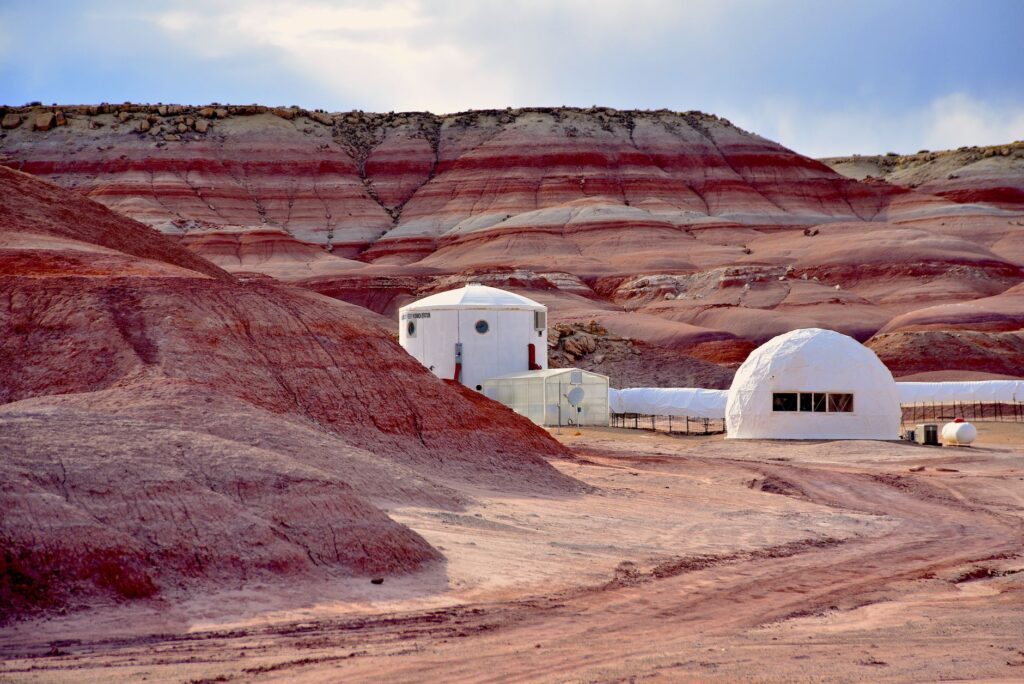
Sustaining photographic and scientific operations in the planet’s remote corners requires a complex, high-impact logistics infrastructure that must also undergo transformation. Modern research stations, situated on floating platforms or solid rock in Antarctica, represent milestones of extreme architecture. Designed to withstand winds exceeding two hundred kilometers per hour and temperatures dropping below minus eighty degrees, these facilities function as self-sufficient laboratories.
Transportation within these regions has evolved from traditional dog sleds and fossil fuel-powered icebreakers to electric polar vehicles and hybrid vessels with low acoustic impact. This green transition within exploration logistics itself is essential to maintaining the ethical coherence of projects that specifically seek to protect the environment they investigate and portray.
Visual Heritage and Collective Memory
The photographic archive accumulated over the past two decades constitutes an irreplaceable historical record. Entire zones of the Greenland ice sheet and the Antarctic Peninsula that existed when the 21st century began have vanished or transformed irreversibly. In this sense, photographers act as archivists of a world in accelerated transition, building a collective visual memory that will prevent future generations from pleading ignorance regarding the magnitude of the loss.
Traveling exhibitions in global capitals and open-access digital archives allow millions of citizens who will never set foot on polar ice to experience its vastness and fragility. This democratic access to scientific and documentary imagery is the indispensable first step to mobilizing public opinion toward more ambitious emission mitigation policies.
Practical guide
How to support polar conservation through visual consumption: Prioritize outlets and publications that fund independent documentary research rather than AI-generated content or generic stock photo libraries.
Source verification: Consult open-source databases from organizations such as the National Snow and Ice Data Center (NSIDC) to cross-reference historical images with current satellite data.
Responsible tourism: If you plan to visit subpolar areas, exclusively choose tour operators adhering to the International Association of Antarctica Tour Operators (IAATO) or Arctic equivalents that limit landings and protect wildlife.
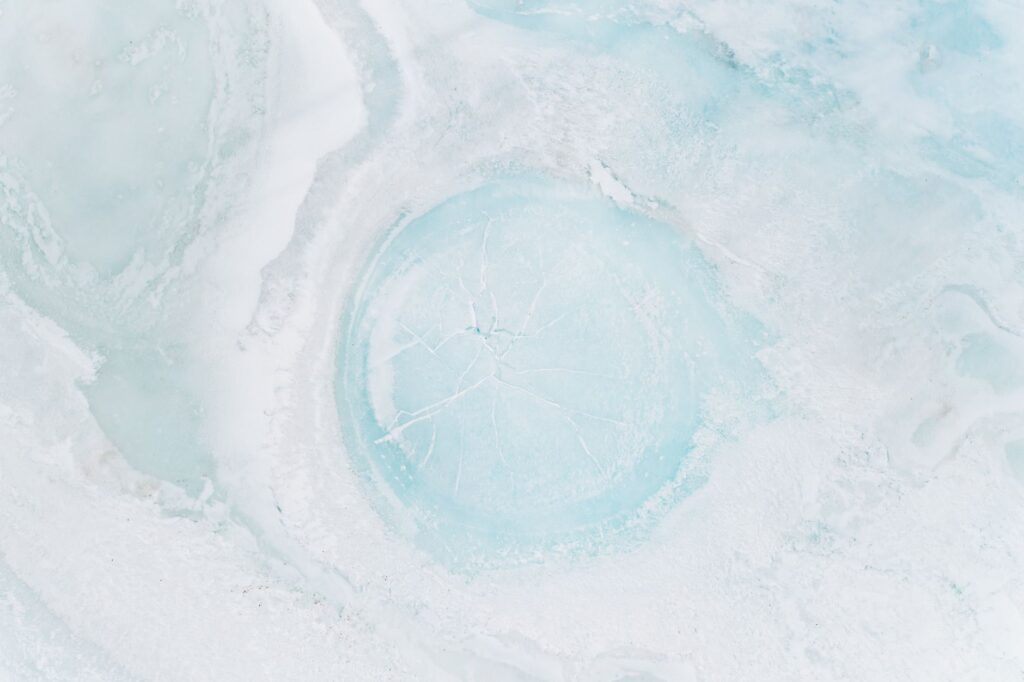
Education and outreach: Utilize citizen science platforms to tag and analyze changes in photographic time-series of glaciers available through public-access projects.
The Final Horizon of Polar Light
In the twilight of the glaciers, light acquires an almost metaphysical quality. It is a cold, bluish radiance that seems to contain the memory of entire geological eras. In that absolute silence, where the cracking of ancient ice sounding like distant thunder echoes across the expanse, the camera lens pauses to record the definitive testimony. It is not an elegy for the inevitable, but a persistent reminder that the destiny of the poles remains, at least partially, in the hands of those who observe from a distance.
The alliance between science, photographic art, and citizen action demonstrates that the Earth’s beauty remains its best defense. As long as there are eyes willing to look without filters or complacency toward the frozen ends of the earth, the truth of our time will remain exposed with the relentless clarity of polar light.
Conservation is no longer merely a matter of government policy; it is an aesthetic and moral imperative that begins with what we choose to look at and protect.
Source in EN: Condé Nast Traveler (https://www.cntraveler.com/story/can-photography-help-save-the-earths-poles)