The Iron Labyrinth of the Savannah: Colonial Engineering, Steam Locomotives, and Hidden Connectivity on the Benue Railway
An in-depth analysis of the iconic railway artery crossing central Nigeria, examining how the rehabilitation of its tracks and British legacy shape survival and commerce along the banks of the Benue River.
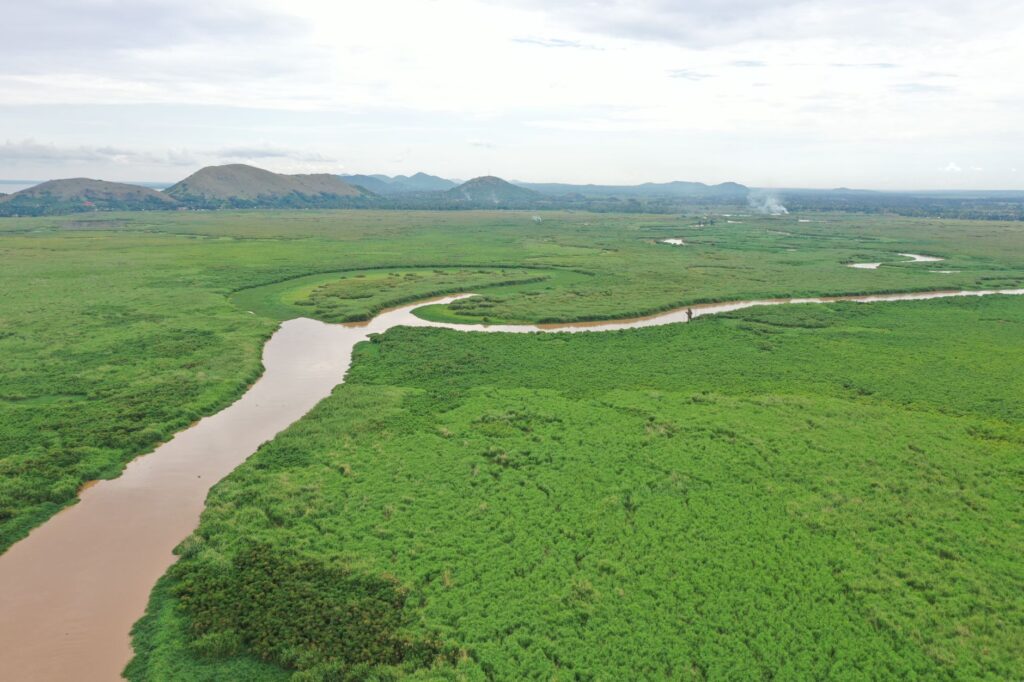
In the vast and energetic territory of central Nigeria, where wooded savannahs gradually yield to the riverine wetlands nourishing the mighty Benue River, one of the most fascinating and overlooked infrastructures on the African continent survives: the Benue Railway. This narrow-gauge network, conceived during the early years of the British protectorate to extract agricultural and mineral resources from the interior toward Atlantic coastal ports, represents today far more than a mere vestige of the colonial era. It is a living organism, a survival corridor connecting isolated rural communities and defying structural decay with astonishing resilience.
The genesis of this line dates back to the early twentieth century, when imperial engineers calculated that the seasonal river transport of the Benue was too erratic to guarantee a steady flow of peanuts, cotton, and tin ore to the port of Port Harcourt. Thus began a titanic journey that demanded the superhuman effort of thousands of local workers under extreme climatic conditions. Today, traveling along the operational sections of this system provides an insight into the logistical complexities of West Africa, where railway modernization constantly competes with the challenges of the informal economy and the maintenance of century-old infrastructure.
The Architecture of the Route: Defying the Savannah and Tributaries
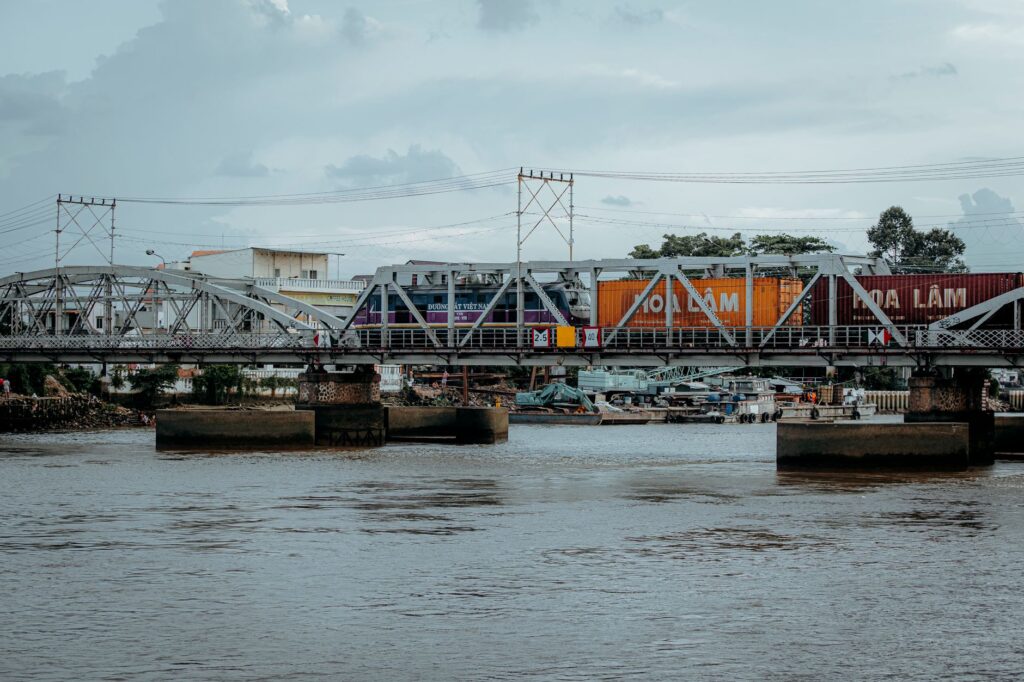
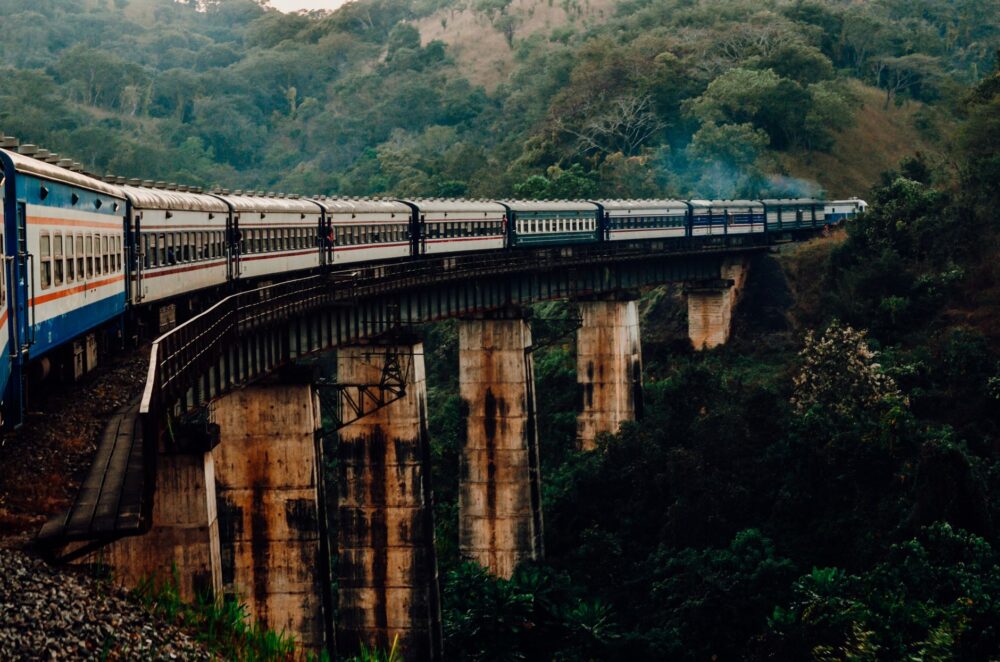
The technical design of the Benue Railway follows the classic canons of British overseas railway engineering, cleverly adapted to the capricious topography of the river valley. With a 1,067-millimeter gauge—the standard Cape gauge prevalent across much of sub-Saharan Africa—the track meanders through clay undulating terrain and flood-prone savannahs, requiring a complex system of embankments and culverts to prevent collapse during the monsoon rainy season. The metal lattice bridges, erected over eighty years ago with steel imported from the blast furnaces of Sheffield, continue to bear the weight of freight and passenger convoys thanks to artisanal maintenance based on manual welding and the constant replacement of tropical hardwood sleepers.
Along the route, local engineers and veteran machinists face the fury of the elements on a daily basis. Invasive vegetation, driven by a humid equatorial climate, relentlessly consumes the margins of the track if maintenance crews neglect their duties even for a single week. Likewise, the expansion of clay soils during floods causes millimetric misalignments that require a trained eye and rudimentary tools to level the rails with a claw bar. This combination of Victorian technology and African pragmatism constitutes a unique case study in maintenance engineering within adverse tropical environments.
The steel rail is not merely a communication route in the Benue savannah; it is the mechanical pulse that prevents the absolute isolation of agrarian communities during the months when dirt roads turn into impenetrable swamps.
The Ghost Stations and the Economy of the Halts
Stopping at the old stations of the Benue Railway is an ethnographic journey into Nigeria’s commercial past. Exposed-brick buildings with corrugated metal roofs and shaded porches, designed under colonial aesthetics to mitigate the suffocating heat, stand today amid intense, spontaneous mercantile activity. When the distant whistle of a diesel locomotive announces its arrival, the apparent lethargy of these enclaves immediately transforms into a deafening bustle of merchants, porters, and travelers.
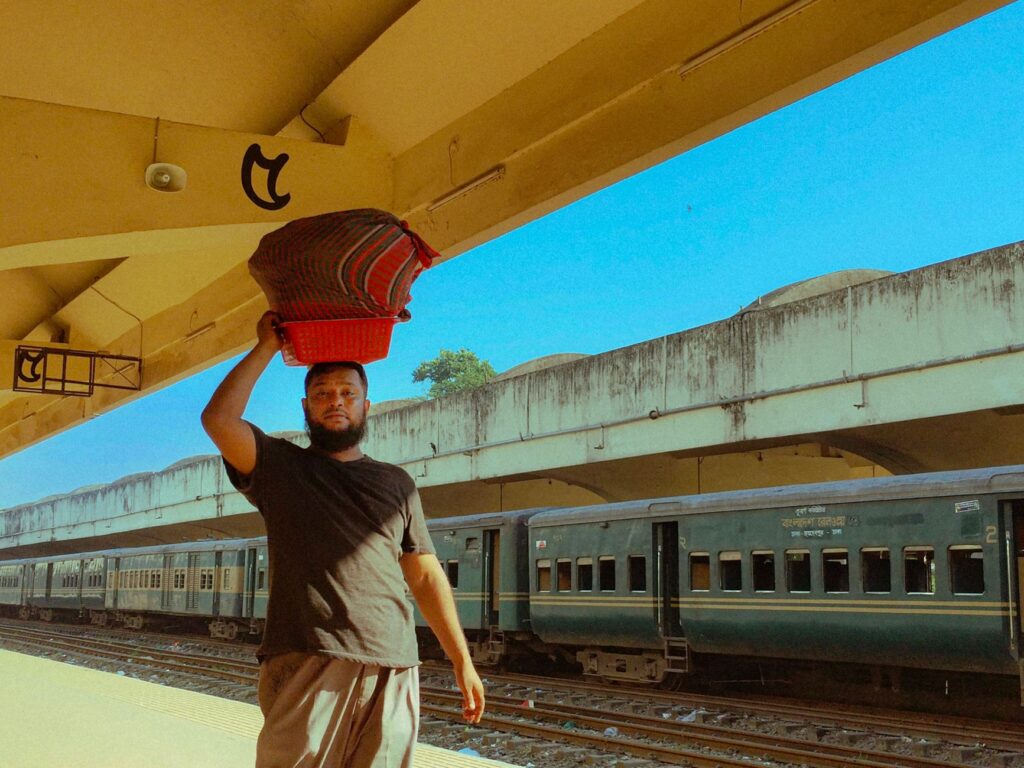
On the packed-earth platforms, local women display baskets overflowing with roasted yams, cassava, mangoes, and dried river fish, offering provisions to passengers traveling in third-class carriages. This halt economy sustains the financial fabric of dozens of villages lacking access to paved roads. The train does not operate here with the chronometric precision of European metropolises; its delays are accepted by the community as a natural variable, waiting time utilized for social exchange, the resolution of trade disputes, and the strengthening of family ties between distant districts.
The Convoys of Survival: Logistics and River Commerce
The economic function of the Benue Railway has evolved drastically since colonial times. While its past purpose was exclusively the export of raw materials overseas, it currently acts as the primary distributor of subsistence agricultural products between the northern agricultural belt and the bustling markets of the southern part of the country. The holds of freight trains transport tons of corn, sorghum, and tubers that feed millions of inhabitants, dampening price fluctuations caused by deficiencies in the national road network.
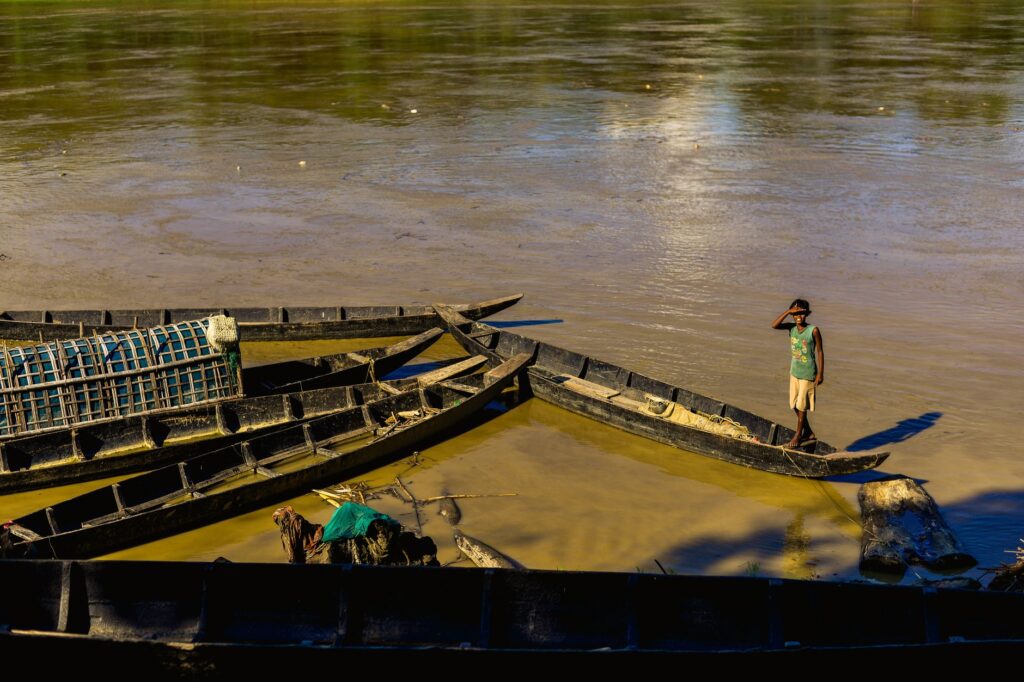
Furthermore, intermodal integration with river transport remains a critical point of operation. At strategic points along the riverbank, where railway tracks converge with traditional piers of canoes and barges, a frantic transfer of goods takes place. Sacks of grain are unloaded directly from hopper cars onto boats that will sail upstream to the most remote riverine communities. This synchronization between iron and water demonstrates a sophisticated intuitive understanding of regional logistics, operating independently of grand state master plans and relying entirely on the accumulated expertise of local transport guilds.
The Challenges of the Twenty-First Century: Between Obsolescence and Modernization
The future of the Benue Railway is debated today between two opposing forces: the urgent need for comprehensive technological renewal and the bureaucratic inertia that halts massive public investments. While the Nigerian federal government focuses its budgets on constructing modern standard-gauge corridors financed with foreign capital—pharaonic projects connecting major political and commercial capitals—secondary narrow-gauge lines like this continue to operate with rolling stock amortized decades ago and purely manual signaling systems.
Despite these structural limitations, local operators and user associations firmly defend the social and economic viability of keeping the line open. The total replacement of the railway by motor transport is unviable due to the high cost of diesel fuel and the rapid degradation of asphalt roads under the weight of heavy trucks. Thus, the survival of the Benue railway system stands as a masterclass in the sustainability of inherited resources, proving that appropriate technology is not always the most advanced, but rather the one a community can maintain, repair, and operate with its own hands.
Practical guide
How to get there: Access to the Benue River region is usually made from Abuja, the federal capital of Nigeria, via all-terrain vehicles along the A2 highway in a southeasterly direction, a journey of approximately four hours to the city of Makurdi, the central hub of the rail network.
When to travel: The best time to document or tour the region comprises the dry season months, from November to March, when temperatures are high but stable and rural roads allow access to secondary halts without the risk of getting trapped by floods.
Accommodation: International hotel infrastructure is scarce outside Makurdi. In the state capital, there are secure establishments with air conditioning and private generators, essential given frequent power outages on the public grid.
Travel requirements: A valid entry visa to Nigeria obtained in advance, an international yellow fever vaccination certificate, and recommended malaria prophylaxis are mandatory. It is advisable to travel always accompanied by accredited local guides and coordinate movements with local transport authorities.
The Human Pulse at the Edge of the Rail
At dusk, when the tropical sun dyes the floodplains of the Benue in deep ochres and copper glimmers, the rhythm of the savannah seems to suspend in a silent truce. At the small halt of Agasha, a group of children runs parallel to the final meters of track as a shunting locomotive emits a metallic, measured snore, announcing the end of another day of tireless labor. In that fleeting instant, the railway ceases to be a mere concatenation of rails, sleepers, and logistical figures to reveal itself in its most authentic dimension: a fragile yet tenacious umbilical cord uniting the dreams, commerce, and dignity of thousands of people with the vast horizon of Africa.
ATLAS LUME · ANTES DE VIAJAR
Una lectura que continúa en el destino
DocumentaciónComprueba visados, requisitos sanitarios y vigencia de documentos en fuentes oficiales.
ReservasConfirma el precio final, impuestos y condiciones directamente con el proveedor.
Viaje responsableRespeta las comunidades, el patrimonio y los ecosistemas locales.