
Introduction to Botswana’s Great Liquid Labyrinth
The Okavango Delta is not a conventional river, but a colossal body of water spreading across the arid sands of the Kalahari Desert in Botswana, creating one of the most unique and complex ecosystems on the African continent. In this amphibious territory, where solid ground is a temporary and shifting notion, human and logistical mobility does not rely on asphalt or railway tracks, but on an intricate intermodal network that constantly challenges the laws of physics and geography. Understanding this outpost requires shedding the traditional paradigms of transport and delving into a universe where every journey is a direct negotiation with seasonal floods, wildlife, and the capricious topography of the plain.
During the flood season, when waters originating from the Angolan highlands finally arrive after months of underground and surface travel, the landscape transforms completely. Dirt airstrips shrink, unpaved tracks turn into impenetrable channels, and local communities, alongside tour operators, must reconfigure their daily connectivity. This report rigorously examines the human machinery, low-draft transport methods, and soft engineering challenges that sustain life and movement in this immense wetland declared a UNESCO World Heritage Site.
The Aerial Backbone: Bush Pilots and Sandy Airstrip Logistics
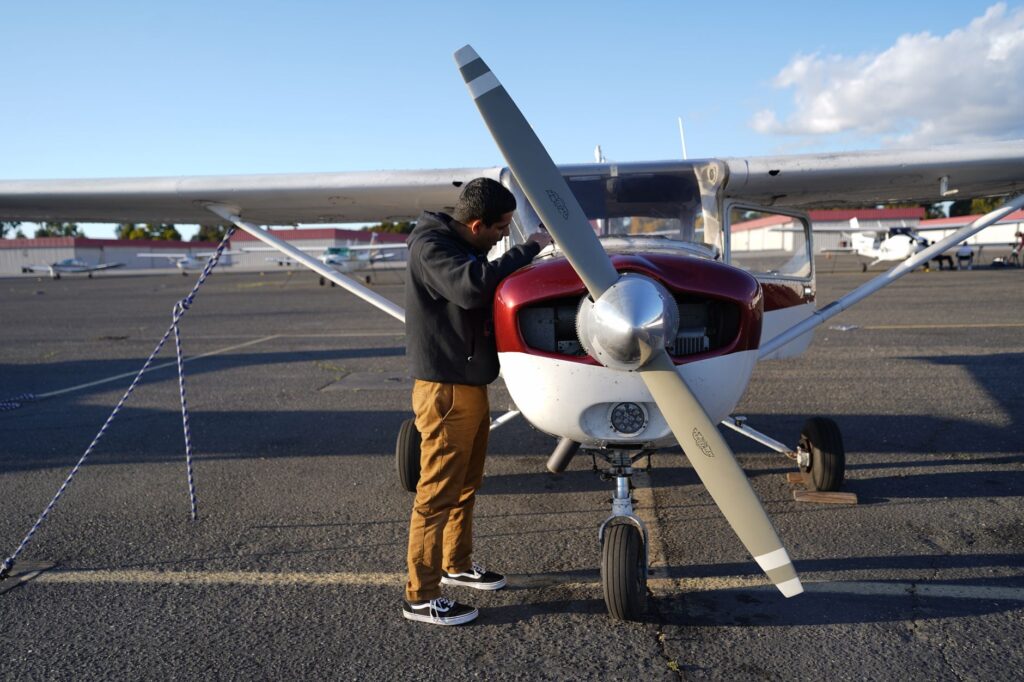
The primary line of connection with the outside world and between the delta’s isolated camps is light aviation, operated by a brotherhood of bush pilots. Aboard single and twin-engine utility aircraft such as the Cessna 206 or Britten-Norman Islander, these professionals perform work of high geometric precision. Landing on strips of packed earth, compacted clay, or even overgrown grass requires a meticulous reading of weather conditions and the occasional presence of wildlife on the runway, ranging from elephant herds to families of warthogs.
These airstrips lack automated control towers or instrument approach radars; communication relies on shared radio frequencies and the pilot’s visual expertise. Local airlines manage a complex logistical choreography that supplies not only international travelers, but also rural health centers and scientific research stations. Every kilogram of cargo, from fuel to fresh food, is calculated with precision scales before closing the aircraft doors, proving that air transport here is not a luxury, but the only operational umbilical cord during peak flood months.
The Liturgy of the Mokoro: Shallow-Draft Navigation in Narrow Channels
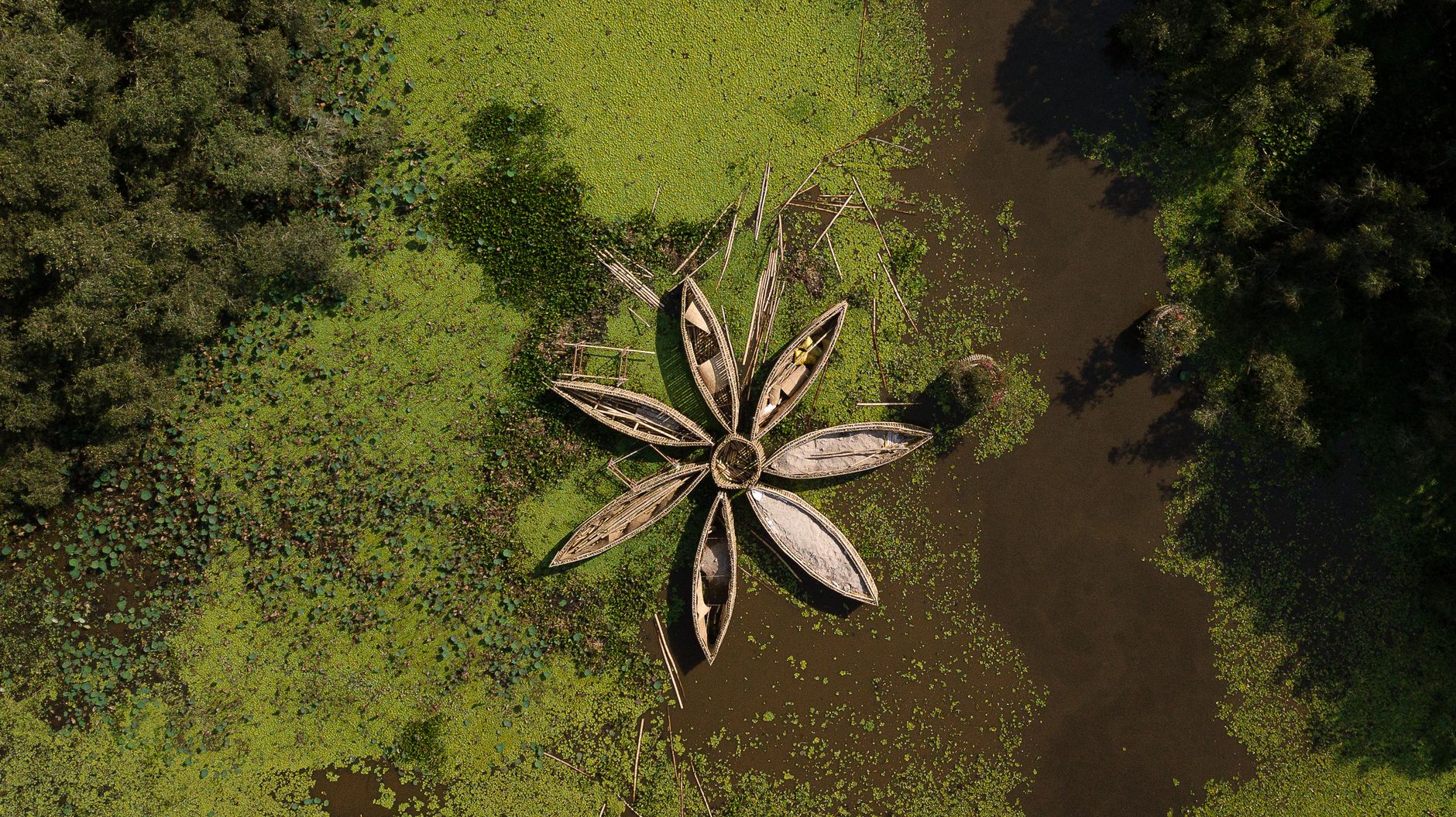
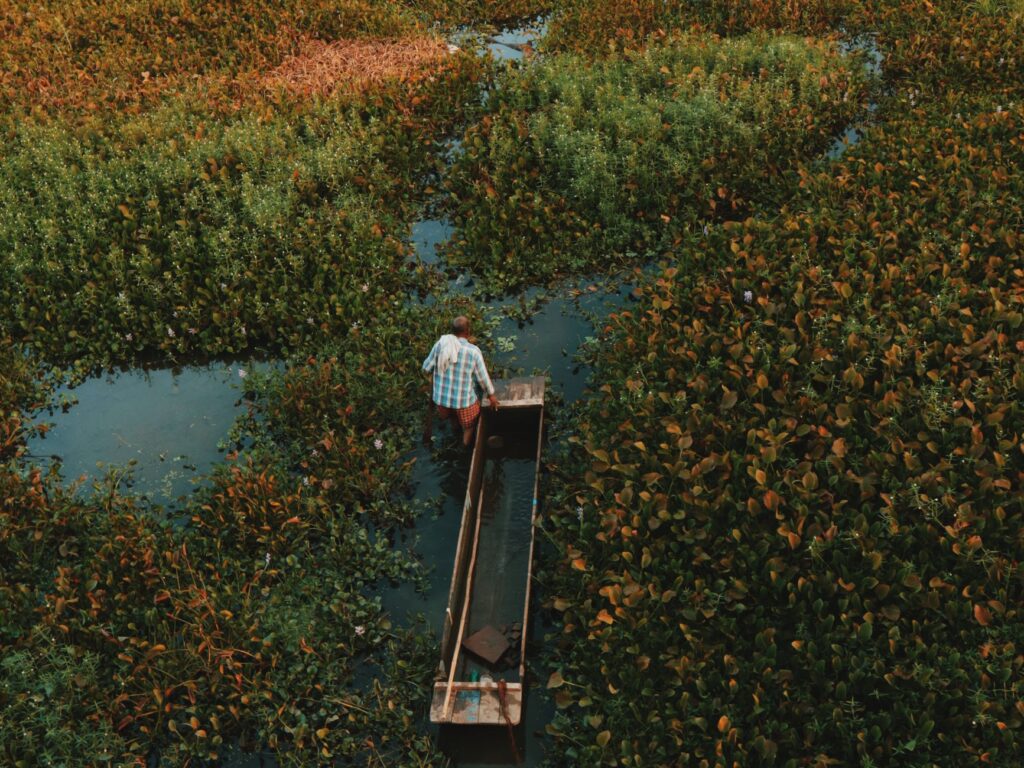
When the traveler leaves the aircraft and descends to water level, the dominant mode of transport shifts radically toward the region’s quintessential traditional watercraft: the mokoro. Once carved from the trunks of large hardwood trees such as African ebony or sausage trees, the modern mokoro is predominantly made of fiberglass to protect the fragile riparian forests from deforestation. Propelled and steered using a long wooden pole—locally known as a ngota—by an expert poler, this flat-bottomed canoe glides silently over carpets of water lilies and labyrinths of papyrus.
Local polers are the true living cartographers of the delta. Their encyclopedic knowledge of currents, submerged sandbanks, and the unpredictable behavior of hippopotamuses enables safe navigation in waters where a miscalculation can prove fatal. This low-draft transport not only serves a utilitarian function for the communities inhabiting permanent islands, such as Chief’s Island, but also constitutes a masterclass in low-impact mobility, operating with zero emissions and virtually zero acoustic disturbance in the aquatic habitat.
Motorboats and the Logistics of Deep Channels
As main channels widen and deepen, the physical limitations of the mokoro demand the use of larger-draft vessels equipped with outboard engines. These aluminum speedboats form the medium-cargo arteries within the delta’s intermodal system. They connect logistical bases located in peripheral settlements, such as the town of Maun—considered the gateway to the Okavango—with the most remote lodges and national park management outposts.
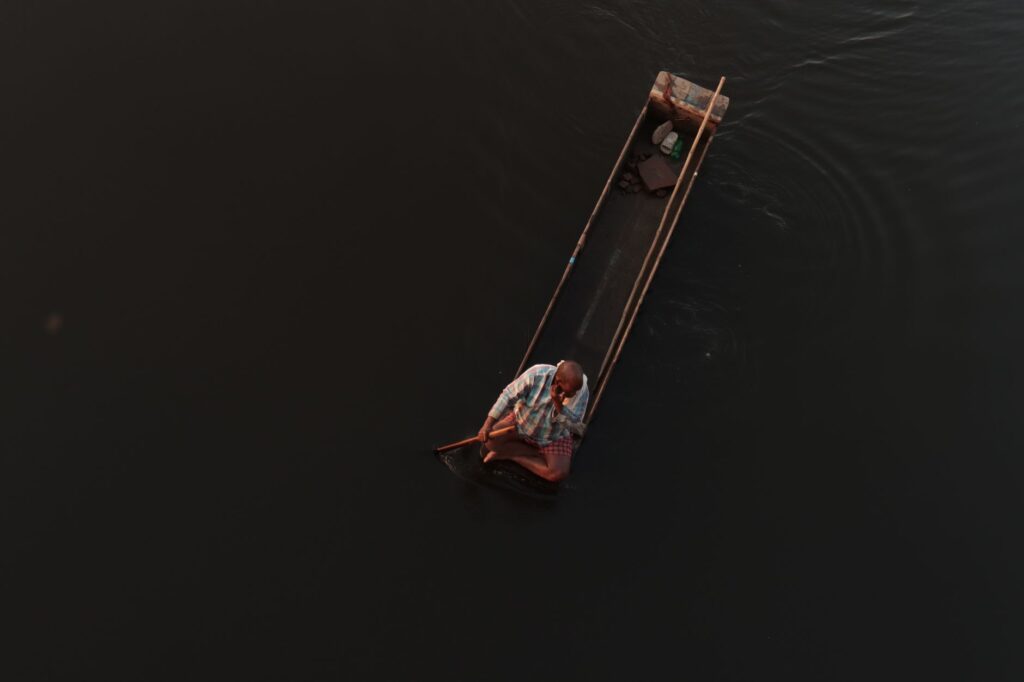
Motorboat navigation in this environment requires constant vigilance due to half-submerged logs, known as floating vegetation plugs, and the constant fluctuation of water levels caused by evaporation and infiltration. Skippers must master the art of reading water color and the density of aquatic vegetation to prevent damage to propellers. Furthermore, fuel distribution for these vessels represents a colossal logistical challenge, requiring prior transport in drums via complicated mixed land routes before being transferred to river depots.
Amphibious Vehicles and the Resilience of 4×4 Trucks
In transition zones where water temporarily recedes, giving way to muddy floodplains and clayey soils known as black silts, conventional land transport collapses immediately. To overcome these barriers, scientific expeditions and rescue teams deploy specially adapted all-terrain vehicles equipped with central tire inflation systems, heavy-duty winches on reinforced bumpers, and raised snorkel air intakes.
These trucks and 4×4 vehicles operate at the absolute limit of mechanical traction. Deep ruts left by heavy vehicles during the dry season can turn into death traps when an atypical rain or sudden seepage softens the terrain. Overland route planning in the Okavango is a dynamic exercise updated daily, where experienced drivers assess mud consistency and soil temperature before compromising load stability. Cooperation between different tour operators and local authorities is vital to keeping these fragile land corridors open.
The Okavango Delta teaches us that true connectivity is not measured by the speed of its infrastructure, but by the adaptive capacity of its transport modes to nature’s relentless cycles.
Environmental Impact and the Sustainability of the Intermodal Network
Increasing tourism pressure and mobility demands within the delta have sparked an urgent debate regarding the sustainability of its intermodal framework. The constant noise of light aircraft over raptor nesting grounds and the wash of motorboats in indigenous fish breeding areas generate ecological tensions that Botswana’s environmental authorities attempt to mitigate through strict route and transit schedule regulations.
Conservation organizations and community cooperatives collaborate to develop guidelines limiting the carbon footprint of the aviation fleet and encouraging the gradual replacement of older combustion engines with low-power hybrid or electric technologies in auxiliary boats. The preservation of this fragile ecosystem depends on a precarious balance: permitting the essential mobility required for the local economy and research without altering the natural hydrological flows that sustain the continent’s largest inland swamp.
Practical guide
How to get there: The primary access point to the Okavango Delta is Maun International Airport (MUB), connected via scheduled flights from Johannesburg (JNB) and Cape Town (CPT) operated by commercial airlines.
Internal mobility: Transfers between camps and lodges are conducted exclusively via charter bush planes operated by local companies such as Air Okavango or Wilderness Air, complemented by river transfers via mokoro or motorboat depending on the season.
Best time to visit: May to August to witness peak floodwaters and enjoy optimal mokoro navigation; September to November for terrestrial wildlife viewing along dry riverbanks.
Health requirements: A yellow fever vaccination certificate is mandatory if arriving from an endemic country. Malaria prophylaxis is strongly recommended before venturing into the delta region.
Luggage allowance: Due to strict weight and space limitations on light aircraft, luggage must be packed in soft duffel bags with an absolute maximum limit of 15 to 20 kilograms per passenger, including camera gear.
The Final Pulse of the Waters and the Traveler’s Memory
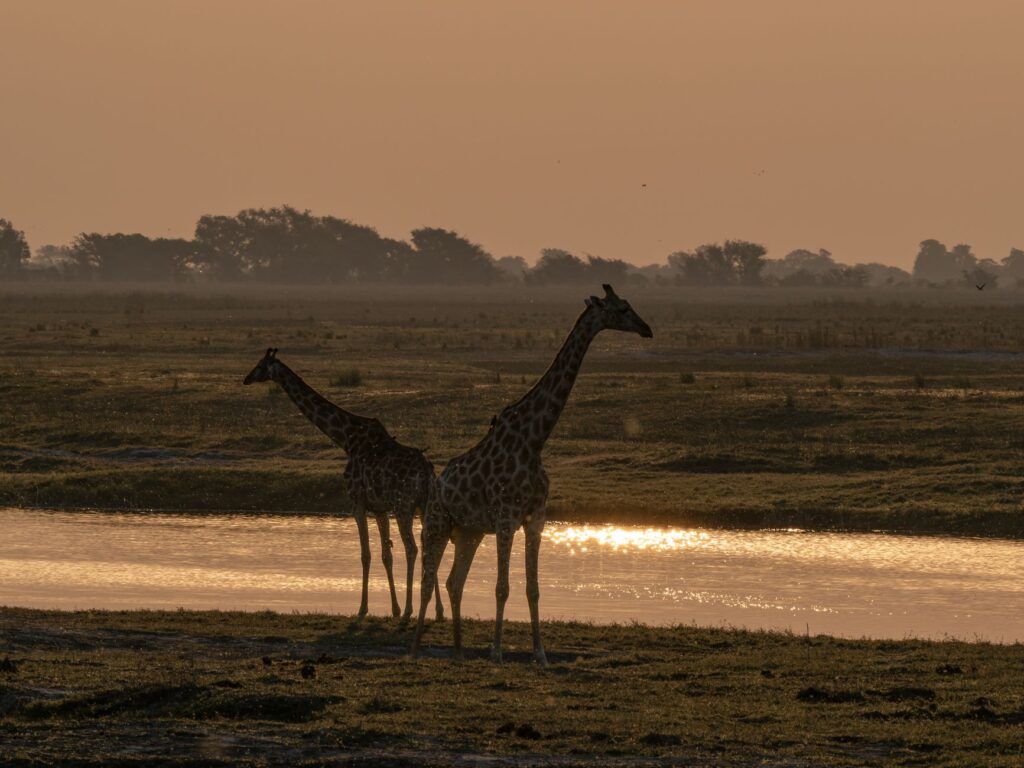
At dusk, when the surface of the delta turns into a mirror of fire beneath changing African sky tones, the bustle of engines falls completely silent, leaving only the distant sound of elephants splashing across a deep channel. In that moment of luminous truce, the traveler grasps the profound vulnerability of this ancient yet modern transport system. The wooden barges gliding silently over the current are not mere tourist vehicles, but the living testament of a symbiotic relationship between humanity and water, where every journey is an act of respect toward a territory that refuses to be tamed by asphalt.
Traveling through the Okavango is accepting that the final destination matters less than the silent grace with which we move across its liquid skin.