
Origins and Geography of Leather in the Sierra
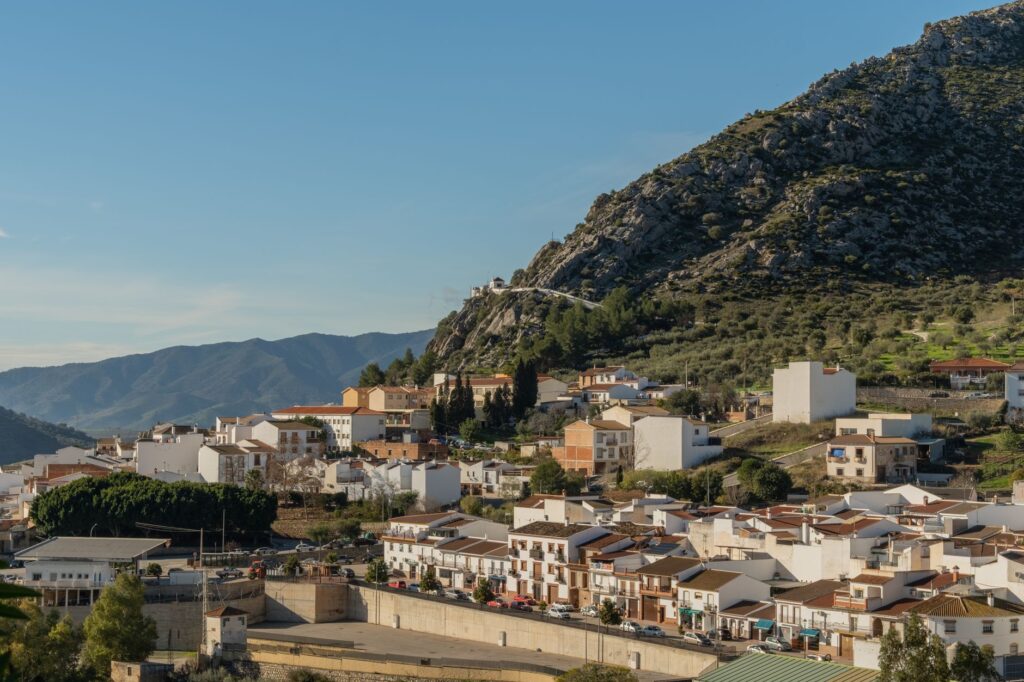
Nestled within the rugged landscape of the province of Cádiz, wedged between the natural parks of Sierra de Grazalema and Los Alcornocales, lies Ubrique. This is a municipality whose urban silhouette and cultural identity have been sculpted over centuries by the tanning and manipulation of leather. The local geography, characterized by river watercourses ideal for hydraulic power and an abundant native livestock of Payoya goats and Merino sheep, fostered an ecosystem uniquely suited for the leather goods industry since the Andalusian era. Far from being an improvised activity, working with hides in this Andalusian town consolidated into a complex framework of knowledge passed down through generations, where every steep street in the historic quarter seems to retain the unmistakable aroma of natural tannins and waxes used in the final finishing process.
The relative isolation of the region for centuries, due to its mountainous terrain, encouraged a singular artisanal development based on self-sufficiency and technical excellence. While other European industrial centers rapidly succumbed to assembly-line mechanization during the industrial revolution, Ubrique chose to keep the pulse of the family workshop alive—a space where human hands remain the primary instrument of quality control. Local chronicles record how the earliest guilds of tanners took advantage of the quality of local springs and streams to wash and soften hides, giving birth to a leather culture that today supplies the most demanding high-fashion houses on the international scene, maintaining a delicate balance between traditional craftsmanship and contemporary technical innovation.
The Anatomy of the Workshop: Tools and Mystique
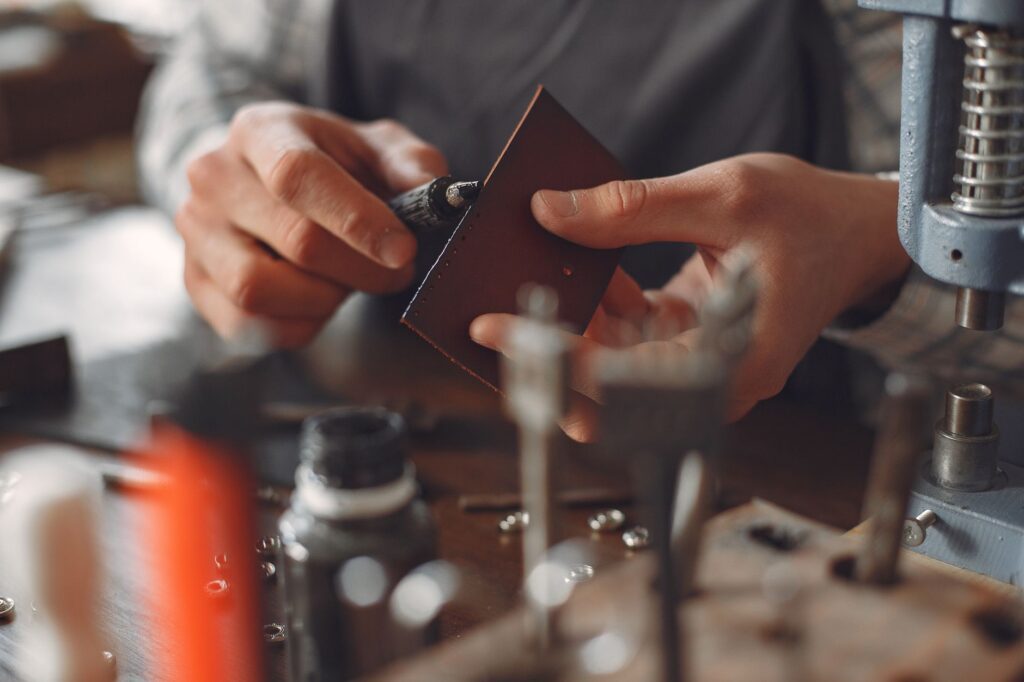
Crossing the threshold of a traditional leather workshop in Ubrique is akin to entering a sanctuary of operational silence and methodical concentration. On the workbenches, typically illuminated by natural zenithal light pouring through large north-facing windows, lie the essential tools that have remained unchanged for over a century. The tranchet knife, sharpened with surgical precision on a whetstone, serves as the natural extension of the artisan’s hand, capable of slicing leather to a microscopic fineness without disrupting the fiber structure. Alongside it rest awls, precision dividers, stainless steel rulers, and wooden mallets used to settle seams and edges.
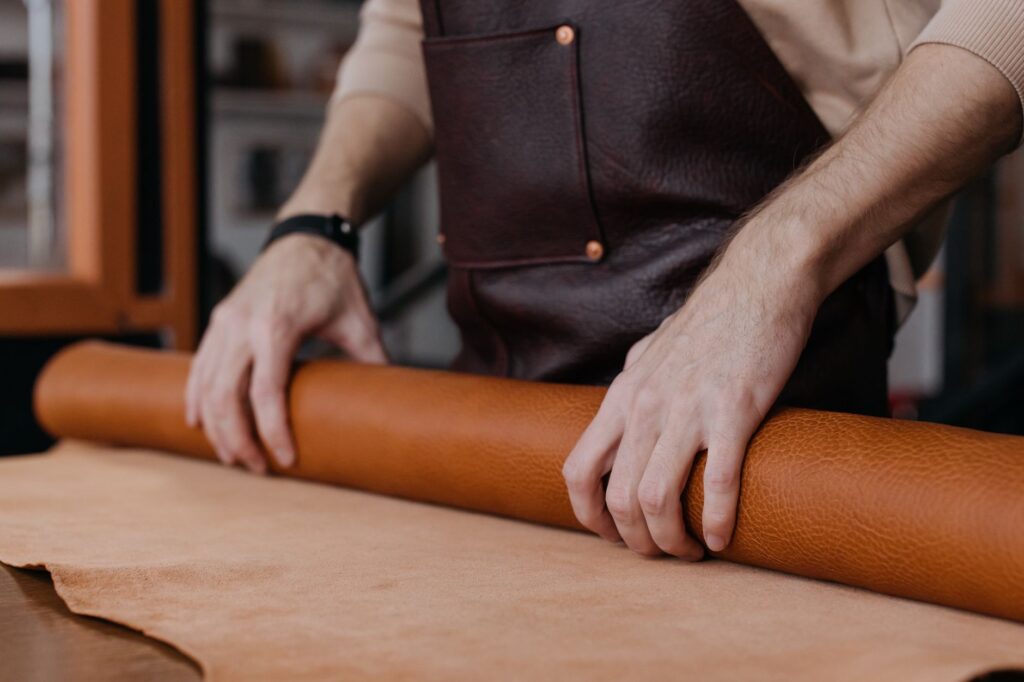
The creation process for a high-end leather piece begins with the rigorous selection of the hide—a crucial moment where the master leatherworker evaluates flexibility, thickness, and the absence of irregularities in the vegetable-tanned leather. Each piece is cut by hand using cardboard or zinc patterns that optimize material yield and respect the natural direction of elasticity. In this environment, the rhythms of mass production vanish entirely, replaced by the unhurried cadence of manual cutting and the meticulous application of dyes and finishes to the edges, a laborious polishing process requiring up to five super-imposed layers to achieve that mirror-like finish characteristic of Andalusian artisanal excellence.
Contemporary luxury does not reside in a visible logo, but in the invisible perfection of a hand-stitched seam that took hours to execute on leather tanned with respect for the earth.
The Ritual of Hand-Stitching and Saddlery
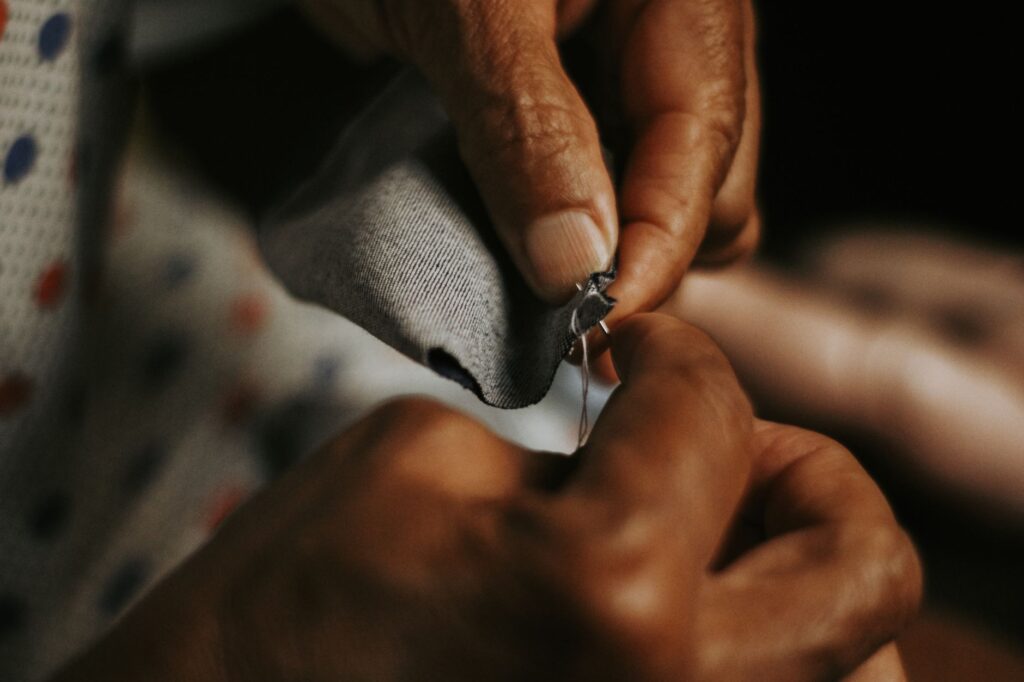
One of the technical pinnacles of Ubrique’s leathercraft manifests in saddlery and hand-stitching, particularly the saddle stitch technique utilizing two needles and waxed linen thread. Unlike industrial lockstitching, manual stitching interlocks the threads in opposite directions within the exact same hole, ensuring that even if the thread is severed at a specific point, the seam will never completely unravel. This level of structural demand requires infinite patience and precise bodily posture, with the artisan firmly securing the piece using a stitching horse—a traditional wooden structure pressed between the legs to free both hands during the execution of the seam.
The applications of this technique range from the creation of structured handbags to precision cases for scientific instruments or highly durable travel goods. Master saddlers explain that the tension applied to every single stitch must be identical; excessive tension puckers the leather, while a lack of it weakens the bond. It is here that decades of accumulated experience distinguish a functional object from a utilitarian work of art. The use of natural beeswax to waterproof and strengthen the thread prior to stitching constitutes another closely guarded technical detail, ensuring the piece’s resistance against humidity and the relentless passage of time.
Innovation and Generational Handover in the Mountains
Facing the historical risk of rural depopulation and the obsolescence of manual trades, Ubrique has successfully articulated a survival strategy based on specialized training and adaptation to global sustainability standards. The local School of Leathercraft has established itself as a fundamental bastion for guaranteeing generational handover, attracting young talents who learn the techniques of skiving, heat-finishing, and three-dimensional assembly directly from retired masters. This center not only teaches a trade, but instills a philosophy of absolute respect for materials and the intangible heritage defining the identity of the entire region.
Likewise, contemporary workshops have incorporated complementary technologies such as computer-aided design (CAD) and laser cutting for rapid prototyping, optimizing production times without compromising the final assembly phase, which remains rigorously artisanal. This symbiosis between centennial tradition and moderate digitalization enables local creators to collaborate closely with avant-garde designers in Paris, Milan, and New York, consolidating the Cádiz mountain range as the global epicenter of luxury leather manufacturing. Material traceability, the use of chrome-free tanning agents, and carbon footprint reduction have become the new banners of an industry looking toward the future without relinquishing its historical roots.
Urban Architecture and Working-Class Memory
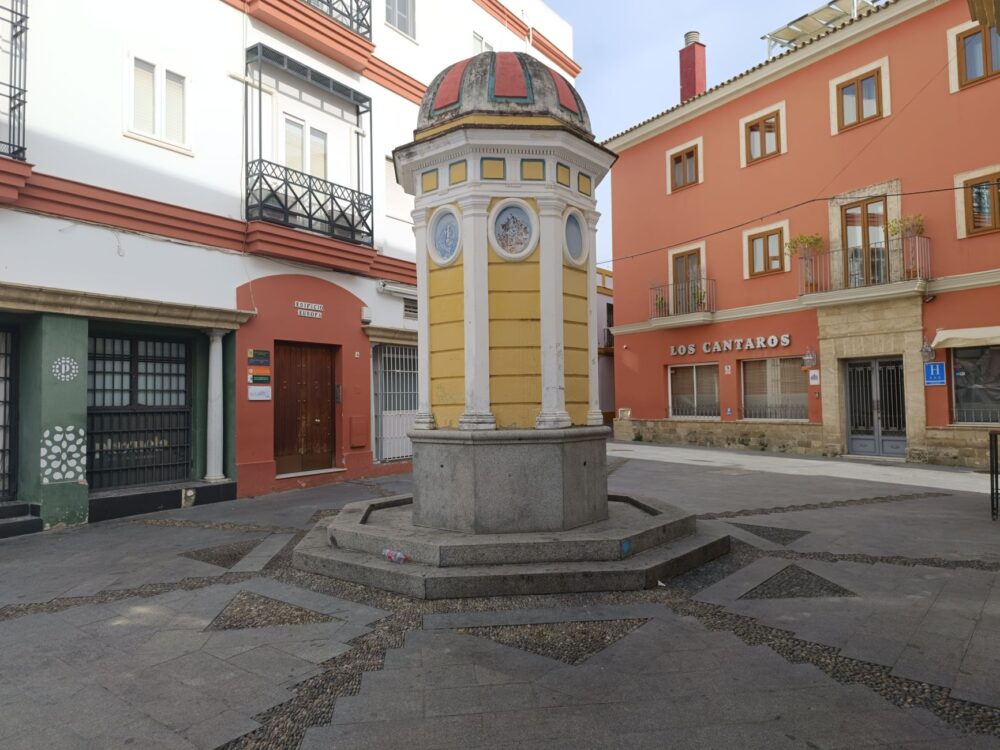
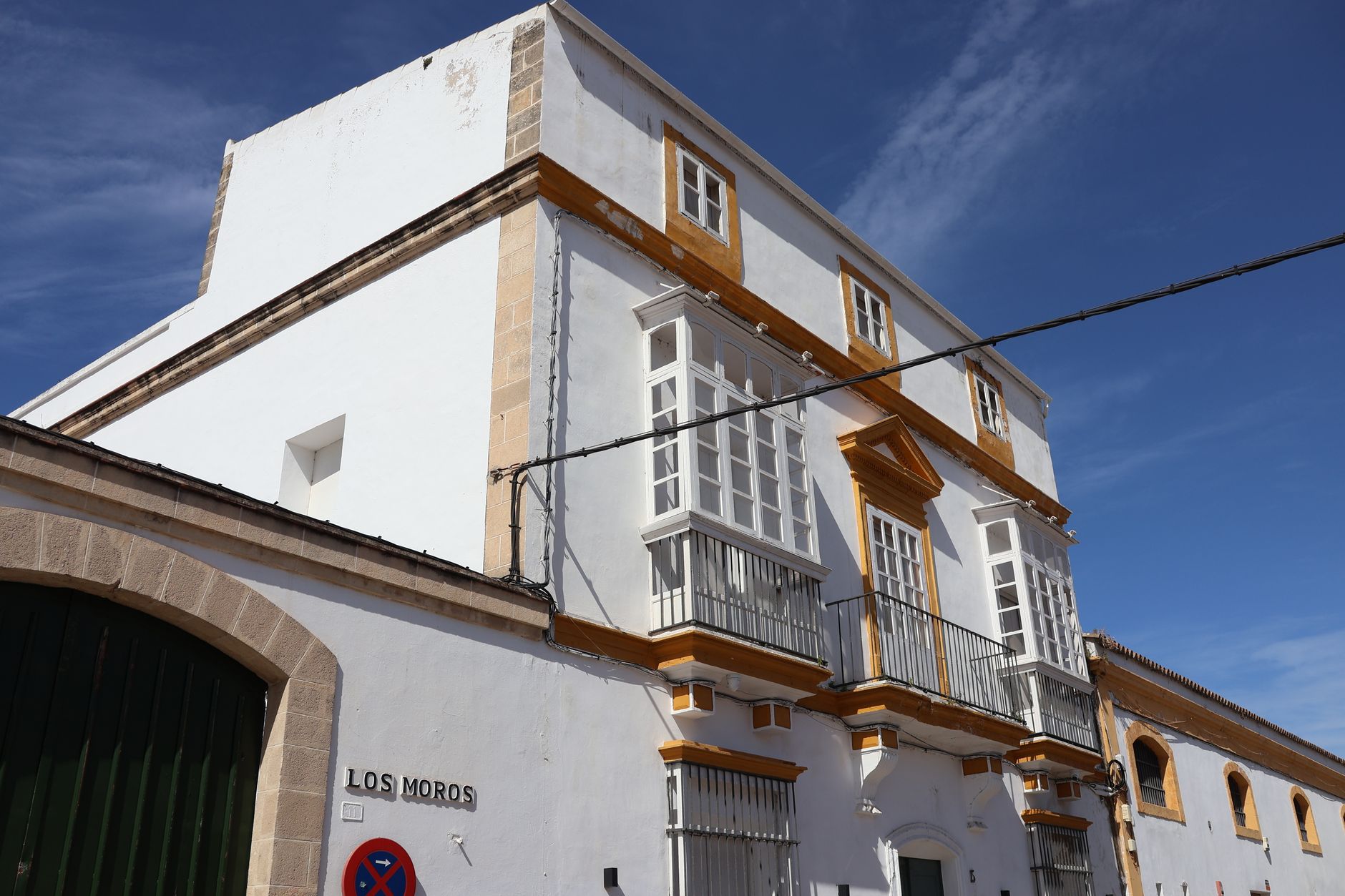
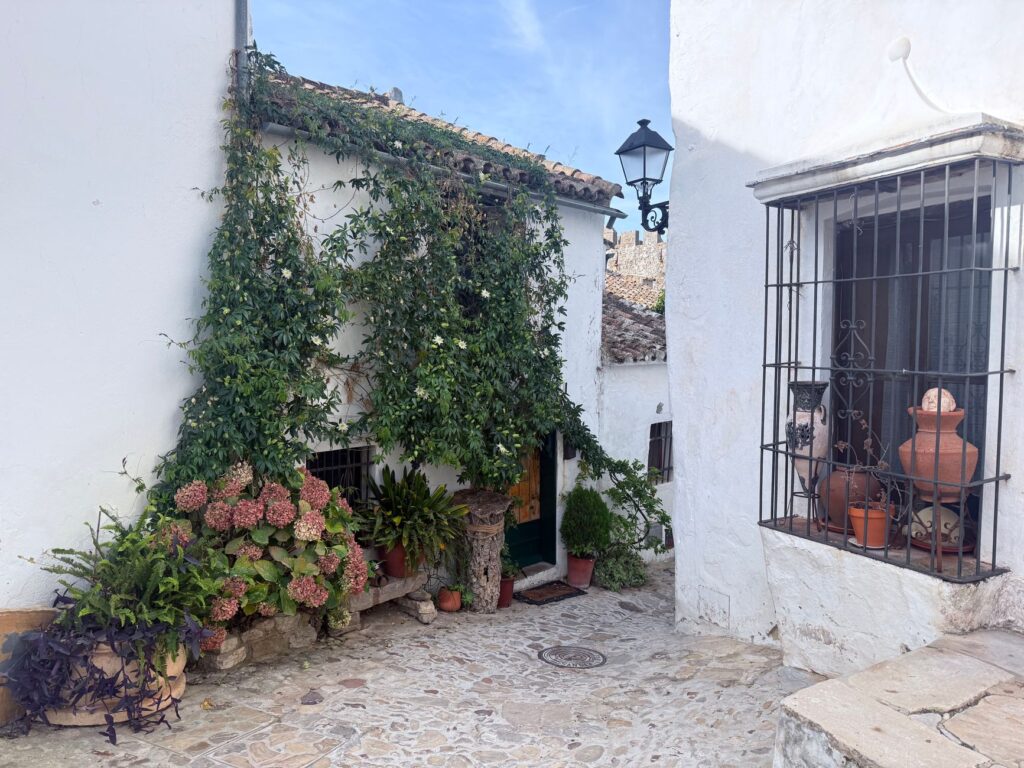
Strolling through the streets of Ubrique is akin to reading an open book of industrial architecture and working-class sociology. Unlike other factory towns where massive warehouses are relegated to impersonal peripheral industrial estates, here the workshops integrate organically into the traditional urban fabric, sharing party walls with private homes and small local businesses. Whitewashed facades, adorned with potted geraniums, conceal interior porticoed courtyards where the hum of flat sewing machines and the tapping of hammers on marble create the daily soundtrack of the town.
This urban model has fostered a strong sense of community and guild pride that endures to this day. Monuments dedicated to the anonymous leather worker, situated in strategic public squares across the municipality, pay homage to generations of men and women who, with calloused hands and technical ingenuity, transformed a local geographic resource into a universal benchmark of quality. Municipal archives also preserve records of ancient trade unions and patents for locally designed tools, bearing witness to how popular creativity has been the true economic and cultural engine of this corner of the Andalusian cordillera.
Cultural Tourism and Collecting Dynamics
In recent years, Ubrique has undergone a gradual transformation in its relationship with visitors, transitioning from an exclusively manufacturing-driven economy toward welcoming highly specialized cultural tourism. The opening of spaces such as the Leather History Interpretation Center has demystified production processes, offering travelers a deep understanding of the complexity underlying a leather article. Design enthusiasts and collectors of unique pieces travel to the town not only to acquire impeccably crafted accessories, but to grasp the anthropological value of a know-how that survives the onslaught of standardized globalization.
This influx of conscious visitors has generated a network of positive synergies with local hospitality and nature tourism within the natural park’s surroundings, demonstrating that industrial heritage culture can serve as a vector for sustainable development. Guided tours through the old leatherworker neighborhoods allow visitors to discover the corners where the silent leather revolution was forged, establishing an enriching dialogue between the curious traveler and the local artisan who continues to work behind the storefront window, ready to share the secrets of their vocation with anyone who stops to observe with respect and attention.
Practical guide
How to get there: Ubrique is located in southern Spain, in the province of Cádiz. The main access is by road via the A-373 highway from Villamartín or the A-374 from Ronda. The nearest international airports are Jerez de la Frontera (approximately 85 kilometers away) and Málaga (approximately 115 kilometers away), from where renting a vehicle is strongly recommended to navigate the rugged and scenic geography of the sierra.
When to go: Spring and autumn are the ideal seasons to visit the region, as mild temperatures comfortably accommodate both urban workshop tours and hiking excursions through the Sierra de Grazalema Natural Park. During summer months, daytime temperatures can become notably high.
Recommended accommodations: The municipality and its surroundings offer a curated selection of rural tourism lodgings, charming small hotels integrated into historic manor houses, and rehabilitated tourist apartments retaining traditional architectural elements such as wooden beams and interior courtyards.
Local gastronomy: Mountain cuisine is deeply tied to the natural environment. Highlights include specialties such as *sopa campero* (rustic hunter’s soup), game meats, artisanal cured meats, and cheeses crafted from Payoya goat’s milk, internationally recognized for their exceptional quality and unmistakable flavor.
Shopping and workshops: It is recommended to visit the Leather History Interpretation Center before exploring local workshops and stores. When purchasing leather goods, always look for the artisanal guarantee seal and converse directly with the creators to understand the hours of manual labor encapsulated in each design.
Epilogue: The Legacy That Endures in the Hands
When the sun dips behind the limestone peaks of the Sierra de Grazalema and the lights in Ubrique’s workshops begin to switch off one by one, there remains a lingering certainty that this Andalusian enclave safeguards something far more valuable than mere commercial activity. Leathercraft here is not simply the manipulation of a noble raw material; it is a language of cultural resistance, a living testimony that patience, aesthetic rigor, and the oral transmission of trades remain entirely possible in the twenty-first century. Every bag, every wallet, and every meticulously executed stitch represents the victory of creative slowness over the dizzying obsolescence of the modern world.
Watching a master leatherworker trace a finger along the polished edge of a finished piece is to witness the culmination of a cycle where natural skin and human intelligence merge in perfect harmony. Ubrique teaches us that the grand works of material culture do not always rise in massive metropolises, but often flourish in the most unexpected corners of geography, sustained by the tenacious effort of men and women who have turned their own hands into the most faithful archive of our collective memory.