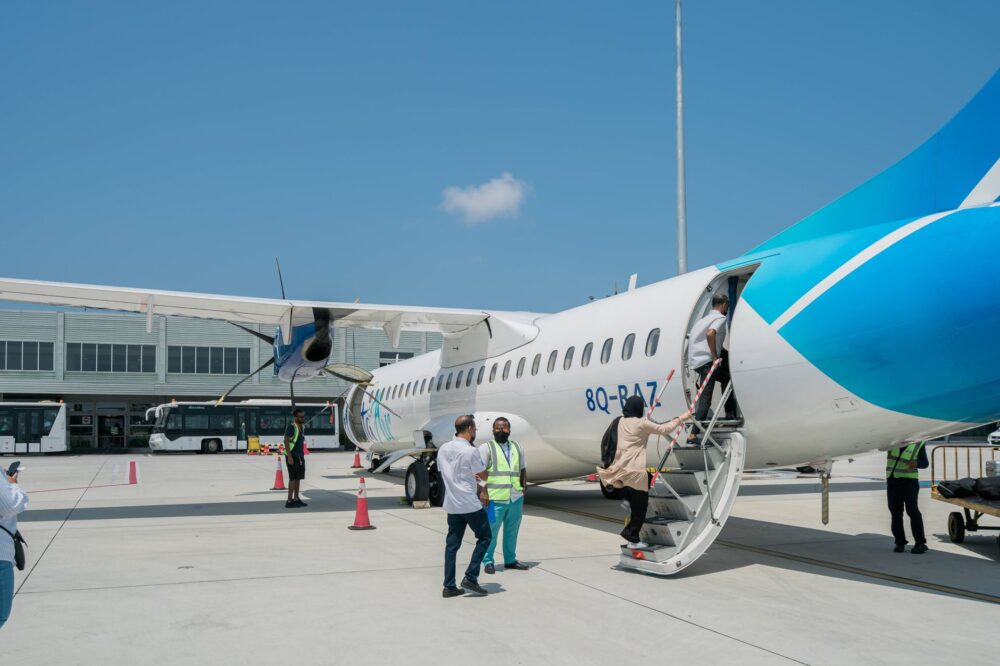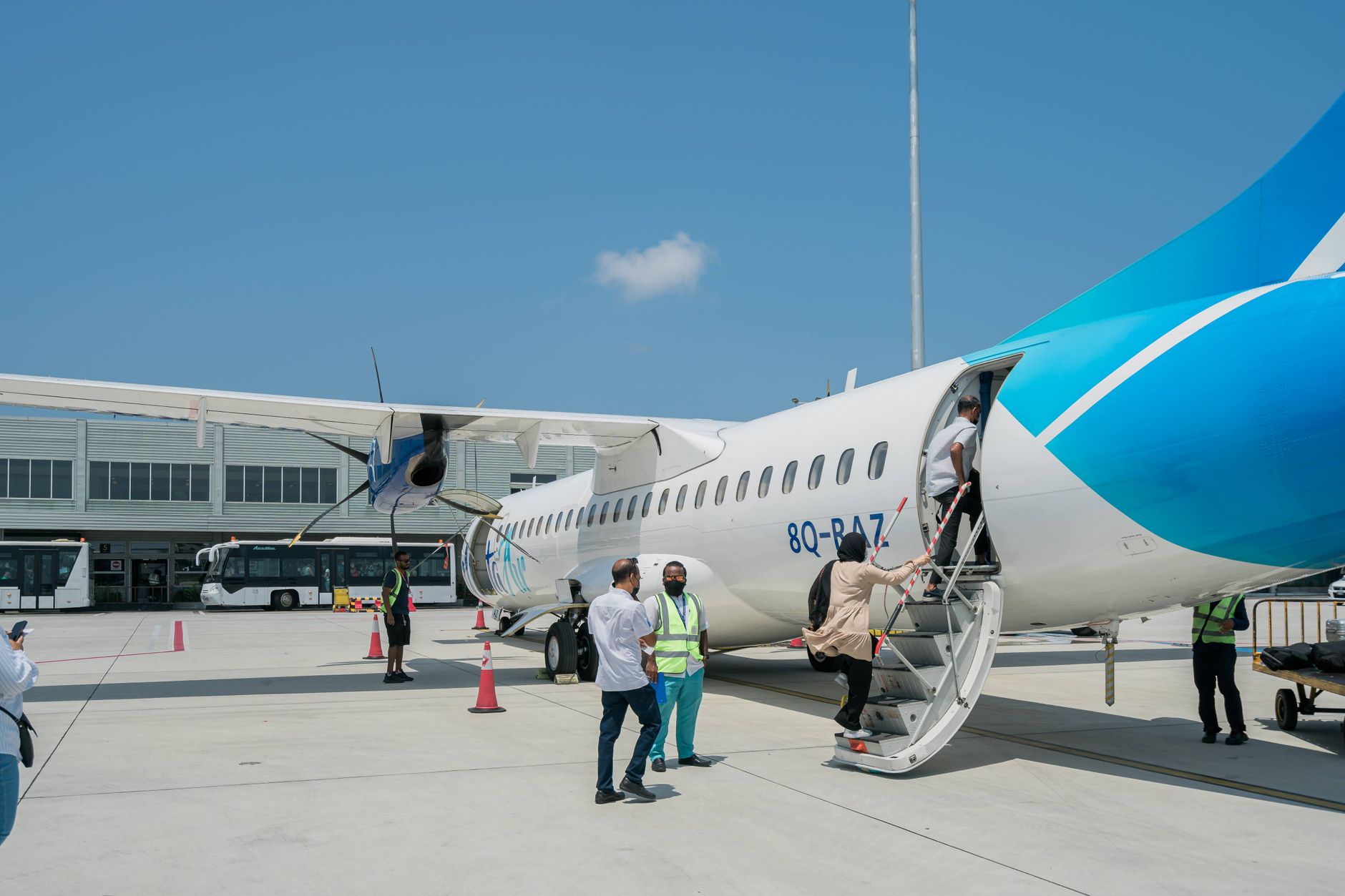

The inauguration of a new international air route always transcends mere logistical relocation; it represents the crystallization of diplomatic agreements, economic demand studies, and the boldness of airlines willing to challenge traditional connectivity maps. When passengers board the new SCAT Airlines service uniting Singapore and Shymkent, with a technical and commercial stopover in Sanya, they are not simply experiencing a long-haul flight; they are witnessing the consolidation of an unprecedented air corridor linking Southeast Asia’s vibrant financial hub with the vast, ancient territories of Central Asia using a modern fleet of Boeing 737 MAX 8 aircraft.
This strategic move places Kazakhstan at the center of a geopolitical and touristic chessboard where aviation acts as the primary catalyst for regional development. The choice of Shymkent as the final destination is no coincidence: as one of the country’s oldest cities and a major commercial and industrial node along the historic Silk Road, the urban center is preparing to absorb an unprecedented influx of travelers, investors, and tourists eager to discover the lesser-explored wonders of the Eurasian steppe.
The Strategic Role of Sanya as a Bridge in the South China Sea
Any long-haul route defying conventions requires intermediate stopover points that not only serve for technical aircraft refueling but also act as dynamic commercial nodes. On this itinerary operated by SCAT Airlines, the coastal city of Sanya, located in China’s island province of Hainan, plays a fundamental role. Popularly known as the ‘Hawaii of China’, Sanya brings an unsuspected touristic and connectivity dimension to the journey, allowing the consolidation of passenger flows originating from multiple points across the giant nation and the Malay archipelago.
The stopover in Sanya optimizes the operations of the Boeing 737 MAX 8, a single-aisle aircraft model that has demonstrated remarkable efficiency on medium- and long-density routes, reducing per-seat carbon emissions and enabling regional airlines to offer competitive fares. This intermediate stop transforms the journey into a hybrid experience, where passengers experience in a matter of hours the climatic and cultural transition between the humid tropics of the South China Sea and the continental plateaus of the Asian interior.
Fleet and In-Flight Experience Aboard the Boeing 737 MAX 8
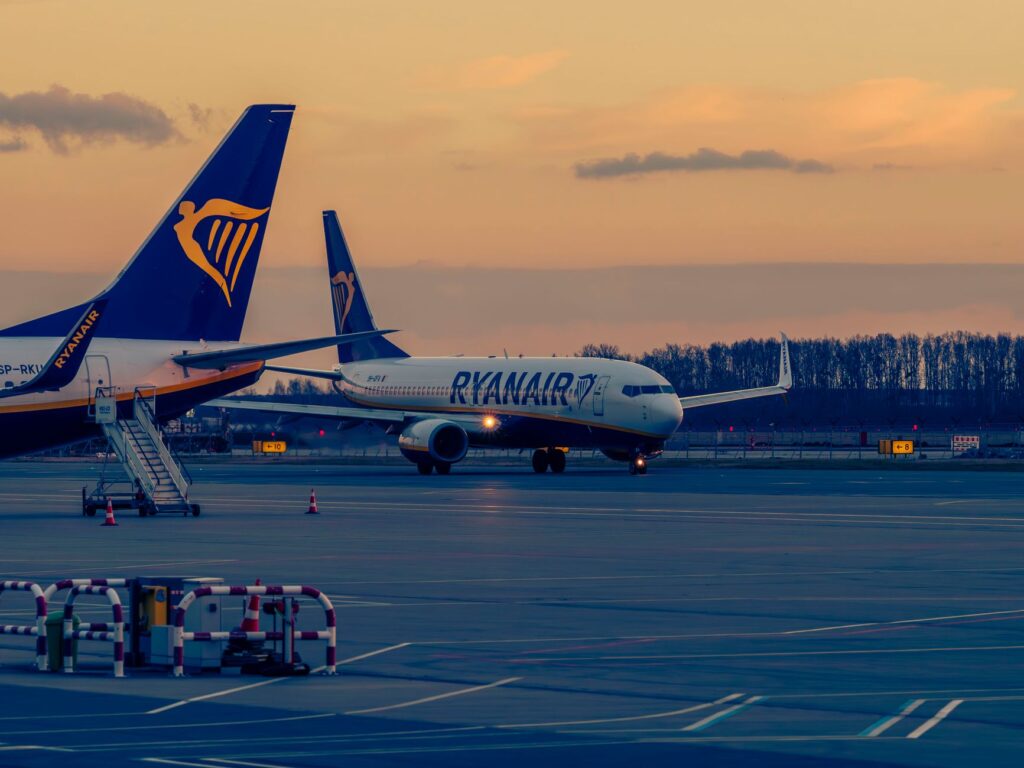
The deployment of the Boeing 737 MAX 8 on a route exceeding six hours of net flight time underscores SCAT Airlines’ confidence in the ergonomics and range of this model. With a cabin configuration designed to maximize comfort on extended journeys, passengers benefit from modern pressurization systems and reduced ambient noise—critical elements to mitigate fatigue on trans-regional flights.
Unlike the twin-aisle giants dominating traditional intercontinental routes, the use of single-aisle aircraft in emerging corridors allows mid-sized airlines like SCAT to adjust flight frequencies to real demand, initially offering two weekly frequencies. This operational flexibility is vital for evaluating the profitability of unsolidified markets and adjusting capacity without compromising the financial viability of the route.
Shymkent: The Commercial Renaissance of a Millennial Node
To comprehend the magnitude of this air link, it is necessary to look beyond the runway and delve into Shymkent’s history and economy. Located in southern Kazakhstan, very close to the border with Uzbekistan, this city has served for centuries as a crossroads for caravans, merchants, and diplomats. Today, Shymkent positions itself as the country’s third most populous city and its primary manufacturing and agricultural engine.
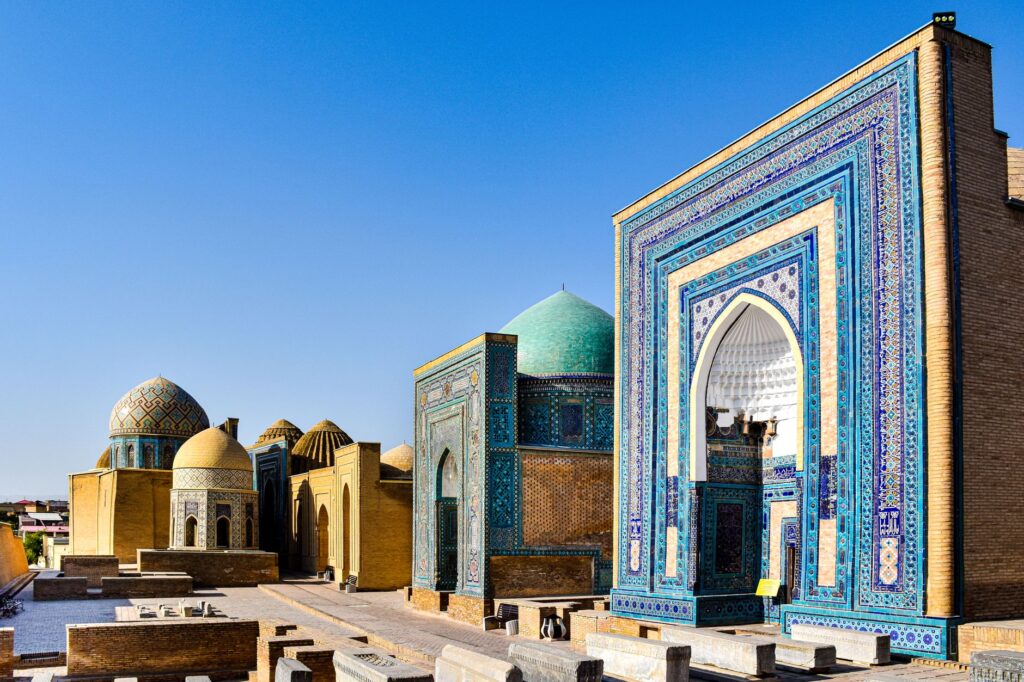
The arrival of direct flights from a global hub like Singapore opens an unprecedented window for the Kazakh industrial sector, facilitating the arrival of foreign capital, agricultural technology experts, and corporate executives. Furthermore, Shymkent’s proximity to top-tier historical landmarks, such as the medieval city of Turkestan—famous for the imposing mausoleum of Khoja Ahmed Yasawi, a UNESCO World Heritage site—tempers the region’s strictly industrial character and projects it as a premier cultural destination.
Impact on Bilateral Tourism and Regional Mobility
The opening of direct or single-stop air routes typically triggers a multiplier effect in the tourism sector. Historically, Southeast Asian citizens wishing to visit Central Asia faced complex itineraries with multiple stopovers in the Middle East or Eastern Europe, unnecessarily increasing travel costs and duration. Similarly, Kazakh travelers encountered logistical barriers when exploring the tropical paradises of Singapore and southern China.
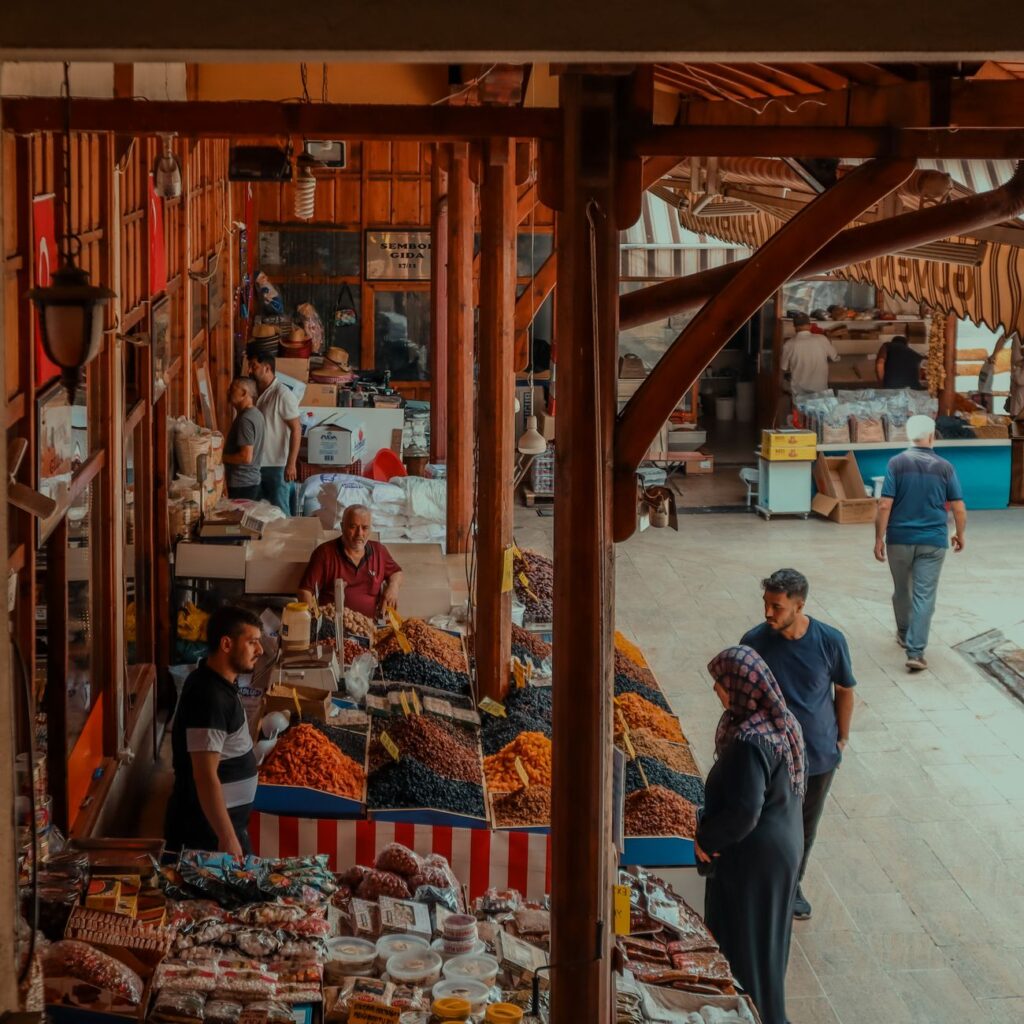
With this new service, geographical and psychological barriers begin to dissolve. Tour operators from both regions are already designing combined vacation packages that allow travelers to enjoy Singapore’s avant-garde modernity and, in less than a day, immerse themselves in the vast immensity of the Kazakh steppes, taste nomadic gastronomy, and tour the traditional bazaars of deep Central Asia.
Operational and Regulatory Challenges in Eurasian Aviation
Despite the enthusiasm generated by the announcement, consolidating routes that cross multiple air jurisdictions is not without operational complexities. Airlines must navigate a complex labyrinth of traffic rights, overflight authorizations, international safety regulations, and bilateral civil aviation agreements that can shift rapidly depending on the geopolitical context.
blockquote>Commercial aviation in the Eurasian corridor not only responds to economic profitability criteria but also acts as the most reliable connective tissue in a constantly mutating international environment, where each new route redraws the map of global influence.
Moreover, managing connections through Chinese airports like Sanya involves complying with strict sanitary, immigration, and transit protocols that vary periodically. SCAT Airlines has demonstrated remarkable resilience and regulatory adaptability, positioning itself as the flag bearer of Kazakhstan’s international connectivity against much larger aviation giants.
Economic Prospects for Bilateral Trade and Business
Beyond leisure tourism, the true barometer of this route’s success will be its capacity to boost trade exchange between the Association of Southeast Asian Nations (ASEAN) and the Eurasian Economic Union. Singapore stands out as a global financial center and top-tier logistics port, while Kazakhstan provides critical raw materials, high-quality agricultural products, and an expanding domestic market.
The drastic reduction in transit times for high-value cargo and commercial documents enables companies to establish more agile supply chains. Executives who previously had to invest more than twenty-four hours in indirect connections can now plan short-term business trips, fostering closer relations and more dynamic trade agreements between both latitudes.
Practical guide
How to get there: SCAT Airlines operates two weekly frequencies connecting Singapore and Shymkent with a technical and commercial stopover in Sanya, utilizing Boeing 737 MAX 8 aircraft.

Entry requirements: Verify current visa requirements for citizens of Singapore, China, and Kazakhstan, as well as applicable transit regulations at Sanya airport for connecting passengers.
Best time to visit: Spring (from April to June) and autumn (from September to November) offer moderate temperatures ideal for exploring Shymkent and southern Kazakhstan without the extreme temperatures of winter or summer.
Currency and payments: The official currency of Kazakhstan is the tenge (KZT). It is recommended to carry international credit cards accepted in major cities, although cash remains useful in traditional markets.
Language: Kazakh and Russian are the official languages in Kazakhstan, while English is increasingly common in Shymkent’s tourism and corporate sector.
Final Reflections on the Future of Eurasian Skies
The establishment of SCAT Airlines’ route between Singapore and Shymkent is much more than a new commercial milestone in the air transport sector; it is tangible proof that the world continues to seek new ways to shorten distances and intertwine diverse cultures. As aircraft cross the skies flying over snow-capped peaks and tropical seas, passengers carry with them the promise of a deeper mutual understanding.
blockquote>In every takeoff toward the unknown lies the ultimate proof of human curiosity, reminding us that no horizon is too distant when the will to connect overcomes any geographical or cultural boundary.
For travelers and analysts monitoring the evolution of global air transport, this pioneering link demonstrates that the periphery and the center no longer exist in absolute terms; there are only new routes to trace and territories ready to be rediscovered through an airplane window.
Source: Nomad Lawyer