
The Evolution of a Bestseller Under Scrutiny
Few travel accessories have polarized frequent flyers quite as much as the original Weekender bag from Béis. Conceived by actress and entrepreneur Shay Mitchell, the model captured Instagram attention thanks to its signature bottom compartment for shoes and a clean aesthetic that won over airport style enthusiasts. However, the realities of the road quickly exposed its vulnerabilities: empty, it already weighed a considerable amount; the shoe compartment zipper tended to jam under pressure; and when packed to maximum capacity, the overall balance of the bag faltered. Rather than ignoring customer feedback, the design team undertook a thorough structural overhaul to correct these flaws without losing the visual identity that propelled it to success.
To determine whether these modifications represent genuine functional improvements or merely cosmetic marketing updates, we subjected the updated version to a rigorous mobility test during a three-day overland trip. The objective was to examine the fabric’s performance, the ergonomics of the handles under real loads, and the effectiveness of the interior redesign across airports, service stations, and hotel rooms. Carry-on luggage has become a battleground where every gram counts and where durability is no longer an optional extra, but an essential requirement for the contemporary traveler.
Anatomy of the Changes: What Was Structurally Modified
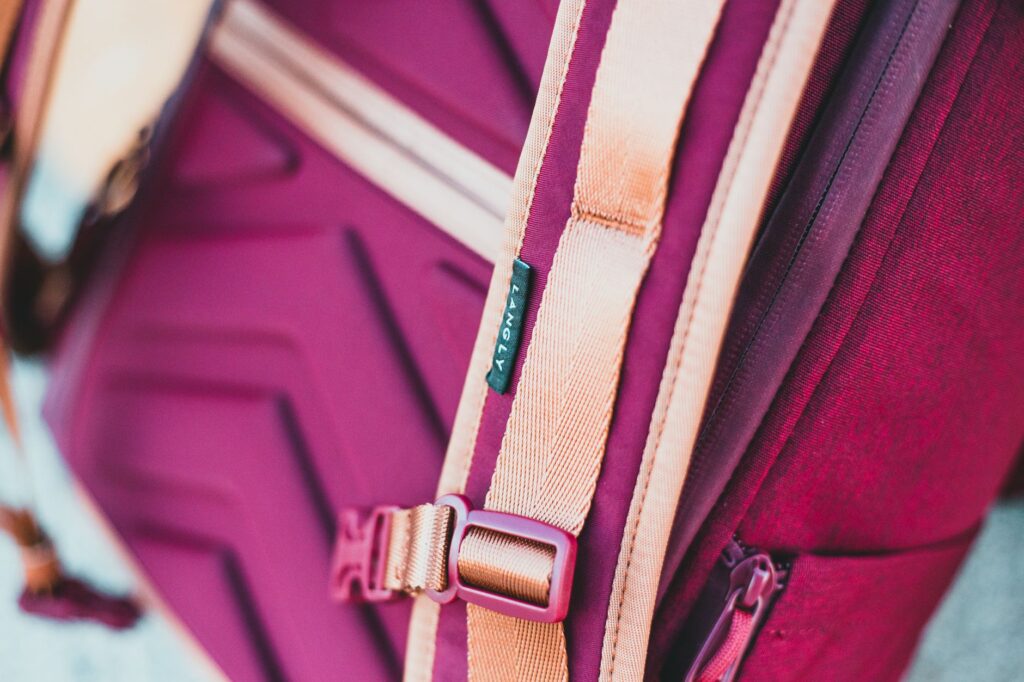
The redesign begins with the materials. The synthetic linen and polyester of the first generation have been replaced by a high-density canvas featuring an enhanced water-repellent treatment that more effectively resists abrasion and adverse weather conditions. Critical stress points, particularly the junction between the top handles and the main body of the bag, have been reinforced with industrial-strength stitching and more discreet yet robust metal rivets. This intervention aims to prevent the dreaded tearing that users experienced when loading the bag with laptops and heavy toiletry kits.
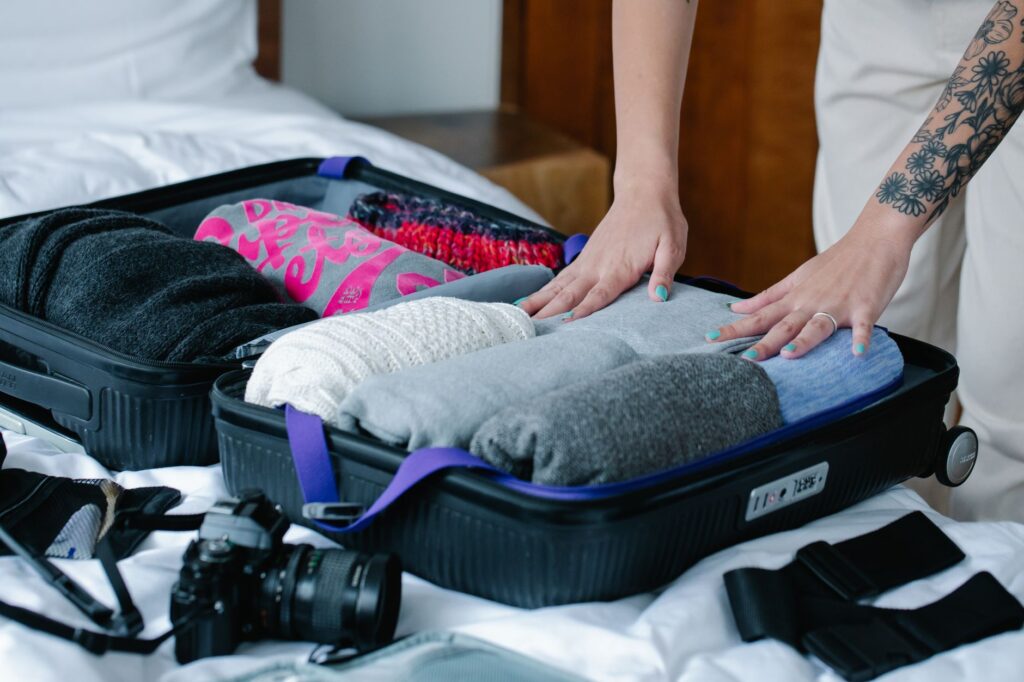
Another focal point of criticism was the rigid bottom compartment. In the previous version, this space acted almost like an independent box that reduced overall flexibility and complicated closure when the top compartment was packed to the brim. The new iteration introduces a semi-rigid structure with a lighter polymer core that reduces the empty weight of the piece by approximately three hundred grams. This may seem like a minor figure, but when budget airlines tighten weight limits for carry-on items, every saved gram prevents unnecessary gate-check fees.
The Road Test: Ergonomics and Performance Under Pressure
Our journey began at a bustling intermodal transit hub, the ideal setting to evaluate transport comfort. One of the most celebrated solutions of the Béis Weekender has always been the rear trolley sleeve that allows the bag to slide over the telescopic handle of a rolling suitcase. In this new edition, the sleeve features a magnetic bottom pocket that can be unzipped to convert into an additional pocket or zipped closed to maintain a firm grip. Throughout navigation through crowded platforms and concourses, the bag demonstrated remarkable stability, avoiding the annoying side-to-side sway that characterized its predecessor.

The true value of a travel accessory does not lie in its studio appearance, but in how it withstands the indifferent handling of baggage staff and the rush of security checkpoints.
When the test shifted to a car trunk and the backseat of a regional bus, the performance of the exterior fabric met expectations. Mud splatters and road dust accumulated during stops were easily wiped away with a damp cloth, leaving no marks on the canvas. The main zipper, which in the original design suffered frequent jams when rounding the upper corners, now features a smoother track with polished metal teeth and oversized sliders that facilitate opening even with one hand.
Interior Organization and Space Optimization
The interior of the main compartment reveals the bulk of the functional improvements. Mesh pockets have been redesigned, and a dedicated padded sleeve for electronic devices has been added, accommodating laptops up to fifteen inches, safely separated from the rest of the cargo to prevent accidental impacts. The total capacity of the bag remains around forty-five liters, a generous volume that demands disciplined packing to avoid exceeding dimensions allowed as personal items on most international airlines.
The bottom compartment, originally intended for footwear, proved versatile beyond shoes. During our test, this space successfully accommodated a medium-sized rigid toiletry bag, charging cables, and dirty laundry separated from clean clothes. Physical separation via an interior zippered canvas flap prevents odor and moisture transfer, a crucial detail for short trips where an extra suitcase is left behind. However, it is worth noting that filling this lower compartment with bulky footwear, such as hiking boots, automatically restricts available space at the base of the upper compartment.

Frequent Flyer Perspectives and Market Verdict
To contextualize the magnitude of these improvements, it is essential to listen to those who have spent years using this type of accessory for continuous business travel. Traveler forums and lifestyle communities point out that Béis has successfully heeded constructive criticism without abandoning its visual identity. Nonetheless, some advanced users note that despite the weight reduction, the bag remains heavy compared to technical ballistic nylon backpacks—a trade-off accepted by those who prioritize elegance and rigid structure over utilitarian minimalism.
The line separating a fashion accessory from a durable travel tool is narrow; surviving manufacturers are those who understand that aesthetics must always be subordinate to mechanical strength.
The price of the updated version remains in the mid-to-high tier of the designer luggage market, sparking legitimate debate over whether the investment is justified against alternatives from traditional luggage brands. The answer depends entirely on the user profile: those who value the versatility of moving straight from a business meeting to a weekend getaway without changing bags will find this redesign a balanced and reliable option.
Practical guide
How to maximize Weekender capacity: Use low-profile compression packing cubes in the upper compartment to make the most of the forty-five liters without straining the side zippers.

Weight management: Place heavy items, such as chargers and laptops, in the rear padded pocket to keep the center of gravity low and prevent shoulder fatigue when carrying the crossbody strap.
Fabric maintenance: Clean the exterior canvas with warm water and mild soap using a soft-bristled brush. Avoid chemical solvents that could damage the water-repellent treatment.
Airline regulations: Although the bag is designed to fit under the front seat, on small regional aircraft it may be necessary to place it in the overhead bins. Always measure the fully packed bag before traveling.
The Emotional Factor of the Journey and the Closing of the Trip
Every test journey leaves a mark that goes beyond technical data or weight measurements. At the end of the road, when highway noise gives way to the silence of arrival and the bag rests on the bed of an unfamiliar room, small details take on a different meaning. Luggage ceases to be a mere container of belongings and becomes the silent companion of our experiences, the witness of hours spent in transit, and the physical support of our temporary independence. The redesign of the Béis Weekender proves that the brand has matured: it has listened to the voice of the road and delivered a product that, without sacrificing visual appeal, honors the fundamental commitment of any good travel object: to endure, accompany, and ease the way.
Source in EN: Condé Nast Traveler – Is the New Béis Weekender Worth the Upgrade? I Took It on the Road to Find Out (https://www.cntraveler.com/story/is-the-new-beis-weekender-worth-the-upgrade-i-took-it-on-the-road-to-find-out)