
In the deep waters of the Indonesian archipelago, where the Pacific and Indian oceans embrace with violent currents and pristine reefs, human survival and marine biodiversity have maintained a silent struggle for generations. For decades, entire fishing communities viewed sharks either as a threat to their daily catch or, worse, as a highly lucrative commodity in the international shark fin market. Yet, a new paradigm driven by conservation tourism is rewriting this economic and ecological narrative from its foundations.
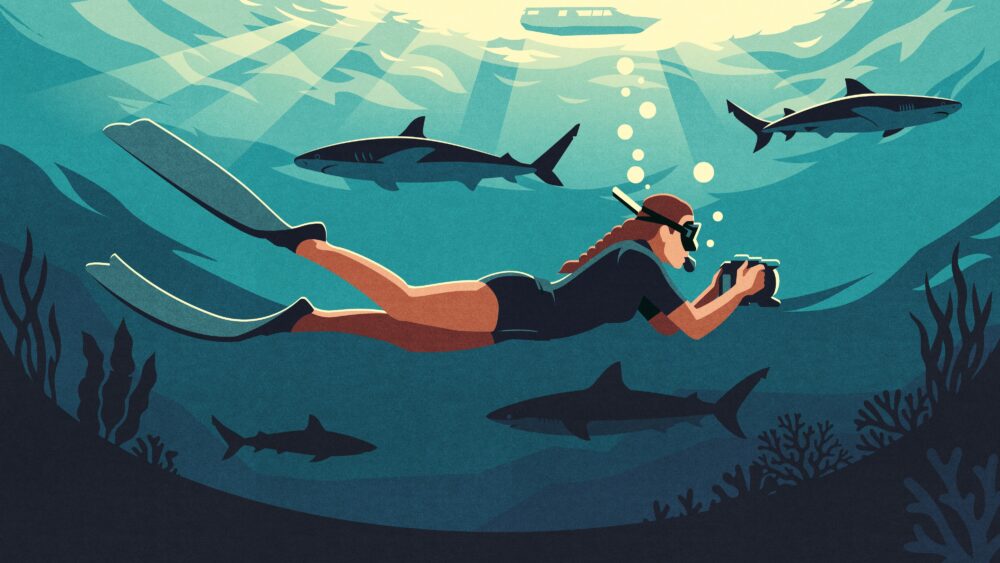
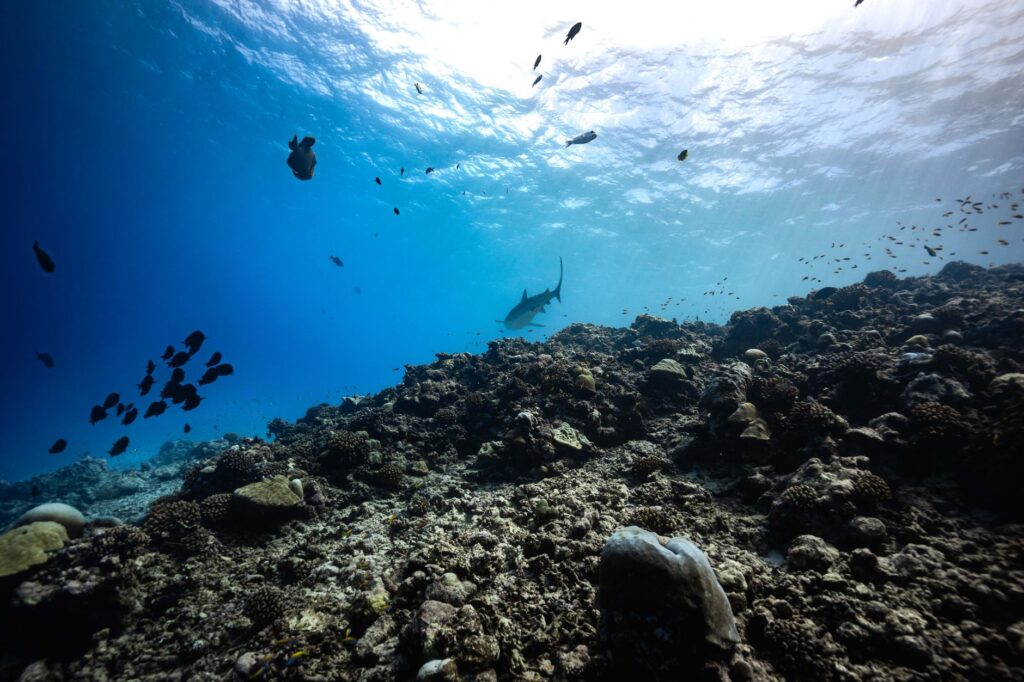
Project Hiu, founded by Australian filmmaker and activist Madison Stewart, embodies this radical metamorphosis. Far from imposing punitive bans that crush local economies, the initiative offers a viable commercial alternative: renting boats and employing the deep empirical knowledge of former poachers to guide conscious travelers on respectful diving and wildlife-watching expeditions. As the founder herself summarizes with revealing bluntness: «They are the villains in everyone’s story, but they are the heroes in ours».
The Pulse of a Wounded Sea and the Urgency of Change
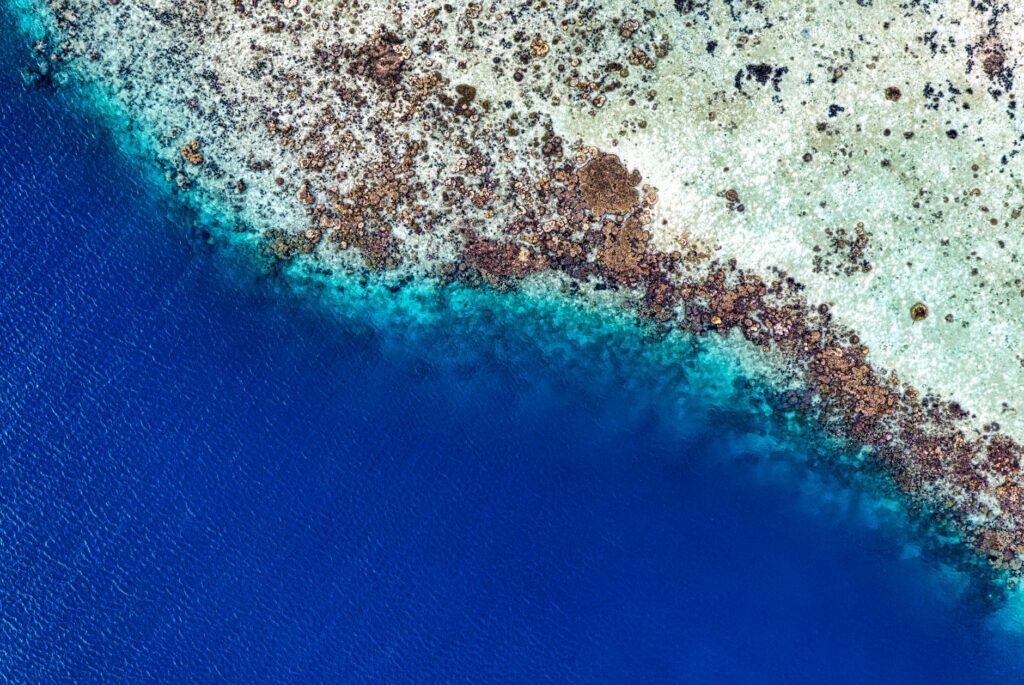
To understand the magnitude of this transformation, one must look back at the recent past of these fishing communities, where shark hunting was driven not by gratuitous cruelty, but by sheer subsistence. In islands where formal employment opportunities were virtually nonexistent, each fin represented sacks of rice, fuel for boat engines, and children’s school fees. Unregulated intensive fishing depleted populations of large marine predators at an alarming rate, altering the trophic balance of the coral reefs that shield coastal lines.
Marine biologists have long warned that the loss of sharks triggers a chain reaction that weakens the overall health of oceans. As the apex of the pyramid disappears, herbivores proliferate unchecked or, conversely, mesopredators decimate smaller fish populations. The monumental challenge was convincing fishermen that a live shark generates, over its lifetime through sustainable tourism, infinitely higher revenue than its single value on the black market.
«True conservation is not about pushing humanity away from nature, but about teaching people to collect a new kind of dividend for keeping it intact and breathing».
This mindset shift required years of patient dialogue, mutual respect, and tangible financial demonstrations. Community leaders had to witness firsthand that international travelers were willing to pay fair rates not to extract resources, but to observe them in their natural habitat under strict low-impact protocols.
The Fleet’s Conversion: From Predators to Route Skippers
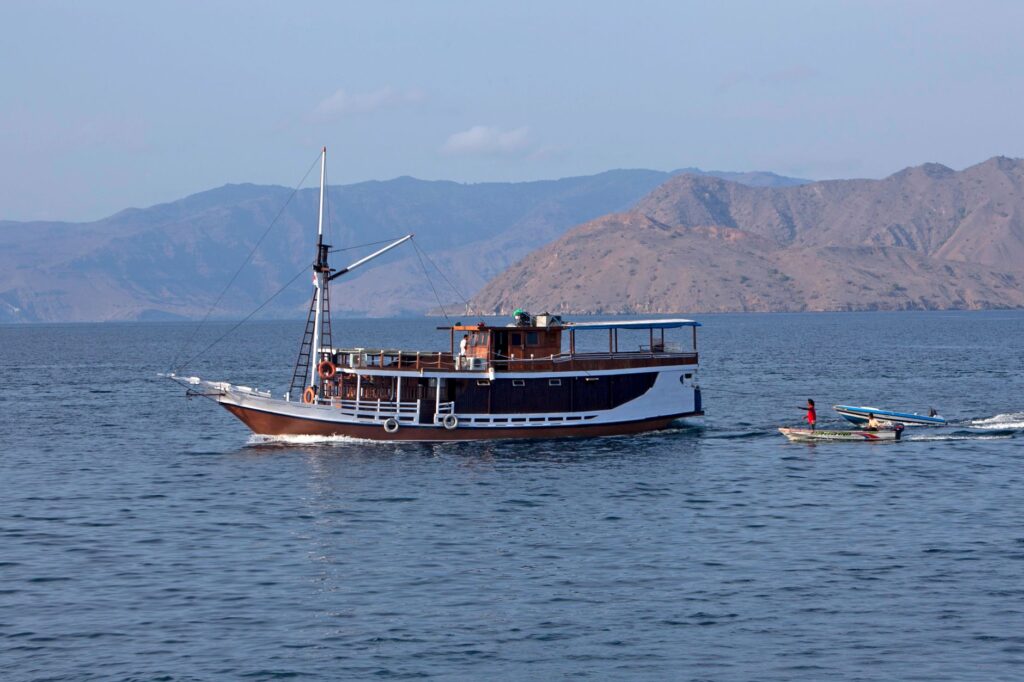
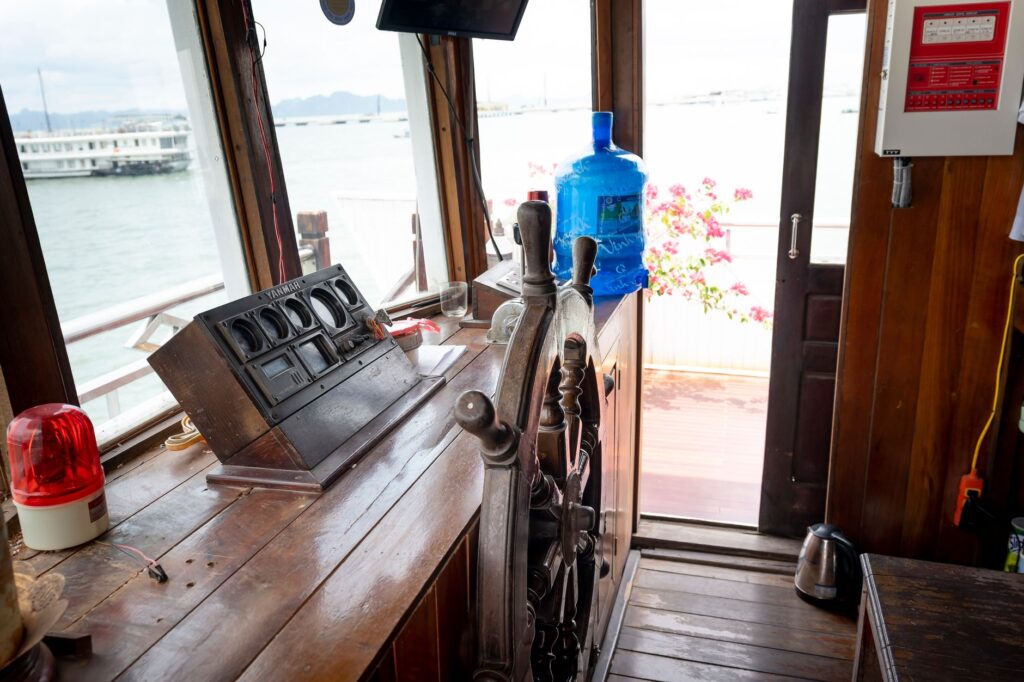
The operational core of these eco-tourism projects lies in integrating traditional boats, locally known as jukung or phinisi, into scientific and recreational expedition routes. The very men who once laid miles of longlines with hundreds of hooks now steer with millimeter precision, anchoring at the safest dive sites, reading currents, and tracking marine movements with an intuition no academic manual can replicate.
This transition was not without cultural friction. Initial tensions between Western conservationists and local fishermen dissolved when both sides realized they shared a common goal: the long-term health of the sea. Local captains began sharing their ancestral knowledge of underwater geography, while biologists introduced modern photo-identification and biological monitoring methodologies.
- Adapting traditional boats for dive equipment transport without altering their historical structure.
- Training in marine first aid, nautical safety, and international wildlife approach regulations.
- Establishing community-managed cooperatives to ensure economic benefits are distributed equitably among families.
- Setting strict codes of conduct that prohibit artificial baiting or aggressive attraction techniques.
The result of this synergy is a fleet modern in its purpose yet deeply rooted in its seafaring identity. Travelers boarding these vessels not only enjoy an immersive experience free from mass tourism, but actively participate in funding the economic transition of entire communities.
Floating Architecture and Sustainable Navigation in the Archipelago
The design of travel experiences in these regions defies the canons of conventional luxury. Here, exclusivity is measured not by the accumulation of superfluous comforts, but by remoteness from mass tourism, authenticity of human contact, and minimal ecological footprint. The vessels used operate, wherever possible, on hybrid solar energy systems and low-consumption engines, optimizing routes to reduce offshore carbon emissions.
Onshore infrastructure follows the same low-intervention philosophy. Partner accommodations are small guesthouses run by local families who use indigenous building materials, such as reclaimed teak wood and interlaced palm roofs. Water treatment and waste management have become pedagogical priorities, engaging both visitors and residents in practical circular economy workshops.
This model proves that transport and lodging can and must be part of the conservation solution. Every liter of fuel consumed and every gram of waste managed is rigorously audited to ensure tourism acts as a net regenerator of the environment rather than an added burden on fragile ecosystems.
Ancestral Knowledge and Underwater Citizen Science
One of the most fascinating aspects of these expeditions is the confluence between traditional empirical knowledge and citizen science. Former hunters possess an ocean mental map spanning decades of direct observation: they know the lunar phases when whale sharks approach the surface, identify snapper spawning channels, and distinguish tidal currents with infallible precision.
During dives, travelers are not passive spectators. Equipped with underwater cameras and slate logs, they collaborate with local guides to document individual presence by analyzing spot patterns or unique scars. This data is sent directly to international scientific databases, helping researchers map migratory routes and assess the effectiveness of newly established marine protected areas by the Indonesian government.
«When an old hunter points to an exact spot on the horizon and tells you the giants rest there, you are listening to the voice of a living archive that science would take decades to decipher on its own».
This horizontal collaboration erases the traditional hierarchy between academic experts and local residents, validating indigenous knowledge as a premier scientific tool and restoring pride to communities historically marginalized by centralized conservation policies.
Practical guide
Planning a marine conservation-focused trip to Indonesia requires meticulous preparation and a deep ethical commitment from the traveler.
- How to get there: The main entry point is typically Bali’s Ngurah Rai International Airport (DPS), from where domestic flights operate to regional airports in Lombok, Labuan Bajo, or Sulawesi, depending on the specific project route.
- Best time to visit: The dry season, running from April through October, offers the best underwater visibility conditions and calmer seas for navigation aboard traditional vessels.
- Entry requirements and permits: A passport valid for at least six months and a tourist visa (available on arrival for most nationalities) are required. Some marine protected areas require a local conservation fee directly supporting reef maintenance.
- Physical and technical preparation: An advanced diving certification (Advanced Open Water minimum) and proven experience in moderate currents are essential due to the dynamic nature of the dive sites.
- Recommended packing: Lightweight linen or cotton clothing, certified biodegradable sunscreen that avoids coral damage, a reusable water bottle, and underwater photography gear for participating in citizen science programs.
The Blue Horizon: The Legacy of a Protected Ocean
The true triumph of initiatives like Project Hiu transcends shark sighting figures or economic revenues generated for local families. It lies in the restoration of human dignity and tangible proof that wounds inflicted on the natural world can heal if we trust those who know it best, even if they were once its primary predators.
Looking to the future from the deck of a phinisi, with the sun sinking into the Banda Sea and the dark back of a shark gliding silently beneath the keel, reminds us that peaceful coexistence between humans and wildlife is not a naive utopia, but an imperative necessity of our time. The former hunters, now guardians of the blue, have realized their destiny and the ocean’s are precisely the same: to float together or sink separately.
Source in English based on the original report published in Condé Nast Traveler: The Eco-Tourism Projects Turning Fishermen and Poachers into Environmental Guardians.