
In the heart of the Horn of Africa, where basalt plateaus plunge toward the scorching depressions of the Afar Triangle, the sound of progress is no longer the screech of old French steam locomotives, but the electric hum of one of the 21st century’s most ambitious engineering feats. The Addis Ababa–Djibouti Railway is not merely a transport line; it is a 759-kilometer umbilical cord linking landlocked Ethiopia to the strategic waters of the Gulf of Aden. Along this route, travelers and analysts alike discover a narrative of topographic triumph and geopolitical ambition that defines the new face of African development.
From the Furi-Lebu station, located on the outskirts of the Ethiopian capital at an altitude of over 2,300 meters, the descent toward the Red Sea is a choreography of technical precision. The train traverses landscapes that seem suspended in time, from the fertile fields of Oromia to the lunar deserts of the Djiboutian border. This infrastructure, largely financed and built by Chinese capital, has replaced the legendary but obsolete Chemin de Fer Djibouto-Éthiopien, transforming a journey that once took three days into an efficient trip of less than twelve hours, thereby redefining the logistics of an entire region.
From Meter Gauge to International Standard
The railway history of this region began with an imperial dream in the late 19th century, when Emperor Menelik II authorized the construction of a line connecting his new capital with the French port of Djibouti. That original meter-gauge track was a feat of its time, but decades of neglect and lack of maintenance condemned it to operational irrelevance. The new era began in 2018 with the inauguration of the standard-gauge line (1,435 mm), fully electrified, representing the first cross-border railway of its kind in East Africa.
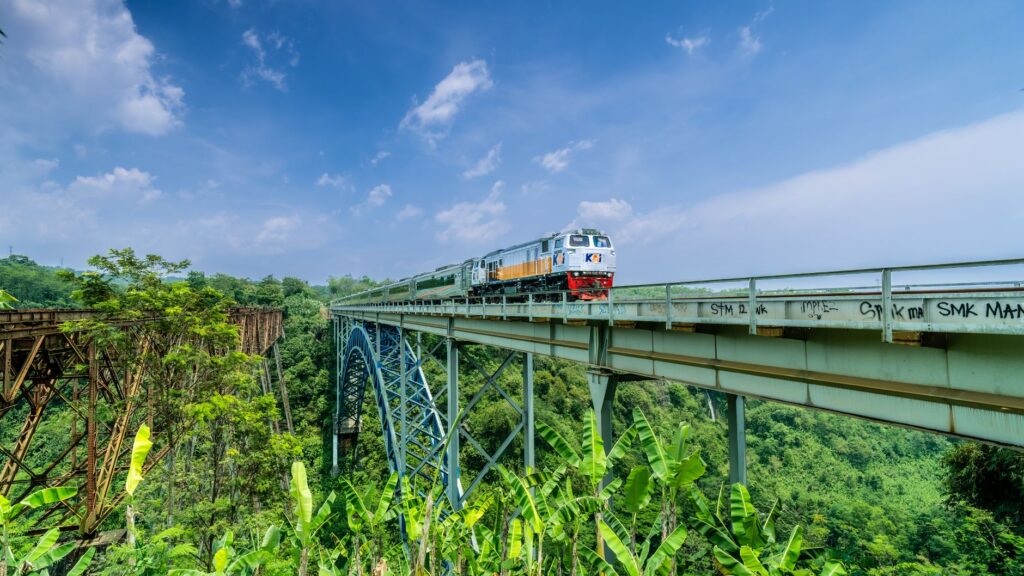
The technological transition has been radical. While the old line painstakingly snaked along slopes to avoid major civil works, the current layout utilizes monumental viaducts and deep cuts to maintain a manageable gradient for heavy freight trains. The investment, exceeding $4 billion, sought not only speed but massive cargo capacity. Ethiopia imports more than 90% of its goods through Djibouti, and this railway is responsible for transporting everything from wheat and fertilizers to heavy machinery and vehicles, easing the congestion of the hazardous highway crossing the desert.
The Topographic Challenge of the Great Rift Valley
Building an electrified railway in one of the most geologically active zones on the planet is no small task. The route must negotiate the descent from the central highlands to the floor of the Great Rift Valley, facing extreme thermal variations and unstable volcanic soils. Engineers had to design catenary systems capable of withstanding scorching winds and saline corrosion as the tracks approach the coast. Every kilometer of track is a testament to the adaptation of Chinese railway technology to African conditions.
The section descending toward the city of Adama is particularly spectacular. Here, the train glides through a series of wide curves offering panoramic views of teff fields, the staple grain of the Ethiopian diet. Safety is an absolute priority, as the tracks cross traditional grazing lands. Numerous underpasses and overpasses have been built to allow the passage of livestock and wildlife, although the coexistence between high-speed rail and rural life remains one of the most complex daily operational challenges for the operating company.

The railway is not just a work of engineering; it is the umbilical cord that allows a landlocked nation to breathe the air of global trade and project its industry into the future.
Dire Dawa: The Railway Oasis and its French Heritage
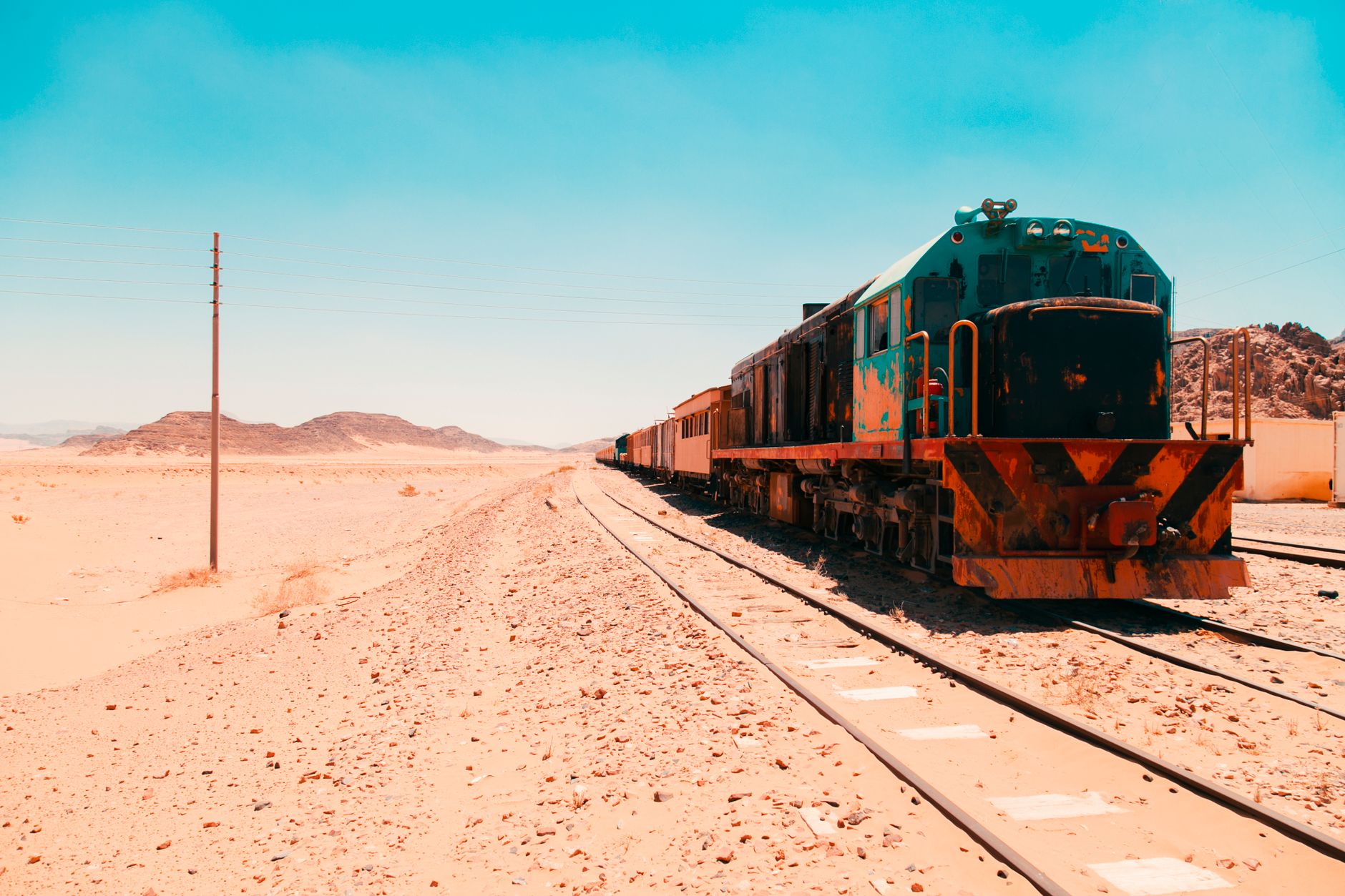
Halfway between the altitude of Addis and the humidity of Djibouti lies Dire Dawa, a city born by and for the railway. Founded in 1902 as a technical depot for the French line, Dire Dawa retains a unique atmosphere where European colonial architecture blends with the vibrant markets of eastern Ethiopia. Although the new standard-line station is located on the outskirts, the heart of the city still beats to the rhythm of the old railway workshops, where relics of steam locomotives and wooden carriages can still be seen.
Visiting Dire Dawa is to understand the human dimension of transport. In its streets, the aroma of freshly roasted coffee mingles with incense and spices. The city acts as a critical commercial node where goods coming down from the highlands meet products arriving from the port. The Ashawa Market is a hive of activity where everything from textiles to livestock is traded, reflecting the historical importance of this stop on the route to the sea. The arrival of the new train has injected new economic vitality into the area, facilitating the export of local agricultural products.
The Architecture of Connectivity: Stations and Terminals
The stations of the new line are monuments to functional modernity. From the Furi-Lebu terminal, with its design evoking the nation’s strength, to intermediate stations in cities like Modjo and Mieso, the infrastructure stands out for its scale. Modjo, in particular, has become Ethiopia’s primary dry port, a logistical hub where thousands of containers are processed before being distributed throughout the rest of the country. This efficiency in cargo handling is what truly justifies the multi-billion dollar investment in the project.
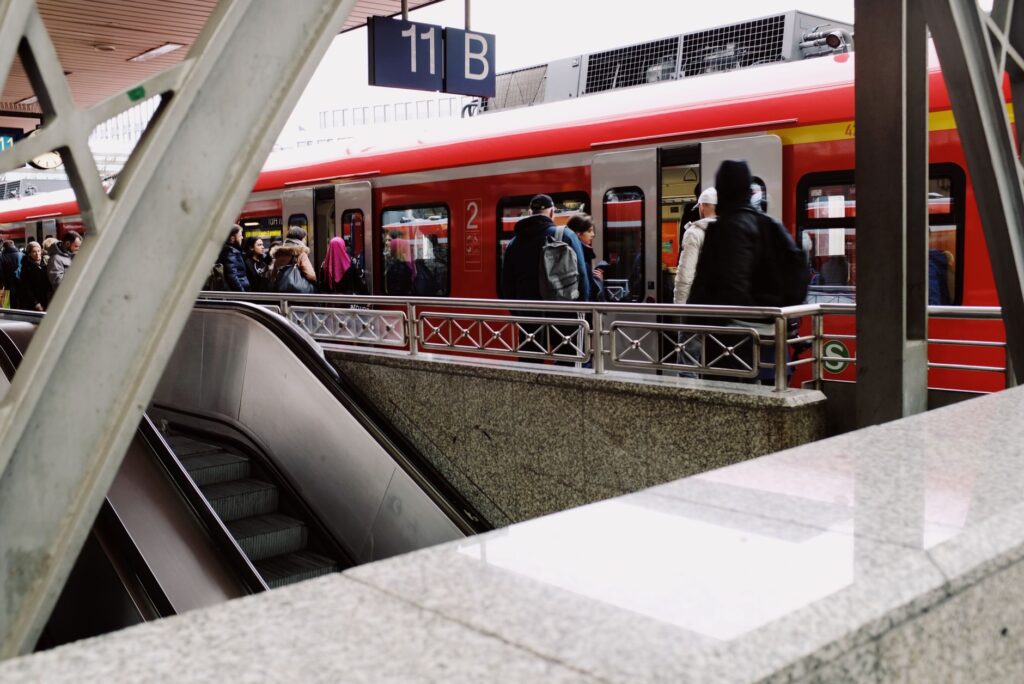
For the passenger, the experience offers unusual comfort in the region. The carriages, equipped with air conditioning and uniformed staff speaking Amharic, Somali, French, and English, provide a privileged window into the route’s ethnic and geographical diversity. It is common to see businesspeople from Addis Ababa sharing space with Djiboutian merchants and international travelers, all united by the punctuality of a service that has drastically reduced waiting times and the risks of road transport.
Doraleh Port: The Highlands’ Vital Lung
The journey culminates on the coast, but not at the old port of Djibouti City, rather at the modern Doraleh container terminal. This deep-water port is one of the most advanced in Africa and is specifically designed to integrate with the railway. Here, gantry cranes unload world-class vessels directly onto the wagons waiting on the tracks, creating a seamless supply chain connecting factories in China and Europe with Ethiopia’s consumer markets.
Djibouti, a small but strategically located country, has staked its future on becoming the region’s logistical hub. The railway is the centerpiece of this strategy. The symbiosis between the port and the train is so close that they are considered a single operating system. For Djibouti, transit fees and port services represent a fundamental part of its Gross Domestic Product, while for Ethiopia, this guaranteed access to the sea is a matter of national security and economic stability.
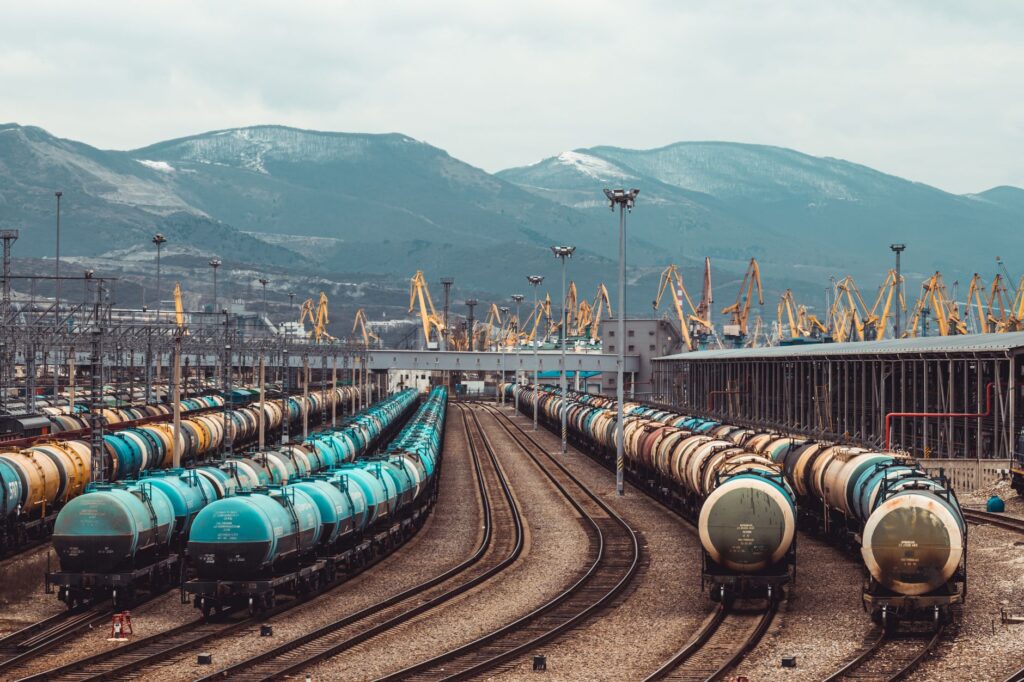
Crossing the Rift in a climate-controlled carriage is to witness how modernity merges with the most untamed geography of East Africa, uniting two worlds through steel.
Geopolitics and the Chinese Financing Model
One cannot discuss the Addis Ababa–Djibouti Railway without mentioning China’s role. The project was executed by the China Railway Group (CREC) and the China Civil Engineering Construction Corporation (CCECC), and largely financed by the Exim Bank of China. This «infrastructure-for-loans» model has been the subject of intense international debate, but on the ground, it represents the only viable option Ethiopia had to modernize its transport network on this scale.
Chinese influence is visible not only in the railway technology but also in the training of local personnel. During the initial years, Chinese drivers and technicians operated the line while training hundreds of Ethiopians and Djiboutians. Today, the transfer of knowledge has allowed much of the daily operation to be in local hands. This project is often cited as the gold standard of the Belt and Road Initiative in Africa, demonstrating how physical connectivity can catalyze industrial growth in developing nations.
Socioeconomic Impact on the Lowlands
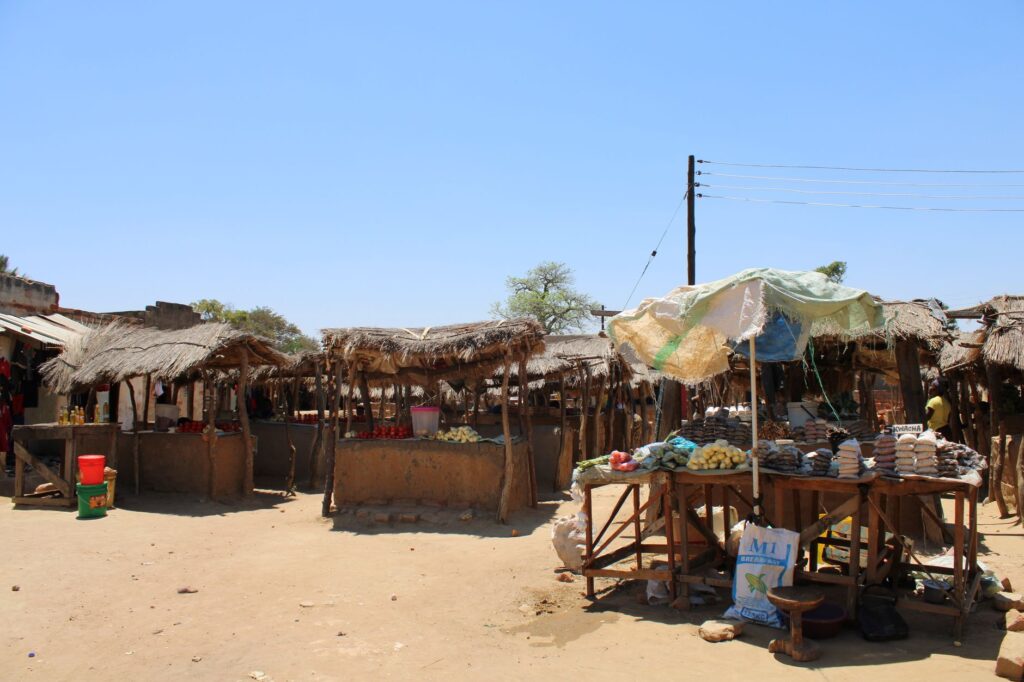
Beyond the large macroeconomic figures, the railway has transformed life in the arid lowlands. In regions where water is scarce and the climate is unforgiving, train stations have become development poles. New settlements have emerged, and small farmers now have a reliable way to send their products to urban markets. The reduction in transport costs has had a direct effect on the price of basic food items in Addis Ababa, benefiting millions of people.
However, progress also brings challenges. The displacement of traditional truck-based trade routes has forced many transporters to adapt. Furthermore, managing the external debt incurred for the railway’s construction requires sustained economic growth and impeccable fiscal management by the Ethiopian government. Despite these challenges, the general perception is that the train has restored Ethiopia’s place as a regional powerhouse, removing the geographical constraints that historically hindered its export potential.
Practical guide
- Entry Requirements: Both Ethiopia and Djibouti require visas for most nationalities. It is recommended to process the e-visa in advance. Ensure your visa allows for land entry if you plan a round trip.
- Tickets and Reservations: Passenger train tickets must be purchased at main stations (Furi-Lebu in Addis or Nagad in Djibouti). It is recommended to buy at least 24-48 hours in advance, especially for first class.
- Logistics in Addis Ababa: Furi-Lebu station is located about 45-60 minutes from the city center. Use local transport apps like Ride or Feres to arrive with enough time for security checks.
- Climate and Clothing: The journey crosses from the temperate climate of the highlands to the extreme heat of Djibouti (frequently exceeding 40°C). Wear light clothing but bring something warm for the train’s air conditioning.
- Currency: Ethiopia uses the Birr (ETB) and Djibouti uses the Djiboutian Franc (DJF). It is difficult to exchange currency between the two countries outside border areas, so it is recommended to carry US dollars or Euros for emergencies.
- Connectivity: Mobile coverage is intermittent during the desert crossing. There are power outlets in first-class carriages, but Wi-Fi is not always available.
The Echo of Rails on the Red Sea Horizon
As evening falls and the train approaches the Nagad terminal in Djibouti, the landscape turns a deep orange that highlights the silhouettes of acacias and volcanic formations. The descent is over. The air becomes thick and salty, announcing the proximity of the ocean. It is at this moment that the traveler understands the magnitude of what they have witnessed: a nation that has managed to overcome the barriers of altitude and distance to reclaim its connection with the rest of the planet.
The Addis Ababa–Djibouti Railway is more than steel and electricity; it is a statement of intent. It represents the hope of a continent seeking to integrate, trade, and prosper on its own terms, even with the support of global partners. As the lights of Djibouti City begin to glow in the distance, the train comes to a halt with a smoothness that contrasts with the harshness of the terrain crossed. The pulse of the new Silk Road continues to beat, setting the pace for an Africa that no longer waits for the future but runs toward it on iron rails.