

For decades, the youth travel sector was casually dismissed by industry analysts as a niche market characterized by tight budgets, frantic itineraries, and an insatiable appetite for nightlife. However, the recent accolades delivered at the Global Youth Travel Awards have underscored an undeniable shift: young travelers are not merely the fastest-growing demographic in global mobility, but the primary testbed for structural innovation across the entire travel ecosystem. Today, youth travel demand is moving decisively away from passive sightseeing, anchoring itself instead in verifiable sustainability, carbon reduction, and transformative community engagement.
This reorientation reflects a fundamental generational shift in how human movement across borders is perceived. Confronted with the realities of the climate crisis and systemic overtourism in major urban centers, new cohorts of travelers are demanding absolute operational transparency, ecological accountability, and social equity from providers. Traveling is no longer viewed as a mindless escape from daily obligations, but as an active expression of personal ethics, lifelong learning, and cross-cultural solidarity.
The Pulse of a Generation Seeking Connection, Not Escape
An examination of the winning initiatives at this year’s youth travel awards reveals a profound evolution in travel motivations. The superficial quest for postcard-perfect social media backdrops is losing ground to a deep-seated desire for meaningful interactions with host communities. This pivot toward authenticity has forced inbound tour operators to dismantle standardized mass itineraries in favor of slow, immersive experiences that honor the natural rhythm and daily life of local populations.
Demographic data indicates that young travelers are noticeably extending their duration of stay. By combining remote work, ethical volunteer projects, and academic exchanges, this group transitions from transient sightseers into temporary community members. Extended stays fundamentally reshape local economic dynamics, distributing financial resources directly into neighborhood markets, family-owned eateries, and independent regional supply chains.
Overcoming Geographical Haste
The geographical haste that defined early 2000s backpacking—where collecting national capitals in record time was celebrated—has given way to the philosophy of slow travel. This movement prioritizes immersive depth in a single territory over rapid-fire transit. The benefits for receiving communities are immediate: reduced pressure on municipal infrastructure, lower carbon intensity per day of stay, and far more harmonious relations between residents and long-term visitors.

Genuine Sustainability Versus Greenwashing in Youth Travel
One of the most prominent criteria highlighted by industry judges is the zero-tolerance stance of young travelers toward superficial greenwashing. Generic claims of eco-friendliness are no longer sufficient to secure brand loyalty; today’s traveler demands third-party environmental audits, clear carbon offsets, and zero-waste operational protocols.
Next-generation hostels and eco-lodges have met this challenge by completely overhauling their physical infrastructure. Solar photovoltaic integration, closed-loop greywater recycling systems, and absolute bans on single-use plastics are no longer optional marketing perks, but mandatory baseline expectations. Sustainability is woven directly into the architectural blueprints and daily supply-chain decisions of modern youth accommodation providers.
Youth travel has ceased to be a pursuit of fleeting entertainment, emerging instead as the most dynamic incubator for decarbonization and social innovation in global tourism.
Furthermore, active conservation programs led by local environmental scientists are witnessing unprecedented popularity. Experiences that allow travelers to participate directly in native reforestation, marine habitat restoration, or wildlife monitoring now consistently rank highest in customer satisfaction and booking conversions.
Decarbonizing Routes: From Short-Haul Flights to Slow Mobility and Rail Networks
Commercial aviation remains one of the largest single contributors to global tourism emissions. In response, the youth travel sector is spearheading a massive transition toward low-impact ground transport alternatives. The continental revival of night trains and the expansion of integrated cross-border cycle routes are direct responses to this evolving consumer demand.

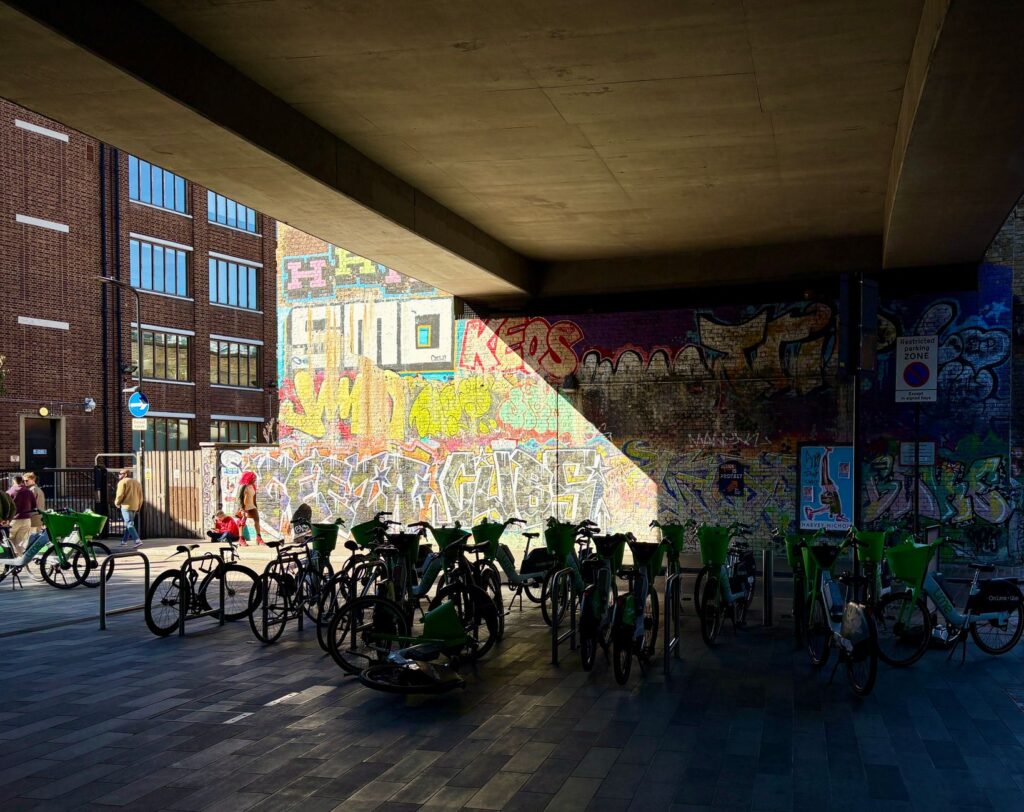
Intermodal transit platforms that seamlessly combine passenger rail, electric bus networks, and municipal bike-sharing schemes are experiencing explosive user growth. Route-planning applications now routinely prioritize estimated carbon footprints alongside travel time, empowering travelers to make conscious choices and actively choose low-carbon transit methods.
- Prioritizing high-speed rail networks over short-haul regional flights.
- Widespread adoption of electric micro-mobility for daily urban exploration.
- Promotion of long-distance hiking and cycling trails as vehicles for rural development.
- Integration of unified intermodal ticketing to simplify low-emission itineraries.
This preference for deliberate, ground-level travel restores intrinsic value to the journey itself. The distance traversed between origin and destination is once again recognized as an essential component of the travel experience, renewing a sense of discovery while eliminating the stress associated with congested airport hubs.
Community Impact: Retention of Economic Value in Local Economies
Historically, mass tourism models have suffered from severe economic leakage, where the vast majority of traveler expenditure leaves the destination to enrich multinational corporations and overseas intermediaries. The contemporary ethos of youth travel seeks to dismantle this extractive model by building resilient, circular local economies.
Industry awards have increasingly prioritized enterprises that ensure maximum economic retention within host communities. This includes guaranteeing fair living wages for local staff, sourcing food exclusively from nearby agricultural cooperatives, and partnering with regional artisan guilds for authentic, sustainable merchandise.
Community-Owned Tourism Models
Community-owned tourism enterprises in developing or vulnerable regions have proven to be exceptionally effective mechanisms for poverty reduction and cultural preservation. When residents possess direct equity in tourism assets and govern hospitality services themselves, travel becomes a powerful catalyst for community pride, self-determination, and heritage conservation.

Mental Wellbeing, Remote Work, and Extended Stays
The convergence of remote work, mental health awareness, and geographical exploration has birthed an entirely new market segment within youth travel. Escalating urban stress and academic pressures have elevated emotional well-being to a central priority for modern travelers, shifting preference away from high-intensity party destinations toward restorative, nature-centric environments.
Rural and coastal co-living hubs now combine high-speed digital infrastructure with holistic wellness programs, including mindfulness practice, organic farming, and outdoor movement. This model enables students and young professionals to maintain professional productivity while engaging in a balanced, grounded lifestyle in close proximity to natural ecosystems.
Authenticity is not a commodity to be packaged and sold; it is the natural outcome of respecting the autonomy, culture, and pace of host communities.
The environmental footprint of this extended-stay model is vastly lower than that of frequent short trips, as it dramatically reduces long-distance transit frequency while encouraging deeper, more responsible integration with local environmental conservation efforts.
Inclusion, Diversity, and Universal Accessibility as Operational Standards
The belief that global mobility is a universal right rather than a privilege reserved for the affluent drives the values of today’s youth travel market. Functional diversity, gender equity, and the inclusion of historically marginalized communities have become non-negotiable criteria in sector evaluations and industry awards.
Recognized industry leaders are those actively retrofitting physical properties and digital interfaces to guarantee complete accessibility. From barrier-free hostel architecture for travelers with mobility challenges to sensory-friendly programming designed for neurodivergent individuals, progressive travel providers are establishing that genuine hospitality leaves no one behind.
Economic accessibility is equally prioritized. Through travel grants, subsidized social rates, and collaborative room-exchange networks, international exploration is increasingly opened up to demographic groups that were historically excluded from cross-border travel opportunities.
Purpose-Driven Technological Innovation: Digital Tools for Conscious Exploration
Technology within the youth travel ecosystem has shifted focus from aggressive sales conversion toward managing environmental impacts and dispersing visitor traffic. Emerging digital platforms now utilize real-time spatial data to alert travelers to overcrowding at famous landmarks, offering curated recommendations for alternative cultural sites off the beaten track.
Simultaneously, artificial intelligence tools are being deployed to calculate the precise ecological footprint of individual travel choices, providing actionable suggestions for emission reduction. In this way, technology serves as an enabler of personal responsibility, making sustainable choices intuitive and seamless for every traveler.
Transparency Through Distributed Ledger Systems
The integration of transparent tracking technology allows travelers to verify the exact ethical standing of their chosen service providers. Consumers can audit how municipal tourism fees are allocated toward local conservation projects or confirm that fair-wage standards are strictly maintained across the operational supply chain.

The Testing Ground for the Global Future of Travel
The operational standards, ethical values, and low-carbon preferences established by youth travel today will become the baseline expectations for the entire global travel industry over the coming decade. Major hotel conglomerates, commercial airlines, and national tourism boards are closely monitoring these trends to prepare for a marketplace that demands ethical rigor and environmental integrity.
The leadership displayed by young travelers demonstrates that a regenerative travel model is not merely a theoretical ideal, but an economically viable and ecologically essential reality. By discarding the outdated paradigms of unbridled consumption, this generation is laying the groundwork for an era where travel once again becomes an act of deep understanding, mutual respect, and planetary stewardship.
Practical guide
How to Plan a Responsible, Low-Impact Journey
For travelers seeking to align their journeys with the highest ethical and environmental standards recognized across the industry, adopting structured planning habits before departure is essential.
- Low-Emission Transit: Prioritize interconnected rail routes and long-distance coaches over regional flights. Rely on bicycles or municipal transit for internal urban trips.
- Certified Accommodations: Select hostels or guesthouses with verified environmental credentials, transparent waste management, and renewable energy integration.
- Local Economic Support: Patronize locally owned businesses, employ licensed regional guides, and avoid global chains that siphon capital out of the community.
- Ethical Engagement: Avoid attractions that exploit captive wildlife or unverified volunteer programs that disrupt local economic and social structures.
- Waste Reduction: Carry reusable water containers and utensils, reject single-use plastics, and strictly adhere to leave-no-trace principles in natural habitats.
On the horizon of every journey lies the opportunity to behold the world with refreshed awareness, understanding that the Earth’s most extraordinary places require not our hurried passage, but our quiet, respectful, and protective presence.
Source: TravelMole