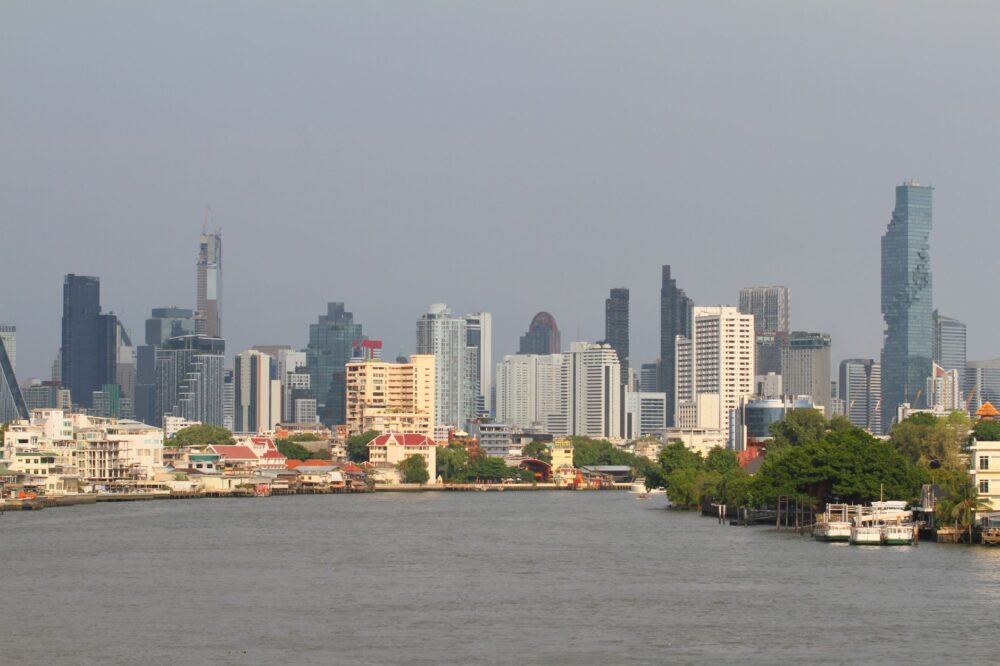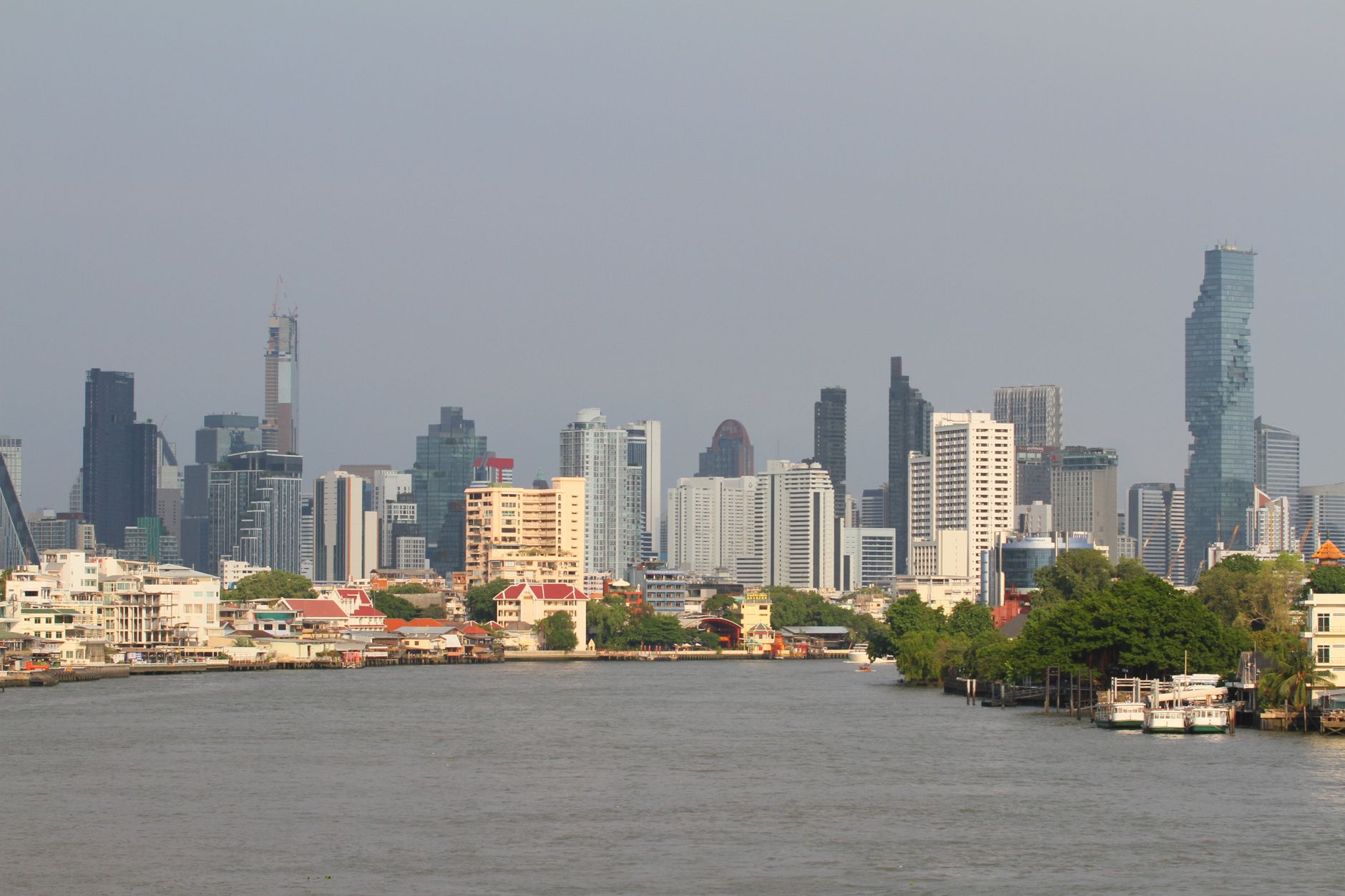

Bangkok has never ceased to seduce those seeking the exact pulse of Southeast Asia in its streets, but the way travelers experience its vast culinary heritage today has undergone a radical metamorphosis. Along the banks of the Chao Phraya River, where centuries-old temples coexist with 21st-century architecture, the Thai capital has consolidated a new point of attraction that redefines the relationship between international haute cuisine, ancient traditions, and the bustling energy of floating markets. At the center of this transformation lies ICONSIAM, a multifunctional space that has transcended its status as a shopping mall to become a living showcase of the country’s gastronomic identity.
The influx of international visitors during major global festivities, such as the recent Golden Week, has demonstrated that Bangkok continues to hold a privileged place on the routes of the world’s gastronomes. Far from being a mere transit point, the city demands a deliberate, unhurried gaze to understand how architectural modernity and ancestral culinary heritage converse without friction. This report examines the phenomenon through its protagonists, converted markets functioning as immersive experiences, and the way in which cuisine has become the primary driver of tourism loyalty in the metropolis.
The Fluvial Renaissance of the Chao Phraya
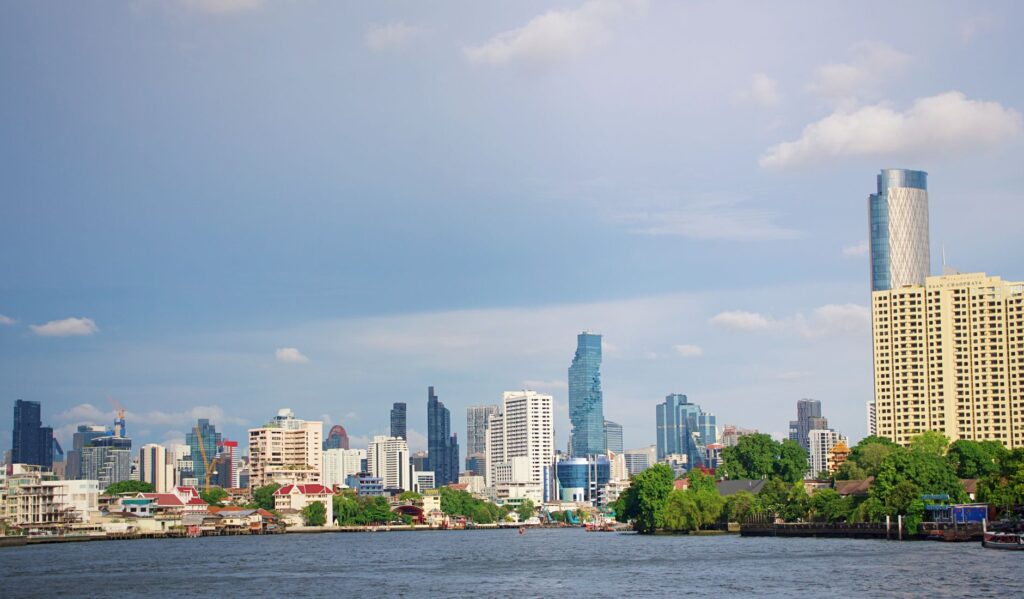
The Chao Phraya River has historically been Bangkok’s vital artery, the channel through which the spice, textile, and food trade that sustained the Kingdom of Siam flowed. Today, this riverbed witnesses an urban renaissance that has shifted the center of gravity of culinary tourism toward its docks. The western and eastern banks are no longer connected solely by wooden barges, but through modern infrastructures that facilitate a constant flow of diners eager for new sensory experiences.
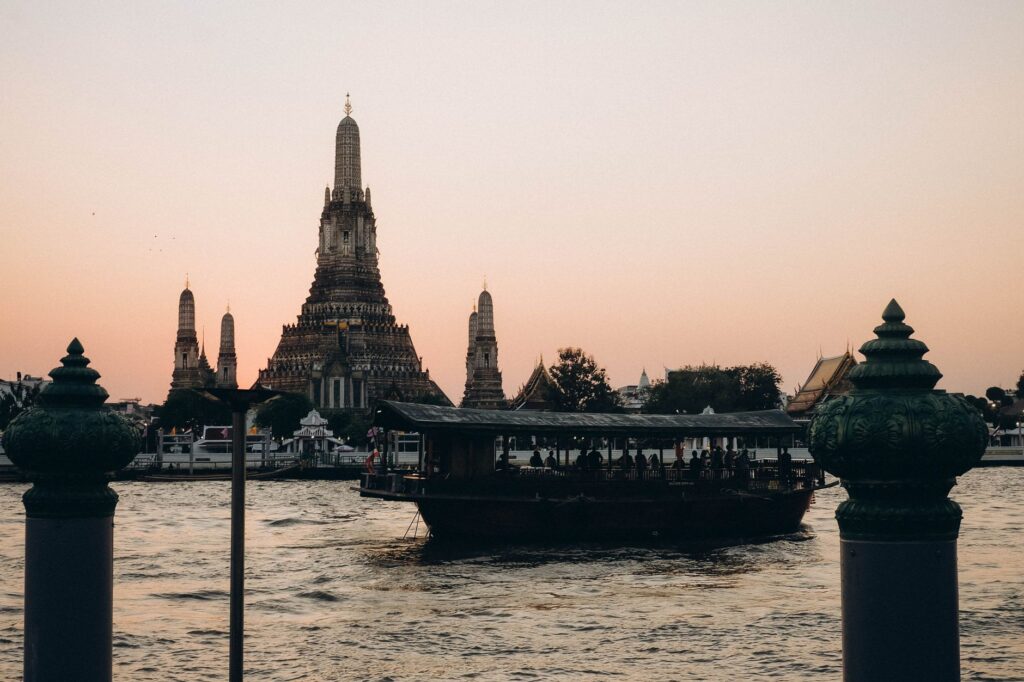
The transformation of the riverfront responds to an urban renewal strategy that seeks to integrate human scale with major architectural landmarks. Traditional passenger boats, locally known as long-tail boats, share the waters with high-speed ferries that bring visitors directly to mixed-use complexes. This connectivity has democratized access to culinary proposals that once required long hours of travel through the capital’s labyrinthine urban traffic.
For tourism industry analysts, this riverside boom is no coincidence. It represents the materialization of a development policy that values the aquatic heritage as a first-rate cultural asset. The river is no longer just a transport route, but the backdrop against which a new Thai cuisine is projected—one that respects local produce while daring to engage in dialogue with techniques from all latitudes of the planet.

Sook Siam: The Indoor Floating Market as Anthropological Archive
One of the greatest conceptual achievements in Bangkok’s recent culinary evolution materializes on the ground floor of ICONSIAM, a space baptized as Sook Siam. Far from constituting a soulless tourist theme park, this indoor market functions as a meticulous anthropological and gastronomic archive gathering the culinary traditions of Thailand’s four main regions: the North, the Northeast (Isan), the Center, and the South.
Upon crossing its thresholds, the visitor steps into a faithful recreation of traditional canals, where vendors prepare centuries-old recipes on static barges surrounded by vernacular architecture. Here, authenticity is not sacrificed for hygienic comfort; instead, direct alliances are established with small rural producers who transport their endemic ingredients daily to the capital to guarantee the fidelity of flavors.
- Northern recipes characterized by the use of wild herbs and light broths.
- Spicy and fermented curries originating from the southern provinces.
- Sticky rice preparations and marinated meats typical of the Isan plateau.
- Reinterpreted classics of central region cuisine linked to the ancient Siamese court.
This format allows the traveler to take a culinary journey across the entire country without leaving air conditioning, a decisive factor in Bangkok’s tropical climate. However, what is truly relevant is the social dimension of the space: profits and media visibility are distributed among hundreds of traditional artisans and cooks who find a global platform for economic sustenance in this showcase.
International Haute Cuisine Finds Its Reflection on the Riverbank
If Sook Siam represents the celebration of popular roots, ICONSIAM’s upper floors and panoramic terraces embody Bangkok’s cosmopolitan ambition. In recent years, the city has become a magnet for internationally acclaimed chefs and auteur proposals seeking to establish themselves in Southeast Asia. The presence of fine-dining restaurants with direct views of the Chao Phraya has raised the standards of expectation for both local and foreign markets.
The gastronomic offering of these upper levels combines western technical mastery with a reverent respect for Asian produce. Seafood from the Gulf of Thailand, premium imported meats, and organic vegetables grown in the northern highlands are treated through contemporary prisms that eschew stridency in search of subtle elegance on the plate.
Avant-garde cuisine in Bangkok no longer imitates European models; it reinterprets them through the tropical pantry, turning every menu into an exercise in culinary sovereignty.
This phenomenon has generated an ecosystem where cutting-edge haute cuisine and traditional street food stalls coexist, proving that the contemporary traveler’s palate is omnivore and seeks both the aesthetic refinement of an author-driven restaurant and the visceral honesty of a broth prepared over glowing embers.
The Impact of Global Tourism on the Local Economy
The steady flow of visitors during key holiday periods, such as Golden Week, exerts a direct impact on Bangkok’s service economy. Large commercial and gastronomic complexes act as thermometers of the tourism sector’s financial health, mobilizing not only travelers from China and the rest of Asia but also a growing number of Western tourists who prioritize wine and food tourism experiences.
This dynamism forces local operators to maintain high standards of quality and sustainability. Ingredient traceability, organic waste management, and the hiring of local staff trained in hospitality excellence schools have become indispensable requirements for operating in these major attraction hubs.
Despite the scale of these operations, the fabric of small independent businesses located around the large shopping centers also benefits from the economic spillover. Tourists visiting ICONSIAM often explore surrounding neighborhoods in search of hidden culinary gems, generating a virtuous circle that revitalizes both corporate commerce and traditional neighborhood economies.

Architecture and Design as a Framework for Sensory Experience
The experience of dining at ICONSIAM transcends the strictly gustatory act to become an architectural and visual experience. The interior design of the gastronomic spaces has been conceived by internationally prestigious studios that have successfully fused contemporary aesthetics with traditional Thai symbolism, using noble materials such as reclaimed teak, artisanal ceramics, and metallic elements evoking fluvial forms.
Floor-to-ceiling windows and open terraces allow the Chao Phraya River to function as a permanent protagonist. The changing twilight light over the water transforms the atmosphere of the restaurants, offering an ambience that evolves from daytime clarity to the luminous spectacle of illuminated skyscrapers at night.
This attention to spatial design responds to a global trend in contemporary tourism: the search for photogenic settings with cultural substance. Diners value not only the excellence of the dish, but the environment’s capacity to convey a coherent narrative about the place they are visiting.
Specialty Coffee and the New Dessert Culture in the Capital
Alongside the grand formats of savory dishes and curries, the riverside gastronomic scene has strongly incorporated a vibrant culture of specialty coffee and author pastry. Young Thai baristas, trained in international competitions, lead cafes and bakeries that reinterpret native ingredients—such as organic palm sugar, Chanthaburi cacao, or seasonal tropical fruits—under the canons of French and Japanese pastry.
These establishments function as meeting places for a new local creative class and travelers seeking spaces for work or tranquility after the bustle of the markets. The meticulousness in coffee bean roasting, in many cases sourced from northern Thailand’s mountains, reflects the sector’s commitment to sustainable, fair-trade agricultural production.
- Minimalist design cafes featuring single-origin beans grown in Chiang Rai.
- Bakeries combining Japanese matcha with local tropical fruits like mango and passion fruit.
- Spaces dedicated to bean-to-bar chocolate with one hundred percent Thai cacao.
This evolution shows that Bangkok’s culinary sophistication is no longer limited to formal dinners, but permeates every moment of the day, consolidating a culture of detail that pleasantly surprises foreign visitors.
Practical guide
How to get there: The most efficient access to ICONSIAM and the Chao Phraya riverfront is via the river transport system. Take the BTS Skytrain to Saphan Taksin station and connect free of charge with the river ferry service operated by the complex, or use the BTS Gold Line to Charoen Nakhon station.
When to visit: To avoid peak hours and enjoy the views in natural light, visiting the complex in the mid-afternoon, around 4:00 PM, is recommended, allowing time to explore Sook Siam before dining on one of the upper terraces at sunset.
Etiquette recommendations: Although it is a modern, international commercial space, respect for dress codes is appreciated when accessing fine-dining restaurants on the upper floors (avoid excessive beachwear).
Payments and currency: Most establishments accept international credit cards, but carrying cash in local currency (Thai Baht) is advisable for small purchases and tastings within the Sook Siam indoor market.
The Eternal Pulse of a Metropolis Reinventing Itself
At the end of the journey, when skyscraper lights reflect in the dark waters of the Chao Phraya, the certainty remains that Bangkok has deciphered the codes of 21st-century tourism without renouncing its soul. The capacity to integrate the memory of floating markets with the sophistication of contemporary architecture makes this stretch of the river an unmissable destination for any traveler seeking to understand the true flavor of Asia.
Cuisine ceases to be a mere accompaniment to travel and establishes itself as the primary vehicle for cultural knowledge. Through every bite, every aroma of lemongrass and galanga rising from open kitchens, the city narrates a story of resilience, cross-pollination, and hospitality that continues to captivate millions of people worldwide.
Traveling to Bangkok today is accepting a permanent invitation to wonder, where the fluvial past and the cosmopolitan future meet at every table by the river.
Source: Newswav