
Introduction to the East African Railway Pulse
The metallic sound of wheels hitting the joints of antique rails echoes with a hypnotic cadence amid the immensity of the Kenyan savannah. Far from modern highways and the hustle of international airports, the Northern Kenya Railway stands as one of Africa’s most fascinating engineering feats. This steel artery, built at the end of the 19th century, was never merely a logistical project for the colonial administration; it was a true catalyst that transformed the economic, social, and touristic geography of the region, connecting the highlands with the Indian Ocean coast and opening routes into the unexplored interior.
Today, as global mobility debates focus on decarbonization and high-speed efficiency, Kenya’s historic lines are undergoing a quiet renaissance. Travelers and heritage experts are rediscovering these routes not just as a nostalgic transport option, but as a model of slow travel that allows visitors to understand the territory at a different scale. Through this report, we will analyze how traditional rail infrastructure intertwines with local communities, the maintenance challenges in an extreme climate, and the prospects for truly sustainable rail ecotourism in East Africa.
The Genesis of a Legendary Line: Between the Rift and the Savannah
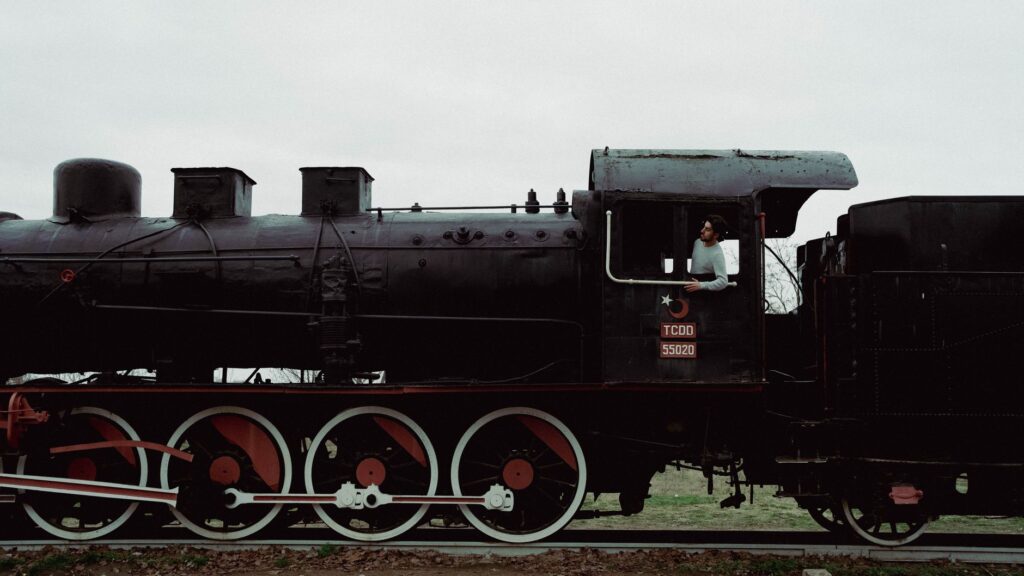
The history of Kenya’s railway network is intimately tied to the audacity of British engineers and the superhuman effort of thousands of workers who, at the dawn of the industrial era, defied the harshness of the Great Rift Valley. Popularly known in its time as the Uganda Railway, this layout was designed to secure commercial control of the territory and link the port of Mombasa with the shores of Lake Victoria. Beyond its initial geopolitical purposes, however, the railway quickly became the backbone upon which the country’s urban and demographic development was structured.
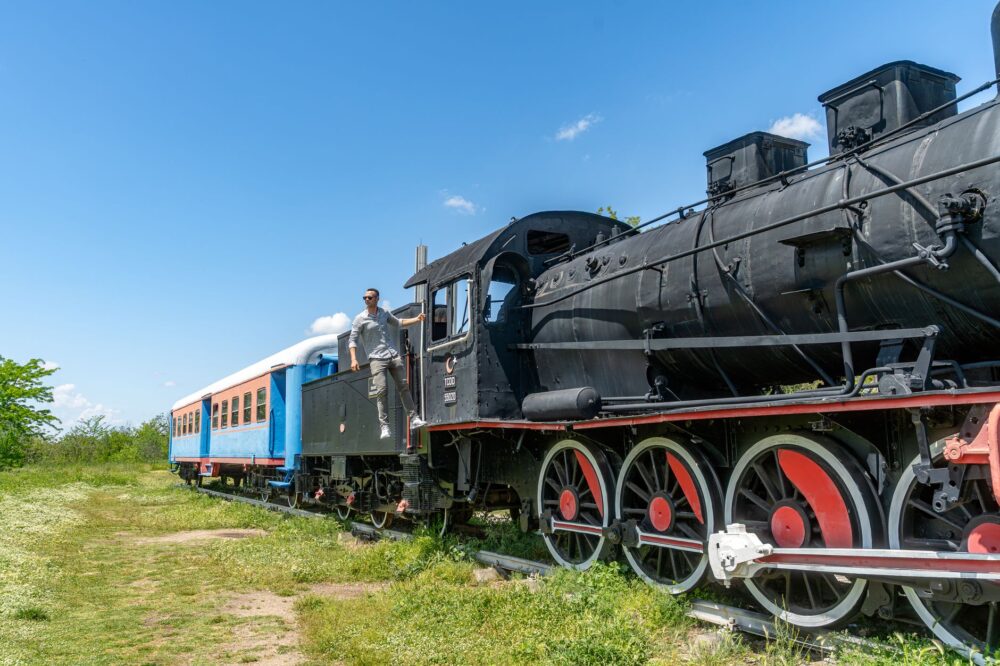
The topographical challenges overcome during its construction defy imagination. The iron bridges spanning dizzying chasms and the hand-carved embankments on volcanic slopes remain operational or under heritage restoration. The technical precision of these structures proves that the durability of nineteenth-century materials often surpasses the standards of more recent constructions. For contemporary travelers, observing these masterpieces of engineering from the window of a classic carriage offers an unparalleled perspective on the relationship between human action and the immensity of the African landscape.
The railway is not merely a means to travel from one point to another; it is a time machine that exposes the scars and glories of the shared history between Europe and Africa.
The Human Fabric and Stations as Cultural Nodes
Along the hundreds of kilometers comprising the rail route, operational and abandoned stations function as small social microcosms. Far from being mere technical stops, these enclaves act as meeting points where semi-nomadic herders, local farmers, and international travelers converge. Each arrival of a historic convoy mobilizes the surrounding community, generating ephemeral markets where local agricultural products, traditional crafts, and vibrantly colored textiles are traded.
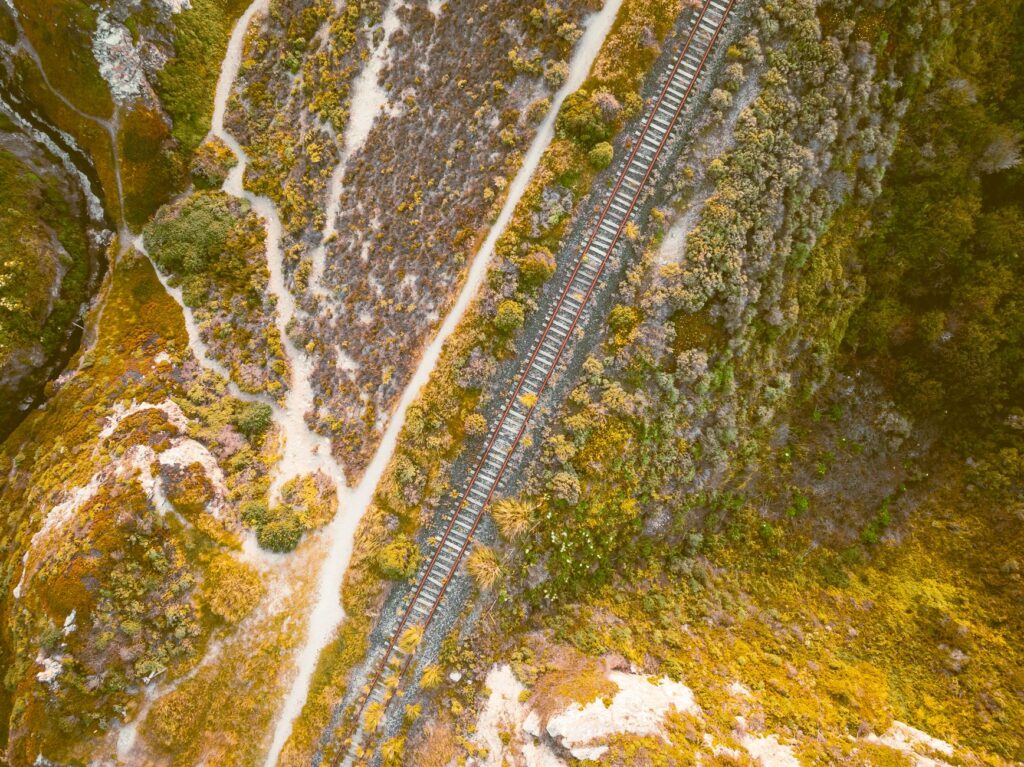
The preservation of these stations is the result of a joint effort between national heritage authorities and local cooperatives. The reuse of former freight warehouses as cultural interpretation centers has revitalized rural economies that would otherwise have been marginalized by the diversion of commercial traffic to asphalt roads. Community participation thus stands as the fundamental pillar to ensure that rail tourism directly benefits those living alongside the tracks, avoiding the undesirable effects of tourism gentrification.
Technical Challenges and Maintenance in the Extreme Savannah
Operating a historic rail network in East Africa entails colossal logistical challenges. Extreme daily temperature fluctuations cause constant expansion and contraction of steel rails, demanding meticulous manual inspections and ongoing preventive maintenance. Likewise, the periodic invasion of tropical vegetation and erosion caused by seasonal rains threaten the stability of embankments and the alignment of the tracks.
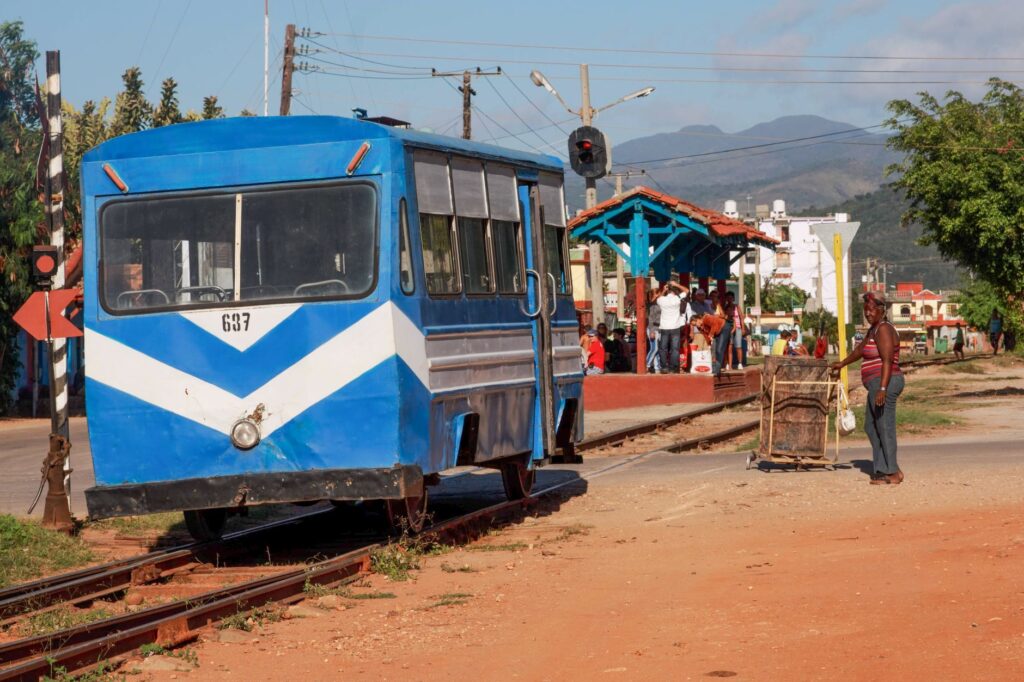
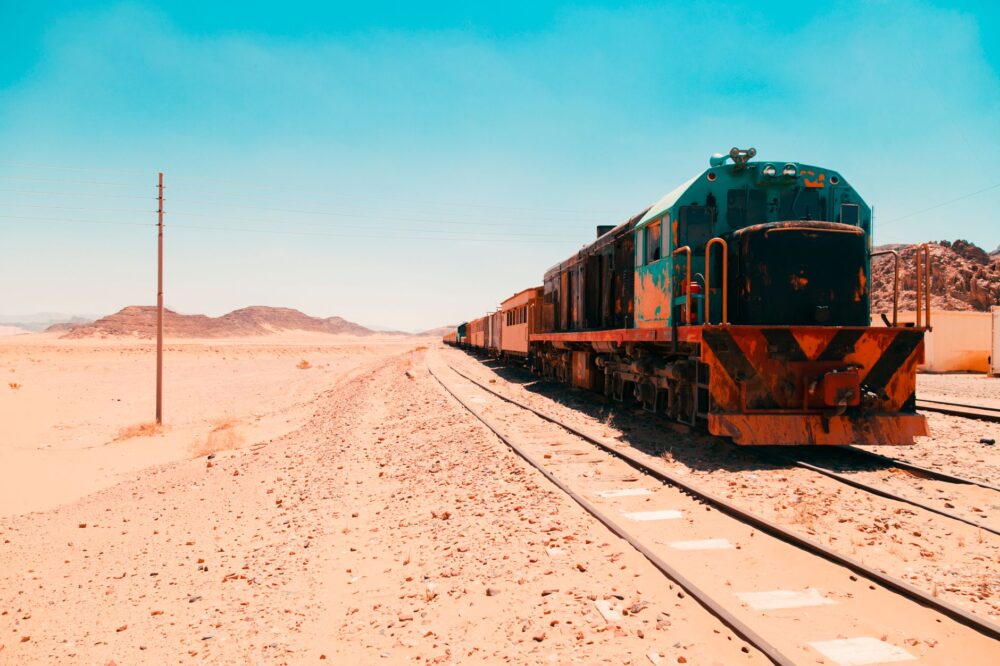
Current maintenance teams combine traditional blacksmithing and track carpentry techniques with modern satellite geolocation and monitoring systems. This fusion of ancestral knowledge and cutting-edge technology preserves the mechanical authenticity of classic steam and diesel locomotives without compromising international safety standards. The scarcity of original spare parts represents another major daily hurdle, forcing local mechanical workshops to manufacture bespoke parts using century-old lathes with micrometric precision.
Sustainability and the Rise of Slow Rail Tourism
At a time when the global tourism industry seeks alternatives to mass tourism, Kenya’s historic railway positions itself as a standard-bearer for the concept of slow travel. Unlike air transport or the heavy use of off-road vehicles in conventional safaris, the train offers a considerably lower carbon footprint per passenger transported and minimizes direct disturbance to the wildlife inhabiting natural reserves adjacent to the track.

Environmental conservation associations work closely with rail operators to establish wildlife observation corridors from reduced-speed carriages. Elephants, giraffes, and large herds of ungulates have grown peacefully accustomed to the regular passage of the convoys, turning the journey into a unique photographic safari experience. The balance between conservation and tourism enjoyment demonstrates that it is possible to commercialize high-end experiences based on absolute respect for the environment and historical heritage.
Socioeconomic Impact on Rural Communities
The revival of traditional rail routes has triggered a multiplier effect on the economy of Kenya’s interior rural areas. Small family hospitality businesses, local naturalist guides, and high-altitude coffee producers have found in the steady flow of rail passengers a stable source of income independent of traditional international tourism seasonality.
Furthermore, technical training programs promoted by the Ministry of Tourism and Transport have empowered new generations in specialized trades, from restoring hardwood carriages to the sustainable management of historic stations. This local empowerment ensures that the value generated by tourism activity remains within the territory, strengthening the social fabric and reducing economic migration toward major urban centers like Nairobi.
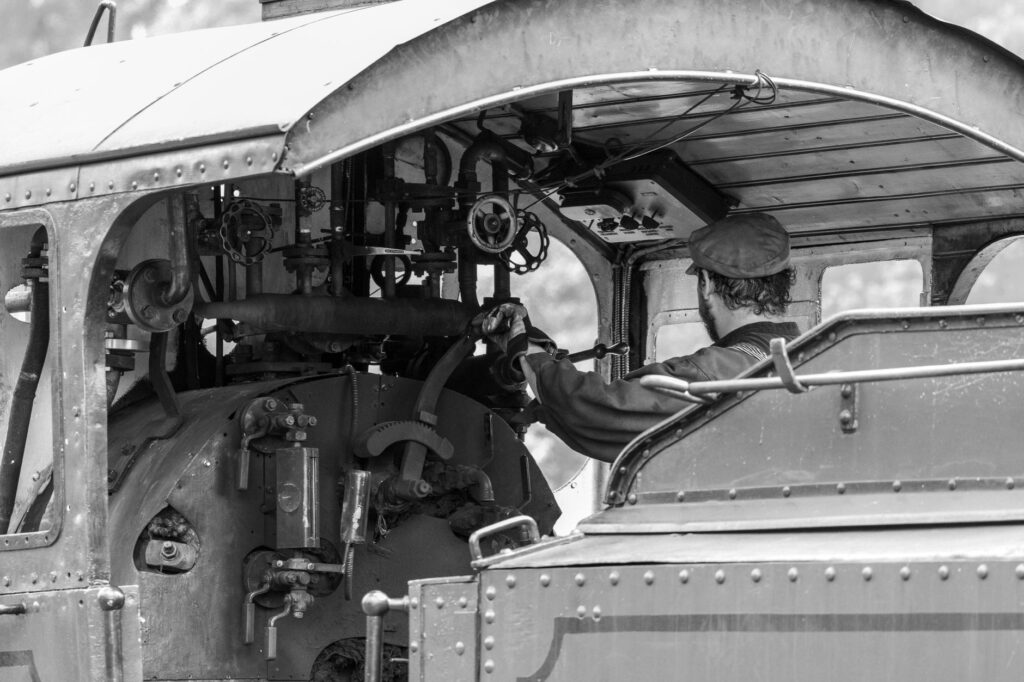
Investing in the recovery of our railway heritage means giving voice back to the territories that built the continent’s modernity from the anonymity of the track.
Practical guide
Planning a journey aboard Kenya’s historic rail routes requires a detailed understanding of local logistics, necessary permits, and optimal visiting seasons. Below are the essential recommendations to ensure a safe and enriching expedition:
- When to go: The dry season, spanning from January to March and from July to October, offers the most stable weather conditions and facilitates wildlife viewing along the savannah stretches.
- How to get there: The main starting point for heritage routes is Nairobi Central Station, accessible via direct international flights from major European and African capitals.
- Reservations and tickets: Seats in vintage classic carriages are strictly limited. It is recommended to arrange bookings at least six months in advance through authorized operators certified by the Kenyan Ministry of Tourism.
- Documentation and health: An electronic entry visa, a yellow fever vaccination certificate, and travel insurance covering adventure activities in remote areas are mandatory.
- Recommended luggage: Lightweight cotton clothing in neutral tones, sturdy footwear for walking in stations and rural areas, and British-type (G) power adapters are advised.
- Code of conduct: Littering from the train is strictly prohibited, and the privacy of local communities must be respected at all times during stops at rural stations.
Epilogue: Memory on the Rails of Time
At dusk, when the final rays of sunlight set the savannah horizon ablaze, the train continues its rhythmic march toward its final destination. In that moment, the travel experience transcends simple physical displacement to become a profound reflection on the persistence of memory and the beauty of unhurried journeys. The Northern Kenya Railway is not merely iron and wood; it is the living witness of a continent in constant reinvention, where industrial past fuses with the hope of a sustainable future. Observing the landscape from its windows is understanding that the best journeys are not measured by the speed of arrival, but by the depth with which the road transforms the traveler.