
The Awakening of Neglected Territories After the Global Pause
World Tourism Day invites us each year to reflect on the immense economic, social, and cultural machinery that drives this sector on a planetary scale. However, beyond the large cosmopolitan capitals and mass tourism circuits, a vast and resilient periphery exists: the African regions most affected by the slowdown in international flows. In these enclaves, tourism is not merely a recreational pastime, but the backbone that sustains rural schools, health clinics, and biodiversity conservation projects. The prolonged interruption of travel left a deep scar on entire communities that depend exclusively on the arrival of travelers to invigorate their artisan markets, agricultural cooperatives, and community-based ecotourism initiatives.
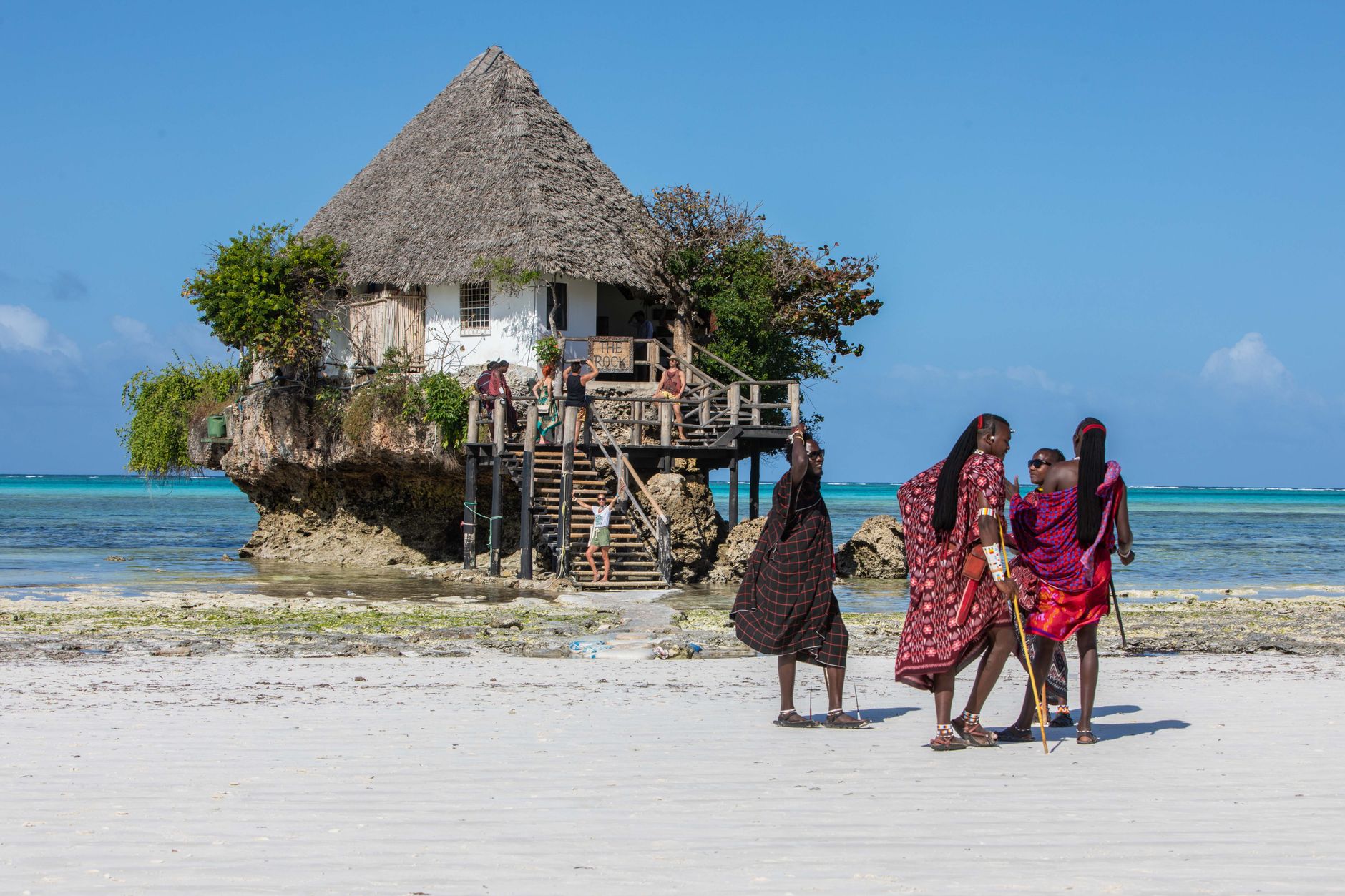
Reactivating these destinations demands a radically different perspective, one far removed from fast consumption and centered on reciprocity. When a traveler decides to venture into regions traditionally marginalized from conventional tourism circuits, they establish a direct bond that transcends a simple commercial transaction. Local communities, far from being mere spectators or exotic backdrops, assume control of their own development, deciding what to show, how to preserve their traditions, and in what manner to distribute the economic benefits generated by the activity. This rethinking of travel places the well-being of native inhabitants at the center of the equation, demonstrating that a model where economic prosperity goes hand in hand with human dignity and environmental respect is entirely possible.
The Invisible Economy That Sustains Daily Life
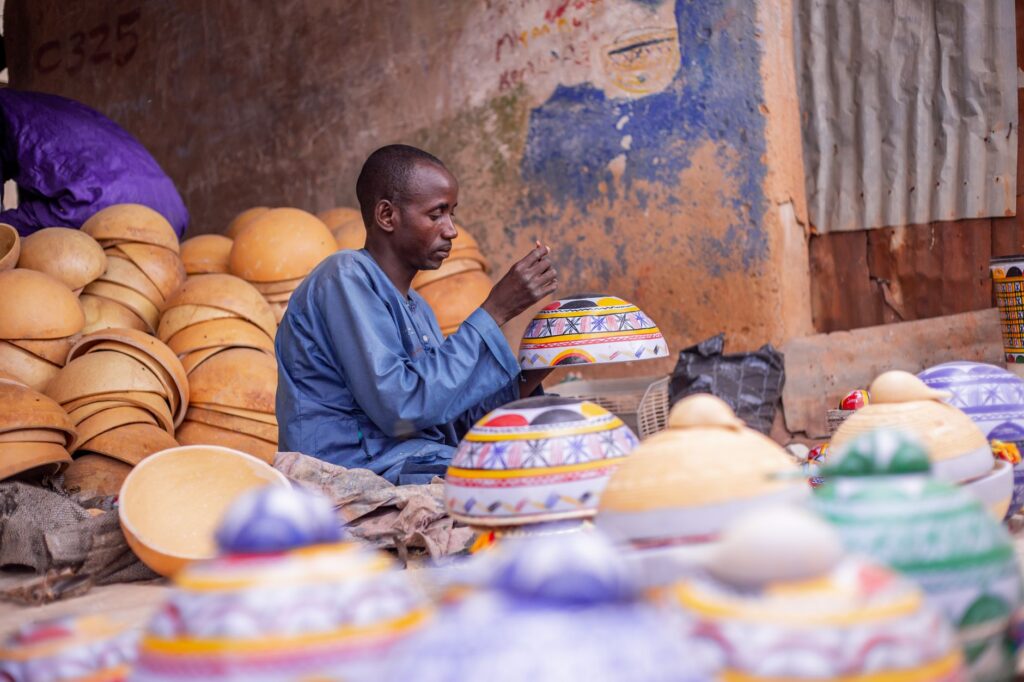
To understand the magnitude of the crisis experienced by these regions, it is necessary to analyze the invisible economy that flourishes around the visitor. In numerous corners of the African continent, income derived from tourism finances family microenterprises ranging from independent naturalist guides to women organized in traditional weaving associations. The absence of tourists meant the immediate paralysis of entire value chains, forcing many families to return to a precarious subsistence economy. Reactivation, therefore, is not measured solely in macroeconomic data of international arrivals, but in the capacity to recover stable local jobs and dignify the labor of artisans, farmers, and community service providers.

This economic fabric rests on fragile foundations if it lacks the support of coherent public policies and an informed tourist demand. Community-based tourism initiatives have proven to be the most effective in ensuring that money spent by the traveler remains in the territory. Unlike large all-inclusive resorts where the bulk of profits leaks to foreign corporations, local grassroots tourism injects liquidity directly into families. This translates into a tangible improvement in child nutrition, access to drinking water, and schooling, proving that traveling with conscience is a direct form of development cooperation.
Truly sustainable tourism is one that returns to the local community the power over its own destiny and cultural wealth.
Likewise, the reactivation of these areas drives economic diversification. Communities that previously depended exclusively on a single source of income discover in cultural and nature tourism an incentive to protect their ancestral knowledge. Young people find reasons to stay in their places of origin rather than emigrating to large metropolitan areas in search of illusory opportunities. Thus, travel transforms into a two-way bridge that demographically revitalizes entire regions, restoring hope to towns that risked becoming uninhabited and forgotten by modernity.
Environmental Conservation and Community Empowerment
The relationship between the arrival of travelers and the conservation of African ecosystems is intimate and complex. In many rural regions, national parks and community reserves depend on entrance fees and overnight stays to finance anti-poaching patrols and the maintenance of infrastructure protecting wildlife. Without the presence of visitors, resources destined for conservation dropped drastically, increasing pressure on natural resources and opening the door to illicit activities that threaten endemic species and fragile ecological balances.
Faced with this scenario, local communities have assumed a leading role in defending their natural environment. Innovative projects demonstrate that the best way to protect fauna and flora is to grant local populations ownership and management of the land. Former poachers are today being retrained as rangers and expert guides, thanks to their encyclopedic knowledge of the terrain. This paradigm shift not only saves endangered species, but also reconciles human beings with their habitat, proving that nature conservation and socio-economic development are not opposing objectives, but two sides of the same coin.
Ecotourism managed by indigenous communities also fosters two-way environmental education. The traveler not only observes the majesty of African nature, but learns from local populations ancestral methods of sustainable water management, crop rotation, and peaceful coexistence with wildlife. This exchange of knowledge deeply enriches the travel experience, turning it into an exercise of humility and mutual learning where both parties are positively transformed.
Cultural Rebirth Against Global Standardization
One of the greatest risks facing the African continent in the face of globalization is cultural homogenization. Mass tourism tends to simplify and folklorize complex local identities, reducing them to superficial spectacles for quick consumption. However, regions that embrace a reflective and respectful tourism model are successfully shielding their intangible cultural heritage. The revival of conscious travel makes it possible to revalue native languages, traditional music, vernacular architectural techniques, and local gastronomy, granting them a new status of pride and dignity before new generations.
This cultural rebirth manifests in community festivals, handicraft workshops taught by master elders, and guided routes led by local storytellers who explain history from their own decolonized perspective. The traveler participating in these experiences ceases to be a passive consumer and becomes a respectful witness and propagator of complex, diverse realities. Simplistic stereotypes that traditionally accompanied Africa’s image in Western media are thus broken, replaced by a vibrant, modern vision deeply rooted in history.
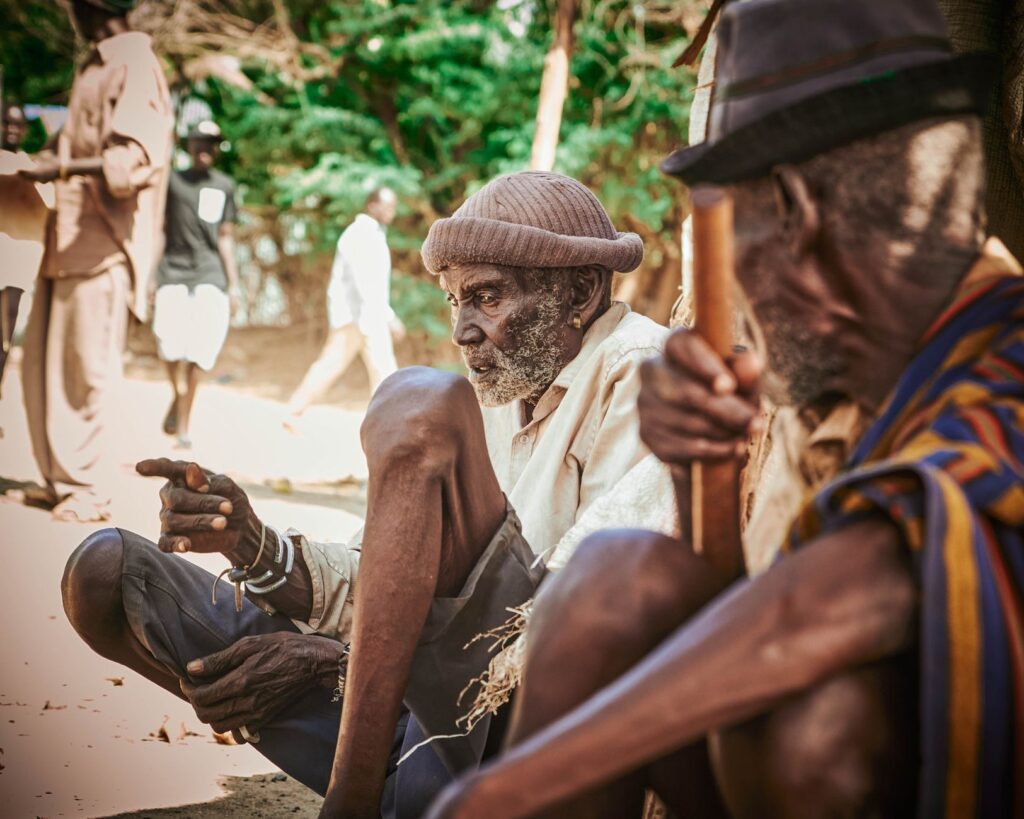
The preservation of heritage is not limited to material or artistic goods, but also encompasses social organization modes and the oral transmission of knowledge. By giving economic value to these cultural expressions, a tangible incentive for their conservation is generated. Young people regain interest in learning the trades of their elders, knowing that their culture holds incalculable value both spiritually and materially. In this way, tourism acts as a protective shield against acculturation and as a megaphone so local voices resound powerfully on the international stage.
Local Infrastructure and Sustainable Connectivity
The development of tourism capable of reviving vulnerable regions inevitably requires thoughtful improvement in local infrastructure, always under strict sustainability criteria. Historically, the lack of adequate communication routes and basic services constituted the greatest barrier preventing these areas from benefiting from tourist flows. Today, the focus is on human-scale infrastructure: low-impact accommodations built with local materials, community solar energy systems, and transport networks prioritizing clean mobility and integration with traditional routes.
Digital connectivity also plays a fundamental role, allowing small rural entrepreneurs to market their services directly through ethical platforms, eliminating abusive intermediaries and ensuring the profit margin remains entirely within the region. This respectful digitalization empowers rural women and youth, who usually assume management of these technological tools, balancing traditional power dynamics and fostering more equitable participation in community decision-making within tourism cooperatives.
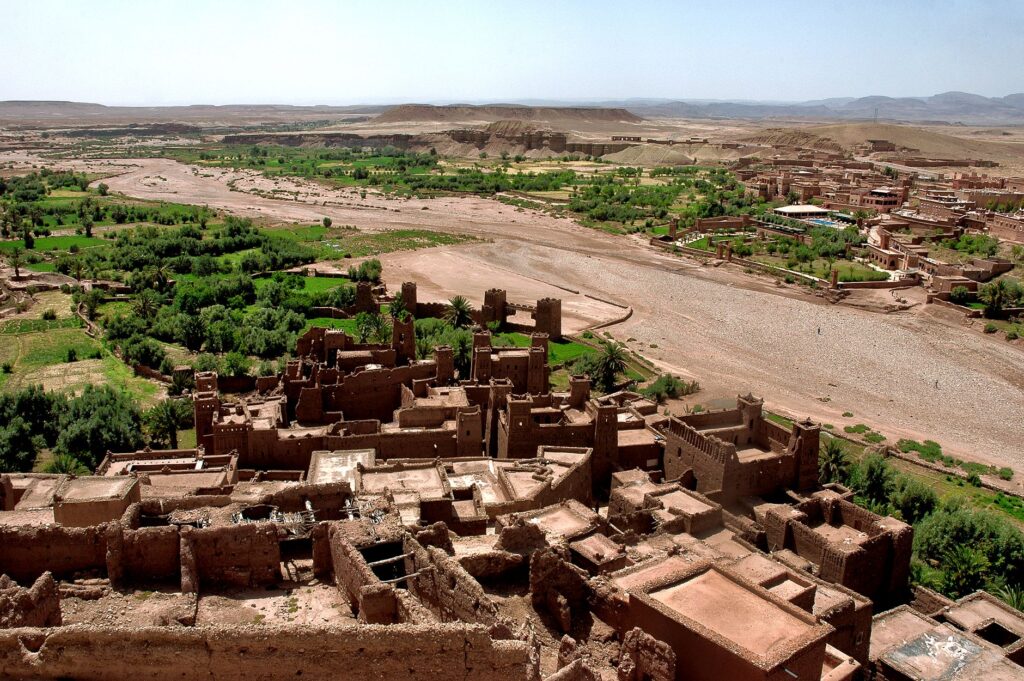
However, infrastructure growth must be planned with utmost care to avoid the perverse effects of saturation and real estate speculation. Local communities, advised by sustainable development experts and non-governmental organizations, establish strict limits on the carrying capacity of their territories. Quality is prioritized over quantity, betting on longer, more meaningful stays that generate a positive economic impact without drastically altering the traditional rhythm of life or overburdening local water and energy resources.
Traveler Ethics: Beyond the Easy Photograph
Traveling to regions undergoing economic recovery requires deep self-criticism and responsibility from the visitor. The contemporary traveler’s ethics reject voyeurism and the aestheticization of poverty, demanding instead an attitude of active listening and absolute respect for the privacy of host communities. The use of the camera must always be mediated by prior consent and common sense, remembering that people are never decorative elements of an exotic landscape, but subjects of rights with complex, dignified histories.
Likewise, carbon footprints and local resource consumption must be managed with extreme caution. Consuming local food, purchasing crafts directly from women’s cooperatives, rejecting single-use plastics, and using authorized local guides are essential practices for making travel truly regenerative. The conscious visitor understands that their presence generates alterations, thus assuming responsibility for minimizing negative impacts and maximizing social and environmental benefits derived from their stay in the territory.

The true wealth of a journey does not lie in the places checked off a list, but in the depth of human bonds woven along the road.
This transformative attitude redefines the travel experience, turning it into an act of global empathy. Upon returning home, travelers become informed ambassadors of these realities, capable of countering prejudices and advocating for a fairer, more supportive international exchange model. Tourism thus ceases to be a mere entertainment industry and consolidates as an effective tool for citizen diplomacy and intercultural understanding among the peoples of the world.
Practical guide
Planning a purposeful trip to African regions undergoing economic recovery requires preparation and rigor:
- Operator Selection: Prioritize agencies and ecotourism projects managed directly by local communities or certified by international fair trade and sustainability standards.
- Accommodation: Opt for community ecolodges, low-impact rural camps, or family guesthouses that reinvest their profits into the social development of the surrounding area.
- Responsible Transport: Use local public transport networks, transfer services managed by local cooperatives, or shared vehicles to reduce carbon footprints.
- Ethical Consumption: Purchase crafts and agricultural products directly from their producers, ensuring that the price paid is fair and adequately values artisanal labor.
- Cultural Respect: Inform yourself about local dress codes, etiquette, and protocols before visiting rural communities or sacred sites. Always ask permission before photographing individuals.
- Health and Document Preparation: Verify visa requirements, mandatory vaccinations, and specific health recommendations for destination regions months in advance.
- Indirect Contribution: Consider supporting local educational or conservation projects through direct and transparent donations, avoiding handing out money or candy to children on public roads to prevent child begging.
The Shared Pulse That Returns Us to Our Origin
At the end of the journey, when the traveler pauses to contemplate the African horizon at sunset, they understand that the true engine of tourism does not lie in luxurious infrastructure or agency catalogs, but in the shared pulse of communities opening their doors with generosity. The regions that have withstood the shocks of the global crisis demonstrate that hospitality is an ancestral form of resistance and dignity. Every conversation held under the shade of an acacia tree, every meal shared around the fire, and every step taken alongside those protecting their land are forceful reminders that travel is, in its purest essence, a reunion with our common humanity. In that delicate balance between wonder and respect, tourism recovers its noblest meaning: healing territories while healing our own perspective on the world.
Source in EN: La Gran Noticia – World Tourism Day: returning to travel to reactivate the hardest-hit regions (https://news.google.com/rss/articles/CBMiugFBVV95cUxQSmhXcEdwcTBqXzVCYnV1M3dKLXVyMU5HUEFqeE5vbGdXaWVKVFRyb3lhZklFQmJWV1lkYmVQZVRDeHlNaHJTeU44eC1CekY4U011M29ldDRla2RDTGF4Q3VRa1dJSEhGY2lDT3VVZkhIWWZWRC1NTVZPa0tqTktuRE04eDZuYmMzYlFjYlN4YlpxN2dicDdZNGJrejhkSFBkUC00bUdsRlRpODQ2X1lpbzJCWHU0NktzZ2c?oc=5)