
Thailand has long been the heartbeat of Southeast Asian tourism, a place where ancient tradition meets tropical allure. However, in the wake of a changing global landscape, the Kingdom has embarked on a profound transformation. Moving beyond the stereotypical imagery of full-moon parties and isolated luxury, a new vision has emerged: Thailand as a Destination for All. This strategic shift, backed by government policy and private innovation, aims to dismantle the physical, social, and cultural barriers that have historically shaped the travel experience, making the country a pioneer of inclusivity in the region.
This evolution is not merely a marketing campaign; it is a fundamental reimagining of Thai hospitality. The traditional concept of Nam Jai—an instinctive water-from-the-heart generosity—is being codified into modern infrastructure and progressive legislation. From wheelchair-accessible historical sites to the landmark passage of marriage equality, Thailand is signaling to the world that it is a place where every traveler, regardless of their physical ability, identity, or background, can find a sense of belonging. The result is a destination that feels more accessible, more empathetic, and more human than ever before.
Designing a Borderless Hospitality: Universal Access
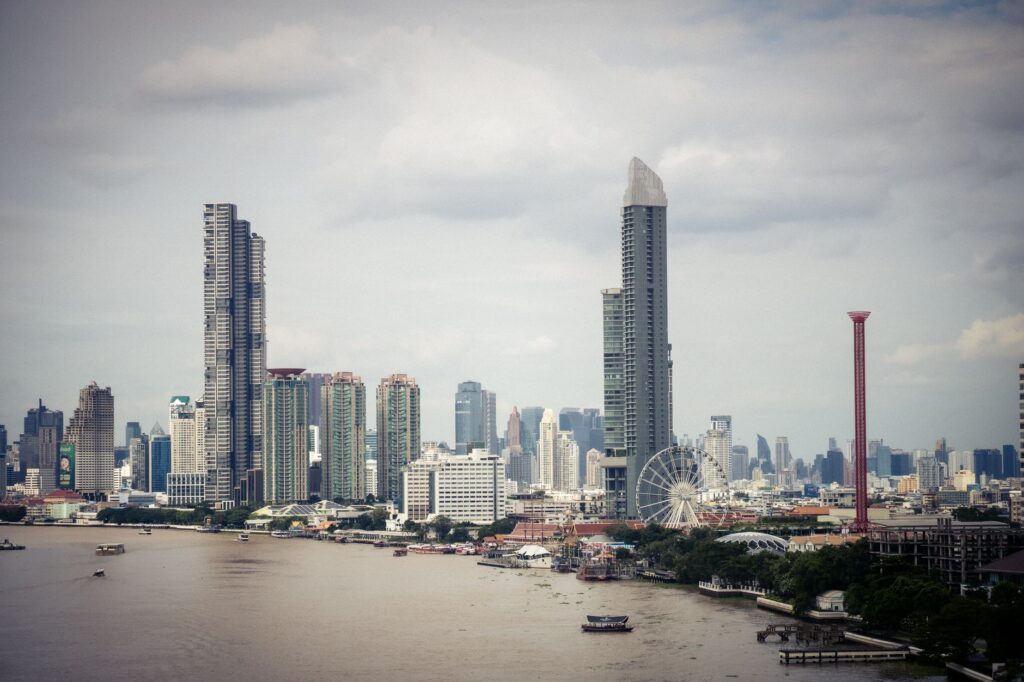
The cornerstone of this transformation lies in the physical environment. Bangkok, once a challenging maze for those with limited mobility, is undergoing a systematic upgrade. The expansion of the BTS Skytrain and MRT subway systems has prioritized universal design, incorporating elevators, tactile paving, and clear signage. While retrofitting a sprawling, historic city is an immense task, the progress in districts like Sukhumvit and along the riverside is a testament to the nation’s commitment. Accessibility is becoming the new standard for urban development in the capital.
«True hospitality is not measured by the height of a hotel’s ceiling, but by the absence of barriers for those who wish to explore.»
This commitment extends to Thailand’s primary gateways. Suvarnabhumi and Don Mueang airports have been recognized for their high standards of service for passengers with disabilities. The goal is to ensure that the journey is seamless from the moment of arrival. By training staff in disability awareness and investing in specialized equipment, Thailand is ensuring that the «Land of Smiles» is a reality for everyone, not just a promise. This focus on the traveler’s dignity is what sets the new Thai tourism model apart.
Heritage Without Barriers: The Modernization of History
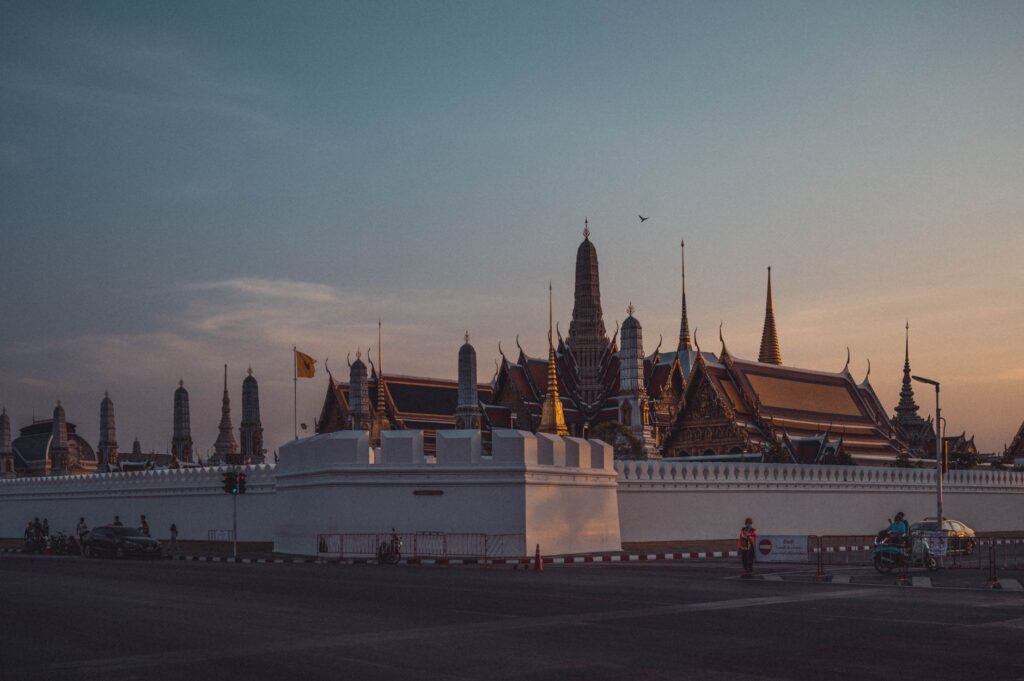
Perhaps the most inspiring aspect of this shift is the adaptation of Thailand’s sacred and historical sites. Iconic landmarks such as the ruins of Ayutthaya and the Grand Palace in Bangkok are being made more accessible through the installation of ramps and lifts that blend with the historic aesthetics. These modifications are part of the «Tourism for All» initiative, which recognizes that cultural heritage is a global treasure that should be available to everyone. Standing before the emerald spires of a temple, a traveler in a wheelchair now finds a path where once there were only stairs.
Beyond physical access, there is a growing emphasis on sensory inclusivity. National museums are increasingly offering tactile exhibits and audio guides designed for the visually impaired. By allowing visitors to engage with history through touch and sound, Thailand is enriching the cultural experience for all. The Kingdom’s history is a living narrative, and by making it accessible, the authorities are ensuring that the stories of the past continue to inspire a diverse global audience in the present.
A Global Beacon for Social Inclusivity: The Pride of Asia
In a historic move, Thailand has recently positioned itself as a leader in social progress by legalizing marriage equality, a first for Southeast Asia. This legislative milestone has profound implications for the travel industry, cementing the country’s reputation as a safe and celebratory sanctuary for the LGBTQ+ community. Cities like Bangkok, Phuket, and Pattaya are not just destinations for nightlife; they are centers of visibility and respect. The annual Pride celebrations in the capital have grown into world-class events, reflecting a society that embraces diversity as a core strength.
This atmosphere of tolerance is deeply rooted in the Thai psyche but is now being institutionalized through specialized training for hospitality professionals. Hotels and resorts are actively seeking inclusivity certifications, ensuring that diverse families and couples are greeted with genuine warmth and equality. Thai hospitality does not discriminate; it welcomes with an open heart. This social openness makes Thailand a rare example of a country where tradition and progressive values coexist harmoniously, offering a blueprint for the future of global tourism.
Sustainable Luxury and the Human Connection
The luxury sector in Thailand is also evolving, moving away from opulence for its own sake toward a model of «conscious luxury.» This approach emphasizes environmental sustainability and deep community engagement. High-end resorts in Koh Samui or the Golden Triangle are increasingly focusing on their «human footprint,» ensuring that their operations benefit local villages and preserve the natural beauty that attracts visitors in the first place. For the modern traveler, luxury is now defined by the authenticity of the experience and the positive impact of their stay.

«When we connect with a local community as equals, the journey transforms from a simple vacation into a shared human experience.»
Community-based tourism (CBT) is at the heart of this movement. By staying in village homestays or participating in local craft workshops, travelers contribute directly to the local economy. These programs are designed to be inclusive, often providing opportunities for women, the elderly, and people with disabilities within the community to share their skills and stories. It is a form of travel that fosters mutual respect and cultural exchange, proving that the most meaningful souvenirs are the connections we make with people.
The Universal Grammar of Thai Flavors: Culinary Diversity
Thai cuisine is a global phenomenon, but in the new era of tourism, it is becoming more inclusive than ever. The vibrant street food scene and high-end dining rooms alike are adapting to a world of diverse dietary needs. Whether it’s vegan versions of classic curries, gluten-free Pad Thai, or halal-certified kitchens, the Thai culinary world is proving that authenticity doesn’t have to be rigid. Chefs are utilizing the country’s incredible biodiversity to create dishes that are as healthy as they are flavorful.
This democratization of the dining table ensures that food remains a bridge between cultures. In markets like Or Tor Kor in Bangkok, vendors are increasingly aware of allergens and dietary preferences, making the exploration of Thai flavors safe and enjoyable for everyone. Eating is a communal act in Thailand, and the new culinary landscape ensures that no one is left out of this vital cultural ritual. The richness of the soil and the creativity of the people combine to make every meal an inclusive celebration of life.
Spiritual Connectivity in the Highlands: The Soul of the North
In the northern highlands, centered around Chiang Mai and Chiang Rai, the focus is on spiritual and mental well-being. This region, known for its misty mountains and Lanna culture, offers a slower pace of life that is increasingly attractive to travelers seeking healing and reflection. The «Wellness for All» concept here includes accessible meditation retreats and forest bathing experiences designed to be inclusive of all physical abilities. The spiritual heart of Thailand is opening its doors to a wider audience, recognizing the universal need for peace.
Many forest monasteries and wellness centers have upgraded their facilities to accommodate older travelers and those with mobility challenges, ensuring that the path to inner peace is not blocked by physical hurdles. The integration of traditional Thai medicine with modern holistic practices provides a comprehensive approach to health that is accessible to all. Thailand offers a sanctuary for the soul, a place where the noise of the modern world fades away, replaced by the gentle chanting of monks and the rustle of the jungle canopy.
Practical guide
Navigating Thailand as an inclusive destination requires thoughtful planning and an understanding of the local context. Here are the essential tips for a seamless and respectful journey through the Kingdom.

- Accessible Transit: Utilize Bangkok’s BTS and MRT systems for reliable access. For regional travel, consider booking through specialized agencies that provide modified vehicles for wheelchair users.
- Best Time to Visit: The cool season from November to February offers the most comfortable temperatures, making it ideal for those who may be sensitive to extreme heat or humidity.
- Health and Safety: Thailand boasts world-class medical facilities. Ensure you have comprehensive travel insurance that covers pre-existing conditions and provides access to international hospitals in major cities.
- Digital Connectivity: Pick up a local SIM card upon arrival. Having access to real-time translation apps and GPS is invaluable for navigating less-trodden paths and communicating specific needs.
- Cultural Etiquette: When visiting temples, always dress modestly (covering shoulders and knees). Respect designated accessible routes, as they are designed to protect both the visitor and the ancient structures.
- Support Local: Look for the Thailand Tourism Awards (the «Kinnaree») seal when choosing operators. These awards often highlight businesses that excel in sustainability and inclusivity.
- Payment Methods: While cash (Thai Baht) is necessary for small street vendors, digital payments via QR codes and major credit cards are widely accepted in urban centers and shopping malls.
The Lasting Legacy of Thai Hospitality
Ultimately, what makes Thailand a destination for all is not just the infrastructure or the laws, but the spirit of its people. The famous Thai smile is more than a greeting; it is a reflection of a culture that seeks to create harmony and ease for others. By embracing diversity and accessibility, the Kingdom is not just securing its economic future; it is reaffirming its core identity as a global meeting place. Thailand teaches us that the most important journey is the one that brings us closer to understanding one another.
The journey toward total inclusivity is ongoing, but Thailand’s progress is a beacon of hope for the travel industry. When a traveler, regardless of their challenges or identity, feels that they are truly seen and welcomed, the mission of being a «Destination for All» is achieved. It is an open invitation to explore a world where differences are celebrated as part of the beautiful tapestry of human experience. The Land of Smiles is waiting, with its heart and its doors wider than ever before.
Source: Cultura travel tourism via WWD