
The green pulse of the highlands and the deep jungle
Belize has shifted its gaze from exclusive coral cayes and turquoise waters toward its rugged interior. In the foothills of its mountain ranges and the density of its tropical rainforest, the emergence of new private villa collections—such as those recently added to interior resort portfolios—redefines the relationship between travelers and pristine territory. This is not merely a deployment of isolated comfort, but a proposition that rethinks the stewardship of the natural environment against contemporary tourism infrastructure.
For decades, tourism in this small Central American nation centered around the second-largest barrier reef system in the world. However, the continental geography conceals a complex network of ecological reserves, limestone mountain chains, and river basins feeding the Mesoamerican system. The rise of these private refuges within the wilderness demands a review of sustainable development strategies in areas of high biological value, where every intervened square meter requires rigorous environmental impact analysis.
The underlying thesis of this transformation is clear: low-density, high-end ecotourism can serve as a bulwark against deforestation and agricultural land speculation. By revaluing the forest as a space for contemplation and scientific study, local communities and ecological operators seek to consolidate a model where conservation is funded through the immersive experiences of visitors.
Vernacular architecture and biomimetism in the undergrowth
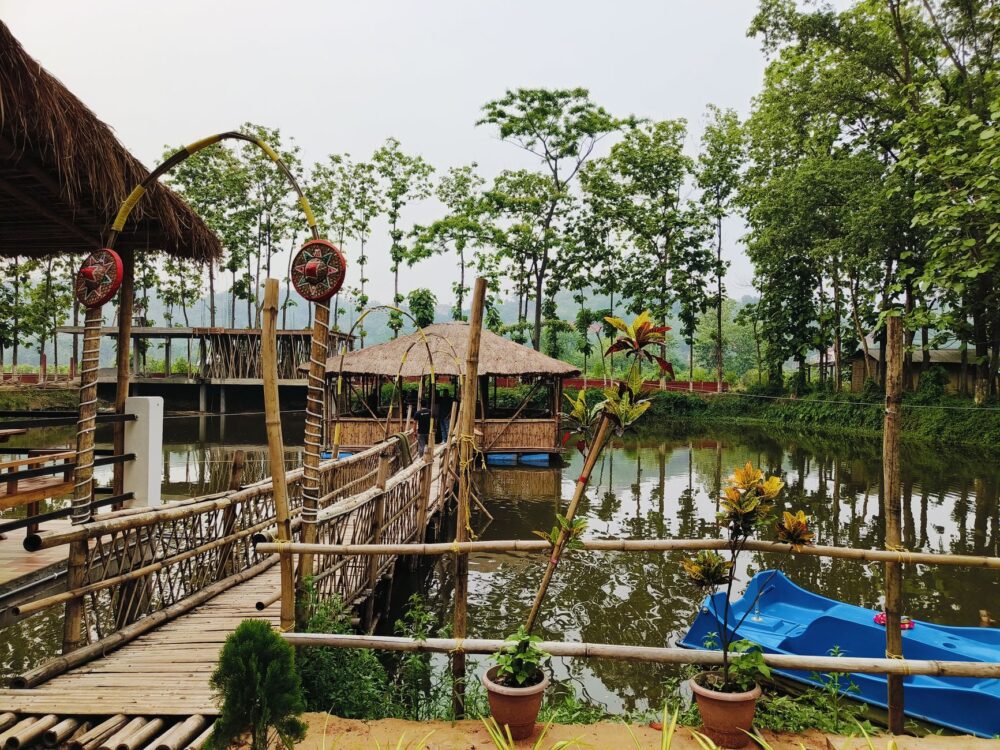
The design of the new private villas in the Belizean jungle breaks away from the canons of traditional Caribbean resorts. Here, landscape integration is not a minor aesthetic choice, but a technical imperative. Architects and biologists collaborate to raise pile-supported structures that minimize soil disruption, allowing the free flow of minor fauna and natural monsoon runoff.
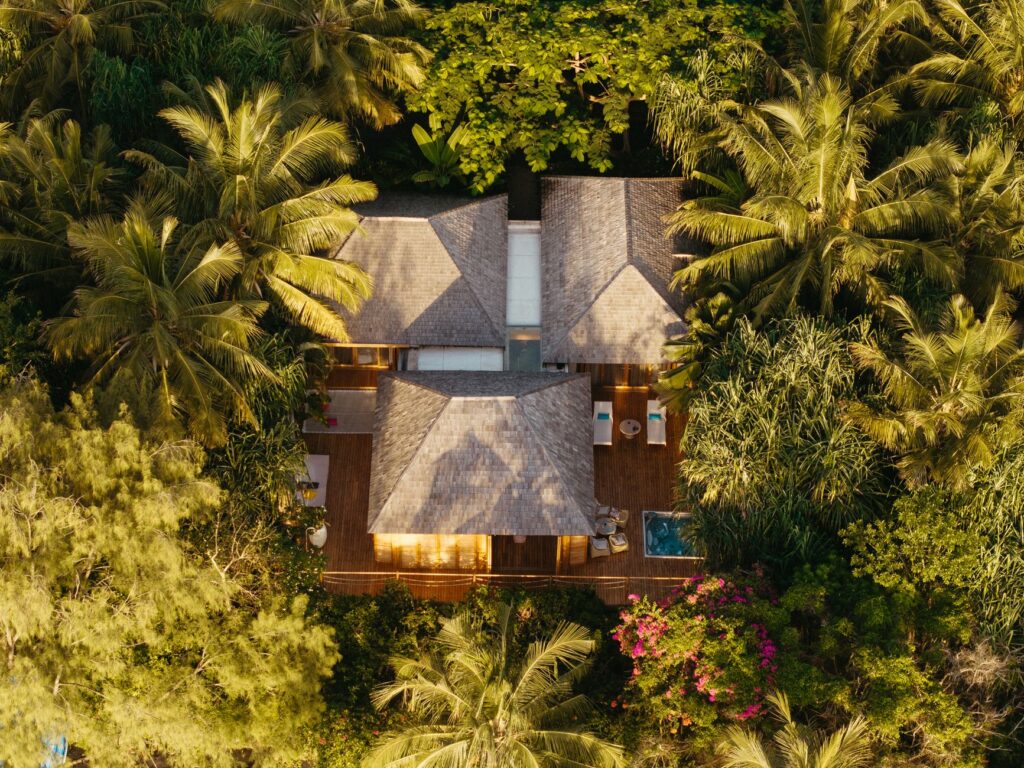
The materials utilized largely stem from local renewable sources or certified lumber recovered from sustainable forestry management zones. Natural cross-ventilation frequently replaces conventional air conditioning systems, reducing the carbon footprint of these facilities. Each structure conforms to the undulating topography, blending into the tree canopy until it becomes virtually invisible from river trails.
This architectural approach engages directly with the building traditions of indigenous Maya peoples, who viewed the tropical forest not as an obstacle to conquer, but as a dynamic habitat requiring cautious habitation. The spatial layout of the villas prioritizes absolute privacy and sensory connection with the environment, incorporating outdoor showers surrounded by giant ferns and suspended terraces overlooking river canyons.
Biodiversity as a neighbor: between jaguars and migratory birds
Venturing into Belize’s interior mountains means entering one of Mesoamerica’s most critical biological corridors. The system of protected areas surrounding these new private hospitality complexes harbors stable populations of large felines, Central American tapirs, and hundreds of resident and migratory bird species finding refuge in the unbroken canopy.

The presence of these private lodging enclaves incorporates strict wildlife observation protocols. Invasive artificial lighting is prohibited to avoid disrupting nocturnal insect cycles and pollinating bats, and human exclusion zones are established in areas of high nesting and breeding density. Resident naturalists act as guardians and guides, documenting species presence through camera trapping and participating in biological censuses coordinated with international academic institutions.
The true litmus test for any ecotourism project in the deep jungle is not how much nature it manages to show the guest, but how much of it remains intact when the visitor turns off the light and leaves.
This continuous monitoring allows for the early detection of ecosystem alterations, offering valuable data on the overall health of the watershed. Far from functioning as a natural theme park, the environment remains a living laboratory where science and hospitality coexist under a fragile pact of mutual respect.
Water as a vital artery: rivers, caves, and shared basins
Belize’s mountainous relief is sculpted by water. Swift rivers like the Macal and Mopan meander through karst valleys, carving subterranean cave systems revered by the ancient Maya civilization as portals to the underworld. The water management practices of new hotel developments constitute one of the most complex and scrutinized aspects of their daily operations.
To prevent contamination of aquifers and river channels, facilities implement advanced wastewater treatment systems using bio-gardens and natural filtration. Likewise, energy consumption relies on small-scale solar arrays that drastically reduce dependence on fossil fuels transported via dirt roads.
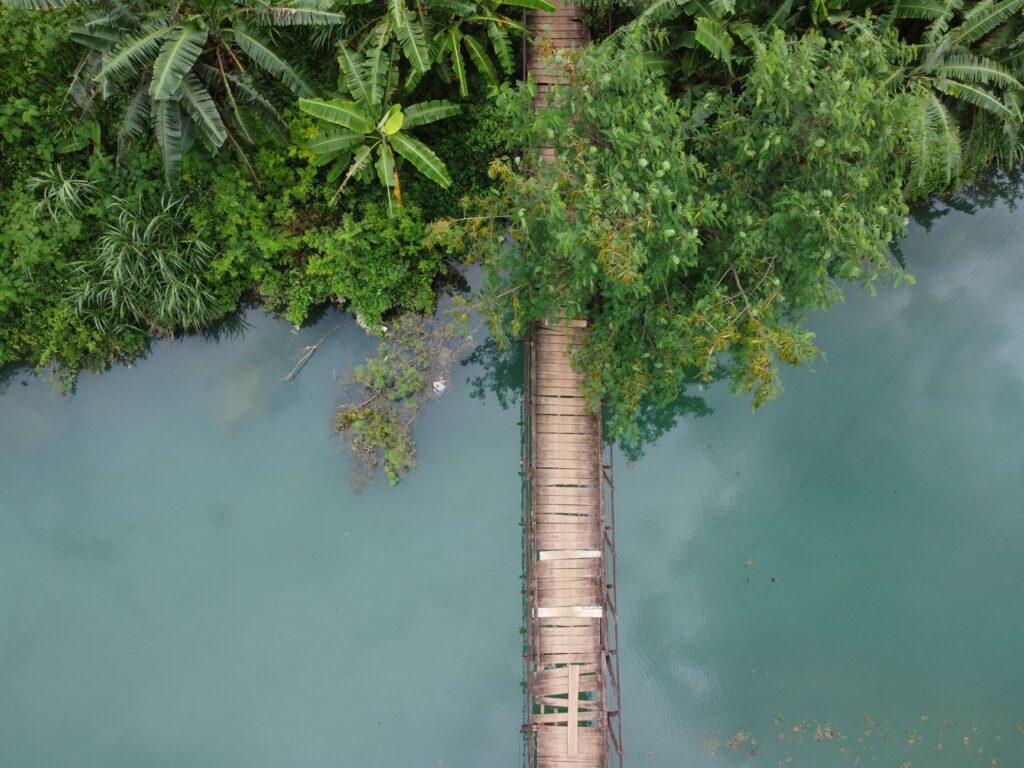
Rivers are not merely scenic elements; they act as primary pathways for ecological connectivity. Protecting their banks from erosion and keeping the riparian forest strip intact ensures the survival of endemic aquatic species and secures clean water supplies for downstream rural communities.
Maya heritage and local communities: beyond folklore
The relationship between new mountain tourism projects and neighboring rural communities is a matter of profound social sensitivity. In a region marked by Creole, Mestizo, and Mopan and Q’eqchi’ Maya heritage, economic development must be negotiated on terms of equity and prior consultation, avoiding the superficial commodification of ancestral culture.
The most rigorous interior tourism initiatives prioritize hiring local staff across all operational and specialized guiding levels, promoting technical training programs in environmental management and hospitality. Similarly, the food supply chain seeks sourcing from local agricultural cooperatives, reducing emissions linked to goods transport and ensuring that traveler expenditures generate direct benefits for family economies.
This community integration also translates into respect for minor archaeological sites scattered across private estates, many of them still officially unexcavated. Rather than being commercially exploited without control, these vestiges are protected in collaboration with the Belize Institute of Archaeology, transforming into open-air classrooms for understanding ancient human habitation in the jungle.
Practical guide
When to go: The dry season, stretching from November to April, offers the best overland access to mountainous zones and optimal hiking conditions. The rainy season (May to October) transforms the forest into an explosion of greenery, though some secondary roads may require four-wheel-drive vehicles.
How to get there: Philip S.W. Goldson International Airport (BQE) in Belize City is the main gateway. From there, transfers to interior reserves and mountains are conducted via local commuter flights or private vehicles along the Western Highway.
Accommodation: Private interior villa collections require bookings months in advance due to their low density and exclusivity. It is advisable to verify official ecological certifications issued by the Belize Ministry of Tourism and Diaspora Relations.
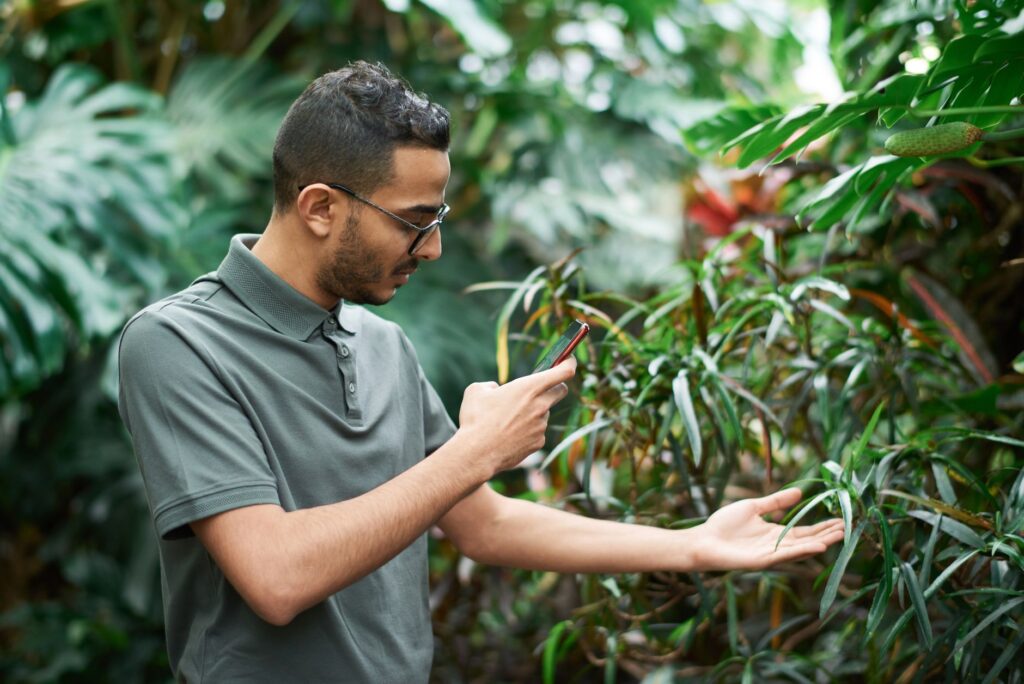
Health and gear: Lightweight technical long-sleeve clothing, high-traction mountain footwear, and biodegradable insect repellents are strongly recommended. Comprehensive travel insurance covering adventure activities in remote areas is essential.
The silence of the canopy: a final reflection on the mist
At dusk, when the mist descends from the summits and blankets the crowns of mahogany and cedar trees, Belize’s interior jungle reclaims its ancient rhythm. The clamor of civilization dissolves into the steady murmur of streams and the distant calls of nocturnal birds. In this mountain sanctuary, where luxury is no longer measured by excess artifice but by the purity of the air and absolute silence, the traveler grasps the true scale of their passage through the world.
The consolidation of these private villa collections in sensitive ecological zones raises a permanent ethical question: is it possible to inhabit nature without irreversibly altering it? The answer does not lie in prohibiting human access, but in redefining our presence under strict criteria of humility and scientific rigor. Belize’s jungle and mountains remain there, watchful and complex, awaiting visitors capable of listening to their language before the forest’s memory begins to fade.
True luxury in the heart of the jungle is not sumptuous isolation, but the privilege of being temporarily accepted as a silent part of an ecosystem that existed long before we learned to name it.
Source in EN: Trend Hunter – Private Jungle Villa Collections: The Belize Collection Adds New Banks Resort Villas