
Contemporary tourism has evolved from a simple movement of vacationers into a decisive geopolitical tool for economic integration, cultural diplomacy, and regional development. Against this backdrop, the El Salvador Travel Market 2026 marks a turning point in Central America’s strategic roadmap. With the official participation of representatives from seventeen nations, the summit seeks to build a united front to boost regional competitiveness, diversify tourism offerings, and respond to the demands of a global traveler increasingly focused on sustainability, authenticity, and security.
This gathering not only highlights the dynamism that El Salvador has experienced in infrastructure and international perception over recent years, but it also raises a fundamental question for the sector’s future: how can Central America transition from individual destination marketing to an integrated multi-destination model capable of competing with the world’s tourism giants? The answer, according to working sessions and preliminary agreements from the summit, lies in cross-border collaboration, regulatory harmonization, and decisive investments in smart connectivity.
The New Geopolitical Landscape of Central American Tourism
Over the past decade, the isthmus has navigated historical challenges related to security perceptions, market fragmentation, and disparities in service quality. The El Salvador Travel Market 2026 provides a pragmatic forum where ministerial delegations and tour operators from seventeen nations have laid the groundwork to overcome these barriers. The summit demonstrates that tourism planning can no longer occur in national isolation, but must instead embrace territorial complementarity.
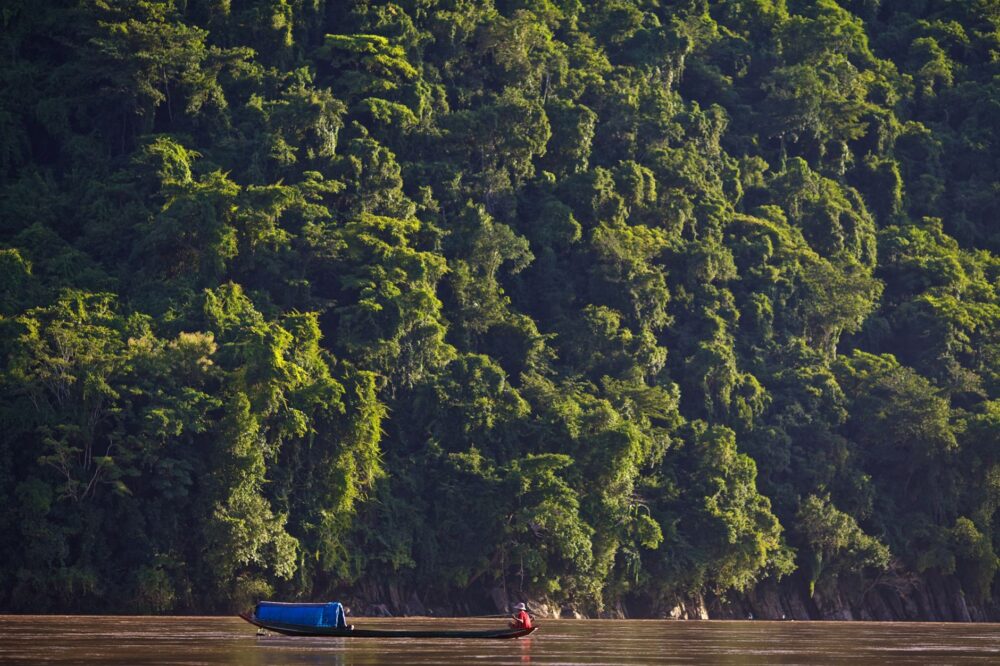
Experts gathered in San Salvador agree that international visitors rarely perceive political borders when exploring Central America. European and North American travelers typically seek immersive journeys that span from Mayan heritage to Caribbean coral reefs, passing through volcanic ranges and protected biosphere reserves. By aligning strategies, participating nations aim to ensure that visitor flows benefit the entire region through combined itineraries that optimize extended stays and reduce the carbon footprint associated with transit.
Air Connectivity and Migration Facilitation as Pillars
A core topic debated during the working sessions has been the urgent need to redesign intra-regional and extra-continental air routes. Despite progress made by regional and low-cost carriers, flying between Central American capitals remains complex and costly compared to connecting through major North American hubs. Government delegates have explored open-skies mechanisms and visa simplifications for external tourists, enabling visitors to cross multiple land or air borders without bureaucratic friction.
Furthermore, discussions addressed the modernization of airport and seaport infrastructure supporting cruise and business tourism. Connectivity extends beyond planes and highways to encompass the digital transformation of tourism services. Interoperable booking platforms and unified promotion at international trade fairs form part of the operational agenda derived from this multilateral meeting.
Environmental Sustainability and Local Communities at the Forefront
The accelerated growth of the tourism sector brings the imminent risk of overcrowding and the degradation of fragile ecosystems. Consequently, discussions at the El Salvador Travel Market 2026 dedicated a prominent space to sustainable tourism development models. This goes beyond reducing single-use plastics or implementing clean energy in hotels; it requires ensuring that economic benefits flow directly to rural and indigenous communities.
Success stories presented by various delegations demonstrate that low-impact adventure and community-based tourism foster greater economic resilience against global crises. Local communities shift from being mere spectators or underpaid labor to becoming owners and managers of their natural and cultural assets, safeguarding ancestral traditions that might otherwise be lost.
Twenty-first-century tourism must deeply respect host communities and ecosystems, or it will simply cease to be viable for future generations.
This approach demands a radical shift in tourism governance, where ministries and promotional agencies from the seventeen signatory countries commit to establishing rigorous carrying-capacity indicators for national parks, marine reserves, and archaeological sites, avoiding the saturation currently plaguing other global destinations.

Diversifying the Offer: Beyond Sun and Sand
Exclusive reliance on the traditional sun-and-sand model has proven vulnerable to shifting climatic and economic factors. Today’s tourism market demands specialized experiences. During the summit, participants analyzed opportunities in wellness tourism, scientific biodiversity observation, gastronomy rooted in protected designations of origin, and the meetings, incentives, conferences, and exhibitions (MICE) sector.
El Salvador, as the host nation, showcased its capacity to host large-scale international events and its commitment to surf tourism and digital innovation. However, the true differential value of this meeting lies in how each of the seventeen nations contributed its own specialization narrative, creating a diversified map that enriches the region’s overall proposal for traditional feeder markets in North America and Europe, as well as emerging markets in Asia.
Foreign Direct Investment and Legal Security
No tourism development strategy can materialize without solid and predictable investment capital. Financial forums held in parallel with the event brought together international investment funds and hotel developers interested in understanding the legal guarantees and tax incentives currently active in participating countries. Macroeconomic stability, streamlined procedures for establishing tourism businesses, and transparency in public procurement were recurring themes in economic presentations.
Investors expressed growing interest in projects integrating environmental, social, and governance (ESG) criteria. This indicates that international capital no longer seeks solely quick financial returns, but rather real estate and service projects demonstrating a genuine commitment to energy transition and the social development of host environments.
Pending Challenges for Regional Tourism Integration
Despite the palpable optimism at the negotiating tables, observers and economic analysts at the summit pointed out structural obstacles that must still be addressed. Customs bureaucracy, disparities in hotel quality and certification standards among bloc members, and the need for larger national budgets dedicated to joint promotion are challenges that cannot be ignored.

The political will expressed by the seventeen nations must now translate into operational plans with enforceable budgets and strict timelines. Institutional fragmentation has historically been the Achilles’ heel of integration efforts in Central America; overcoming this hurdle will determine whether the El Salvador Travel Market 2026 becomes a historic turning point or merely a declaration of intent without practical continuity.
Practical guide
Essential information to understand and follow the operational and commercial impact of the event:
- Institutional Scope: Official participation from ministerial delegations, tourism boards, and business chambers representing 17 countries across Latin America and partner regions.
- Priority Themes: Intra-regional air connectivity, migration facilitation, community sustainability, and the diversification of specialized products.
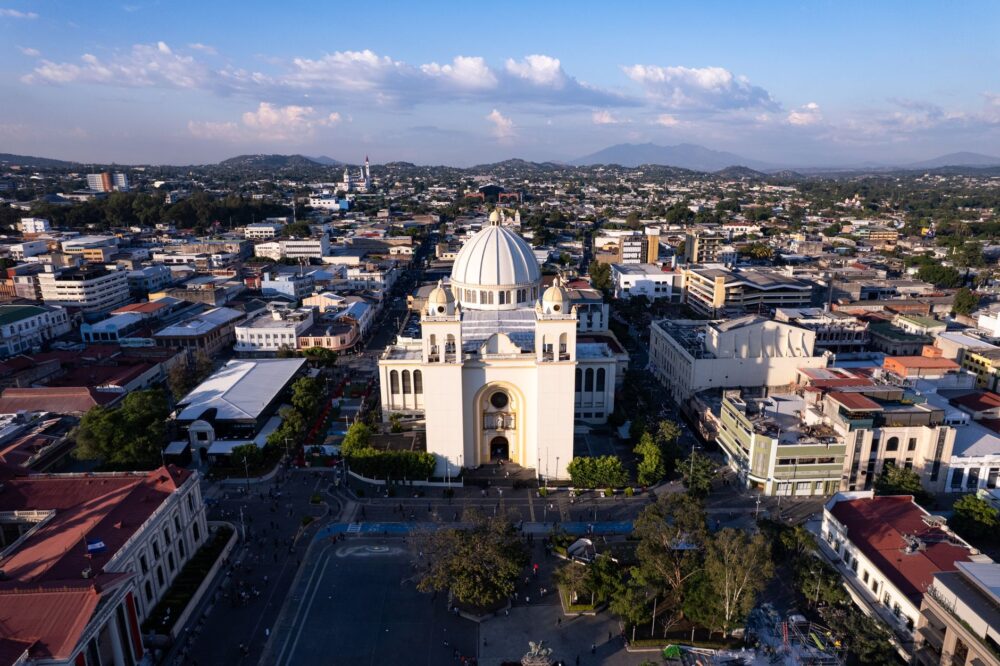
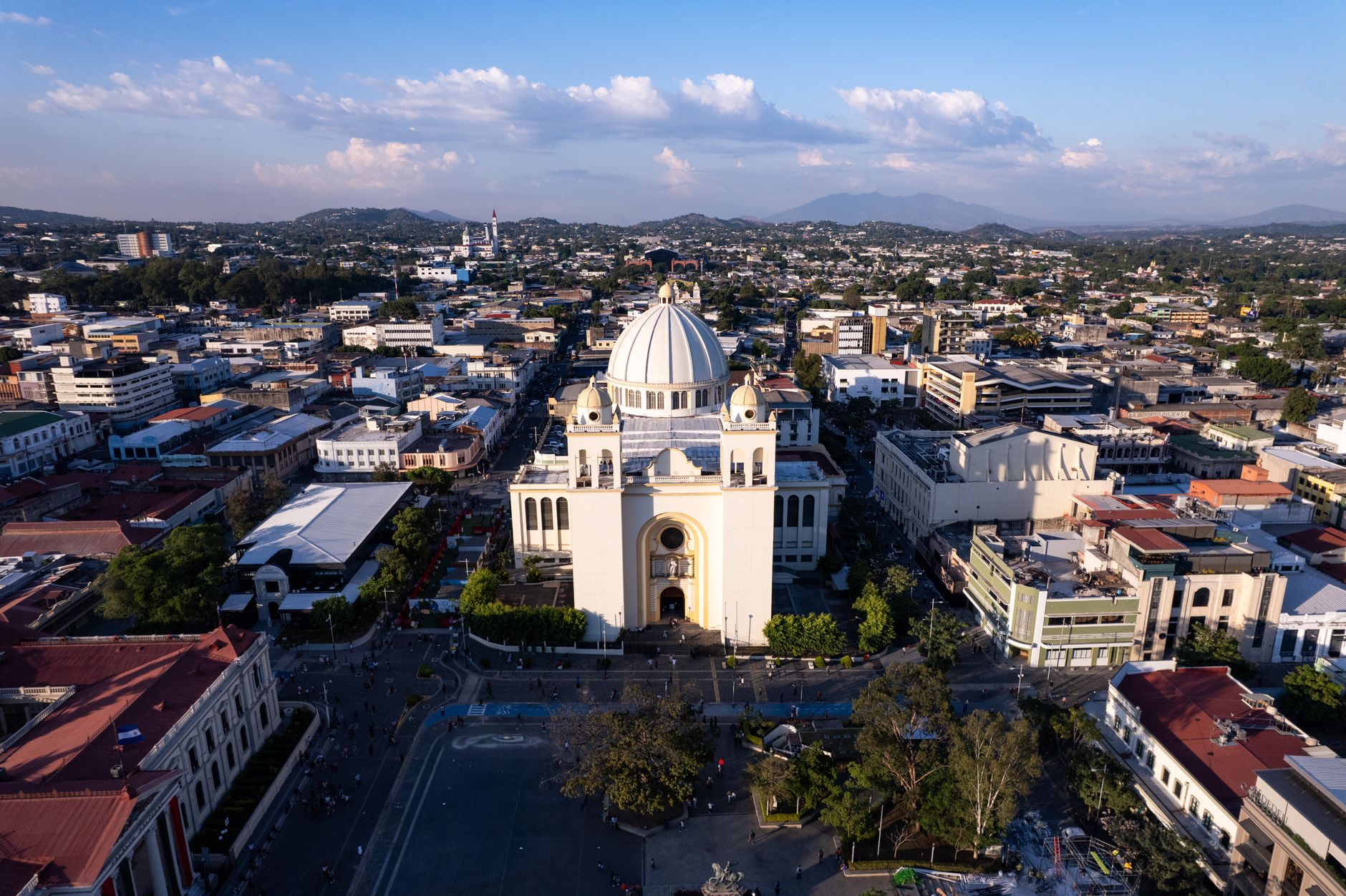
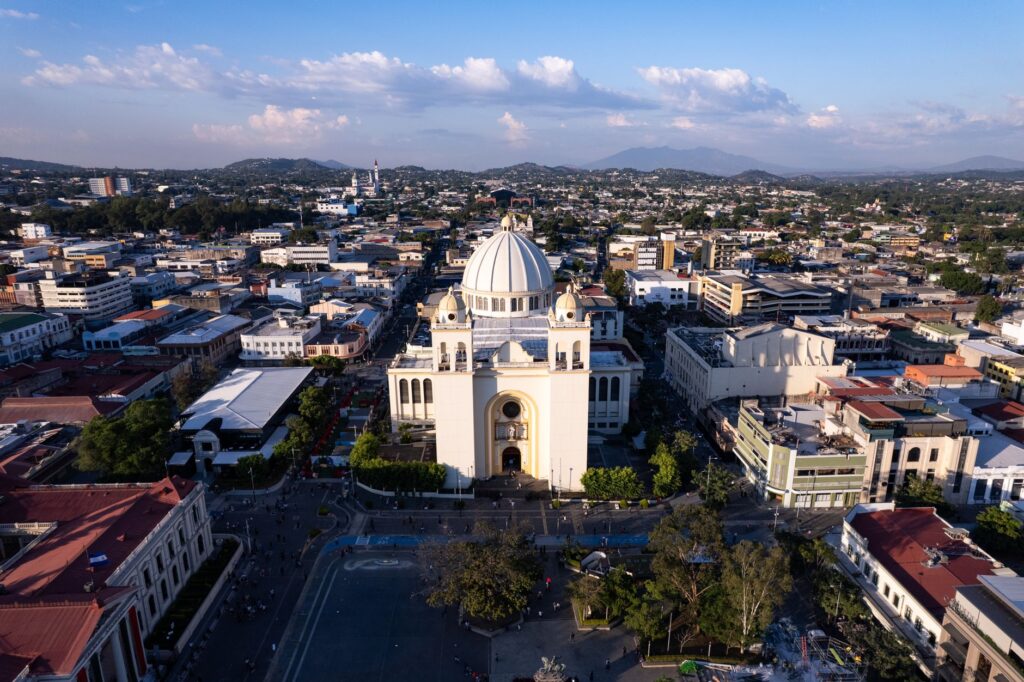
- Main Venue: San Salvador, El Salvador, with parallel events held across metropolitan convention centers and hotel facilities.
- Commercial Outlook: Business-to-Business (B2B) networking sessions establish tourism commercialization contracts effective for the 2026-2027 seasons.
- Official Follow-up: Joint communiqués and memorandums of understanding can be consulted through the institutional channels of participating tourism ministries and accredited media outlets.
The true success of a tourism summit is measured not by the number of agreements signed on podiums, but by the tangible improvement in the quality of life of the communities welcoming travelers every single morning.
As the convention center lights dim and delegations prepare for their journeys home, a shared certainty lingers in the air: Central American tourism has crossed an invisible boundary. It is no longer about competing in isolation for the attention of a global traveler saturated with choices, but about recognizing that the isthmus’s true wealth lies precisely in its shared mosaic. The tourism diplomacy inaugurated in San Salvador demonstrates that when seventeen nations choose to pull in the same direction, the horizon ceases to be a distant line and becomes a territory of shared opportunities, where the discerning traveler discovers not only extraordinary landscapes, but the warmth of a region learning to walk together.
Source in EN: Diario La Página – El Salvador Travel Market 2026 reúne a representantes de 17 años de países para fortalecer el turismo (https://news.google.com/rss/articles/CBMi0wFBVV95cUxNNjRuOXlidGRNSmN5SVVGSW1IbWdxS0k1cjVEV0hIVU0zS0tRNkZ6bjNudWFlVXJkSDN3bDJ3eU91QmtzNlBfWnFUUG1ScnNXUTc2bjRKMUNDTkNEYlNVYVNwcjhxQU5LcnFySlZLdDJ3V2gxSERmMHpPejZYVnk5Tnp1bE9NdjhDRVpHOEtKYm5leFNkdllVUlF0cjJsZXRYemtPbE5Mbm5hUnlVZEFWM2NjLVBjN3JGNUV4ZDU2eHQ2MzRuNUVxU2t1dGhDREtETnd3?oc=5)