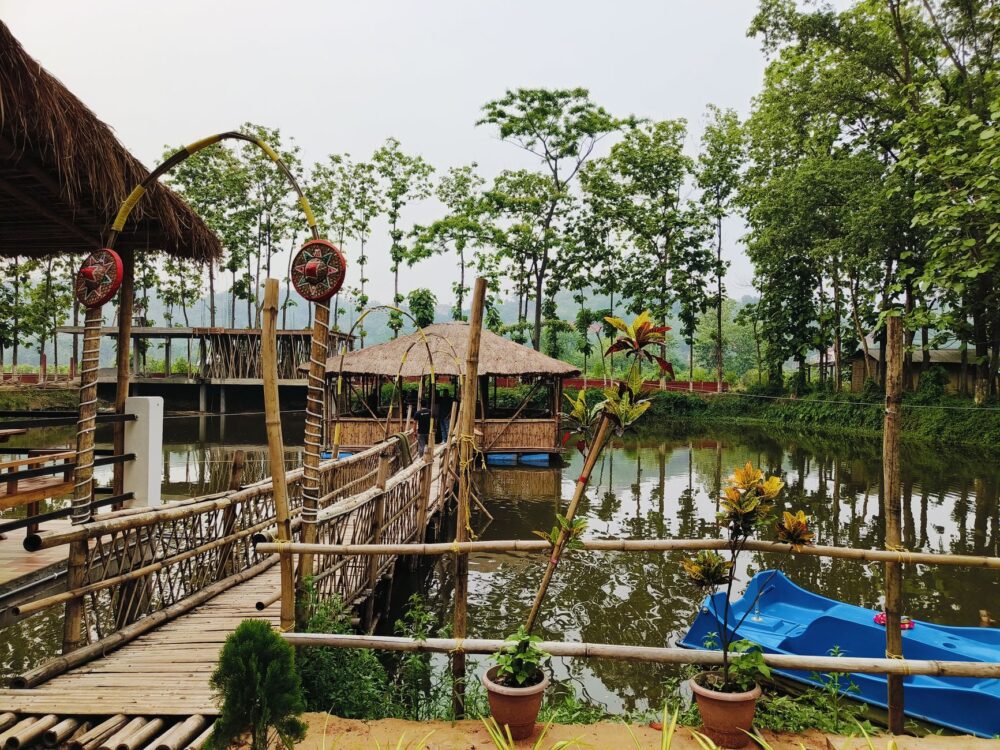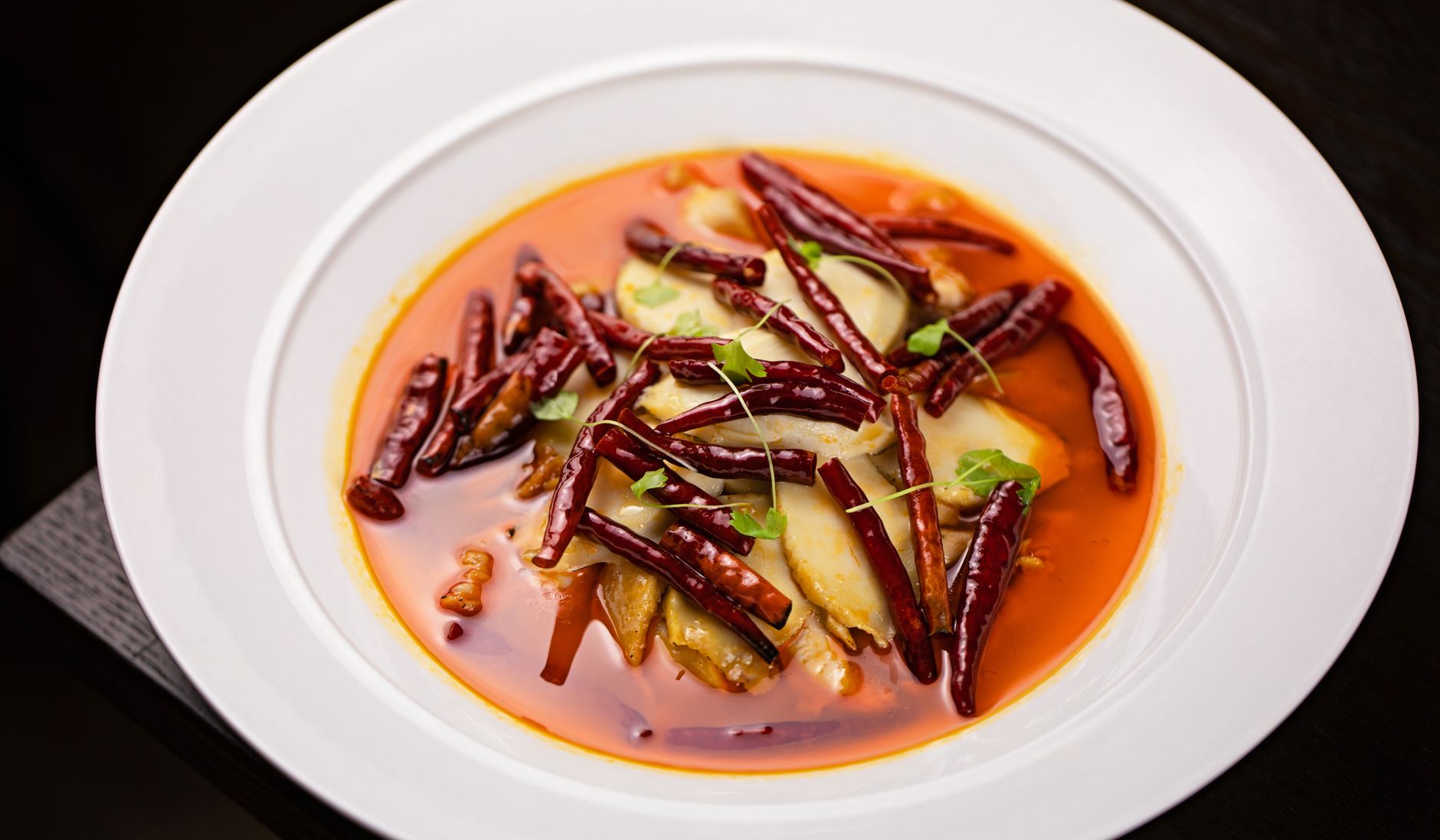

A global fallacy is deeply rooted in restaurant menus worldwide: the notion that Sichuan gastronomy is summarized by a single scorching sensation. Red chili peppers and Sichuan peppercorns dominate the popular imagination, reducing one of the planet’s most sophisticated culinary traditions to a test of endurance for the palate. Yet, stepping into the street markets and family dining rooms of the province reveals an entirely different reality. Here, spice is merely an instrument within a symphonic orchestra of twenty-four basic flavors and multiple complex profiles.
Understanding the true cuisine of Sichuan requires shedding Western prejudices and observing how the humid climate of the basin has historically dictated a philosophy of health and balance. In this misty geography, where winter drips with moisture and summer suffocates in heat, food is neither mere sustenance nor simple hedonism; it is preventative medicine, a rigorous method to regulate bodily humors through temperature, texture, and the alchemy of local ingredients.
The Geography of the Basin and the Character of Chengdu
Surrounded by imposing mountain ranges, the Sichuan basin functions as a natural greenhouse. This isolated topography historically fostered a unique agricultural culture, characterized by abundant water, the fertility of red soils, and a microclimate where fog and gloom are constants. In Chengdu, the provincial capital, life moves at a leisurely pace that contrasts with the frenzy of Shanghai or Beijing. Traditional teahouses, crowded from dawn, are the true social epicenter where business deals are negotiated, family disputes are settled, and a repertoire of light snacks known as xiaochi is relished.
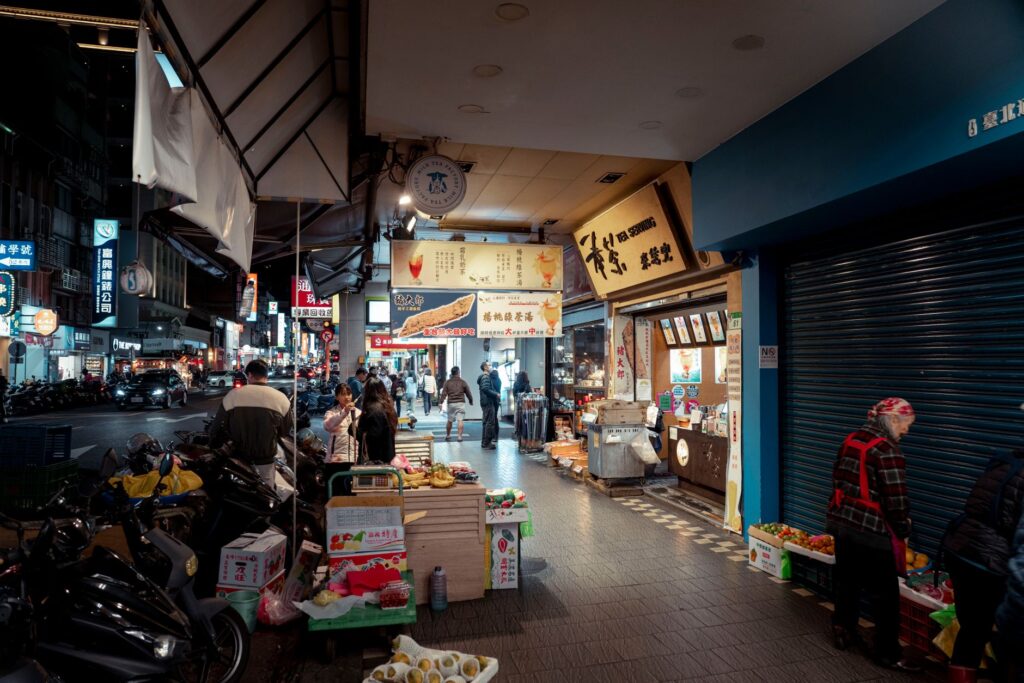
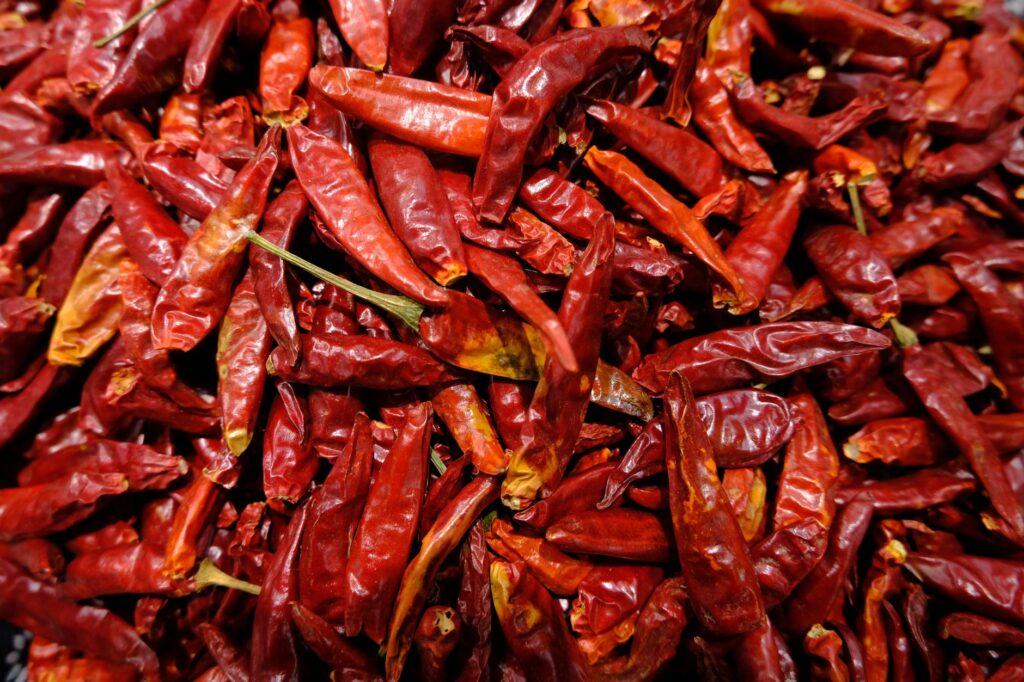
The character of its inhabitants, known for their hedonistic spirit and appreciation for leisure, is directly reflected at the table. Eating is not a rushed procedure, but a ritual of socialization that can last for hours. Local markets are the first link in this cultural chain. Here, vendors hawk fresh ginger roots, winter bamboo shoots, and piles of dried chilis with a musical cadence, while chefs select the exact components that will define the day’s lunch with near-surgical precision.
The Ancient Secret of Fermentation: The Soul of Sichuan Cooking
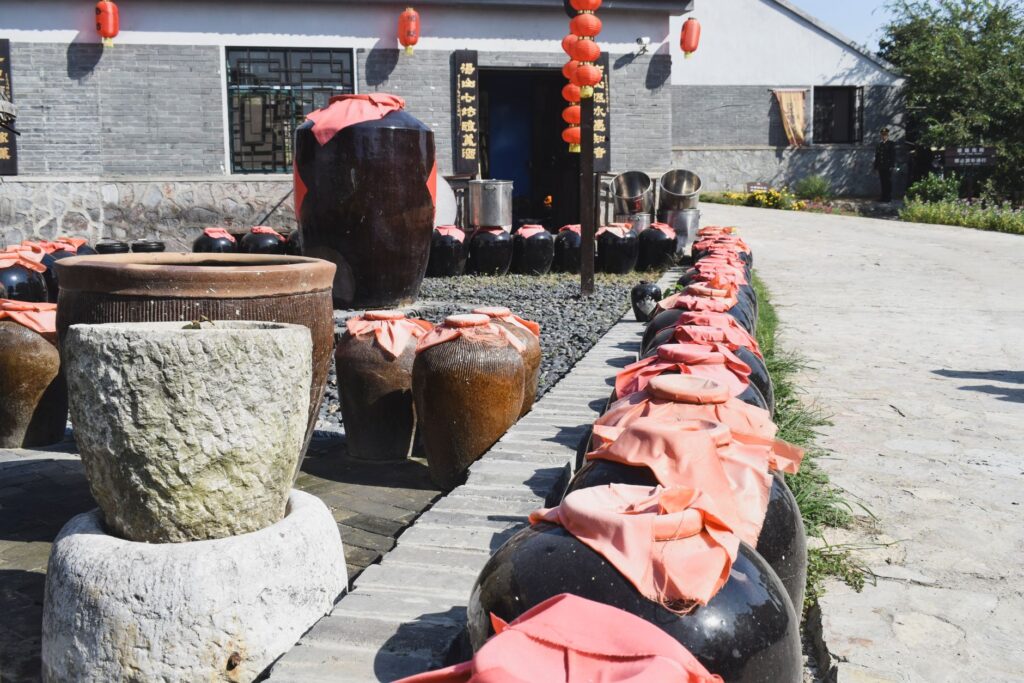
If chili provides visual stridency, fermented products endow Sichuan cuisine with its inscrutable depth. In the backyards of homes and in the artisanal workshops of surrounding villages, Pixian broad bean paste—known as the soul of Sichuan cooking—matures under the sun for months, sometimes years. This mixture of pond water, salt, and local chilis develops a dense, earthy, and slightly sweet umami that acts as the invisible base for countless iconic dishes.
To this pillar are added the famous jars of preserved vegetables, known as paocai. In every household, a ceramic jar filled with salt water, Sichuan peppercorns, garlic, and star anise houses cabbage, carrots, green beans, and bamboo shoots fermented in anaerobiosis. This process not only preserves food, but generates a vibrant, crunchy acidity that cleanses the palate between courses, counteracting fat and preparing the senses for new gustatory stimuli.
The true sophistication of Sichuan lies not in the intensity of the fire, but in the infinite patience of its fermentations and the exact geometry of its sixteen compound flavors.
The Alchemy of Twenty-Four Flavors and Sichuan Peppercorn
Far from the monoculture of spice, the region’s classic recipe books classify flavor profiles into twenty-four distinct combinations, known as wei. Among them stand out profiles such as yuxiang—which evokes the aroma of fish without containing any marine product, through the combination of garlic, ginger, scallion, vinegar, and sugar—, guaiwei—strange flavor, mixing numbing, spicy, sweet, salty, and sour—, and suanla, the classic duality of sour and spicy.
The most distinctive element of this alchemy is undoubtedly the Sichuan peppercorn, which is not actually a peppercorn, but the dried husk of the Zanthoxylum shrub. Upon biting into it, it does not provoke the sharp burn of the chili, but a unique vibration: a sensation of tingling and numbing known in Chinese as má. This light anesthetic property serves a fundamental scientific purpose: it slightly numbs the taste buds to allow the diner to appreciate complex nuances that would otherwise remain buried under the intensity of more aggressive seasonings.
The Art of the Banquet: From Street Stalls to Traditional Haute Cuisine
The culinary experience in Sichuan encompasses two symbiotic extremes: the popular facet of narrow alleys and the high cuisine of traditional banquets, known as Shanghe cuisine. In street stalls, speed and improvisation dominate; steaming bowls of dan dan noodles—characterized by their sesame paste, crispy minced pork, and chili oil—are served in a matter of seconds atop plastic stools. Here, food is democratic, accessible, and direct.
Conversely, traditional banquets represent a pinnacle of aesthetic and technical refinement. Dishes such as smoked duck with camphor leaves and tea, or delicate wontons bathed in red oil with a sugar and garlic emulsion, demonstrate that Sichuan cuisine can be subtle, elegant, and of staggering technical complexity. Each cut of meat follows precise geometry to ensure uniform cooking and perfect absorption of juices and seasonings.
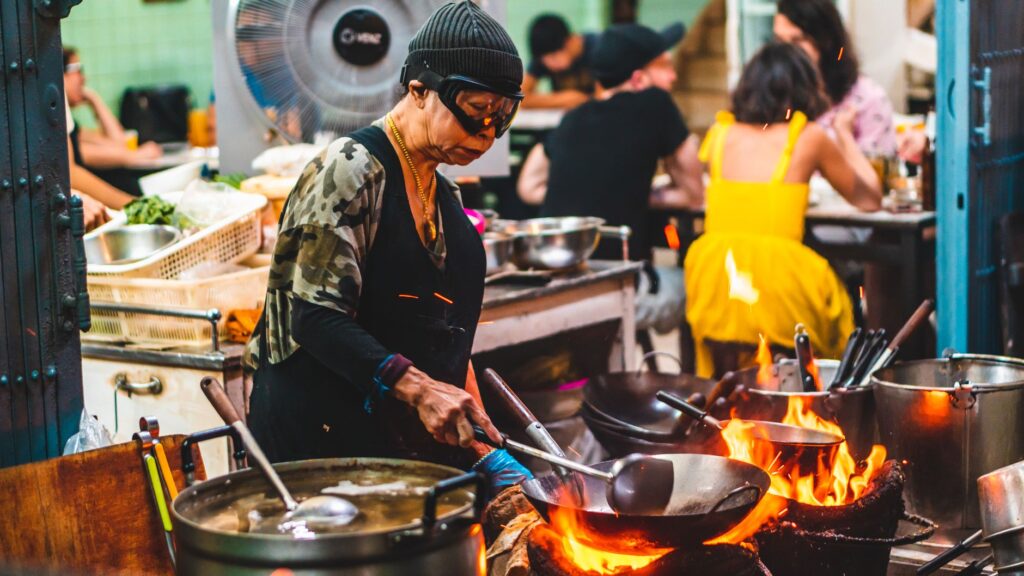
Eating in Chengdu is an act of cultural resistance; every bite reminds us that moderation and exuberance can coexist on the same plate.
The Central Role of Tea and the Philosophy of Well-Being
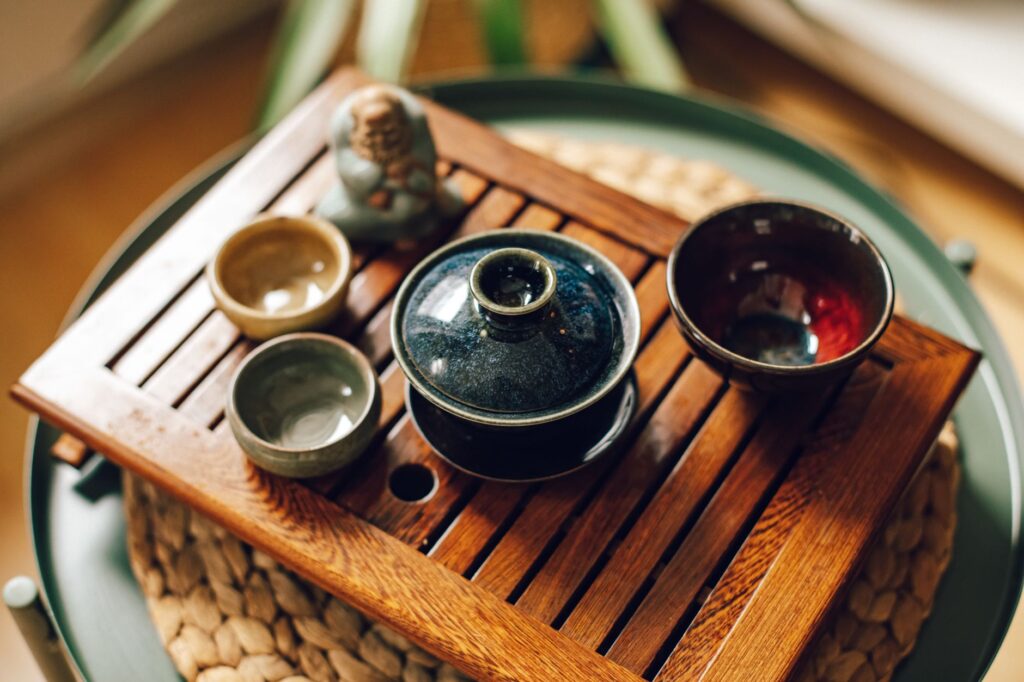
No exploration of Sichuan’s gastronomic culture would be complete without mentioning tea, which functions as the indispensable liquid counterpart to the intensity of its meals. Plantations located on the slopes of Mount Mengding produce some of the oldest and most treasured green teas in China. In Chengdu’s teahouses, the ritual of service—executed by servers who manipulate long-spouted kettles with the grace of acrobatic dancers—is an unshakable social institution.
Drinking tea in this context is not a solitary act, but a meditative pause. The hot infusion helps dissolve the heavy oils of spiced dishes, regulating the body’s internal temperature according to the principles of traditional Chinese medicine. This constant quest for the balance between yin and yang permeates every aspect of daily life, turning the table into a space of communal healing and mindful enjoyment.
Practical guide
How to get there: Chengdu Shuangliu International Airport and the newer Chengdu Tianfu International Airport connect the city with major international and domestic hubs across Asia.
When to go: Spring months (March to May) and autumn (September to November) offer mild temperatures ideal for walking through markets and enjoying outdoor terraces.
Where to eat: Explore Jinli market and Kuanzhai alleys for traditional street food; look for restaurants specializing in Shanghe banquets to experience the region’s historical haute cuisine.
Table etiquette: It is customary to share dishes placed in the center of the table. Use serving chopsticks whenever possible, and remember that leaving a small portion at the end indicates that the amount of food provided was generous and satisfying.
Final Reflection on a Living and Constantly Evolving Tradition
At dusk, when the lights of red lanterns begin to flicker over the canals of Chengdu, the entire city seems to exhale a collective sigh of well-being. Aromas of toasted sesame, star anise, and sesame oil float in the cool afternoon air, enveloping passersby in an atmosphere of unmistakable warmth. What began as curiosity about the presumed absolute dominance of spice reveals itself, upon closer inspection, as one of humanity’s most refined cultural expressions.
Sichuan cuisine does not shout; it dialogues with its environment, embraces the inclemencies of climate through the ancient science of fermentation, and celebrates human company around a shared table. In its subtle contrasts lies the ultimate proof that true culinary greatness is never reduced to a single stimulus, but to the inexhaustible capacity to find harmony amid intensity.
Source in EN: Hürriyet Daily News – Sichuan is not just about spice.