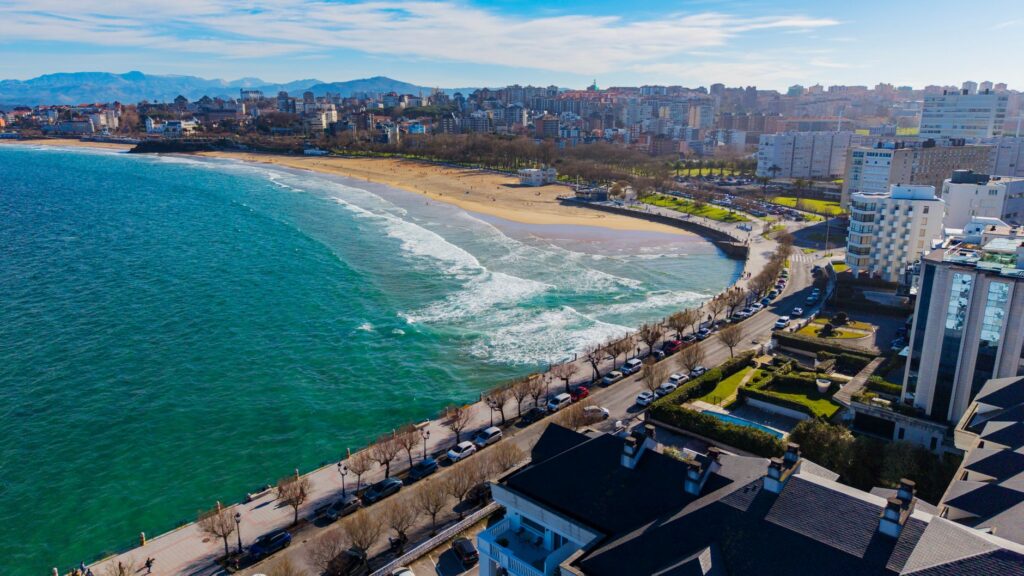
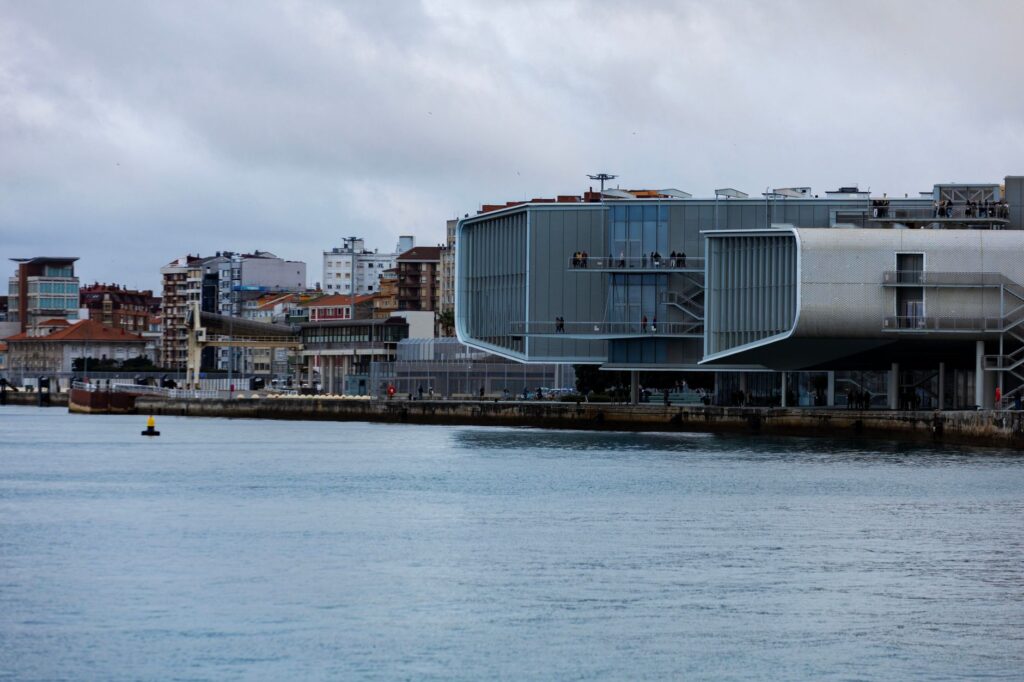
Facing the gray expanse of a bay that seems to merge with the Cantabrian sky, the city of Santander hides a daily heartbeat that escapes the summer bustle. In the vicinity of the Sotileza dock, the Central Market of La Esperanza is not merely a supply point, but the faithful reflection of a culture forged at the rhythm of the tides. Here, the produce of the sea and the interior valleys engages in a quiet dialogue, keeping alive culinary customs that have defined the character of northern Spain for generations.
While inshore fishing boats return to port with holds loaded with hake and squid, the stalls of this modernist temple awaken with the precision of an ancient ritual. There is no room for stridency in these corridors of wrought iron and sandstone; only the rhythmic sound of knives sharpening against stone and the crunch of fresh ice over zinc countertops. This report takes the traveler into the best-kept secrets of Santander’s pantry, exploring how the marine and mountainous geography shapes a gastronomic identity as sober as it is unforgettable.
The Architecture of Iron and Salt: Anatomy of a Historic Market
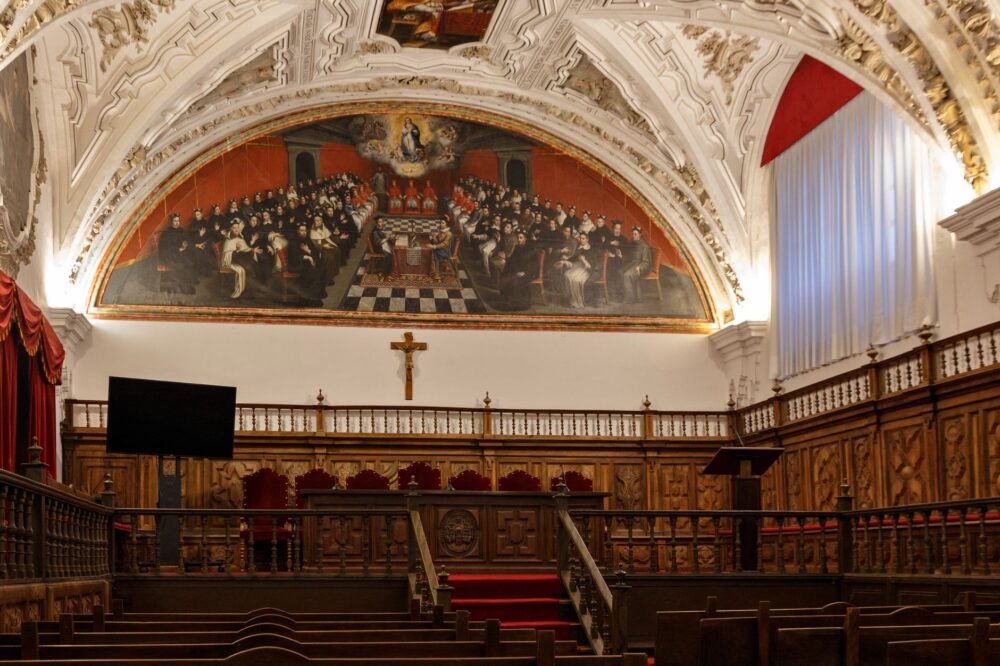
Inaugurated in the late 19th century, the Market of La Esperanza represents one of the pinnacles of industrial architecture applied to food commerce in northern Spain. Designed by architects Eduardo de los Ríos and Joaquín Rucandio, the building stands out for its diaphanous structure of cast iron, a material that maximized natural light intake and ensured optimal ventilation for the preservation of fresh produce. Stone and metal merge to create a cathedral-like atmosphere where Atlantic light penetrates through large lateral windows.
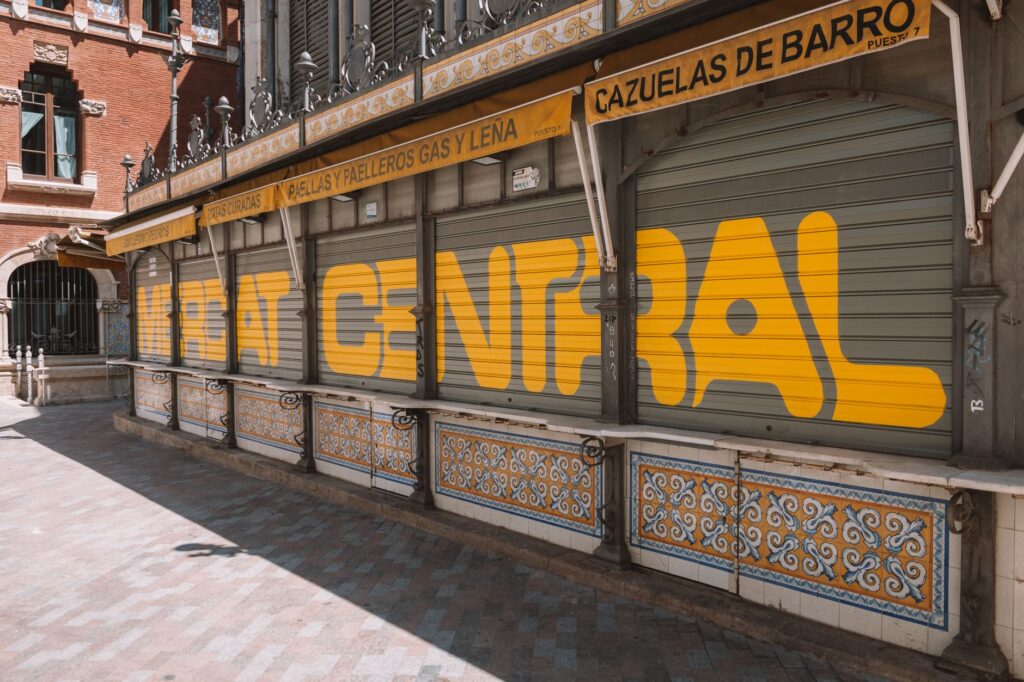
Unlike other urban mercados converted into mere gastronomic showcases for tourists, La Esperanza maintains its original vocation intact. The ground floor is almost entirely consecrated to the sea, featuring stalls displaying specimens captured just hours earlier in the Bay of Biscay. Beyond commercial aesthetics, this space functions as a living archive of urban sociology. The vendors, many of them heirs to third-generation businesses, know the exact preferences of their regular customers, establishing a pact of trust based on product honesty and seasonal respect.
The White Gold of Inshore Fishing: Hake, Bonito, and Rabas
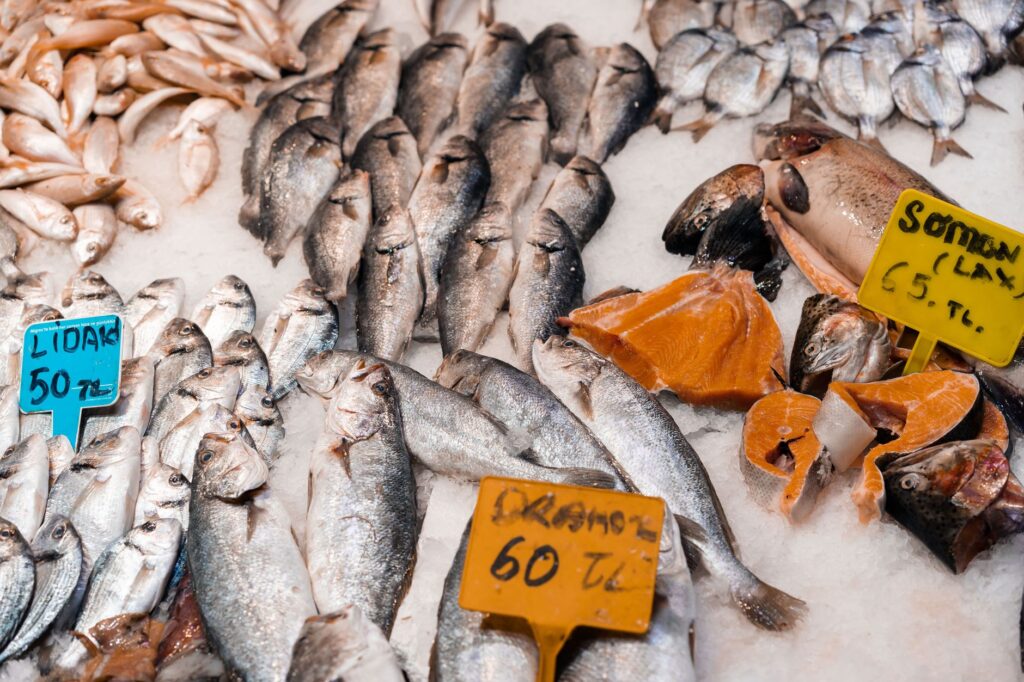
Understanding Santander’s cuisine requires grasping the liturgy of coastal fishing. At the market stalls, hook-caught hake shares prominence with whitebait, baby squid, and coveted northern bonito when the season allows. Respect for raw produce sets the culinary tone of the region, where overly complex preparations are generally considered an unnecessary masking of the primary ingredient. Freshness is measured here by flesh firmness and the pearlescent shine of the scales.
Local fishmongers explain with didactic patience the differences between catches made with traditional gear and those obtained through intensive trawling. Buying here implies embracing an invisible calendar dictated by nature. There are no wild turbots all year round, nor native flat oysters outside the cold months. This seasonal discipline is the true contemporary luxury offered by Santander, a reminder that permanent abundance is an industrial illusion incompatible with the sustainability of the Cantabrian Sea.
Beyond the Port: Pastures and Cheeses of the Marina
If the ground floor belongs to the marine domain, the peripheral stalls and producers descending from the interior regions provide the earthly counterpoint. The Santander Marina and its surrounding valleys supply a varied selection of dairy and agricultural goods that complete the region’s food cycle. Artisanal cheeses made from Friesian or Tudanca cow’s milk, such as Tresviso or Nates, reflect the richness of pastures permanently moistened by Atlantic mist and rainfall.
Surrounding market gardens, cultivated in small family plots, supply the market with intensely flavored tomatoes, cabbages for mountain stew, and Isla peppers when summer reaches its zenith.
The taste of the Cantabrian land is not the result of refined technique, but of the patience with which the farmer awaits optimal ripening under overcast skies.
This symbiotic relationship between the coastal fisherman and the inland stockbreeder explains why local cuisine resists the ephemeral fashions of globalized gastronomy with dignity.
The Taverns of the Dock: Where Shopping Becomes Lunch
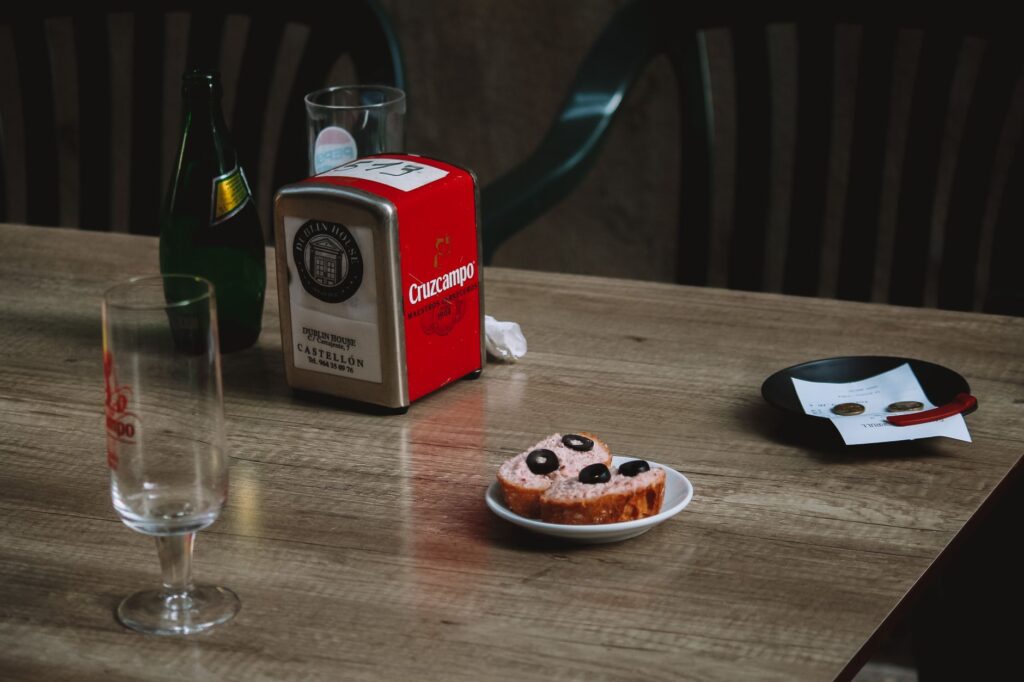
The experience at Santander’s Central Market does not end upon paying for the final piece of fish. Around the perimeter of the building and in adjacent streets, a belt of traditional taverns absorbs the fresh produce to transform it into tapas and rations for immediate consumption. These establishments, modest in size and with counters worn by use, operate as a natural extension of the commercial halls. There, shoppers who have just finished buying mix with regular patrons and local chefs.
The ritual consists of ordering a draft beer accompanied by freshly fried squid rabas in clean oil, or steamed mussels with a touch of lemon. Technical simplicity is the norm, yet it requires millimetric skill in cooking times and oil temperature that only veteran professionals master. Avant-garde innovation is not sought in these bars, but rather the permanence of a familiar flavor that evokes the collective memory of a seafaring city.
The Art of Cooking the Cantabrian: Popular Recipes and Memory
Sitting down to eat in a Santander home or traditional tavern involves delving into a recipe book where sea and mountain meet without artifice. Dishes like marmita de bonito—a sailor’s stew based on potato, onion, choricero pepper, and the fish itself—exemplify the wisdom of ancient fishermen, capable of preparing a nutritious and complex dish with minimal utensils on board. Salvage cooking is an exercise in high popular gastronomy here.
Likewise, back-cooked fish prepared with a base of garlic, chili, and apple cider vinegar proves that live fire and precise cooking times are enough to elevate humble ingredients to delicacy status. Food critics visiting the region often praise this apparent simplicity, frequently ignoring that behind each dish lies centuries of oral transmission and encyclopedic knowledge of marine currents and product ripening points.
Practical guide
How to get there: Santander boasts excellent rail connections via medium and long-distance trains linking the central station with Madrid and other northern capitals. The Seve Ballesteros Airport places the city within close reach of major European hubs. The Central Market is located just a few minutes’ walk from the train and bus stations.
Hours and visits: La Esperanza Market opens Monday through Saturday during morning hours, generally from 8:00 AM to 2:00 PM. Visiting between 9:00 AM and 11:00 AM is recommended to witness peak commercial activity and ensure the best selection of fresh produce.
Shopping tips: If staying in an apartment with a kitchen, consult vendors regarding proper cleaning methods for each fish type; most offer this service free of charge. To sample surrounding taverns, avoiding peak vermouth hours (1:30 PM to 3:00 PM) is advisable if seeking a seated table.
Recommended accommodation: Opt for small boutique hotels located in the historic center or near the Paseo de Pereda to enjoy the city on foot, avoiding private vehicle dependency during your stay.
Epilogue: The Silence of the Low Tide
When the iron doors of the market close at noon and the bustle of buyers dissipates through the cobblestone streets of the old town, Santander recovers its most intimate composure. It is then that the city reveals its true nature, one absent from tourist brochures and major headline guides. At the dock, boats sway gently on damp mud while the tide begins its slow and silent retreat.
Walking along the pier in that twilight hour, with the saline aroma permeating the air and streetlights turning on over the water, allows one to understand that the gastronomy of this corner of the Cantabrian is not a mere catalog of tasty dishes, but a way of understanding existence. A philosophy based on patience, respect for natural cycles, and the conviction that the best things in life, much like the treasures of the seabed, require knowing how to wait for the exact moment.