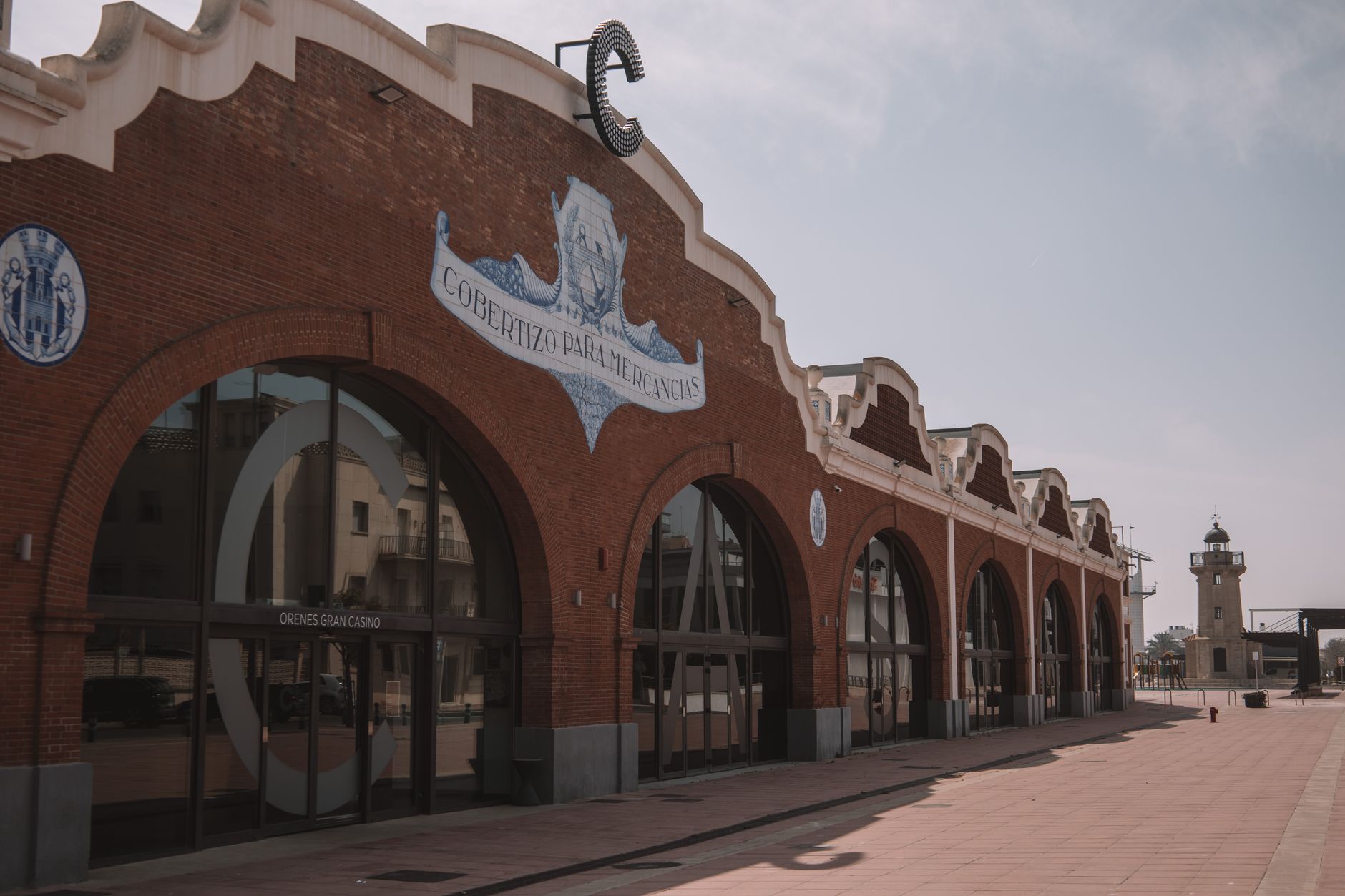

Dawn in the Plana of Castellón is not heralded by the roar of sprawling metropolises, but by the subtle murmur of fishing boats returning to the port of El Grao and the quiet hustle of fishmongers preparing crates of red prawns, cuttlefish, and red mullet. Far from mass tourism circuits, the beating heart of this Mediterranean capital is concentrated in its Central Market, a brick-and-stone building that zealously guards the gastronomic memory of a region shaped by the waters of the Seco and Mijares rivers. Here, cooking is not an avant-garde artistic exercise, but an unshakeable pact between the early-rising farmer in the orchard and the fisherman braving the eastern winds.
This report invites readers to immerse themselves in the depths of a territory where clay soils and coastal marshes converge to shape a profound culinary identity. Through the aisles of the market hall and the rural paths winding among orange groves and rice paddies, we will discover how the local larder withstands the passage of time thanks to the wisdom of artisan hands that keep original flavors alive.
The Architecture of Provision: Between Iron and Ceramic Tiles
Inaugurated in the mid-20th century after decades of stalled projects, the Central Market building of Castellón represents an architectural milestone where industrial functionality engages in dialogue with Valencian decorative elegance. Its facades, perforated by large windows that invite zenithal light, protect a diaphanous interior where lifelong stalls are arranged with surgical precision. Metal structures support a pitched roof that amplifies the morning bustle, turning the space into a resonance box where vendor calls and the rustle of wrapping paper converge.
Walking through these halls is like stepping into a living museum of endangered trades. The hydraulic floor tiles, polished by the friction of millions of footsteps, set the rhythm of a daily choreography that repeats unaltered across generations. Here, design does not pursue aesthetic ostentation, but rather hygienic and visual proximity between the product and the citizen, fostering a local consumption model that defies the coldness of large shopping malls.

Scaled Gold: The Fish Market and the Treasures of the Marshland
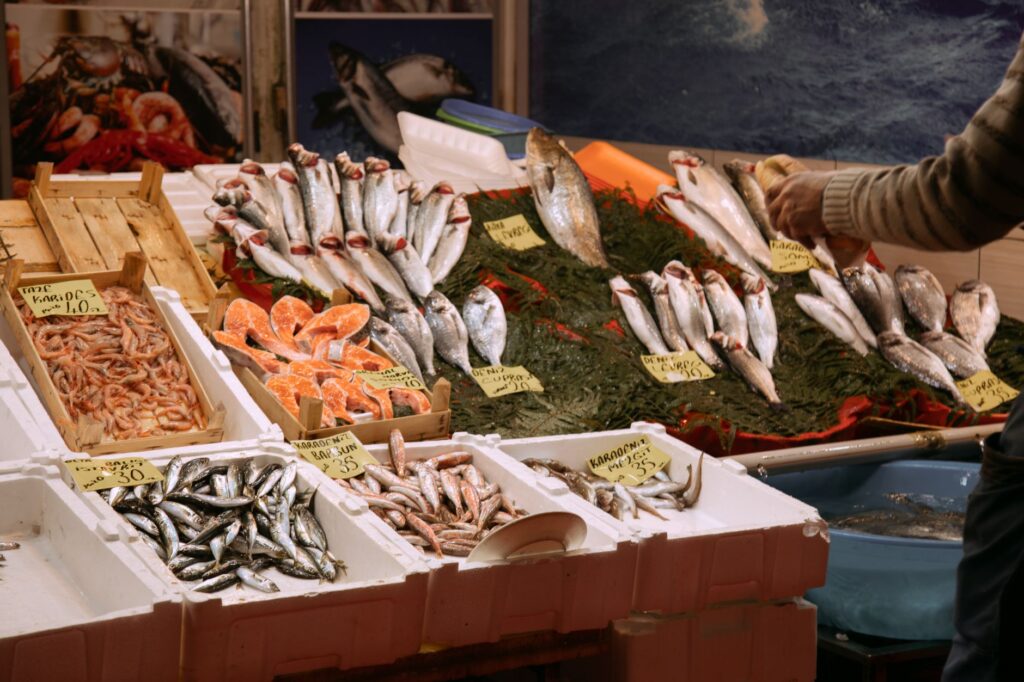
A few kilometers from the historic walls, the Mediterranean Sea unfolds a unique biological richness showcased primarily in the market’s fish stalls. The El Grao fishermen’s guild daily supplies species that define the local culinary character, from the prized prawn of Vinaròs and Castellón —renowned for the intense iodine flavor of its meat— to small bivalves populating sandy coastal bottoms. Every dawn, the fish market becomes the epicenter of meticulous bidding where veteran buyers’ experience dictates the exact value of the catch.
Yet the influence of water in Castellón is not confined to the open sea; it penetrates inland through the marjal, a wetland ecosystem historically used for rice cultivation and fishing for eels and mullet. This hybrid environment, poised between marine salinity and freshwater contributions, brings unique nuances to traditional recipes such as arros amb fesols i naps or rockfish stews flavored with sundried peppers and saffron.
The Orchard of la Plana: Terraced Plots, Canals, and Memory
If the coast provides the marine component, the surrounding Plana constitutes an agricultural Eden shaped over centuries by irrigation systems inherited from the Andalusian era. The main irrigation canals, diverting water from the Mijares River, distribute moisture with geometric equity among small family gardens where chard, Benicarló artichokes with Protected Designation of Origin, local tomatoes, and the unmistakable mandarins and oranges turn the landscape a deep copper hue during winter months.

Conversing with farmers occupying the market’s outdoor stalls reveals the fragility and resilience of this productive model. Many continue to employ traditional cultivation techniques respecting the earth’s natural cycles, rejecting uniformity imposed by industrial standards. The result is a range of seasonal produce whose intense flavor and recognizable aroma justify the unwritten motto that true haute cuisine is always born in the small producer’s soil.
Historic Stalls: Proper Names and Inherited Knowledge
Behind every counter in the Central Market beats a family saga that has made neighborhood commerce a way of life. Butchers expertly carving Maestrat lamb, charcuterie artisans curing traditional sausages like llonganissa de Pascua, and cheesemakers selecting raw milk rounds from interior mountain ranges form the human fabric of the market. These vendors do not merely dispatch merchandise; they act as culinary advisors, explaining how to cut each piece or what maturation stage a specific cheese requires.
The market is not merely the place where a city provisions itself, but the mirror where it recognizes itself through aromas, everyday conversations, and mutual respect between those who cultivate and those who consume.
Among the aisles, specialized stalls for salted fish and pickles stand out as direct heirs to food preservation traditions indispensable before industrial refrigeration. Broken olives seasoned with thyme and savory, soaked lupin beans, and tuna mojama parade in a chromatic palette stimulating the senses and connecting directly with the historic larder of the Levantine coast.
The Liturgy of Fire and Pot: Interior Cuisine
When ingredients acquired at the market cross the threshold of homes or modest old-town eateries, they transform into dishes where time and slow heat take center stage. Castellón gastronomy shuns unnecessary artifices to focus on raw material excellence, using extra virgin olive oil from native varieties like Farga or Serrana de Espadán as the guiding thread for hearty, comforting preparations.
Vine-shoot ember stews, vegetable cocas with salted sardines, and traditional olletas de la Plana demonstrate that the territory’s popular cuisine possesses its own grammar, sophisticated in its simplicity. Here, diners do not seek sensationalist surprises, but the deep satisfaction of authentic flavors evoking home, shared effort, and seasonal celebration.
Practical guide
Planning a visit to Castellón’s Central Market and its surroundings requires respecting local rhythms to fully enjoy the experience.

How to get there and get around
The market is located in the historic heart of the city at Plaza de España. It is fully walkable from any point in the city center. To reach Castellón, regional and commuter rail networks connect efficiently with Valencia and Barcelona, while the municipal bus station links with major provincial towns and interior areas.
Hours and key moments
The Central Market is open Monday through Saturday from 07:00 to 14:30 hours. The moment of greatest bustle and authenticity occurs between 09:00 and 11:30 hours, when local restaurateurs and neighbors select the freshest daily products. Visiting during late morning hours is discouraged, as some stalls begin closing once stock runs out.
Recommended accommodation
For a complete immersion in historical heritage, the urban center features small boutique hotels in restored mansions, as well as functional lodgings near the station and El Grao beachfront, ideal for combining urban exploration with excursions to nearby natural parks like Desierto de las Palmas.
Essential purchases and products
Recommended gastronomic souvenirs include extra virgin olive oil from millenary olive trees, traditional sweets like potato pastry or sweet potato pastries, and artisanal canned fish produced along the provincial coast. Bringing reusable bags and cash for smaller stalls without electronic payment terminals is advised.

The Pulse of Tomorrow: Sustainability and Generational Handover
The great challenge facing Castellón’s commercial ecosystem in the 21st century is not product quality, but ensuring generational handover in traditional stalls. While supermarkets and digital commerce gain ground in new generations’ shopping habits, Central Market vendors and orchard producers counter this inertia by championing transparency, food education, and direct sales through joint initiatives highlighting traceability and environmental sustainability.
Protecting municipal markets and the small plots of la Plana is not an exercise in aesthetic nostalgia, but an irreplaceable economic and ecological decision to secure food sovereignty and urban health.
Looking toward the future from the market’s centennial halls also means recognizing the efforts of young local chefs who reinterpret tradition without losing respect for inherited repertoires. By reviving almost forgotten preparations and championing zero-kilometer ingredients on their menus, they prove that the most lucid modernity consists not in inventing new paths, but in walking ancient ones with open eyes and maximum ethical rigor.