The Architecture of Light and Maritime Rhythm
In the heart of San Fernando, where the blinding white of lime competes with the intense blue of the Cadiz sky, the morning begins long before the sun warms the flagstones of the main square. The Central Food Market is not merely a commercial exchange point; it is a living organism, an archive of gestures and knowledge accumulated over generations that define the identity of La Isla. Here, the early 20th-century iron and glass architecture acts as a sounding board where the echoes of morning cries blend with the rhythmic clicking of knives on the wooden cutting boards of the fish stalls.
Crosscurrents of flamenco rhythms and tavern whispers float in the air as the first shoppers cross the threshold. There is no shrillness, only a silent, millimeter-precise choreography. Wholesalers display their catch on beds of crushed ice with almost sculptural precision, sorting the treasures of the Atlantic according to their exact origin: from the depths of the tidal inlets to the breakers of the sandy coast. It is the reflection of a gastronomic culture that views produce not as an inexhaustible resource, but as a fragile pact between humanity and saltwater.
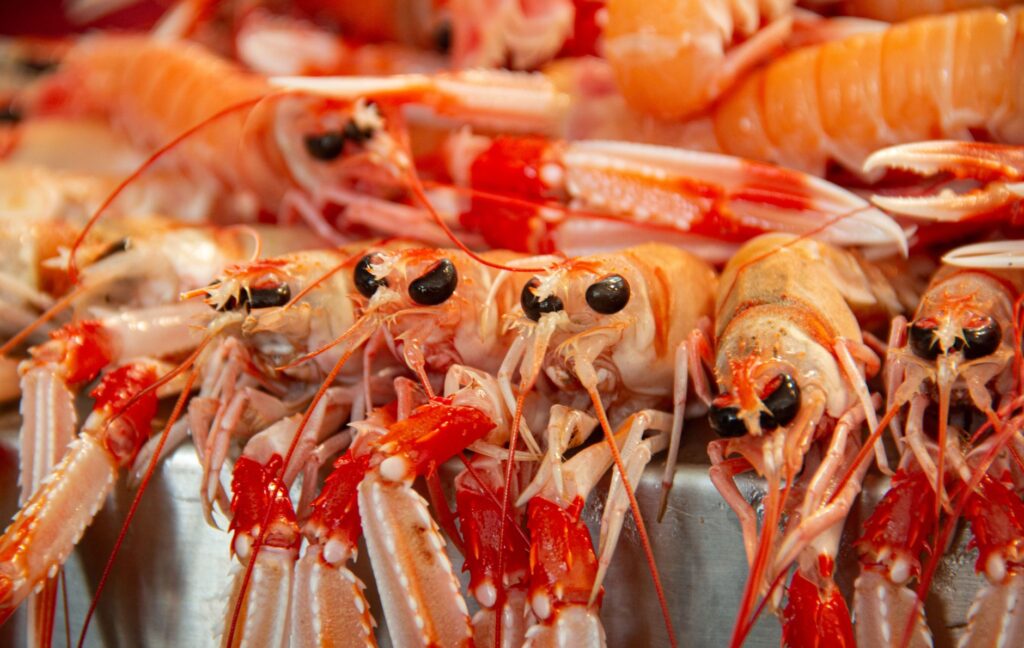
The light of the bay penetrates obliquely through the high windows, illuminating the silver scales of the wedge sole and the iridescent reflections of the prawns. In this space, every counter tells a story of economic resilience and local pride. The stallholders, direct heirs to a lineage of gatherers and grocers, handle weights with a fluency that defies modern digital scales, preferring the traditional balance and the expert eye that calculates the exact weight of a prawn by holding it for a few seconds in the palm of the hand.
The Alchemy of the Estuary: Between Mud and Tide
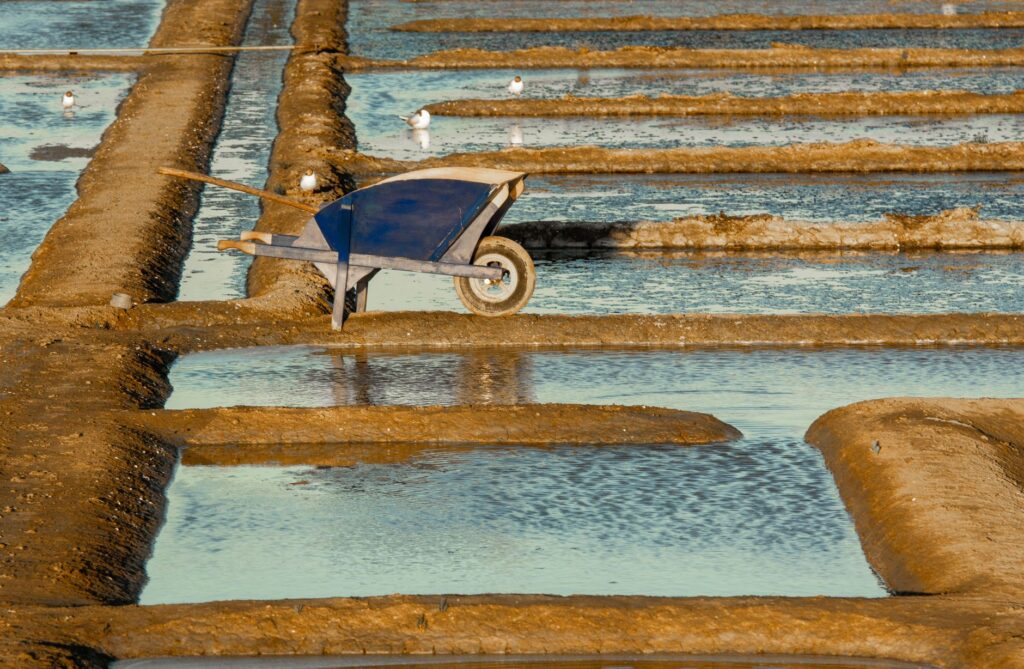
To truly understand the dimension of what is sold in the island market, one must abandon the urban bustle and venture into the surrounding estuaries. Ancient salt pans transformed into natural nurseries, these labyrinths of water and mud are the habitat where prized specimens such as estuary seabream, sole, and wild sea bass are raised. Here, human intervention is subtle but decisive: spring tides are harnessed to renew the water in the ponds, allowing the fish to feed on small crustaceans and plankton that impart an unmistakable texture and flavor to their flesh.

The water cycle dictates the rhythm of the estuaries with astronomical punctuality. When the tide goes out, the channels reveal their banks of dark mud, releasing that characteristic scent of iodine and saltpeter that permeates the clothing and spirit of those who work the land and water. The estuaries are not artificial intensive fattening pools; they represent a recovered ecosystem that perfectly mimics the natural cycles of the marshland, turning an obsolete industrial landscape into a sanctuary of biodiversity and culinary excellence.
Conversing with veteran salt workers is like looking into a well of ancestral wisdom. They explain how summer water temperatures and the force of the Levante wind alter the behavior of the fish, forcing them to adjust the sluice gates with millimeter-level sensitivity. This empirical knowledge, passed down from parents to children without instruction manuals, is the true engine that feeds San Fernando’s pantries and ensures that each specimen arriving in the kitchens preserves the pure essence of the estuary.
Salt is not merely a seasoning in the Bay of Cadiz; it is the invisible thread that stitches landscape, memory, and plate into a single unbreakable piece.
The Ritual of Low Tide and the Art of Butchery
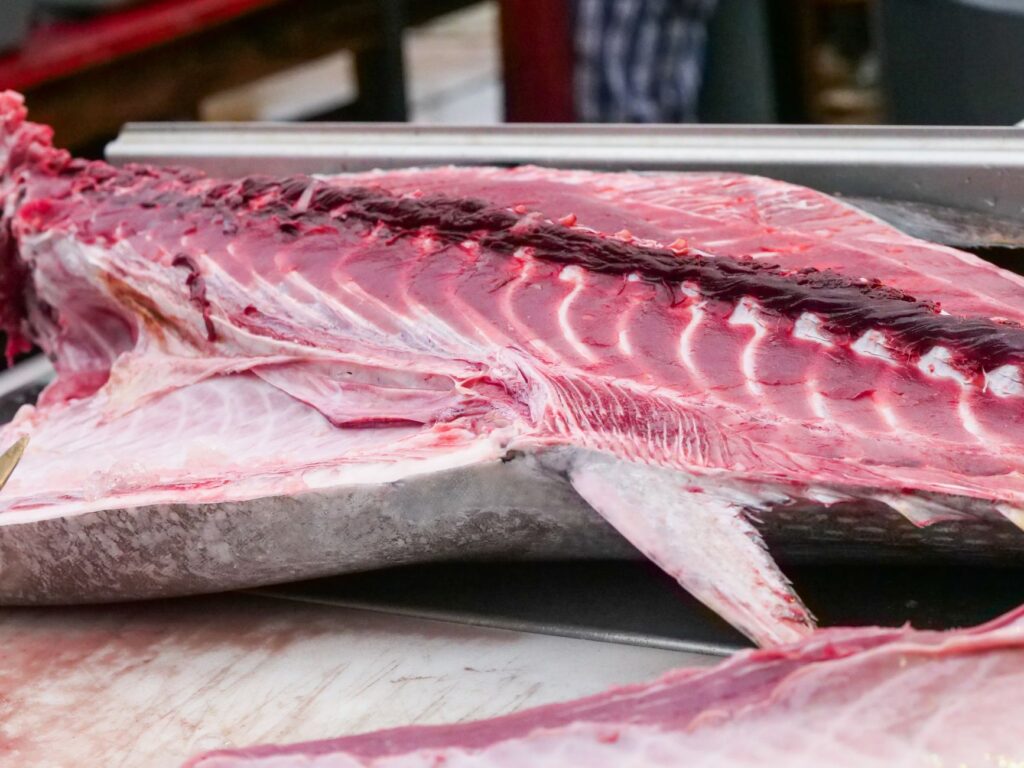
Back at the market, activity reaches its peak mid-morning. In the stalls run by families who have occupied the same corner for decades, the butchery of Almadraba red tuna turns into a masterclass performance. Each part of the animal—from the tarantelo to the mormota, passing through the descargamento—possesses a distinct fat infiltration and texture that demands specific culinary treatment. The long, flexible knife of the ronqueador glides with surgical smoothness, separating the cuts before the watchful eyes of local customers and restaurateurs.
This absolute respect for the product extends to bivalves and smaller shellfish. Cockles, harvested by hand in the low-tide sands, rest in clean water to expel the last grain of sand before being sautéed with a splash of dry sherry, garlic, and fresh parsley. There are no complex recipes or unnecessary masks; the bay’s culinary philosophy is rooted in subtraction, allowing the primal flavor of the sea to speak for itself without superfluous interference.
The market aisles also function as a social agora. Between stalls, debates arise over the latest catch, the price of shellfish for the weekend, or the merits of a particular family recipe. Grandmothers’ recommendations mingle with proposals from young chefs visiting the market for daily inspiration, generating a rich intergenerational dialogue that ensures traditional flavors survive while adapting to contemporary sensitivities.
The Treasures of the Brackish Orchard and the Sandy Shore
While the sea exerts a magnetic pull, it would be a mistake to overlook the terrestrial pantry surrounding San Fernando. In plots bordering the marshes, where the soil retains high doses of salinity and marine nutrients, unique crops thrive, such as glasswort—popularly known as sea asparagus—and wild chard. These halophytic plants, considered weeds by conventional agriculture for decades, are now prized by haute cuisine for their iodine intensity and crunchy texture.
Local farmers harvest these products with the same care applied to delicate fruit. In the market’s vegetable stalls, bundles of glasswort share space with local tomatoes, large onions, and peppers grown under the constant influence of the Atlantic breeze. This duality between orchard and sea defines a mestizo, zero-kilometer cuisine where terrestrial and aquatic elements complement one another in fish stews, cold soups, and grilled preparations.
Combining these vegetables with estuary fish yields memorable dishes that rarely leave the domestic sphere or traditional country inns. It is in these small details that the richness of a territory unwilling to homogenize becomes apparent, keeping alive the botanical and culinary particularities of a geographical corner as singular as the Bay of Cadiz.
Slow Fire and the Recipes of Resistance
When the market shutters begin to roll down at noon, activity shifts to the kitchens of homes and historic-center taverns. Here, stews simmer slowly over low heat with local legumes, spinach, and chunks of rockfish that add density and substance to memorable broths like warm gazpacho or potatoes with cuttlefish. These are dishes of humble origin, conceived to make the most of available resources in times of scarcity, but elevated to the category of popular haute cuisine thanks to meticulous cooking times and the balanced use of basic seasonings.
The soffritto, the invariable base of much of island cooking, is worked with infinite patience. The onion must be sweated until it reaches a translucent amber hue before adding ripe tomatoes and a generous splash of local wine. This process, demanding dedication and constant attention, contrasts with the rush of modern life and champions cooking as an act of pause, meditation, and care for others.
At San Fernando’s tables, eating is a deeply communal act. Portions are shared in the center, plates circulate from hand to hand, and conversation flows with no script other than the pleasure of company. Far from the ephemeral trends of gastronomic spectacle, island cuisine defends the permanence of honest flavors that comfort body and spirit without complex technical artifices.
The Memory Written in Centennial Counters
Strolling through the old town after visiting the market allows one to connect the gastronomic present with a past rich in naval and historical events. San Fernando, closely tied to the Spanish Navy and the Royal Naval Observatory, has historically been a crossroads where officers, sailors, and merchants from around the world left their culinary imprint. However, unlike other major port cities, the town has managed to preserve an intimate, almost provincial character in the best sense of the word, where neighborhood gatherings continue to mark the daily pulse.
In less touristy corners, small grocers and delicatessens maintain dark wood shelving displaying artisanal preserves, top-quality mojama, and bottles of sherry and Chiclana wine. These establishments function as living museums of traditional commerce, where the shopkeeper knows not only the names of customers but also their exact family preferences regarding cheese aging or vinegar intensity.

This cultural continuity is the best antidote against globalizing homogenization. While other cities transform their historic markets into mere gastronomic theme parks for foreign visitors, San Fernando maintains a delicate yet firm balance between the modernization of its infrastructure and the preservation of its most genuine social and commercial fabric.
Preserving a traditional market is not an exercise in aesthetic nostalgia, but an active defense of food sovereignty and the right to eat with memory.
Practical guide
How to get there and around
San Fernando boasts excellent rail connections thanks to the Cadiz commuter train line and Medium Distance trains linking it with Seville and Madrid. The Bahía Sur and San Fernando-Centro stations provide access to the urban core in minutes. To explore the estuaries and peripheral marshland areas, a private vehicle or bicycle using the designated trails in the Bahía de Cádiz Natural Park is the best option.
When to visit the Central Market
The optimal time to immerse oneself in the market’s atmosphere is Tuesday through Saturday, between 8:30 and 11:30 in the morning, when stall activity peaks and fresh catch is displayed in all its glory. On Mondays, fish supply is noticeably lower due to the fishing fleet resting over the weekend.
Historic accommodations
For a complete immersion in the island atmosphere, staying in small boutique hotels located in rehabilitated noble houses in the historic center is recommended, where neoclassical architecture and neighborhood courtyards offer a peaceful retreat just minutes on foot from the food square.
Etiquette and shopping tips
At traditional stalls, it is customary to greet kindly and let the vendor select the best available piece based on your intended culinary use. Cash payments remain very agile, though most stalls now accept cards for standard purchases.
Recommended excursions nearby
An essential route combines the market visit with a guided tour of local artisanal salt flats and the Natural Park trails, where observing wading birds and understanding the delicate ecological balance of the Atlantic marshland firsthand is possible.
The Invisible Beat of the Bay
When evening falls and the tide begins to push back up the channels, once again covering the dark mud of the estuaries, San Fernando recovers a gentle stillness smelling of orange blossom and marine humidity. In kitchens, the last remnants of the morning’s fish rest in broths that will temper dinner, closing a perfect circle that repeats every single day with the precision of an astronomical clock. There is no grand posturing in this way of understanding life, but a serene acceptance of the rhythm set by land and water.
Observing the white profile of the city from the distance of the marshes reveals that its true wealth lies not in colossal monuments or artificial tourist attractions, but in daily fidelity to its own roots. Eating here is much more than nourishing oneself; it is participating in a millenary pact between humanity and the sea, an invisible commitment renewed each dawn in the orderly dimness of the Central Market, where salt, light, and memory continue to beat to the same rhythm.