
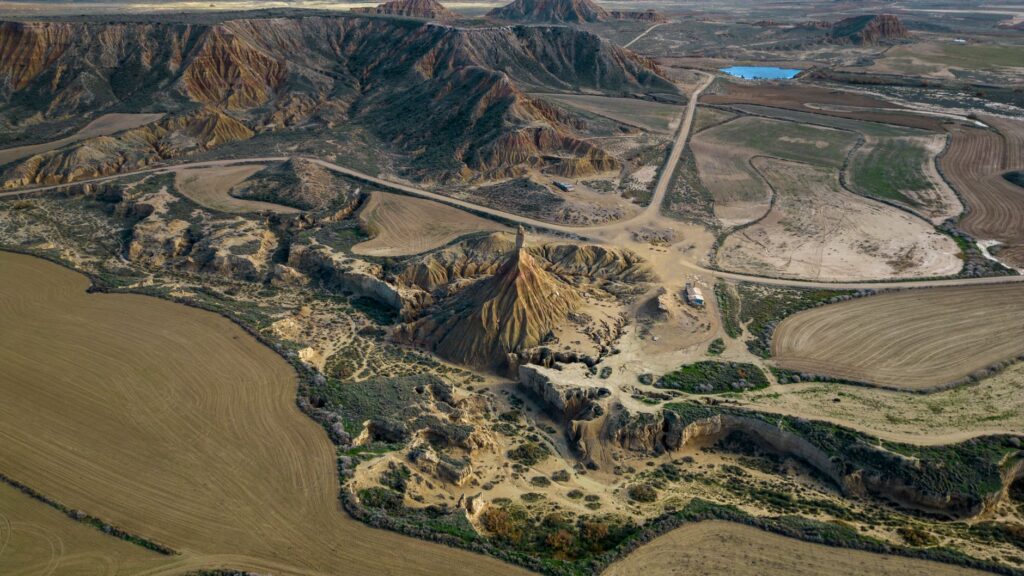
The landscape of the Bardenas Reales in Navarre defies any conventional conception of European nature. Amid clay mesas, vertical cliffs carved by the wind, and plains where the horizon fractures into a thousand ochre shades, this protected territory spanning over forty thousand hectares functions as an ecosystem as fragile as it is fascinating. For decades, the pressure of intensive grazing and torrential rain episodes threatened to unleash irreversible desertification, dragging fragile gypsum soils toward riverbeds and stripping the steppe of its original vegetative cover.
Today, however, the park is experiencing a silent yet profound transformation. Far from purely cosmetic solutions, the Junta de Bardenas Reales and researchers from the Public University of Navarre have articulated a comprehensive regeneration program based on ecological science and traditional knowledge. The cornerstone of this strategy lies in restoring microtopography through low-impact sediment retention dams and the selective sowing of native shrub species, such as esparto grass and rosemary, capable of anchoring the soil without altering the delicate hydrological regime of the area.
The Recovery of Gypsum Soils as an Ecological Shield
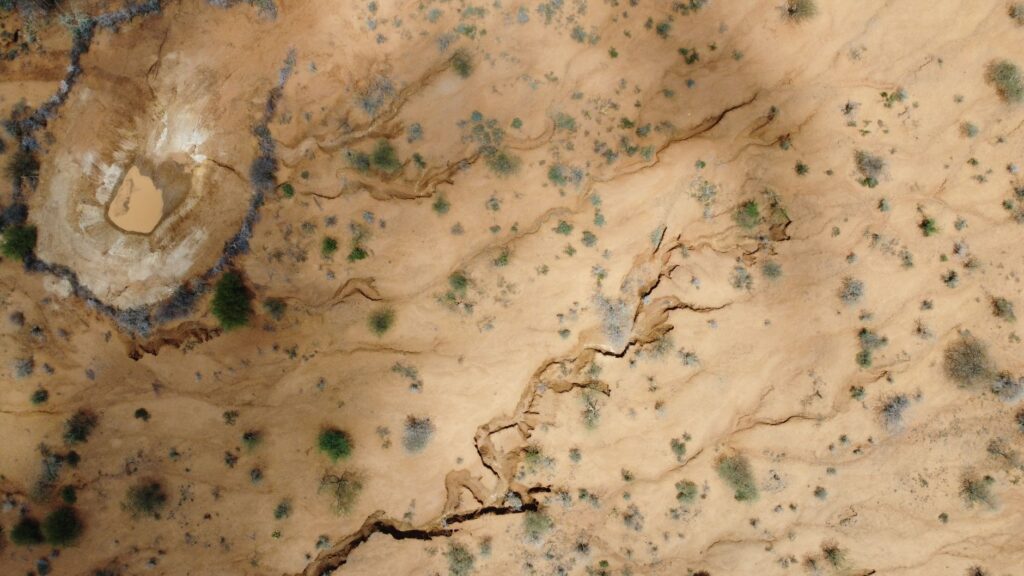
The Bardenas soil is a living geological archive characterized by its high concentration of gypsum and salts. This unique chemical composition, combined with a continental Mediterranean climate featuring scorching summers and freezing winters, drastically limits which plants can thrive. When autumn storms lash the region, water flows unhindered down bare slopes, carving deep gullies known locally as barrancos. Scientific intervention has focused on halting this destructive cycle through the installation of living vegetative barriers and the restoration of the soil’s biological crust.
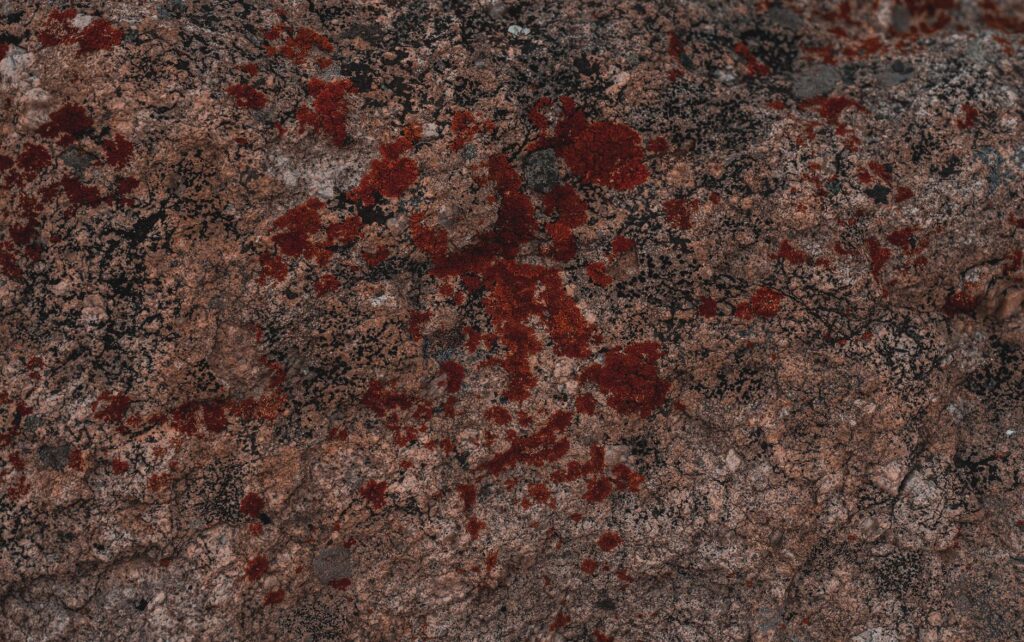
This crust, composed of lichens, mosses, and cyanobacteria, acts as a genuine protective skin that seals the surface against wind and water erosion. The restoration of this microscopic layer has proven more effective than heavy engineering works, reducing fertile soil loss by over forty percent on experimental slopes within the Vedado de Eguaras. Biologists monitor the evolution of these microbial communities weekly, observing how their resurgence favors the slow infiltration of water and the subsequent germination of steppe seeds.
The steppe is not a void to be filled, but a canvas of endurance where every microscopic plant sustains the weight of the region’s geological future.
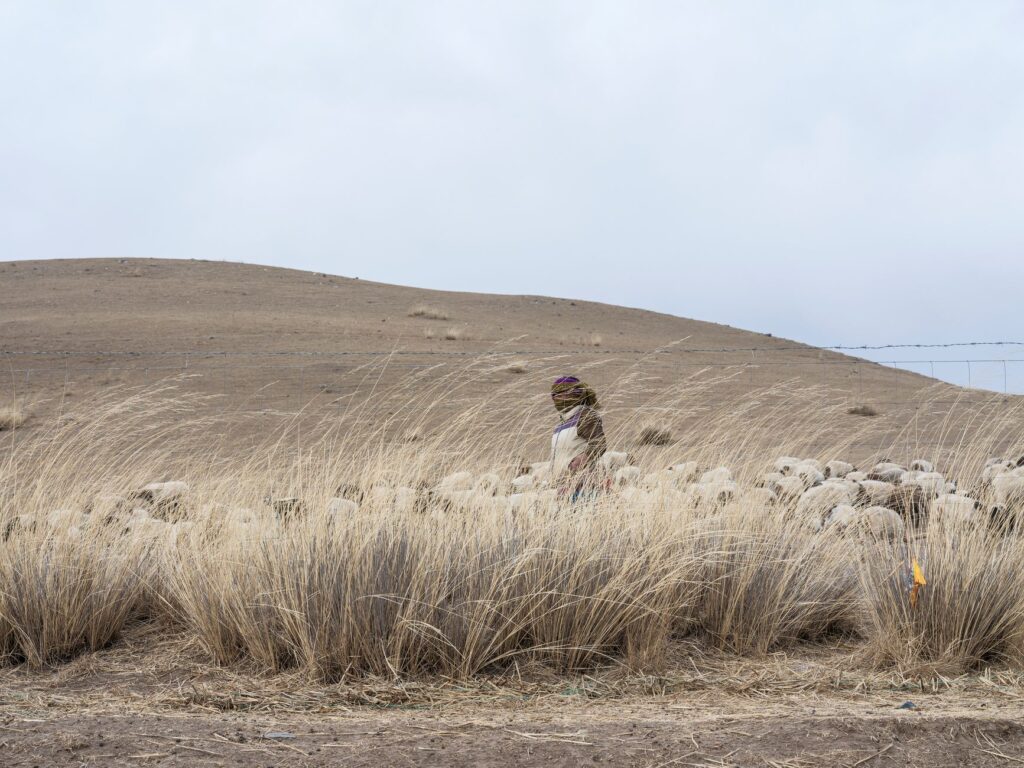
Simultaneously, local shepherds have adapted their traditional internal transhumance routes. Instead of concentrating livestock in the same watering holes and pastures for weeks, they now practice dynamic rotational grazing that mimics the behavior of wild megafauna. This controlled trampling, far from degrading the land, helps fragment the hard surface crust, allowing seeds to find a suitable bed for germination, thus closing a virtuous circle between extensive livestock farming and soil health.
Dryland Beekeeping: The Hum That Pollinates Biodiversity
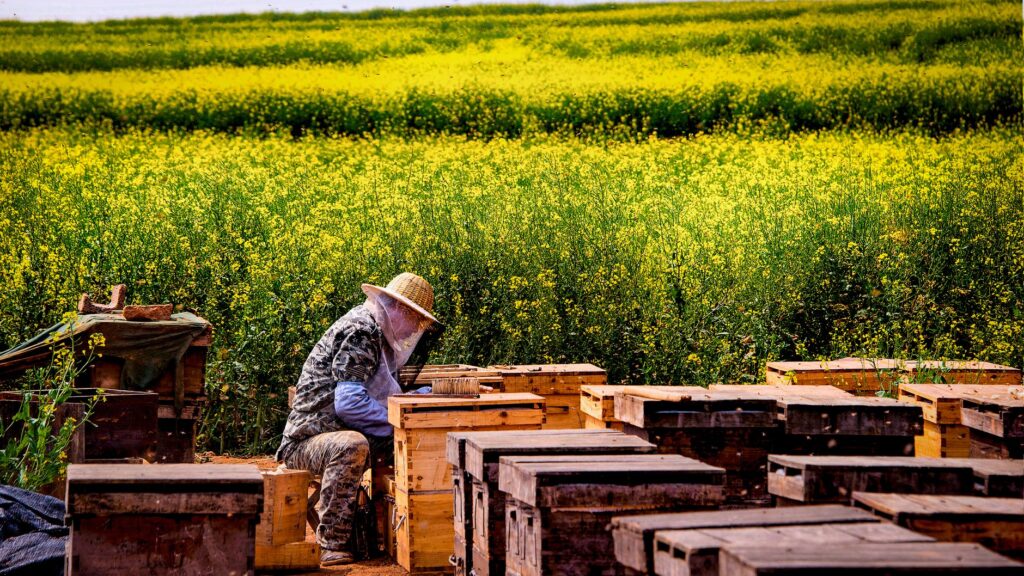
At the heart of this arid ecosystem, honey-producing flora plays a vital role that extends far beyond commercial honey production. The wild aromatic plants carpeting the Bardenas slopes during the fleeting spring—thyme, lavender, savory, and rosemary—depend entirely on wild pollinators and beehives managed under strict conservation criteria. The Beekeepers Association of Navarre, in collaboration with park management, has promoted a seasonal beekeeping model that limits the number of hives per hectare to prevent unfair competition with wild bees and local bumblebees.
This approach ensures that the cross-pollination of endemic plants reaches optimal rates, securing the production of fruits and seeds that sustain steppe avifauna. Threatened birds such as Dupont’s lark, the little bustard, and the pin-tailed sandgrouse find necessary sustenance in these flowering patches during their breeding cycles. The local beekeeping sector thus becomes a first-rate biological indicator: the purity of Bardenas honey certifies the absence of agricultural contaminants and the vitality of its blossoming landscapes.
Traditional beekeepers also act as environmental sentinels. By daily traversing the park’s most inaccessible corners to check their hives, they immediately report any incidents related to poaching, waste accumulation, or emerging erosion outbreaks. This citizen surveillance network complements forest ranger resources, demonstrating that the most effective conservation integrates those who inhabit and work within the territory.
The Role of the Local Community in Park Governance
The administrative singularity of the Bardenas Reales lies in its communal status, historically managed by the twenty-two local entities that make up the Community of Bardenas Reales, including municipalities, valleys, and the Monastery of Oliva. This collective ownership model has guaranteed that conservation decisions are not imposed from distant offices, but rather stem from consensus among farmers, herders, and town councils. The preservation of the natural environment is understood here not as a restriction on human activity, but as the only path to ensuring long-term economic survival.
In recent years, management plans have incorporated citizen participation committees to debate the impact of nature tourism. Unlike other overcrowded protected areas, the Bardenas have chosen to drastically restrict motorized vehicle access while promoting cycling and pedestrian mobility through a network of marked trails. Limiting the human footprint on clay tracks has allowed elusive species to reclaim their home ranges, reducing acoustic stress that previously affected nesting raptor populations such as the griffon vulture and the golden eagle.
Scientific Innovation and Steppe Fauna Monitoring
Applied research in the Bardenas Reales Natural Park combines traditional wisdom with advanced environmental observation technologies. Scientists from the Spanish National Research Council (CSIC) and European universities utilize high-precision meteorological stations, soil moisture sensors, and drones equipped with multispectral cameras to map vegetation health in real-time. These data allow researchers to anticipate the effects of prolonged droughts and design flexible action plans.
A notable example is the GPS telemetry tracking of steppe bird populations. The data obtained reveal that connectivity between restored patches and surrounding traditional agricultural zones is vital for the reproductive success of these species. When a sector suffers a severe erosion episode, biologists can trigger emergency protocols to temporarily divert livestock routes and allow the rapid regeneration of the herbaceous stratum. This rapid response capacity is the greatest technical asset of the reserve.
Practical guide
How to Get There
The Bardenas Reales Natural Park is located in southeastern Navarre, accessible primarily via the A-15 highway and the AP-15 to Tudela or Valtierra, the towns acting as main entry gates to the territory.
When to Go
Spring months (April to June) and autumn (September to November) offer the best climatic and landscape conditions, avoiding the extreme summer heat while allowing visitors to witness flora and avifauna at their peak.
Visiting Rules
Vehicle transit is strictly limited to authorized tracks. Leaving marked paths, camping, lighting fires, or flying drones without express authorization from the Junta de Bardenas Reales is strictly prohibited.
Recommended Accommodation
Opt for rural accommodations adhering to the European Charter for Sustainable Tourism located in municipalities such as Arguedas, Carcastillo, or Mélida, which promote local products and energy efficiency.
What to Bring
Sturdy trekking footwear, broad-spectrum sun protection, sunglasses, lightweight yet breathable clothing, and plenty of water, as natural water sources within the park are not potable.
Local Gastronomy
Taste the dryland products of the region, highlighting Chalón lamb with designation of origin, riverside vegetable garden produce, and artisanal multi-flower honeys produced in the park’s surroundings.
Information Centers
The Bardenas Reales Information Center, located next to the road from Carcastillo to Arguedas, is the mandatory initial stop to check route status and daily weather recommendations.
The Eternal Reflection of the Steppe in Rural Memory
At dusk, when the final rays of sunlight set the clay walls of Rallón and Piskerra ablaze, the landscape adopts an imposing serenity that seems to suspend the beat of time. In that moment of absolute silence, one understands that conserving this desert is not a task of dominion over nature, but an exercise in profound humility. The scars of the gypsum soil, healed by the patient hands of those who shepherd and tend the land, return to the visitor the certainty that the most authentic beauty lies in fragility’s capacity for endurance. The Bardenas Reales continue to beat, protected by the steady pulse of a community that has learned to listen to the quiet voice of the steppe.