

Steel and Rock Origins Beneath the Matterhorn’s Shadow
The Swiss canton of Valais represents one of European civil engineering’s most complex achievements. In the late 19th century, the arrival of the railway in Zermatt radically transformed an isolated valley of shepherds and mountaineers into an epicenter of sustainable alpine tourism. The railway line ascending from Visp is not a mere communication route; it constitutes a masterful deployment of masonry bridges, tunnels carved into living rock, and rack-and-pinion systems capable of overcoming impossible slopes without irreversibly altering the delicate glacial ecosystem descending from the Alps’ most photogenic peak.
The arrival of the first steam-powered convoy in the summer of 1898 marked a turning point. Swiss engineers and laborers from neighboring valleys had to contend with brutal elevation gains, unpredictable avalanches, and the geological fragility of terrain shaped by millennia of ice advance and retreat. Today, this infrastructure operates with chronometric precision, integrating state-of-the-art electric trains that harness regenerative braking energy to power the traction network, demonstrating that technological modernization and alpine conservation can go hand in hand.
Vernacular Architecture of Larch and Stone
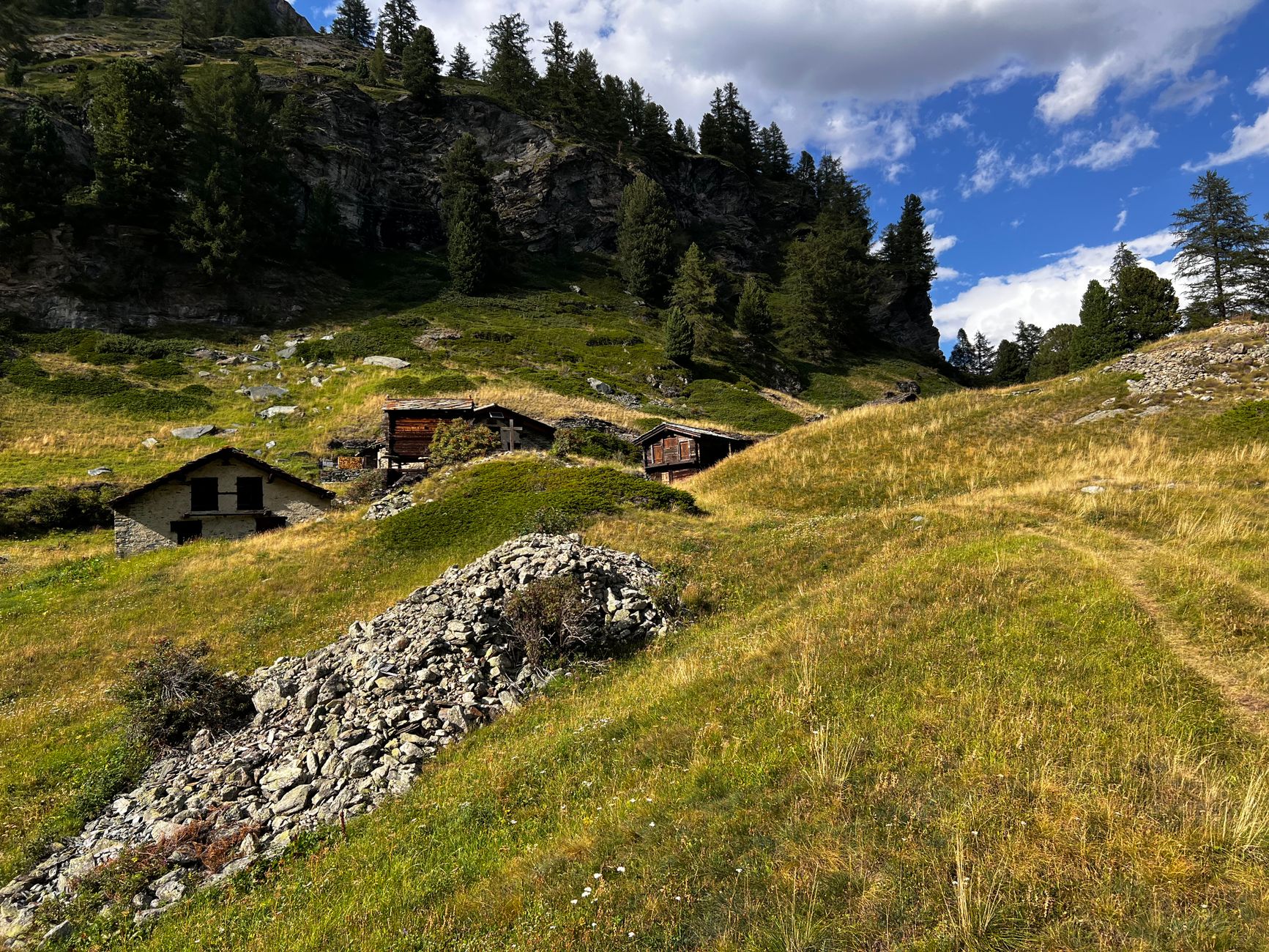
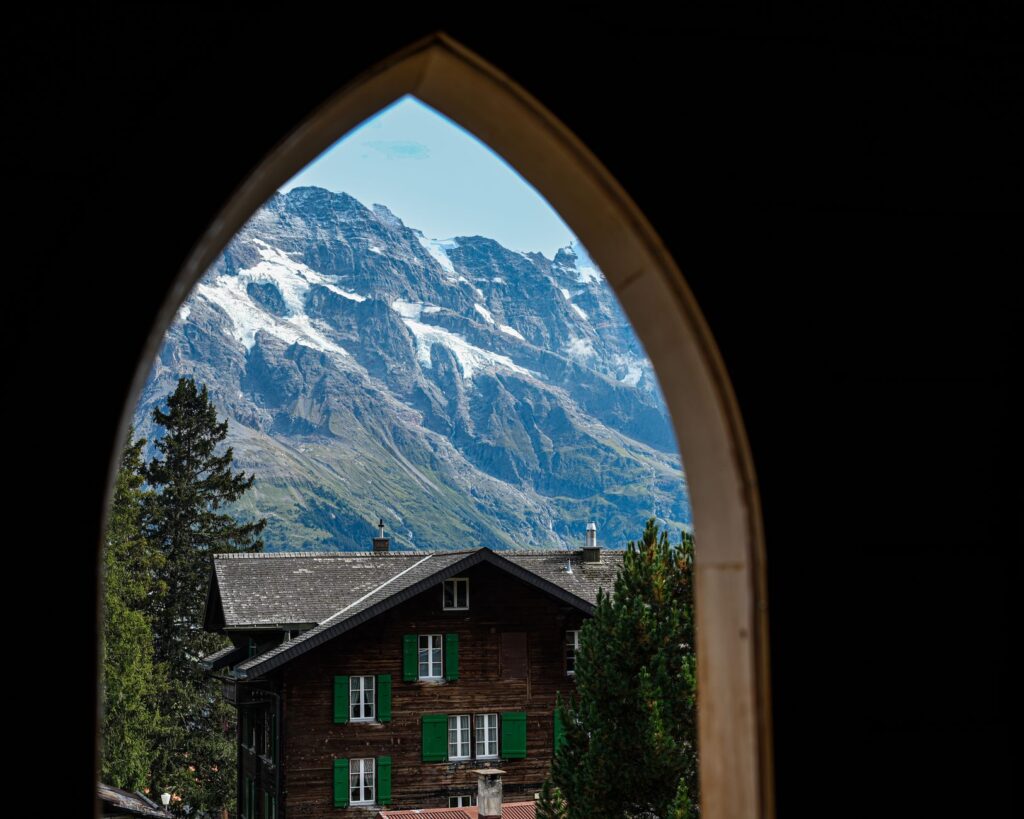
Beyond the railway tracks, the urban landscape of Valais villages responds to a strict functional logic dictated by extreme climate. Zermatt’s traditional chalets, constructed from solid larch and fir timber weathered by the sun, rest upon stone pillars topped with circular stone slabs. These horizontal discs, known locally as Mazots, fulfilled a vital function: preventing rodents from accessing grain reserves stored on the upper floor. The dark patina acquired by the wood after decades of exposure to winter snowfalls gives the ensemble an unmistakable aesthetic unity, where every beam tells a story of cold-weather adaptation.

The roofs of historic buildings, originally covered with heavy stone slabs quarried locally, withstand the push of accumulated meters of snow without collapsing. This respect for indigenous materials is kept alive through strict urban planning regulations that prohibit garish elements or those alien to Valais construction traditions. Walking through the alleys of Zermatt or neighboring hamlets like Täsch and Randa is stepping into a living museum of traditional carpentry, where master craftsmen continue using millennial joining techniques to restore the oldest structures.
High-Mountain Engineering and the Vertical Rhythm of the Gornergrat
The transport system connecting Zermatt with the Gornergrat ridge is, in itself, a monument to technical audacity. Inaugurated in 1898, this open-air cogwheel train ascends to an altitude of 3,089 meters, becoming Europe’s highest electrified narrow-gauge railway. Period engineers designed a zigzag layout winding through steep slopes, bridging dizzying chasms via stone viaducts that seem to merge with the cliffside. Every tie, every bolt, and every meter of rail demands continuous maintenance performed during months of lower tourist influx.
True sophistication in the high mountains does not lie in mastering nature, but in negotiating with it every meter of steel and every timber beam with absolute respect for the abyss.

The journey offers a masterclass in physical geography. As the convoy gains altitude, arboreal vegetation gradually disappears, giving way to alpine tundra and, ultimately, the perennial realm of bare rock and ice. From panoramic carriages, travelers can observe the Gorner Glacier, the second-longest glacial system in the Alps, whose blue crevasses reflect sunlight with blinding intensity. This mobile perspective helps contextualize the magnitude of recent climate shifts, as markings on rock walls bear witness to the steady retreat of the ice tongue over the past century.
The Refuge Culture and High-Altitude Gastronomy
The experience of traveling through Valais remains incomplete without exploring its network of mountain refuges and high-altitude restaurants. These establishments, some founded in the late 19th century by British and Swiss mountaineering pioneers, function as self-sufficient nodes combining traditional hospitality with advanced energy solutions. Solar panels discreetly integrated into roofs and rainwater harvesting systems ensure supply in enclaves where connection to municipal utility grids is unfeasible due to rugged terrain.
At the table, gastronomy reflects the historical isolation of alpine valleys. Products such as Raclette AOP cheese, crafted exclusively from raw milk of cows grazing high-mountain meadows during summer, or aromatic Valais rye bread with protected designation of origin, result from knowledge passed down through generations. Local chefs reinterpret these traditional recipes today under sustainability criteria, prioritizing small regional producers and drastically reducing the carbon footprint associated with food transport.
Sustainable Mobility and the Car-Free Model
One of the boldest decisions adopted by Zermatt’s community throughout its modern history was the absolute ban on internal combustion engine vehicles within municipal boundaries. Since the 1930s, and formally ratified in a local referendum, traffic has been restricted to small electric vehicles, horse-drawn carriages during summer months, and, above all, walking. This measure has turned the destination into a global benchmark for urban traffic management in ecologically fragile areas.

Visitors arriving by train from Visp or Täsch experience an immediate transition into a soundscape dominated by footsteps crunching on snow or asphalt free of polluting gases. The municipal fleet of electric buses and battery-powered taxis operates in coordinated fashion with railway schedules, guaranteeing impeccable logistical fluidity. This model proves traveller convenience is not at odds with preserving air quality and drastically reducing noise pollution in natural enclaves of incalculable value.
The Pulse of Local Communities Facing Global Tourism
The international success of Zermatt and the Valais canton raises complex questions regarding tourist carrying capacity management. Unlike other overcrowded destinations, local authorities and neighborhood cooperatives have opted for a qualitative rather than quantitative growth model. Limitations on issuing permits for new hotel construction and strict protection of agricultural lands ensure the valley’s demographic and cultural balance does not collapse under seasonal pressure.
Permanent residents, frequently linked to lineages of mountain guides and local farmers, actively participate in urban planning decisions. This community rooting ensures Valais’s cultural identity—reflected in Alemannic dialects, religious festivities, and traditional music associations—remains alive rather than reduced to mere commercial staging for the occasional visitor.

Practical guide
How to get there: Main access is via the Swiss Federal Railways (SBB) network to Visp station, transferring to Matterhorn Gotthard Bahn trains destined for Zermatt. Private cars must be parked in covered garages at Täsch station, as the final stretch to Zermatt is closed to private traffic.
When to travel: The winter season, spanning December through April, offers excellent skiing conditions and high-mountain rail mobility. Summer and autumn months (July through October) are ideal for hiking, geological spotting, and landscape photography, with lower visitor volumes during early morning hours.
Local rules: Respect the ban on combustion vehicles in Zermatt. Use only marked trails on mountain routes to protect fragile alpine flora and avoid disturbing local wildlife.
Accommodation: Booking several months in advance is recommended for historic chalets in the town center or high-altitude refuges if planning multi-day traverses. Verify that establishments possess energy sustainability certifications.
Silence and Memory in the Domains of Ice
When the sun sets behind the Matterhorn’s northwest ridge, the mountain acquires a copper hue that alpinists call the twilight fire. At that precise moment, the bustle of skiers and travelers fades away, replaced by the distant murmur of meltwater trickling through stone drainage channels. The warm lights of larch chalets flicker on the slope, reminding us that life in these valleys has always been an exercise in intelligent resilience against the immensity of the natural environment.
Preserving this fragile balance demands constant vigilance from scientists, engineers, and conscious travelers. Valais is not a static backdrop, but a living organism where every railway track, every stone-slab roof, and every high-altitude trail narrates the story of a millennial coexistence between humanity and eternal rock.


