
The Iron Scar Across Desert and Savanna
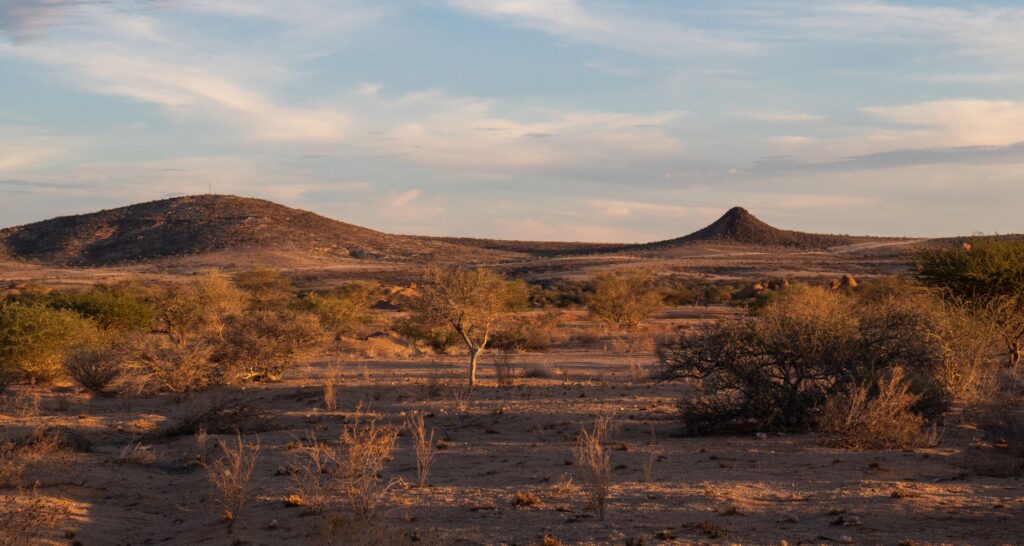
The southern territory of Angola is defined by an unrelenting geographical duality where the Namib Desert gradually merges with the semi-arid plateaus of the Huíla province. In this vast expanse, the railway alignment historically known as the Moçamedes Railway represents not merely a nineteenth-century engineering feat, but the vital artery enabling the territorial cohesion of communities separated by hundreds of miles of absolute isolation. From the Atlantic port of Namibe to the highlands of Menongue, steel tracks slice through the red earth like an indelible scar, defying erosion, advancing shifting dunes, and chronic water scarcity.
Understanding the current dimension of this corridor requires stripping the journey of any superficial romanticism to examine its complex logistical machinery. The locomotives plying this route not only transport strategic minerals and essential goods, but also serve as the sole regular communication link for entire villages whose supply chain depends entirely on the punctuality of mixed passenger-freight convoys. Here, the rail infrastructure functions as an ecosystem in its own right, where each intermediate station transforms into a spontaneous marketplace and an intercultural meeting point.
Colonial Genesis and the Topographical Challenges of the Alignment
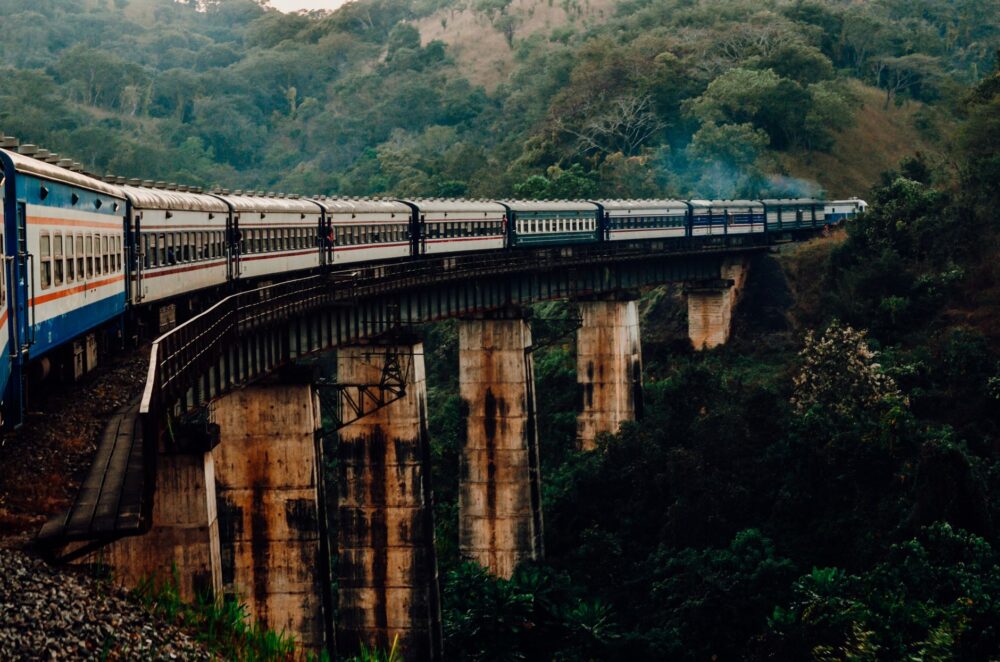
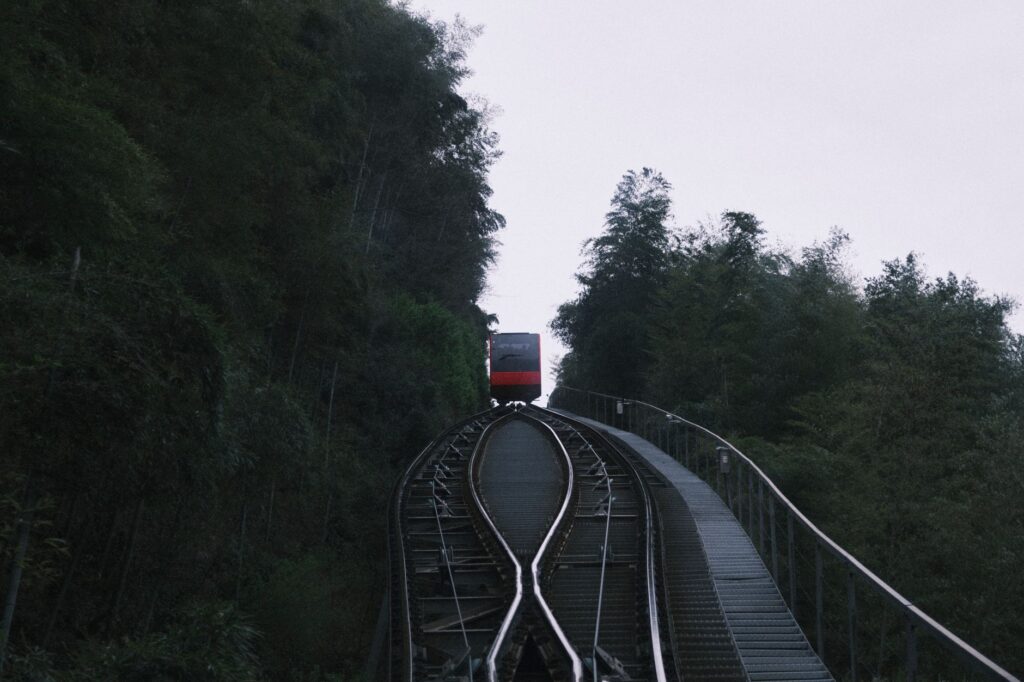
The construction of the original line began in the final decades of the nineteenth century under Portuguese colonial administration, with the initial objective of connecting the Atlantic coast with the fertile interior plateau of Huíla. Engineers of the era faced a formidable obstacle: the abrupt escarpment known as the Serra da Leba, a geological wall rising thousands of meters above sea level within just a few horizontal kilometers. Overcoming this elevation change required designing complex alignment solutions, including steep-grade switchbacks and sharp curves that continue to test the skill of engineers and the durability of rolling stock today.

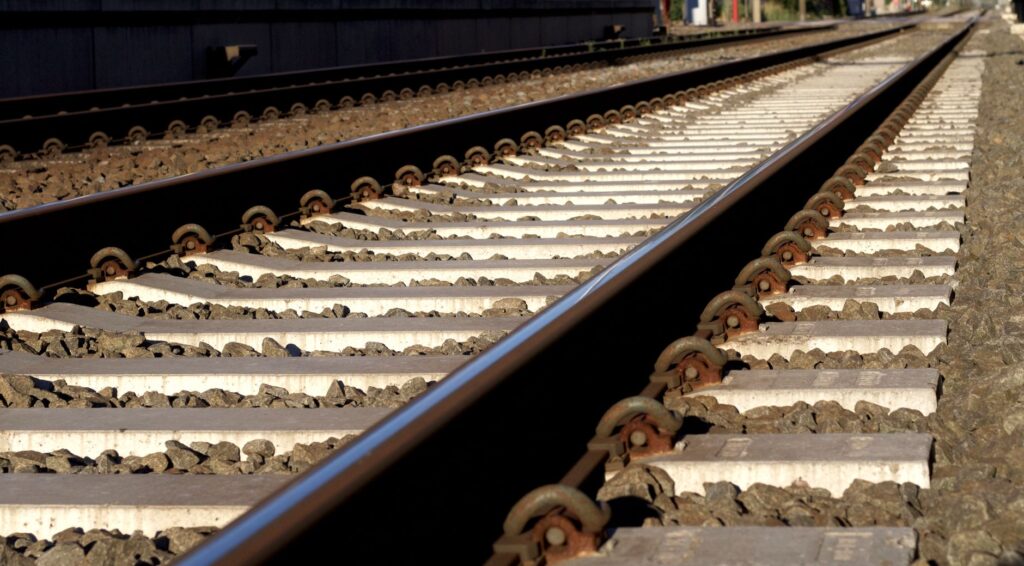
Throughout subsequent decades, the route underwent profound transformations, marked both by technological advancements in railway traction and by the devastating armed conflicts that plagued the country during the second half of the twentieth century. The comprehensive reconstruction undertaken in the twenty-first century modernized the track superstructure, replacing degraded wooden ties with prestressed concrete and installing modern signaling systems. Nevertheless, geography continues to enforce its laws: seasonal sandstorms in the coastal strip and sudden flash floods of seasonal rivers during the rainy season continue to demand constant, specialized maintenance.
Workshop Logistics and the Memory of the Engine Drivers
In the operational heart of Lubango, the railway workshops constitute a sanctuary of heavy mechanics where time seems to operate under different rules. Within these steel-framed, high-ceilinged sheds, turners, welders, and fitters keep mechanical components alive that are no longer industrially manufactured. The scarcity of imported spare parts has fostered a culture of technical resilience where local inventiveness and component repurposing guarantee fleet operability. Veteran drivers, many trained during decades of international cooperation, pass down the acoustic and tactical secrets of the route from generation to generation.
Piloting a freight or passenger train through this corridor demands an intimate knowledge of the terrain that no printed manual can fully provide. Operators must anticipate loose livestock on the tracks, minor rockslides in rocky cuttings, and extreme thermal variations that expand or contract steel rails. This symbiotic relationship between worker and machine imparts a deeply human character to the railway system, where travel safety depends as much on onboard technology as on accumulated intuition after years of service on the savanna.
The Socioeconomic Pulse of Intermediate Stations
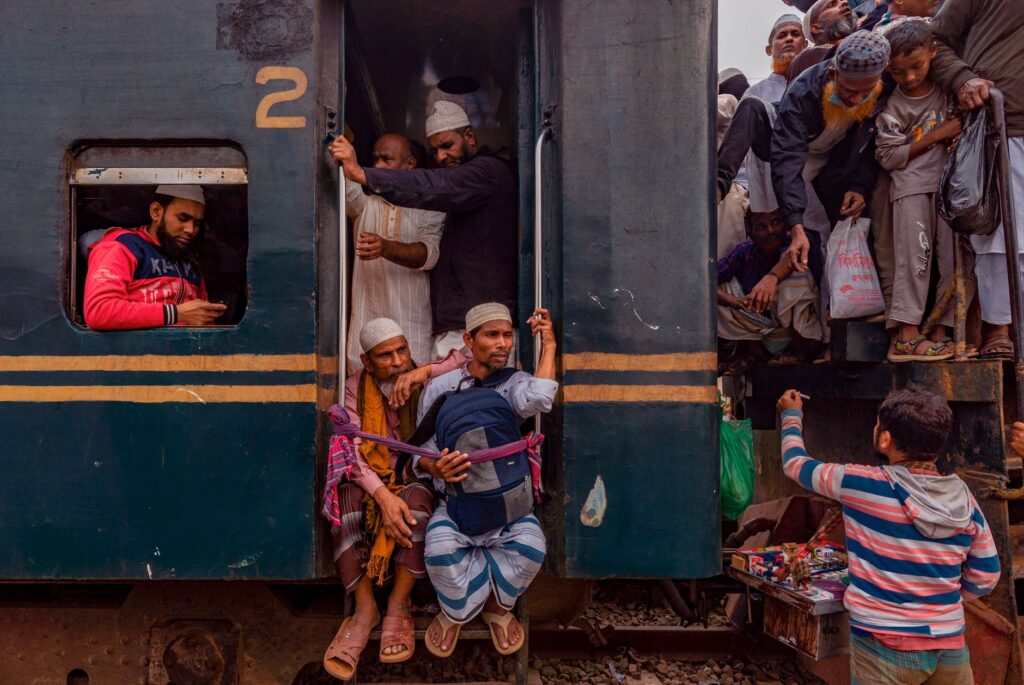
As the train pushes deep into the interior, leaving behind the marine breeze and entering the dry heat of Matala and Caconda, railway stations cease to be mere technical stops and transform into the nerve center of social and commercial life. During the brief minutes the convoy halts, platforms crowd with local vendors offering tubers, roasted maize, dried fish from the coast, and handicrafts carved from Mopane wood. This mobile commerce represents an irreplaceable economic lifeline for families who would otherwise remain completely marginalized from the formal monetary economy.
The arrival of the train sets the daily rhythm of these rural communities. Children gather to wave at the carriages with a mix of anticipation and routine, while local farmers load sacks of harvest in hopes of shipping them to more lucrative markets in Lubango or Namibe. The rail infrastructure is thus not merely a channel for heavy cargo transport, but a connective tissue preventing demographic isolation and sustaining family solidarity networks across hundreds of miles of semi-arid territory.
Landscape Conservation and Coexistence with Wildlife
The regular passage of convoys through zones of high ecological value, such as the surroundings of Bicuar National Park, presents complex challenges in environmental management and biodiversity conservation. Railway authorities and local conservationists periodically collaborate to evaluate the impact of the line on the migratory routes of large mammals, particularly populations of elephants and antelopes inhabiting the wooded savanna. Although modern trains generate lower noise levels than vintage steam locomotives, the speed and momentum of heavy freight continue to pose a potential risk to local wildlife.
Likewise, the safety strip surrounding the railway track occasionally acts as an artificial barrier fragmenting natural habitats, necessitating specific wildlife crossings and awareness campaigns directed at neighboring communities to prevent poaching facilitated by railway access. The long-term sustainability of this transport corridor critically depends on a delicate balance between the economic efficiency of logistical flows and the preservation of Angola’s fragile savanna ecosystems.
Practical guide
Planning a study trip or a rigorous journey along the southern Angolan railway corridor requires meticulous logistical preparation and full respect for local transport regulations. Unlike conventional tourism networks, this line prioritizes social and freight functions, meaning passenger train schedules may be subject to operational adjustments dictated by track conditions.
How to get there: The primary starting point for the railway network is the port city of Namibe, accessible via regular flights from Luanda or by road along the national coastal highway.
Ticket planning: Tickets must be purchased directly at the ticket windows of main stations (Namibe, Lubango, or Menongue) several days in advance. There is no centralized, reliable digital reservation system for intermediate segments.
Recommended equipment: Essential items include lightweight cotton clothing for daytime, sturdy jackets for cold nights on the Huíla plateau, a personal supply of purified water, a comprehensive first-aid kit, and waterproof storage systems to protect electronic gear from fine desert dust.
Accommodation: Formal hotel infrastructure is concentrated exclusively in provincial capitals like Lubango and Namibe. In intermediate stations and smaller localities, options are extremely limited, so return day-trips or specialized local logistical support are strongly recommended.
The Final Echo of the Track on the Horizon of Menongue
When the convoy completes its long journey and reaches the buffer stops at the Menongue terminal station, the metallic roar of engines gives way to a dense silence broken only by the whispering wind across the plains of southeastern Angola. In this frontier where the wooded savanna gives way to river basins feeding the Okavango system, the presence of the railway acquires an almost metaphorical meaning. It stands as tangible testimony to human persistence against the vastness of a continent that resists being entirely domesticated.
Observing the final uncoupling maneuvers of the carriages beneath the twilight sky reveals the collective effort sustaining this invisible corridor for global mainstream tourism. Here, every tightened bolt in the workshops, every rail section inspected under the blistering sun, and every weathered engineer’s face constitute a living heritage. The southern Angola branch is much more than an efficient transport axis; it is a moving chronicle of how engineering and community manage to weave iron bridges over the immensity of the African earth.