
Origins and Geography of an Untamed Route
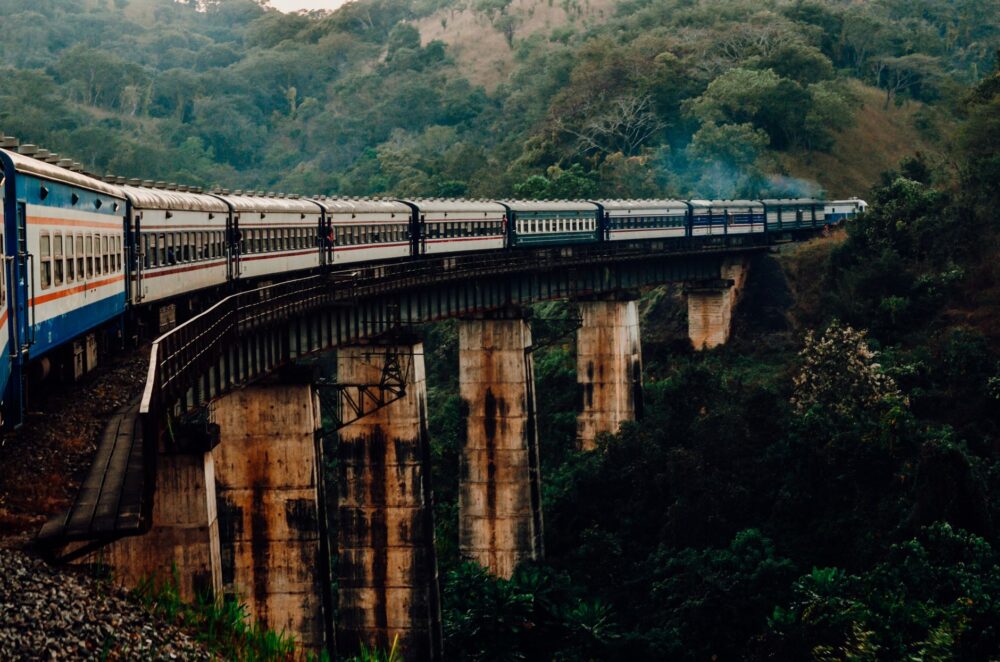
The vast expanse of the Asian steppes has historically represented one of the greatest challenges for civil engineering and land transport. At the heart of this extreme geography, the Dzungarian corridor acts as a natural gorge between towering mountain ranges, channeling the flow of goods and people for centuries. Chronicles from early explorers already documented the difficulty of traversing these plains whipped by hurricane-force winds and sub-zero temperatures. Today, overcoming this territory relies on a century-old railway infrastructure that continues to be the backbone of regional connectivity.
The conception of this layout originally responded to geopolitical and strategic needs, seeking to secure a rapid communication route between mining enclaves and industrial power centers. Engineers of the era faced the instability of clay soils and an absolute scarcity of water resources for dozens of miles around. To mitigate these factors, a system of elevated embankments and railway ties treated with special compounds capable of resisting the saline corrosion of surrounding desert depressions was devised. The result was a broad-gauge line that defies the logic of relief and maintains constant operation despite seasonal climatic onslaughts.
The railway line is not merely a means of transport; it is a living fossil of the industrial diplomacy that redesigned the demographic map of the Asian continent.
Over the decades, the modernization of this artery has required the integration of advanced signaling systems and the structural reinforcement of metal bridges spanning seasonal riverbeds. These rivers, dry for much of the year, transform into violent torrents during the spring thaw, testing the resilience of concrete estuaries. Maintenance teams operate under strict protocols, inspecting every kilometer of track with ultrasonic devices to detect steel fatigue before it compromises the safety of international freight convoys.

The Logistics of Border Crossings
The nerve center of this corridor is located at the Dostyk transfer station, an enclave where the difference in track gauge between national networks forces complex logistical maneuvering. Here, containers must be transshipped from one train to another using heavy-duty cranes, or the bogies of the railcars are mechanically replaced in specialized industrial warehouses. This process, requiring millimetric precision, turns the terminal into a Swiss watch where local workers, customs inspectors, and representatives of transcontinental logistics companies converge.
The efficiency of this exchange determines the competitiveness of trade routes connecting the Asian interior with Eastern European markets. Border delays, though reduced thanks to the digitalization of freight manifests, still depend on synchronization between diesel shunting locomotives and long-distance electric trains. Traffic management is coordinated from decentralized control centers that monitor the network’s energy consumption and heavy traffic density, ensuring bottlenecks do not paralyze the supply of essential raw materials.
The region’s dry port facilities have evolved in parallel, incorporating automated warehouses and X-ray systems for non-intrusive container inspection. This has streamlined a flow exceeding millions of tons of diverse goods annually, from electronic components to heavy agricultural machinery. The coexistence between railway tradition and digital automation defines the daily routine of these workers, whose labor takes place under severe geographical isolation.

Railway Architecture in Extreme Environments
The architectural heritage associated with this network includes late neoclassical passenger stations conceived not only as transport nodes but as self-sufficient citadels equipped with dedicated heating systems and water reserves. These structures, built with thick stone walls, withstand the relentless passage of winter blizzards locally known as the ‘buran’. Their interior design prioritizes functionality over ornamentation, reflecting the urgency with which they were planned during the early decades of the past century.
Tunnels excavated into the solid rock of mountain foothill spurs constitute another great engineering feat of the layout. Lacking automated tunnel boring machines, workers employed manual drills and controlled dynamite charges, advancing meter by meter amidst sulfurous water seepage and constant rockfalls. Today, these tunnels are lined with shotcrete staves to prevent the formation of giant icicles during the coldest months, which would pose a mortal danger to freight train clearances.
- Weekly ultrasonic inspection of welds on high-gradient sections.
- Scheduled replacement of wooden ties with synthetic polymers in damp areas.
- Preventive maintenance of snow-plow wedges at main track switches.
- Upgrading of satellite radio communication systems in areas lacking terrestrial coverage.
The interaction between the infrastructure and local fauna has also required specific adaptations. Underpasses and overpasses have been constructed to allow the crossing of migratory herds of antelopes and other steppe mammals, reducing the ecological impact of such an imposing artificial barrier. Environmental engineers work closely with railway operators to identify traditional crossing routes and adapt perimeter fencing without compromising operational safety.

Life in the Trackside Settlements
Far from major urban centers, railway settlements established near secondary stations preserve a unique community identity. Entire families of technicians, mechanics, and track maintenance workers have inhabited these frontiers for generations, keeping alive traditions blending elements of various Eurasian cultures. The local school, medical dispensary, and basic supply warehouse form the vital triangle of these communities where the arrival of the weekly passenger train represents the sole regular link to the outside world.
Extreme weather conditions condition every aspect of daily life. During winter, homes must be kept hermetically sealed and stocked with coal and firewood stored months in advance. Children attend classes in person or receive online instruction depending on the intensity of snowstorms, while adults organize community brigades to manually clear track switches when automatic defrost systems fail due to freezing temperatures.
The true resilience of this corridor does not lie in the steel of its tracks, but in the silent tenacity of those inhabiting its most remote stations.
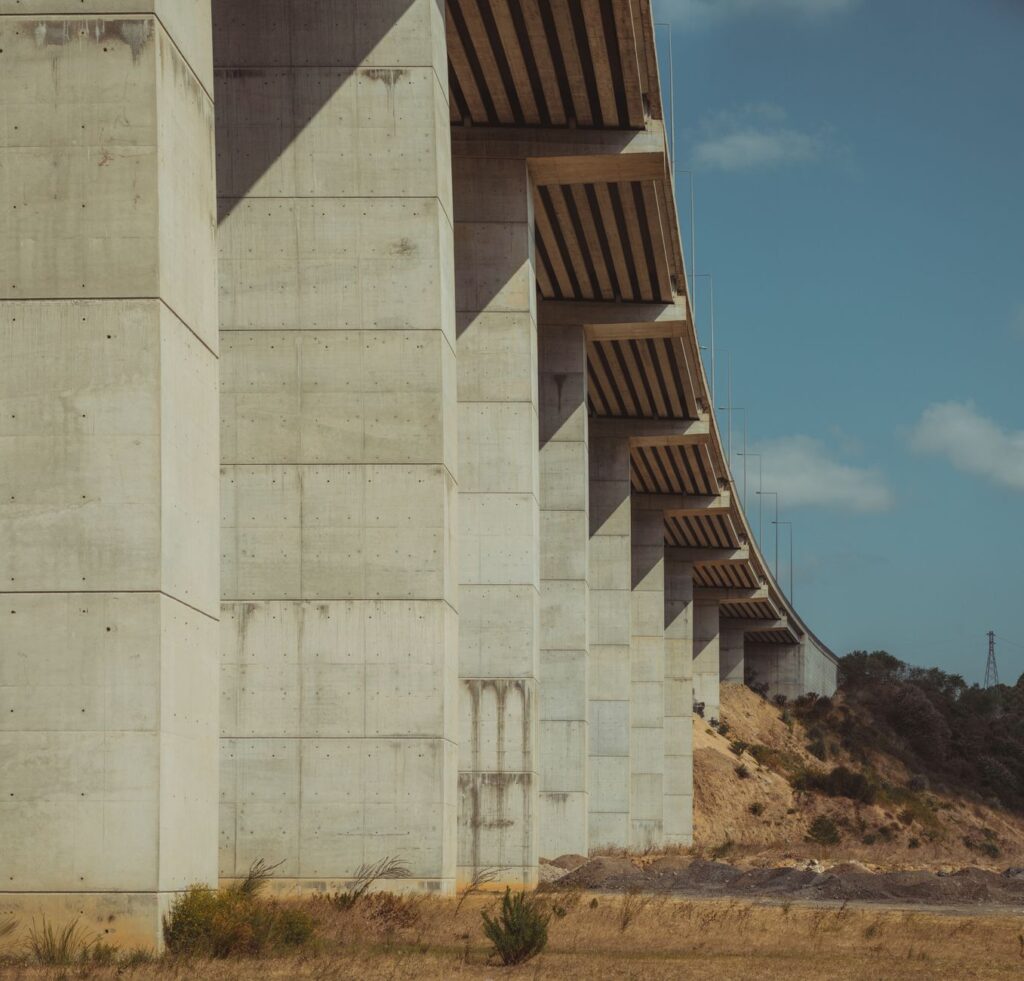
This human fabric is the ultimate guarantor that the line remains open. Despite the progressive automation of control systems, the empirical experience of veteran station masters remains irreplaceable when interpreting subtle signals emitted by the terrain before an avalanche or landslide triggered by sudden snowmelt. Their encyclopedic knowledge of local climate is passed down from parents to children as a precious legacy of survival.
Practical guide
How to get there: The main access to the Dzungarian railway region is via international flights to Almaty airport, followed by a medium-distance train journey or off-road vehicle ride toward the eastern border.
When to visit: Autumn months (September and October) offer the most stable weather conditions, with moderate temperatures and lower incidence of windstorms and snow in mountain passes.
Documentation and permits: A valid passport with at least six months’ validity is required, along with the appropriate visa depending on nationality and special transit permits issued by border authorities if accessing restricted logistics facilities.

Accommodation: Hotel options are limited to small corporate-type establishments at transfer stations and family guesthouses in the nearest urban centers. Advance booking is essential.
Safety and health: Travel insurance covering rescue in remote areas is mandatory. It is recommended to bring high-altitude thermal clothing, non-slip footwear, and a basic medical kit with medication for altitude sickness and respiratory conditions derived from steppe dust.
Visual Epilogue in the Steppe
As the sun begins to set over the infinite horizon of the plateau, the last rays refract across the steel parallel tracks, tinting them a copper hue that contrasts violently with the perennial whiteness of distant peaks. In this moment of apparent stillness, the distant sound of an approaching diesel locomotive cuts the silence with the precision of a metronome. The heavy railcars, laden with the invisible pulse of transcontinental trade, advance toward the horizon reminding us that even in the most unforgiving corners of the planet, human will has managed to carve an indelible path.