
In the northwestern reaches of Chilean Patagonia, where the Chonos archipelago gives way to the insular labyrinth of the Guaytecas, mobility is governed neither by urban timetables nor by the predictability of asphalt. Here, the territory is carved by the cold waters of the Pacific, narrow fjords, and the unpredictable force of southern winds. The connectivity of this archipelago, whose primary settlement is Melinka on Ascensión Island, relies on a delicate balance between cargo barges, motorized skiffs, and small aircraft that defy the caprices of Patagonian meteorology.
Understanding the logistics of the Guaytecas requires stripping away any conventional notion of transport. In this zone, maritime routes act as the sole survival arteries for communities living at the mercy of tides and the depth of the channels. Vessels do not merely carry passengers; they are the lifeline supplying fuel, food, and medical supplies to a territory where firm ground is, paradoxically, an elusive and fragmented concept.
The Geography of Isolation and the Primacy of the Fjord
The Guaytecas archipelago comprises dozens of islands and islets covered by dense cypress and tepual forests, battered by nearly constant precipitation. The absence of inter-island roads turns the channels into the region’s true highways. Navigating these waters, however, is a task fraught with risk. Shallow banks, submerged rock formations, and drastic shifts in current directions demand profound, traditional local knowledge from ship captains.
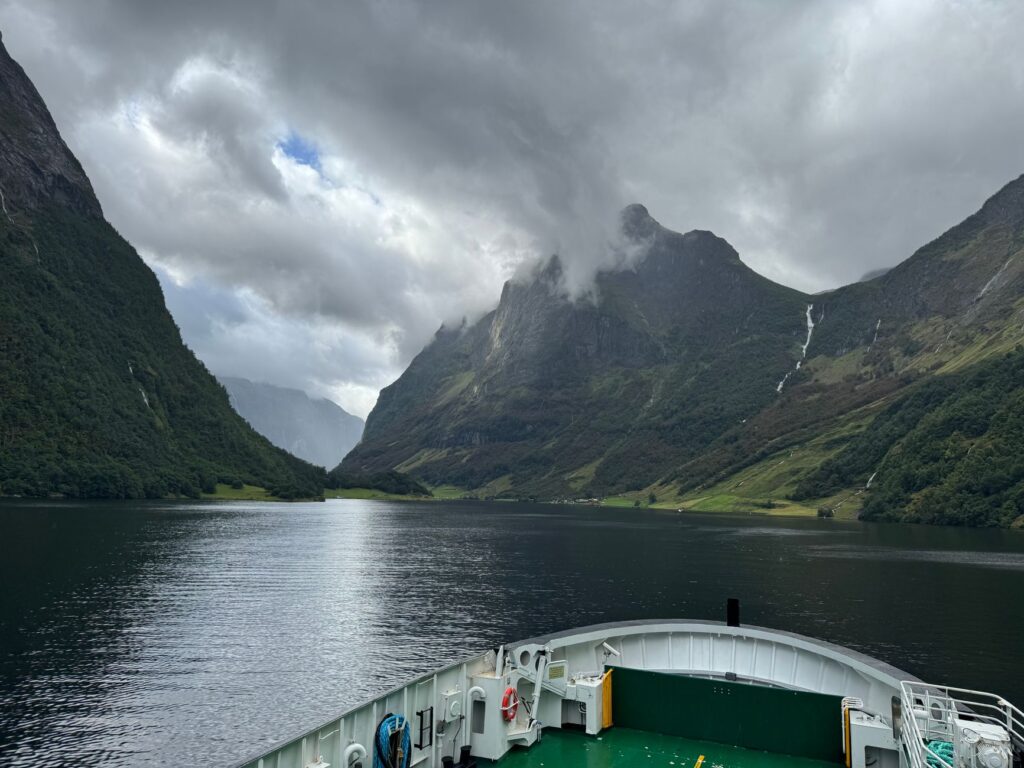
The maritime routes connecting Melinka with Quellón, on Chiloé Island, represent the umbilical cord to the mainland. This journey, taking several hours aboard roll-on/roll-off ferries, is frequently interrupted by storms that paralyze port activity for days. For the inhabitants of the Guaytecas, weather forecasts are not a simple utility service, but the decisive factor determining whether a patient can be evacuated or if local grocery shelves will receive fresh produce.
The Mixed Fleet: Between Cargo Barges and Passenger Boats
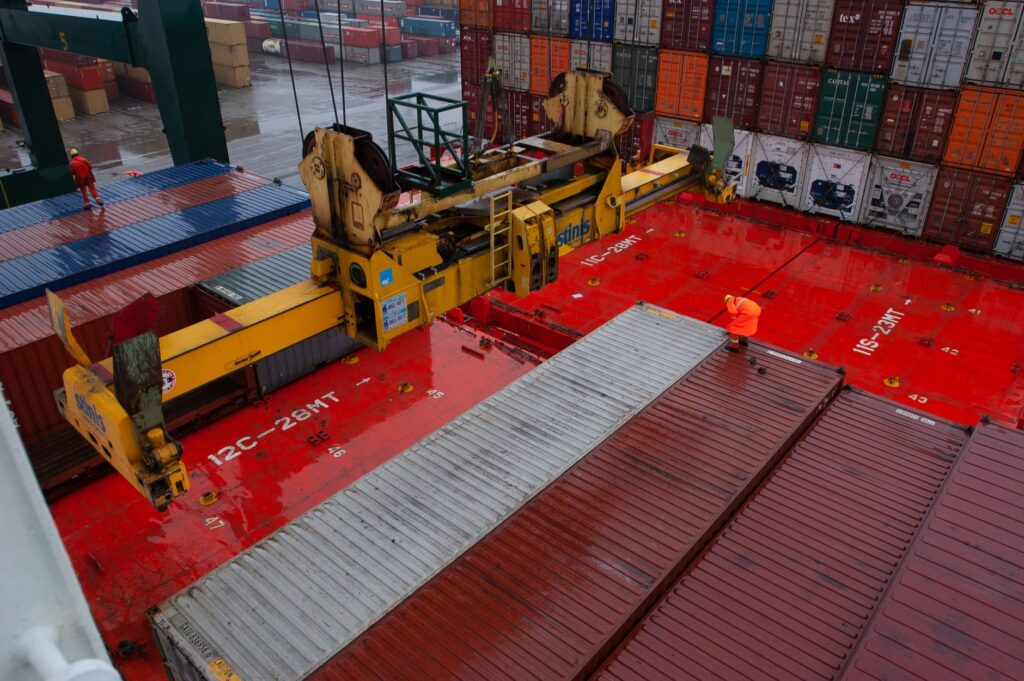
The local transport system operates under a logic of multifunctionality. The barges calling at Melinka’s docks are specifically designed to withstand the heavy swells of the Penas and Corcovado gulfs, combining cargo holds for vehicles and goods with passenger decks. These vessels are the economic backbone of the archipelago, enabling the transport of supplies for salmon farming, artisanal fishing, and the modest local tourism sector.
Conversely, smaller draft passenger boats fulfill a capillary function, linking remote islets inhabited by families dedicated to shellfish gathering and small-scale subsistence agriculture. These fast skiffs, operated by local shipowners, bridge complex distances between islands. Coordination between these two tiers of maritime transport remains precarious and largely depends on informal communication among skippers.
Port Infrastructure: The Challenges of Docks in Austral Tides
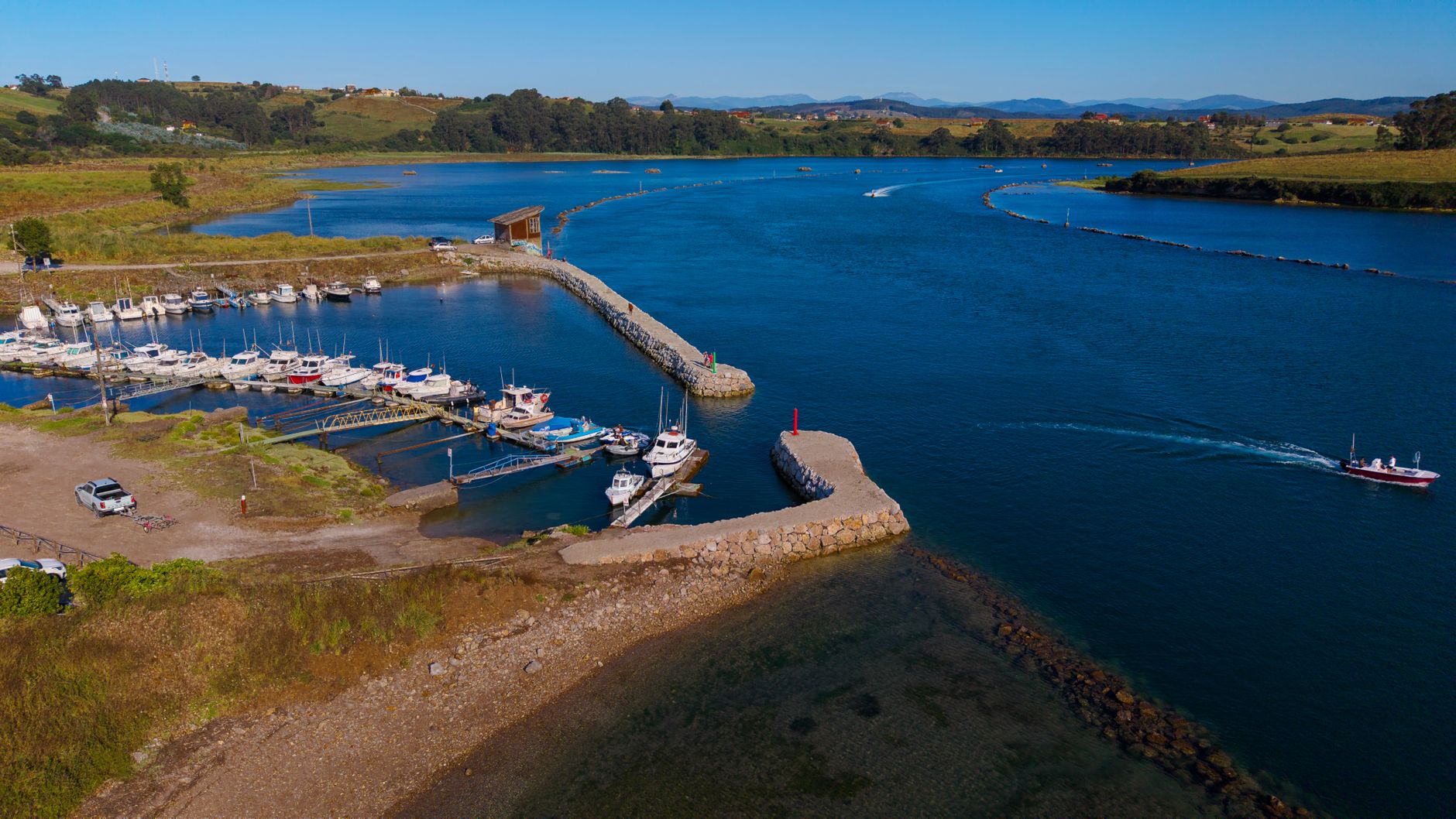
One of the major bottlenecks in Guaytecas mobility lies in port infrastructure. Docks and docking ramps suffer constant wear from an aggressive marine environment and the massive tidal ranges characteristic of Chilean Patagonia. During extreme low tides, certain ramps become unusable or exposed to muddy seabeds, forcing delays in loading and unloading operations.

State investments in connectivity have attempted to modernize these critical points, but geographical remoteness drives up costs and delays civil engineering works. The installation of articulated walkways and the expansion of docking slabs are historic demands from island communities, who demand infrastructure capable of withstanding both physical sea strikes and rising commercial cargo tonnage.
The Aerial Alternative: Gravel Runways and Weather Dependency
When maritime storms suspend navigation for extended periods, air transport becomes the ultimate emergency resource. Melinka’s airfield, equipped with a short gravel runway, receives small twin-engine aircraft connecting the archipelago with strategic points on Chiloé and the mainland. These flights, operated by regional charter airlines, are essential for mail, urgent parcel delivery, and the rapid transfer of technical or medical personnel.
However, the airfield’s operability is severely constrained by fog, crosswinds, and a lack of advanced instrumentation for night or low-visibility flights. The gravel runway requires rigorous maintenance to prevent landing gear damage, turning every flight operation into a test of precision for both pilots and ground infrastructure on Ascensión Island.

The sovereignty of a southern nation is measured not solely by its laws in the capital, but by its actual capacity to ensure that bread, health, and dignity reach the most remote docks of Patagonia.
Insular Economy and Vulnerable Supply Chains
The economic model of the Guaytecas revolves around marine resources, notably kelp harvesting, artisanal fishing, and salmon farming operations. This productive matrix generates constant demand for heavy transport, testing the logistical capacity of maritime routes. Barges must alternate basic food transport with hauling heavy industrial structures, fish feed, and heavy machinery.
This heavy reliance on a vulnerable transport system triggers notable price fluctuations for basic consumer goods in Melinka. Any mechanical failure in the main ferries or a week of uninterrupted storms translates immediately into partial shortages and increased living costs for locals, laying bare the structural fragility of insular supply chains.
The Human Factor: The Resilience of Southern Navigators
Behind every voyage through the Guaytecas channels lies the human factor: captains, sailors, mechanics, and port operators who know every rock and current by name. Their daily work is an exercise in constant adaptation and courage against climatic hostility. The oral transmission of navigation knowledge across generations remains the safest resource against the limits of modern technology in these remote spots.
This maritime culture defines the community’s identity. Melinka residents have learned to live with uncertainty, integrating waiting and itinerary alterations as normal parts of daily life. Their cultural resilience is the glue holding human settlement together in a territory where the state and large corporations often arrive late or with too many conditions.
Practical guide
How to get there: The main access to the Guaytecas archipelago is by sea from the port of Quellón, on Chiloé Island. Ferries operate several times a week, though schedules are highly susceptible to weather disruptions. Alternatively, small commercial flights operate from Chaitén or Castro, subject to strict availability and weather conditions.
When to visit: The austral summer months (December through March) offer the mildest weather conditions, featuring less violent winds and longer daylight hours. However, rain can occur at any time of year, so travelers must be prepared for four seasons in a single day.
What to pack: High-quality waterproof clothing, sturdy trekking footwear, and thermal layers are essential. Touristic infrastructure in Melinka is family-run and basic, so bringing cash, personal medications, and a flexible attitude toward transport delays is strongly advised.
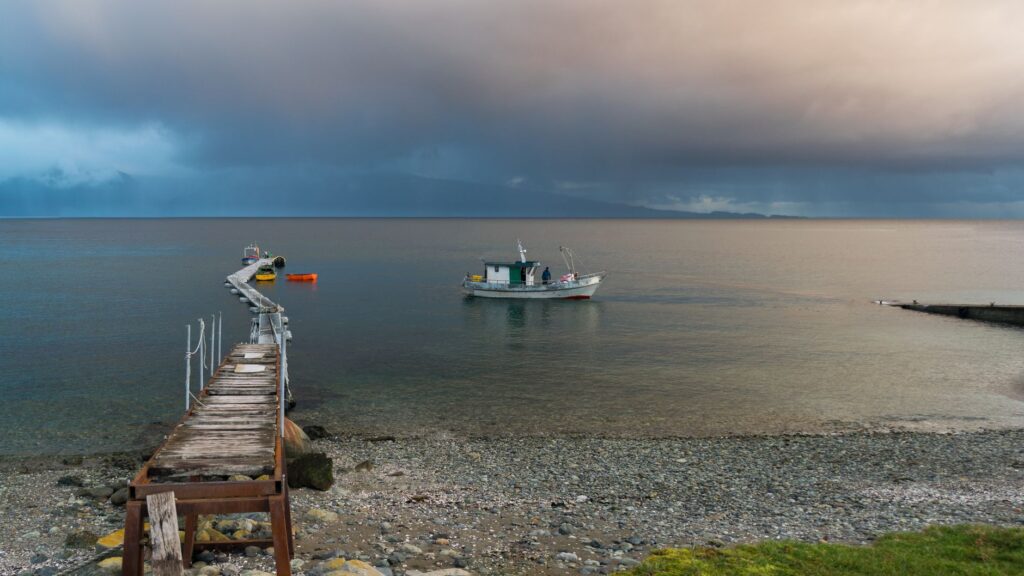
Accommodation and local mobility: Lodging options on Ascensión Island are limited to local guesthouses and cabins. To travel between smaller islets, visitors must coordinate directly with local skippers at the Melinka dock, always respecting the timing and safety decisions made by vessel masters.
The Horizon of Austral Connectivity
The future of the Guaytecas archipelago depends on a profound overhaul of the national subsidized connectivity strategy. Simply maintaining basic ferry subsidies is not enough; designing an integrated system that combines resilient ports, modern fleets adapted to rough Patagonian seas, and airfields with better navigation aids is imperative. Only then can geographic isolation cease to be a sentence of inequality for those inhabiting this southern outpost.
As long as channels dictate the pulse of island life, the Guaytecas will remain a living reminder of human fragility before nature’s immensity. Every barge docking in Melinka and every skiff cutting through the fog represents the daily victory of the community against oblivion, reaffirming that at the ends of Patagonia, the route is not merely a transit path, but the very essence of existence.