
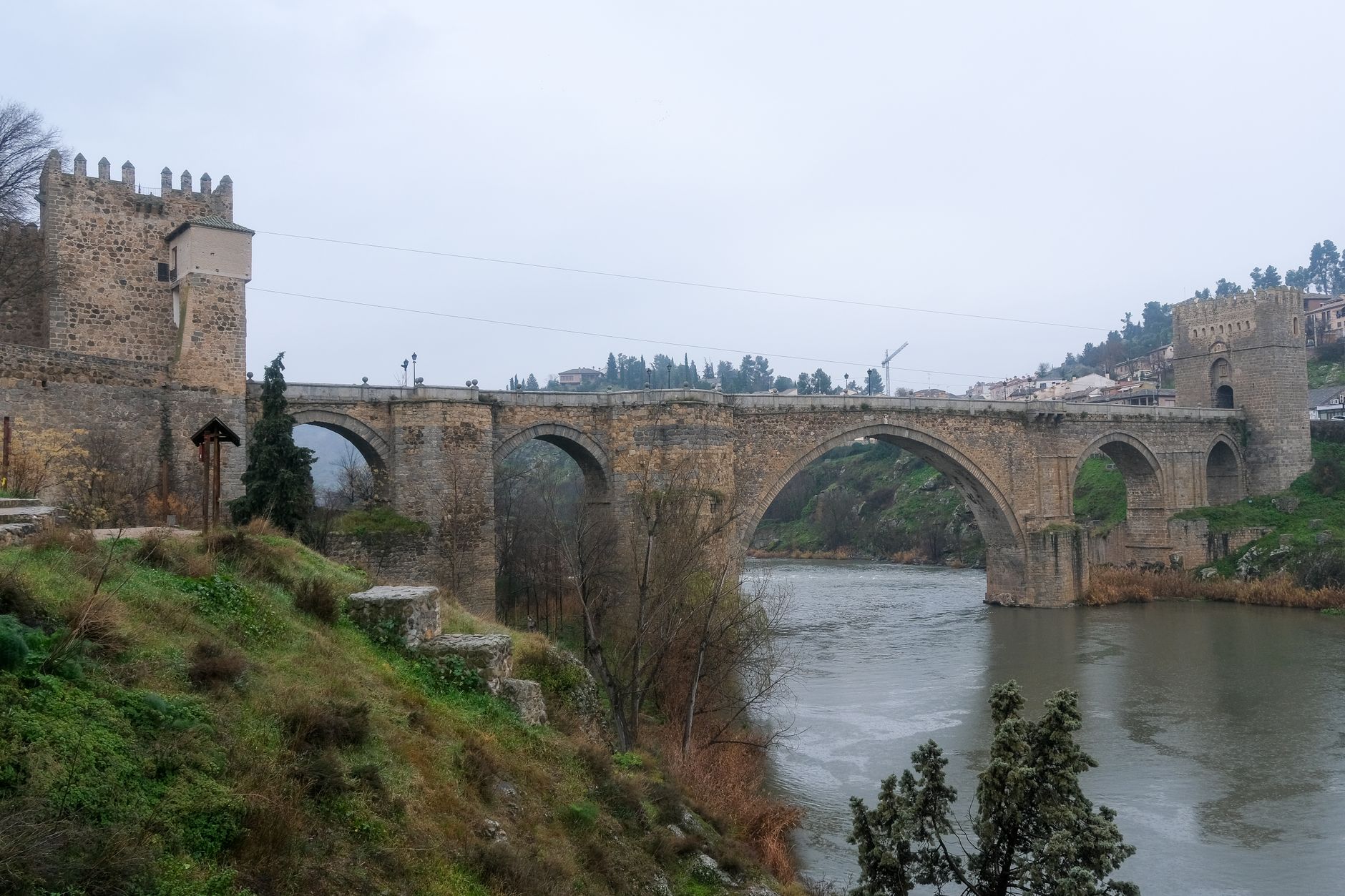

The railway line connecting Belgrade with the Montenegrin port of Bar is not merely an international transport corridor; it stands as one of the most daring and complex civil engineering achievements in southeastern Europe. Conceived in the mid-20th century and materialized after decades of arduous construction, this steel artery snakes through one of the most rugged terrains on the continent, defying abysses, river gorges, and rocky massifs where extreme weather dictates terms for much of the year. Every convoy departing from the central station of the Serbian capital embarks on a metric and geological journey that tests the strength of lattice bridges, the precision of signaling systems, and the patience of engineers who know every tight-radius curve like the back of their hand.
Along its nearly five hundred kilometers, the railway articulates isolated communities, enclosed river valleys, and karst plateaus where conventional roads frequently become impassable during harsh winters. This critical dependence turns the train into the true social and economic backbone of entire regions. However, the passage of time and chronic budget constraints have subjected the infrastructure to severe wear, forcing rail operators to tighten maintenance protocols to preserve safety on sections where the ground shifts almost imperceptibly yet constantly. Understanding this route requires looking beyond simple tourist travel and delving into the technical backstage of an alignment where every tunnel and viaduct tells a story of human effort against landscape hostility.
The Genesis of an Impossible Journey Between Empires and Mountains
The project of connecting the Pannonian plain with the Adriatic Sea across the abrupt reliefs of the western Balkans obsessed the planners of former Yugoslavia for decades. The need to secure a sovereign outlet to the sea without depending on foreign corridors drove a colossal deployment of resources. Engineers of the era faced an elementary obstacle: the Dinaric Alps act as an impassable natural wall separating the Danube river basins from Mediterranean watersheds. Overcoming this barrier required projecting gradients previously deemed impossible and carving kilometer-long tunnels through living rock under extremely hazardous working conditions.
Construction officially began in the postwar period, but progress was as tortuous as the rail alignment itself. A shortage of specialized heavy machinery necessitated vast amounts of manual labor and manual blasting techniques that exacted a high toll in human lives. Despite budgetary suspensions and geopolitical shifts that shook the region, the final section was inaugurated in the late 1970s, establishing itself as a global milestone in railway engineering. Today, archival documents preserved in the traction workshops of Užice and Podgorica allow historians to reconstruct that titanic effort through hand-drawn blueprints, material fatigue reports, and construction memoirs detailing how safety coefficients were calculated to withstand hurricane-force winds on elevated viaducts.
Topography of Abysses: Lattice Viaducts and Kilometer-Long Tunnels
The railway landscape of the Belgrade-Bar route is defined by a relentless alternation between the darkness of rock and the dizzying height of metal bridges. Approaching the border between Serbia and Montenegro, the alignment accumulates a density of tunnels that surpasses conventional railway standards. Nearly a quarter of the line’s total length runs underground, presenting colossal logistical challenges regarding ventilation, emergency evacuation, and the prevention of mountain water seepage that erodes reinforced concrete infrastructure and triggers rockfalls onto the ballast.
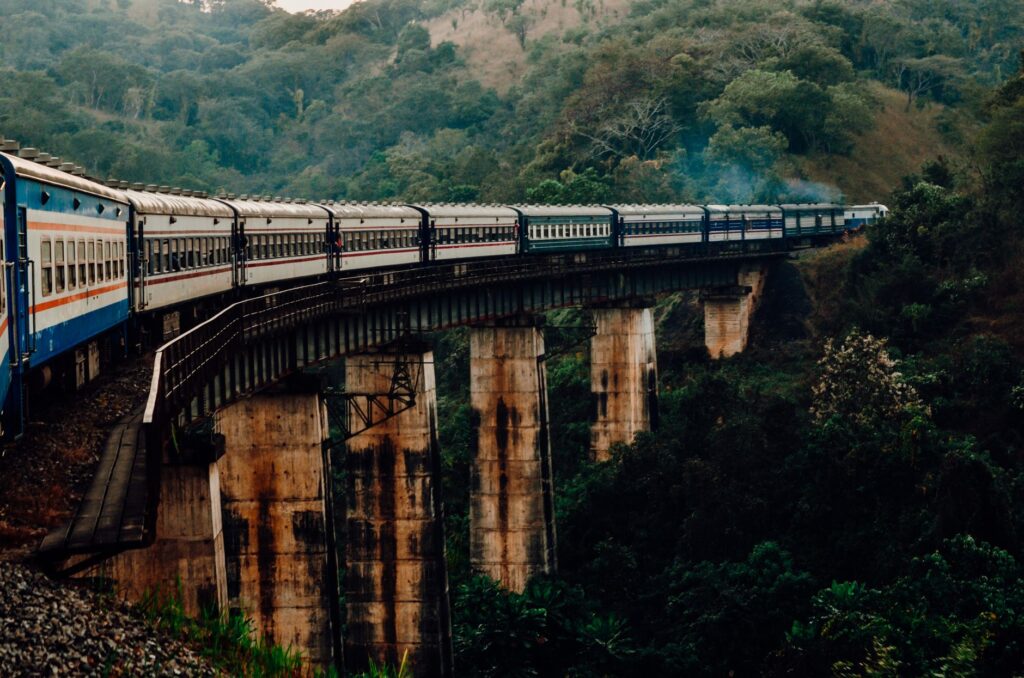
Among all architectural milestones, the towering Mala Rijeka viaduct, located north of Podgorica, stands out above all. This structure of concrete pillars and metal lattice girders rises nearly two hundred meters above the riverbed, reigning for years as the highest railway bridge in the world. Crossing Mala Rijeka aboard a passenger coach dissolves the notion of speed: the train appears to float in mid-air while the wind buffets the structure with a characteristic metallic creak. Maintenance crews inspect the union bolts and expansion joints of this steel colossus weekly, aware that any extreme thermal oscillation can alter the millimeter alignment of the tracks.
The train does not merely conquer geographical distance; it defies the verticality of the Balkans through a silent choreography of steel, gravity, and technical memory.
The karst geology through which much of the alignment runs introduces an invisible threat: the dissolution of subterranean limestone creates cavities and sinkholes that can compromise embankment stability. For this reason, the track features seismic sensors and rockfall detectors directly linked to switchman booths and centralized control posts. When a severe storm or minor landslide triggers alarms, convoys reduce speed or halt at the nearest safe station, prioritizing traveler integrity over commercial timetables.
The Human Pulse in Traction Workshops and Century-Old Stations
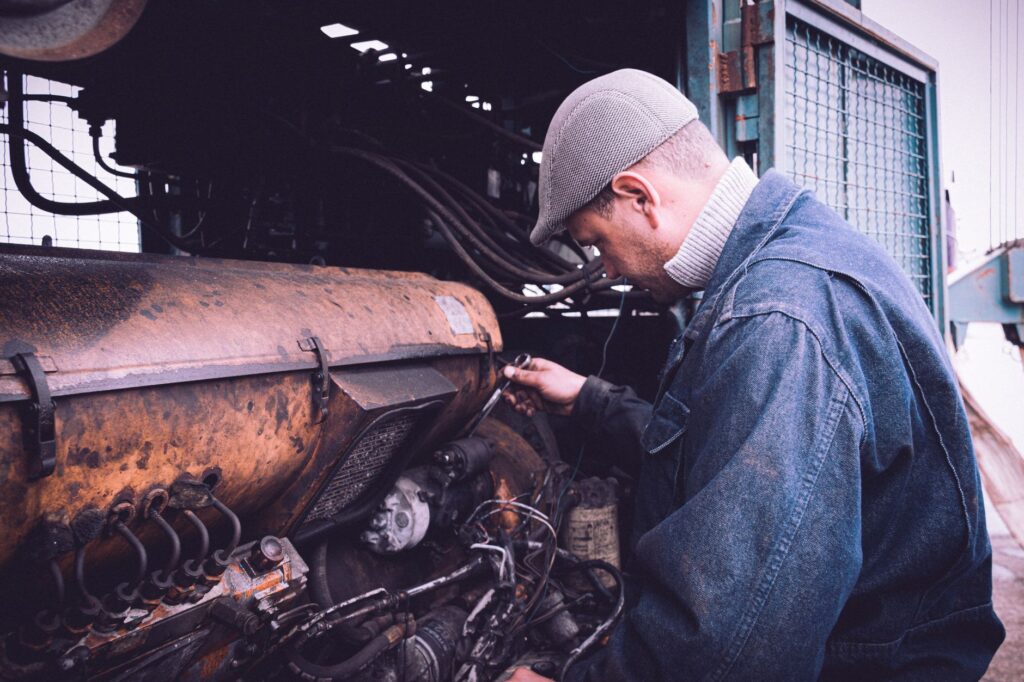
Behind the heavy machinery and monumental engineering beats the daily toil of railway workers. In towns like Požega, Užice, or Bijelo Polje, mechanical workshops retain the atmosphere of a vanishing industrial era. Here, veteran turners and specialized fitters repair discontinued parts for diesel locomotives exceeding four decades of continuous service. The scarcity of original components in the international market has forced these workshops to develop admirable reverse engineering capabilities, manufacturing gears, brake shoes, and fuel injection systems with artisanal precision.
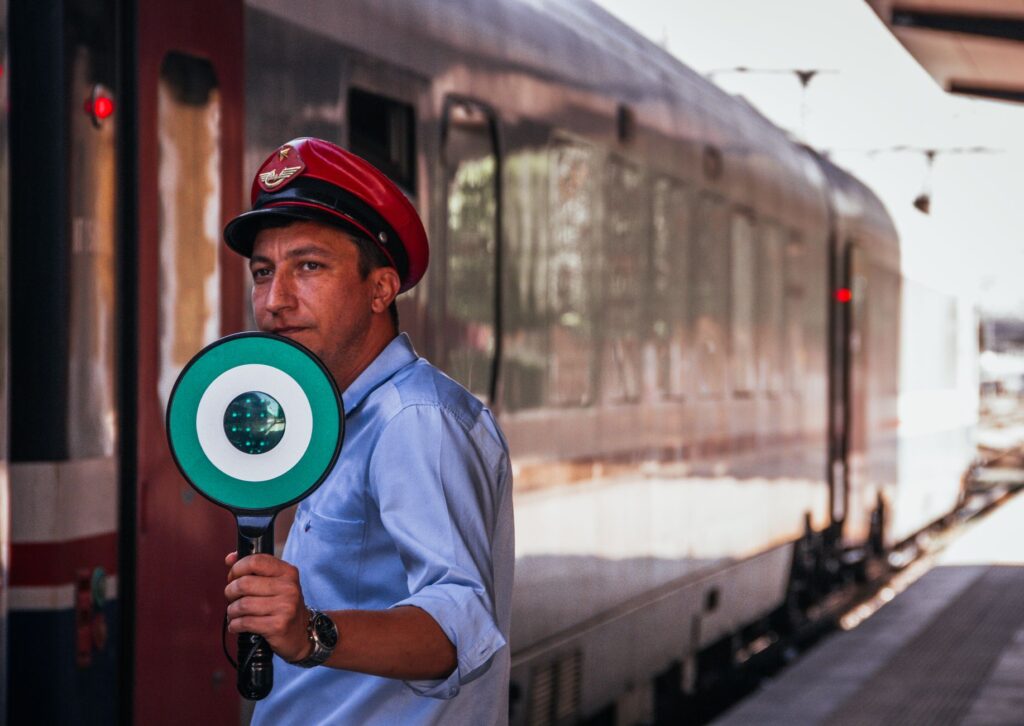
Onboard personnel—engineers, conductors, and track maintenance staff—share a deep empirical knowledge of the territory. They know how to interpret subtle changes in engine sound when a convoy tackles an overloaded gradient, and they detect anomalous bogie vibrations long before electronic systems issue official warnings. This constant vigilance is indispensable in a corridor where radio communications suffer interference due to mountainous topography, forcing operators to maintain traditional communication protocols based on hand signals and written orders at crossing stations.
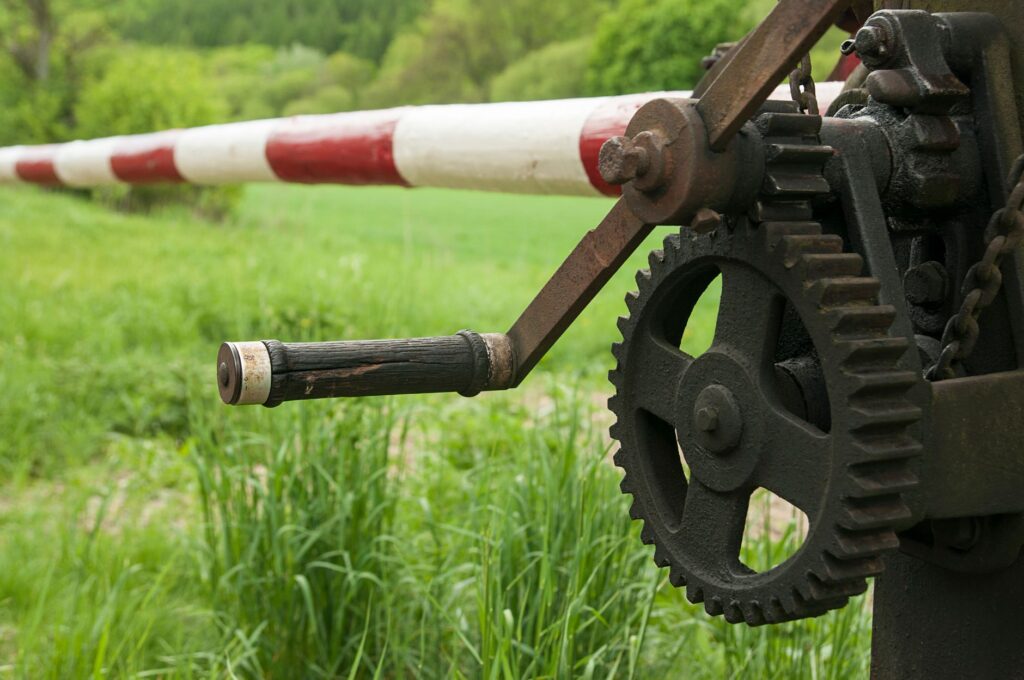
Intermediate stations, many conceived with austere functional architecture from the mid-20th century, act as small community enclaves. At these stops, where the train halts long enough for neighbors to exchange parcels or news, the convoy’s arrival sets the rhythm of the day. Station masters, clad in traditional dark uniforms with faded stripes, operate mechanical interlocking levers that directly connect switches to external optical signals, a tangible reminder that railway safety at these latitudes still rests heavily on human attentiveness.
The Logistical Challenge of Maintenance in High-Mountain Environments
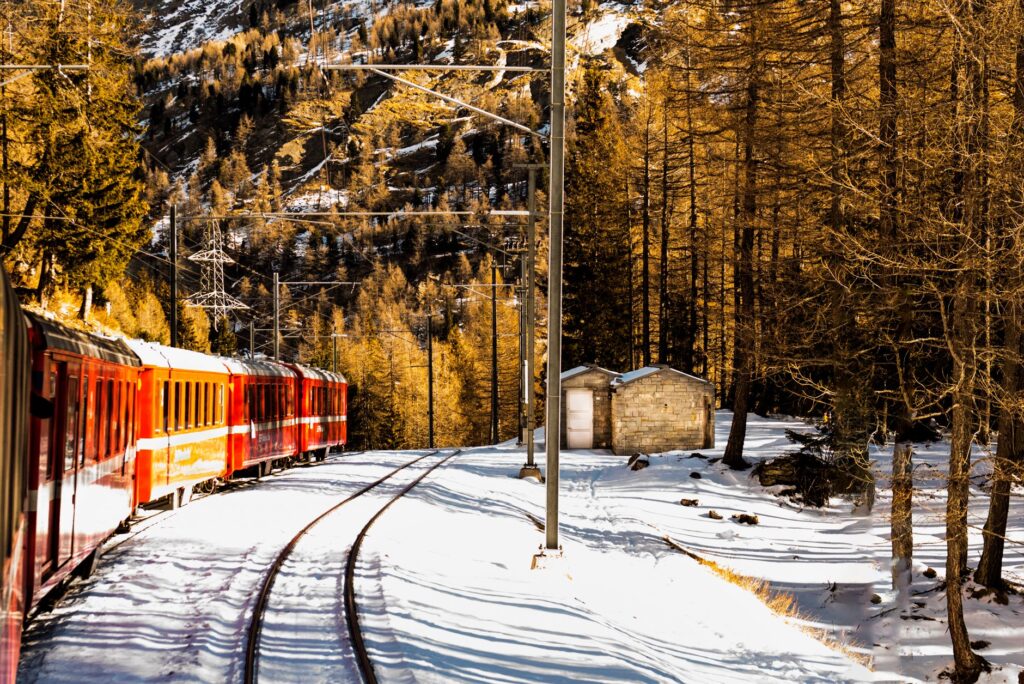
Keeping a high-mountain railway line operational in the western Balkans is an ongoing exercise in damage containment against natural erosion. Heavy winter snowfalls in Montenegro, frequently exceeding two meters of accumulation in mountain passes, regularly block switches and bury exposed sections. To combat this phenomenon, operating companies deploy locomotives equipped with front snowplow wedges and heavy milling turbines that carve paths through blizzards at just a few kilometers per hour.
Summer maintenance work is no less demanding. During dry months, when wildfire risks threaten wooden slopes and electrical signaling systems, track crews systematically replace oak sleepers and level ballast using mechanical tampers. These tasks must be executed within tightly constrained time windows between passenger train movements and the scarce freight convoys transporting industrial raw materials toward the Adriatic coast.
Compounding climatic difficulties is the obsolescence of electrical power systems. The original catenary, installed nearly fifty years ago, suffers structural fatigue and frequent voltage drops that force limitations on electric locomotive power. Although successive modernization phases with international funding have been planned, bureaucratic complexity and impracticable terrain slow down comprehensive infrastructure renewal, leaving a large portion of the route dependent on local technical expertise to prevent prolonged operational collapses.
Practical guide
Planning a journey aboard the Belgrade-Bar railway line requires meticulous preparation due to the operational particularities of the corridor and frequent timetable modifications caused by track maintenance work. Below are the essential aspects to approach the route safely and rigorously:
Tickets and reservations: Seats in single-class coaches or couchette compartments must be purchased well in advance directly at the ticket offices of major stations in Belgrade or Bar. Not all seats are integrated into stable online sales systems, making in-person arrangements the most reliable method.
Duration and punctuality: The full journey between both terminals officially takes about eleven hours, though technical incidents and safety speed reductions in mountain sections can significantly extend this time. It is essential not to schedule tight connections with other transport modes.
Luggage and provisions: Passenger coaches have limited space for bulky bags. Travelers are advised to pack light and self-sufficiently, as onboard catering services are rudimentary or entirely absent on certain daytime convoys.
Border documentation: When crossing the international border between Serbia and Montenegro at the intermediate station of Bijelo Polje, customs officers conduct passport checks directly at the train seat. Remaining in the compartment during this procedure is mandatory.
Best time to travel: Late spring and early autumn offer an optimal balance between stable weather conditions and extended daylight, allowing travelers to fully enjoy high-mountain stretches and river gorges.
The definitive descent toward the Adriatic coast, when the train leaves behind the final karst tunnels and emerges from the gloom of mountain gorges into the blue radiance of the sea, encapsulates the essence of this great railway journey. In that final moment, after hours of steady rattling over steel viaducts and through rocky entrails, the traveler understands that the true magnitude of the Belgrade-Bar line lies not merely in its architectural record figures, but in its unwavering capacity to unite two geographical realities that nature had set apart forever.


