The Ancient Silence of Saturnia’s Springs: Sulfurous Hydrotherapy and Stone Architecture in the Tuscan Maremma
A rigorous journey through the most emblematic thermal complex in deep Tuscany, unraveling the symbiosis between millennial volcanic waters, nature-sculpted travertines, and the rural hospitality of the Maremma valleys.
Geological Origins and Myths in the Heart of the Maremma
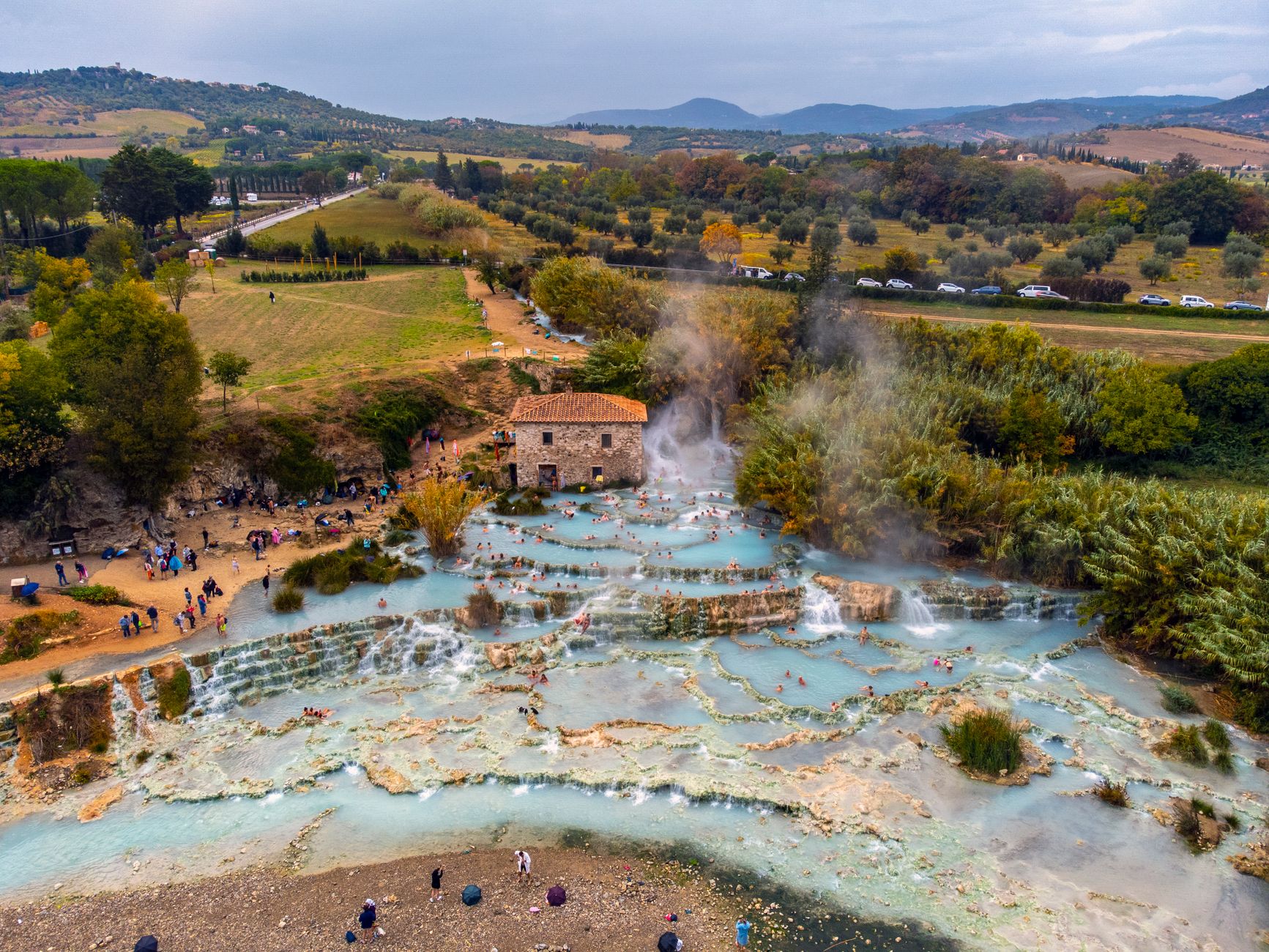
In the southernmost tip of Tuscany, where the clay hills of the Maremma begin to merge with the foothills of Mount Amiata, the thermal waters of Saturnia have been gushing forth for over three thousand years. This hydrothermal phenomenon is no accident, but rather the result of a complex extinct volcanic system that feeds a constant flow of eight hundred liters per second at an unwavering temperature of 37.5 degrees Celsius. Since Etruscan times and subsequently during the height of the Roman Republic, these stepped natural pools have exerted a magnetic pull on travelers and local sages, who long ago documented the healing properties of their high concentration of sulfur, thermal plankton, and bicarbonate.
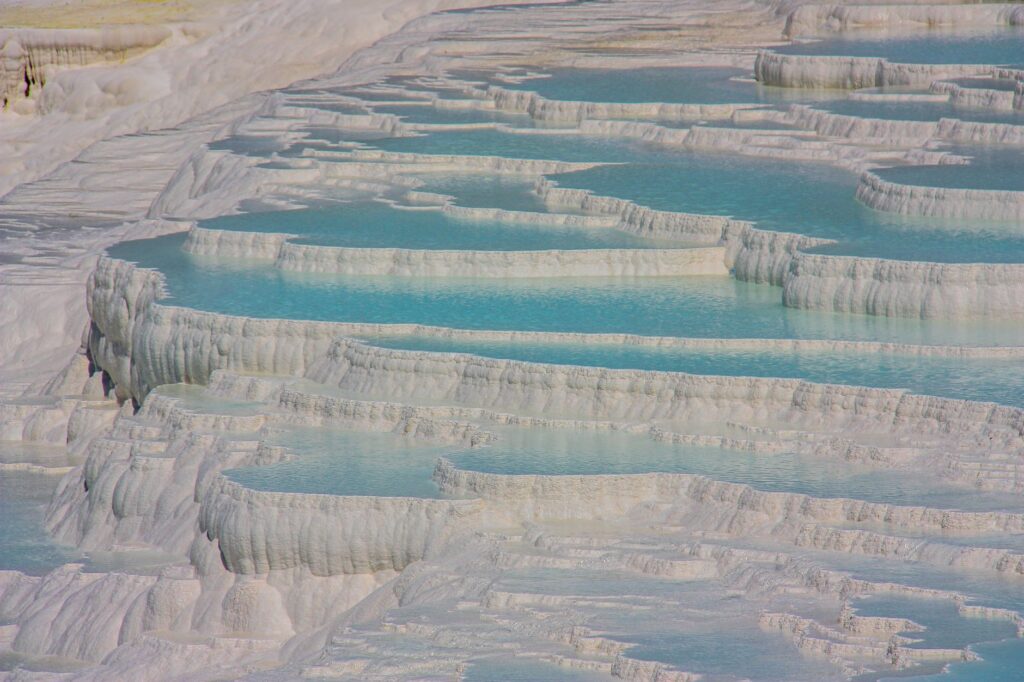
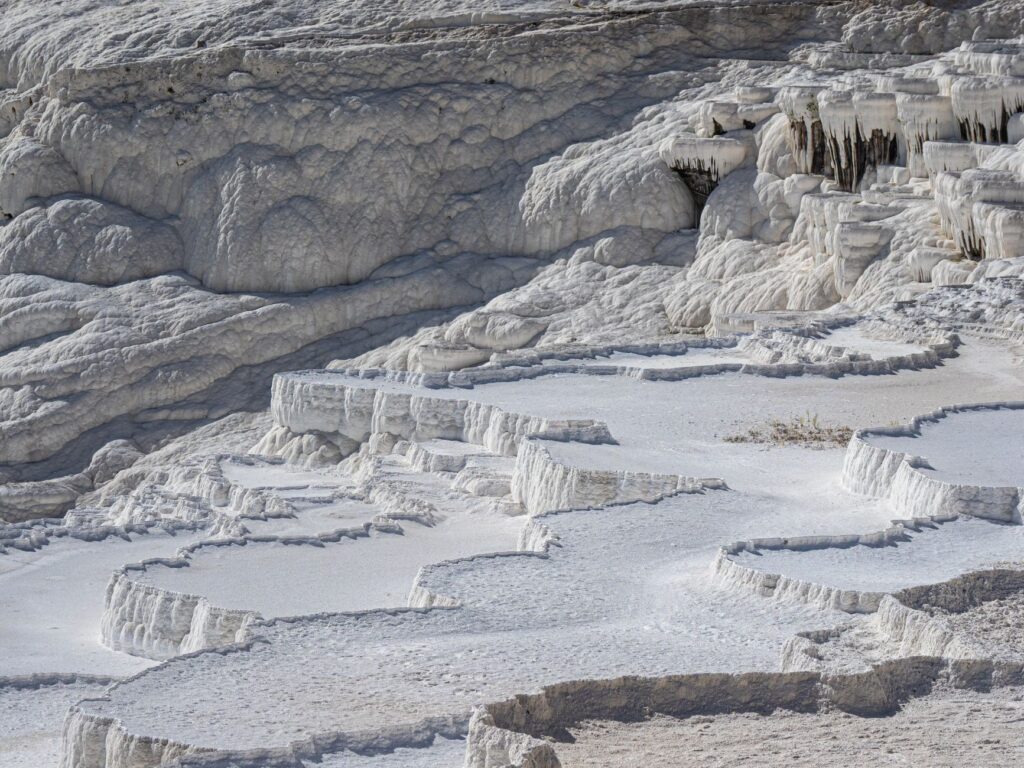
The geography of the location imposes a leisurely pace. Unlike urban spa resorts, Saturnia integrates organically into a landscape dominated by centuries-old olive trees, cypresses, and grain fields that shift in color with the seasons. The local limestone rock, known as travertine, has been shaped millimeter by millimeter by mineral precipitation, creating a series of white terraces and waterfalls—the famous Cascate del Mulino—that offer a visual spectacle as striking as their therapeutic efficacy. The steam rising at dawn over the pools contrasts with the crisp air of the early Tuscan morning, generating a microclimate where time appears to stand still.
The Chemistry of Health: Composition and Dermatological Benefits
The scientific rigor behind Saturnia’s waters lies in their peculiar mineralization. Emerging to the surface after a forty-year underground journey through the entrails of Mount Amiata, the water is saturated with hydrogen sulfide, carbon dioxide, ammonium, and sulfates. This combination grants the liquid anti-inflammatory, antiseptic, and exfoliating properties highly valued in contemporary dermatology and preventive medicine. Far from the passing fads of superficial wellness, treatments based on this natural thermal mud stimulate peripheral circulation and promote skin cell regeneration in a completely organic manner.
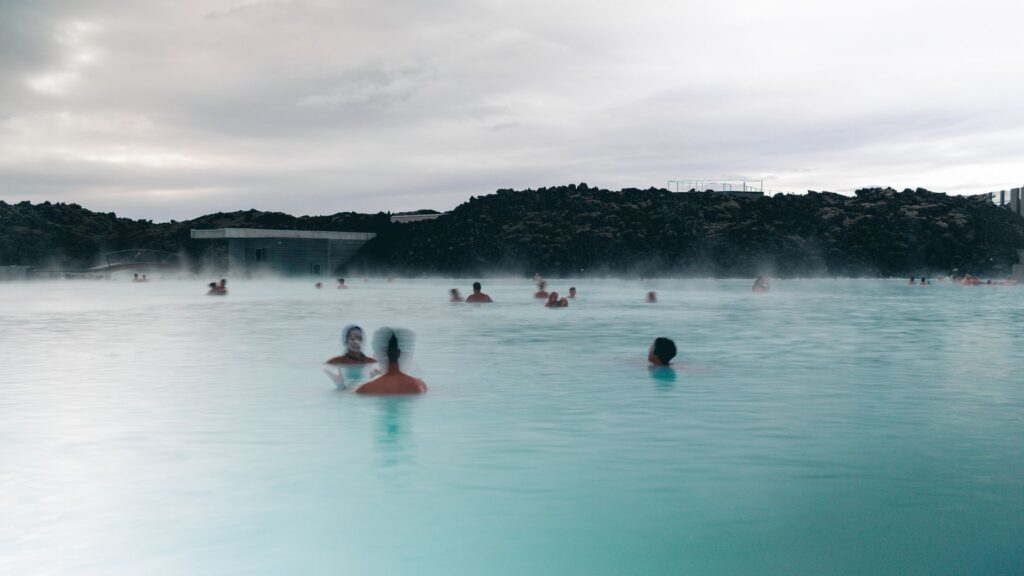
Hydrotherapy specialists insist that prolonged bathing in these waters should be approached with specific guidelines to maximize benefits without overtaxing the body. The vasodilation induced by the constant 37.5-degree temperature facilitates deep muscle relaxation and the relief of chronic joint pathologies. Furthermore, the natural inhalation of sulfurous vapors exerts a decongestant effect on the upper respiratory tract, turning this corner of the Maremma into an open-air sanatorium where nature acts simultaneously as pharmacist and architect.
Vernacular Architecture and Rural Landscape Conservation
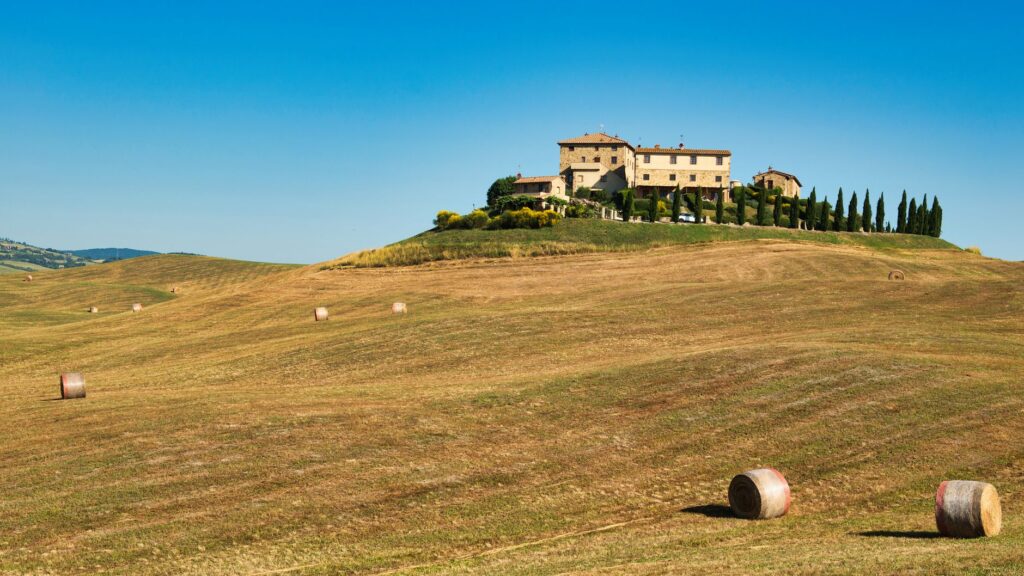
Urban and real estate development around the Saturnia thermal springs has historically been conditioned by respect for the agricultural environment. Traditional buildings flanking the valley employ local limestone, handcrafted ceramic tiles, and chestnut wood salvaged from surrounding forests. This architectural commitment avoids the aggressive visual impact that often plagues other European tourist destinations, preserving the authenticity of a territory where stone farmhouses and small medieval parishes have maintained their original silhouettes for centuries.
The old watermills that once harnessed the kinetic force of the cooled thermal waters have been rehabilitated under strict sustainability criteria. Today they act as interpretation centers or small hospitality spaces that prioritize energy efficiency and zero-kilometer product consumption. Walking along the rural paths connecting the historic core of Saturnia with the thermal springs allows visitors to understand the perfect symbiosis between secular human activity and the safeguarding of a fragile yet extraordinarily resilient ecosystem.
“True luxury in the Maremma is measured not by the artifice of gold, but by the purity of the water springing from the earth and the silence dwelling among the ancient olive trees.”
Territorial Gastronomy: The Fuel of Tuscan Wellness
The wellness experience in Saturnia is inextricably completed at the table. The gastronomy of the Tuscan Maremma shuns unnecessary sophistication in favor of a robust, honest larder deeply tied to the earth’s cycle. Traditional dishes such as acquacotta—a peasant soup based on seasonal vegetables, stale bread, a poached egg, and local extra virgin olive oil—reflect the wisdom of a survival cuisine now transformed into a banner of digestive health and nutritional balance.
Local markets in Manciano and Pitigliano supply game meats, raw milk pecorino cheeses aged in tufa caves, and vegetables grown without synthetic additives. Everything is invariably accompanied by wines from the Morellino di Scansano Controlled Designation of Origin, a medium-bodied red made primarily from the Sangiovese grape, noted for its mineral notes and low acidity. This synergy between the thermal bath and the authentic Mediterranean diet constitutes the core of a lifestyle where longevity and sensory pleasure go hand in hand.
Thermal Hiking and Etruscan Heritage
Beyond the main pools, the surrounding territory invites exploration on foot via a network of millennial paths connecting ancient Etruscan necropolises with Aldobrandeschi fortresses. Hiking routes are designed to guide travelers without altering native flora, allowing them to discover archaeological vestiges half-hidden among underbrush and gorges carved by small streams converging into the Albegna River. This active approach complements passive rest in the waters, stimulating the mind through historical and landscape contemplation.
Local guides emphasize the importance of traversing these landscapes with absolute respect for natural cycles, especially during months of lower tourist influx, when morning mist lends the character of an almost mystical realm to the scenery. Each stone carved by the Etruscans and every agricultural retaining wall remind visitors that this valley has been inhabited and tended for millennia, demanding an attitude of environmental and cultural co-responsibility from the contemporary visitor.
The Slow Rhythm of Towns Perched on Tufa
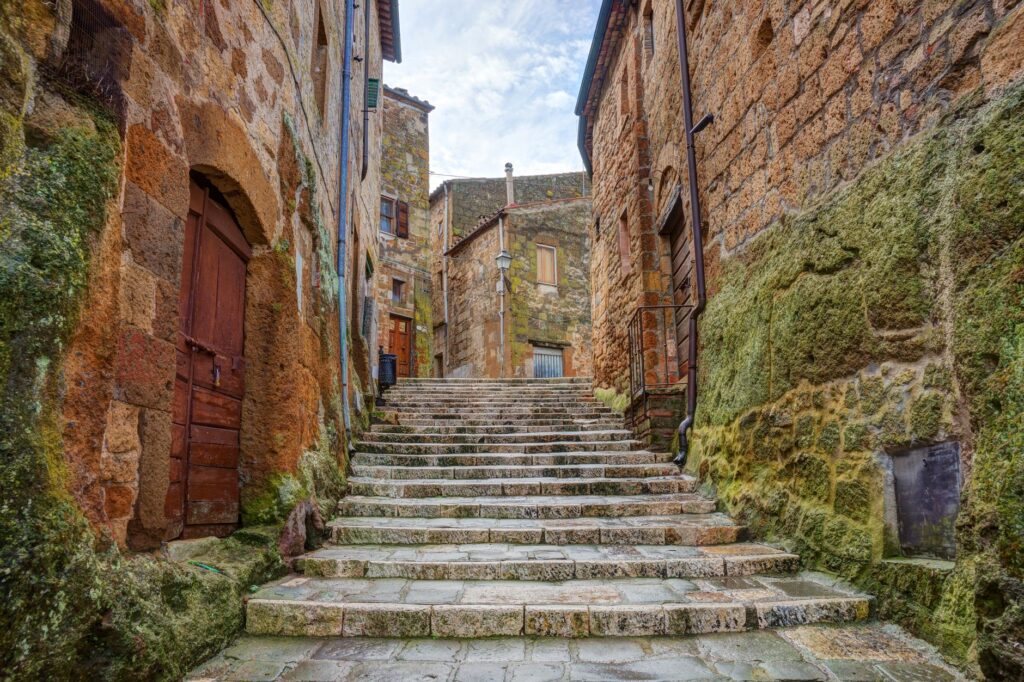
A few kilometers from the thermal springs rise such unique towns as Pitigliano, Sovana, and Sorano, collectively known as the Città del Tufo. These urban settlements defy gravity by being built directly upon steep cliffs of soft volcanic rock, creating an underground urban landscape of cellars, passageways, and tombs excavated into the very stone upon which houses are anchored. Wandering through their cobblestone alleys at dusk, when the golden stone reflects the final rays of sunlight, offers a fascinating perspective on defensive and domestic architecture from the Italian Renaissance.
Life in these municipalities unfolds oblivious to the frenzy of major tourist capitals like Florence or Siena. Artisanal pottery workshops, small ironmongers, and grocery stores where neighbors converse configure an authentic social fabric. This unhurried rhythm acts as a psychological balm for the contemporary traveler, consolidating the fundamental purpose of a Maremma getaway: disconnecting from digital saturation to reconnect with primary senses and the tranquil pulse of the land.
Practical guide
How to get there: Rome-Fiumicino International Airport is the most convenient access point, located about 150 kilometers to the south. From there, the most efficient option is to rent a vehicle to drive along the Aurelia highway and branch off onto the secondary roads of the Maremma.
Best time to visit: Autumn months (October and November) and spring (April and May) offer ideal temperatures to enjoy the open-air thermal waters while avoiding summer crowds and the intense heat of July and August.
Pool etiquette: The Cascate del Mulino are publicly accessible and free 24 hours a day. It is recommended to bring river shoes to protect feet from the slippery travertine floor and to avoid wearing silver jewelry, as sulfur oxidizes them immediately.
Recommended accommodation: Prioritize certified local agriturismi practicing organic farming and bioconstruction within a ten-kilometer radius of the main spring.
The Reunion with Origin
As evening falls, when the golden light of the Maremma bathes the travertine terraces and the steam from the springs merges with the twilight breeze, Saturnia reveals its most intimate dimension. Sitting at the edge of the millennial pools, listening to the steady murmur of water cascading over limestone rock, is not merely an act of holiday leisure, but a profound reconciliation with biological rhythms that the modern world often silences. In this timeless corner of Tuscany, health once again becomes what it was always meant to be: a silent, enduring pact between the human body, ancestral stone, and the unexhausted force of the earth.
ATLAS LUME · ANTES DE VIAJAR
Una lectura que continúa en el destino
DocumentaciónComprueba visados, requisitos sanitarios y vigencia de documentos en fuentes oficiales.
ReservasConfirma el precio final, impuestos y condiciones directamente con el proveedor.
Viaje responsableRespeta las comunidades, el patrimonio y los ecosistemas locales.