
The vulnerability of contemporary skies to climatic fury
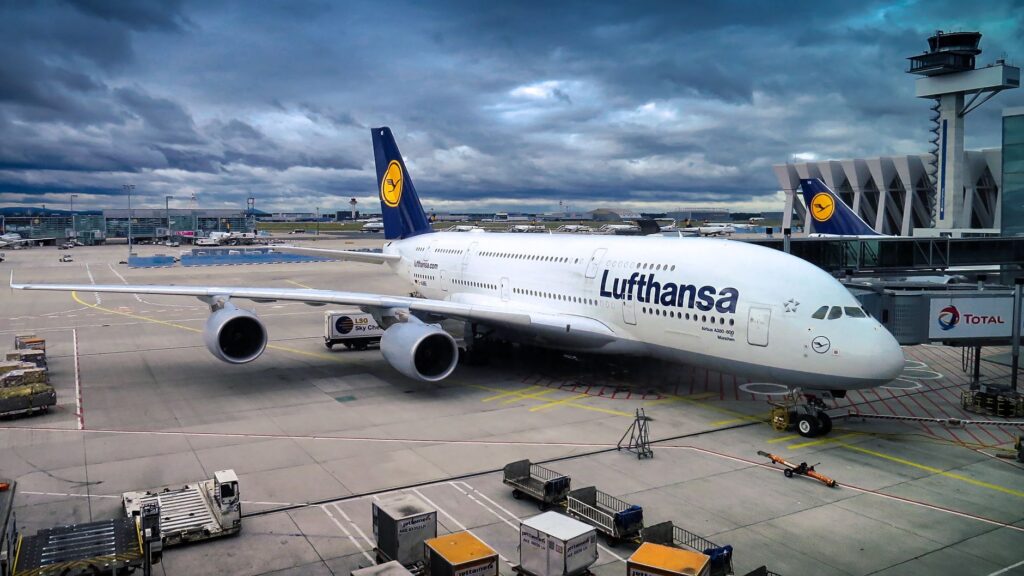
Modern commercial aviation operates under a margin of millimeter precision where safety is the single, non-negotiable boundary. Recently, warnings issued by the Federal Aviation Administration (FAA) regarding the formation of severe thunderstorms capable of triggering operational restrictions at high-density airports, such as those in Florida and Denver, have laid bare the extreme fragility of air corridors in the face of meteorological instability. These advisories are not mere bureaucratic precautions; they represent the realization that a storm front can simultaneously paralyze multiple connection hubs, affecting hundreds of thousands of passengers and dismantling entire airline logistics chains within hours.
When the skies close for safety reasons, the impact immediately reverberates through transport economics and the psychology of the contemporary traveler. The airports of Denver and Florida act as vital arteries for national and international traffic. The former connects the American Midwest with transcontinental routes, while Florida airfields serve as the primary gateway to the Caribbean and Latin America. A restriction due to thunderstorms implies cascading delays, unforeseen cancellations, and terminal congestion that overwhelms the response capacity of airlines. It is precisely in this moment of vulnerability that terrestrial transport infrastructure undergoes its most severe test.
The silent renaissance of rail and ground transport
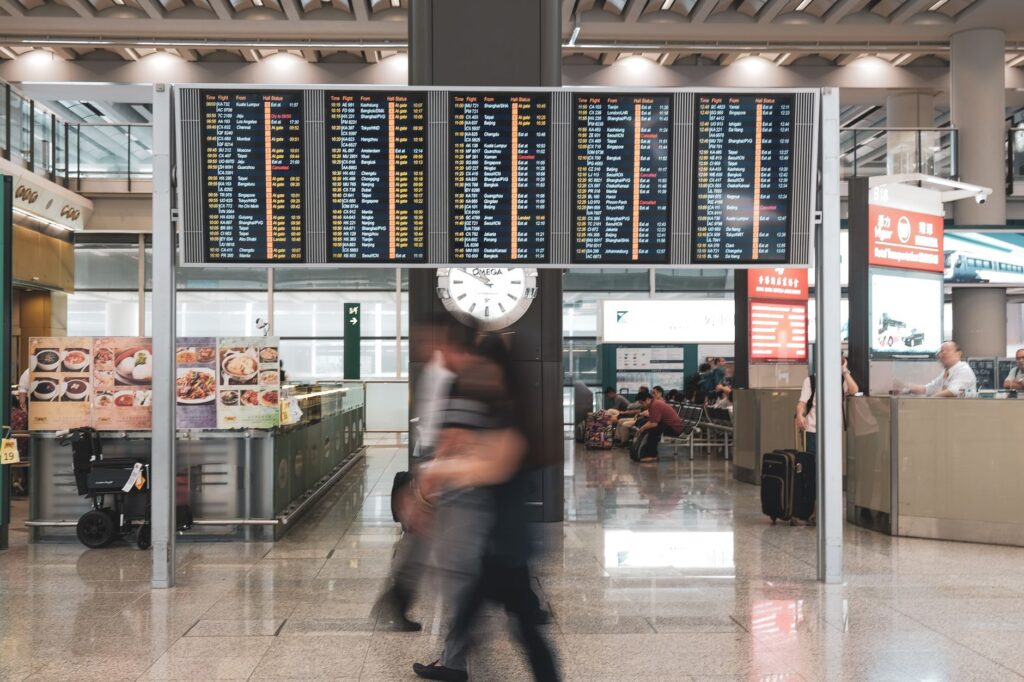
While airport arrival and departure boards turn red with the word canceled, terrestrial and rail transport systems demonstrate a radically different structural resilience. Unlike aircraft, which rely on strictly monitored air corridors vulnerable to wind shear, high-speed rail networks and interurban bus corridors operate under a firmer territorial logic. Although extreme weather phenomena can also impact railway lines, the capacity of ground operators to reroute flows, offer medium-distance alternatives, and absorb the sudden transfer of air passengers proves that multimodality is not a conceptual luxury, but a national security necessity.
The true connectivity of a nation does not lie in the speed of its airplanes on clear days, but in the soundness of its ground connections when the skies grow indomitable.
Industry analysts point out that recurring episodes of air congestion driven by climate change are accelerating a paradigm shift in travel habits. Frequent travelers, fatigued by the lottery of seasonal storm cancellations, are beginning to value the train as a sanctuary of predictability. On corridors where distance permits, the railway offers not only a backup alternative, but a travel experience where inclement weather rarely brings movement to a complete standstill, thanks to advanced signaling systems and independence from atmospheric visibility.
Mobility architecture: stations versus air terminals
The forced transition from air to ground reveals profound architectural and logistical differences between an airport and a major railway station. Air terminals, designed as isolated fortresses on the outskirts of metropolises, depend on a continuous and efficient flow that, once broken, turns into a labyrinth of frustration for the stranded passenger. In contrast, train stations are typically embedded in the very heart of cities, organically connected with subway networks, trams, and pedestrian streets. This central location allows travelers to easily leave the contingency zone during a meteorological crisis at airports without getting trapped in gridlocked highways.
Crowd management also differs markedly. A train station is accustomed to massive, constant, and dynamic transit, where passengers enter and exit with an autonomy that contrasts with rigid airport security controls. When the FAA decrees takeoff and landing restrictions, affected airports suffer saturation in their public areas, with passengers sleeping on floors and overwhelmed counters. Conversely, railway hubs absorb sudden demand surges by deploying reinforcement trains and direct communication that prioritizes fluidity over punitive bureaucracy.
The economics of contingency and the hidden cost of delay
Behind every FAA warning lies a complex financial machinery that resents the impact of inactivity. Airlines calculate losses not only in fuel burned during holding patterns or aircraft time on the ground, but in the indemnification and logistical costs derived from rebooking thousands of passengers. Thunderstorms in Florida and Denver are especially feared because they combine a high frequency of electrical discharges with convective systems of great vertical development, forcing controllers to drastically alter approach headings and space out landings to uneconomical levels.
This adverse economic scenario directly impacts the consumer, who bears the cost in the form of more volatile fares and increasingly expensive travel insurance policies. The exclusive reliance on air transport for long regional journeys thus reveals itself to be a business model exposed to escalating climate risks. The integration of real-time meteorological data with multimodal booking platforms is the technological response the industry is adopting to minimize financial impact, allowing users to switch their flight ticket for a train journey before stepping foot in the airport.
Critical infrastructure under climatic siege
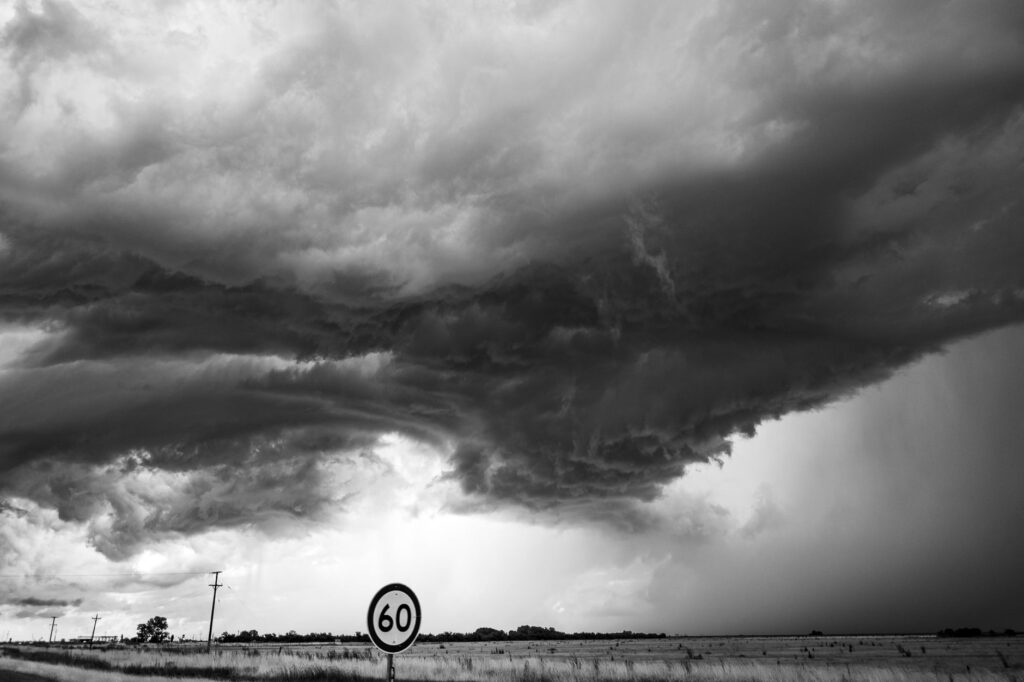
Global warming is altering storm formation patterns, increasing the intensity and frequency of extreme events in traditionally stable regions. Airports, by their very nature, occupy vast expanses of flat terrain without natural protection against wind or torrential rain, making them direct targets of adverse weather. Flooded runways or the risk of lightning strikes on refueling platforms force authorities to make drastic decisions, prioritizing human life over operational efficiency—an ethically unquestionable directive that is nonetheless logistically devastating.
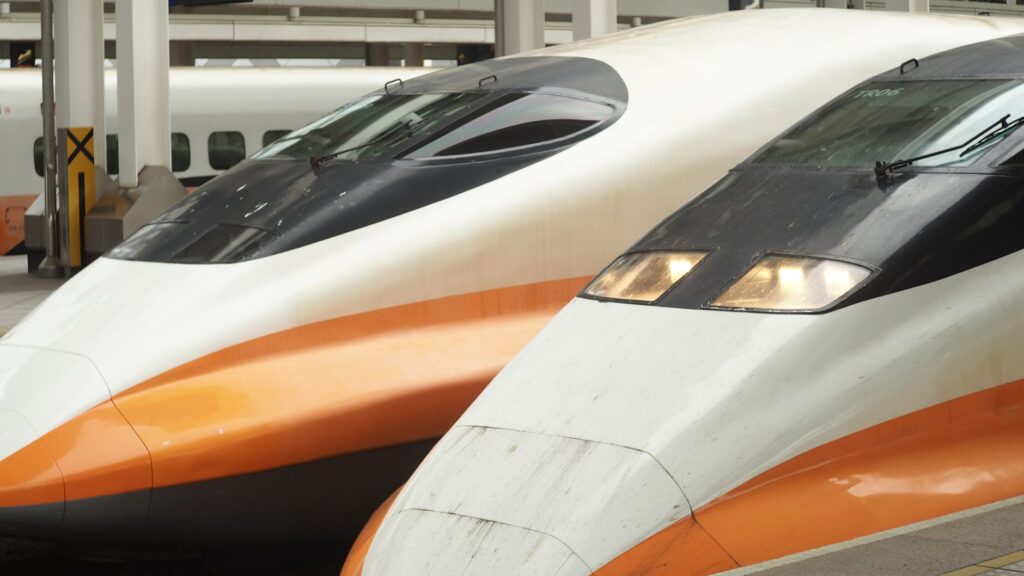
Faced with this exposed vulnerability, public and private investments are beginning to redirect toward the consolidation of hybrid transport networks. The modernization of conventional and high-speed rail lines is now viewed as an investment in civil safety. If a storm blocks the skies of a nerve center, the capacity to divert passenger traffic toward electrified and resilient rail corridors guarantees that the regional economy does not suffer total paralysis. The infrastructure of the future is not the fastest under ideal conditions, but the most adaptable when the environment collapses.
Practical guide
How to handle flight cancellations due to weather alerts: In the event of an advisory from the FAA or local aviation authorities, remain calm and avoid immediately queuing at the airline counter; use mobile apps to manage changes or contact digital customer service. Recommended ground transport alternatives: Identify in advance the main train stations and interurban bus routes connecting your origin to your final destination to use them as an immediate contingency plan. Passenger rights during severe storms: Know the applicable regulations in your jurisdiction; although extraordinary weather conditions usually exempt airlines from paying delay compensation, they still have the obligation to provide basic assistance, food, drinks, and alternative accommodation if the delay extends overnight. Strategic use of multimodal mobility apps: Install digital tools that integrate flight data, road conditions, and rail availability in real time to make informed route decisions before heading to the airport.
The human factor and modern traveler resilience
At the heart of any transport crisis—whether an air traffic control collapse caused by thunderstorms or a railway strike—lies the human experience of the traveler. The flickering screens announcing cancellations are not just cold data; they represent postponed family reunions, lost professional commitments, and the accumulated fatigue of people entrusting their safety to an increasingly strained mobility system. The empathy of ground staff and the responsiveness of transport companies make the difference between emotional catastrophe and a manageable disruption.
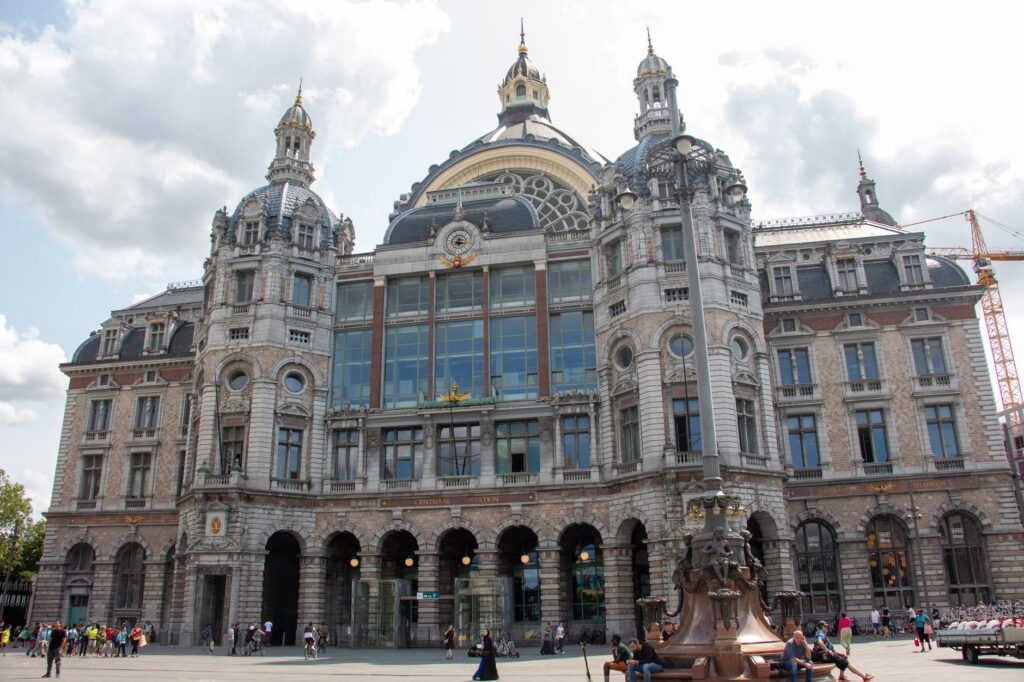
Adapting to a more unpredictable climate also demands an evolution in the mindset of the contemporary traveler. The concept of absolute immediacy gives way to the necessity for flexibility and patience. Accepting that the sky is not always willing to submit to our schedules is the first step to rediscovering the value of a slow journey, the contemplation of landscape from a terrestrial window, and the certainty that, even when the most advanced technology halts before the fury of a storm, solid ground always offers a way back home.
Source in EN: Rus Tourism News (https://news.google.com/rss/articles/CBMiywFBVV95cUxQdmQtbVhjaDh4eHlNdDBJVWJrQTE4enJVcHdxdjVkS1AyNWhWTmRCQTR2amlROVFzbTd0RzlPTFNUMlhqMjNSdlVIX2hEb20zaGJ1VTJ5cmYzWnZ5NVJUdDdsbURTajNOclRCOUs2dEl1aURJV3I2Tk5wQjNLckhUejlPUlY1V3VEcG15cHd1NXg0cEdaeF82M1M1MHlOZFYyQWdLbnpqbUZqYWFfSFRHVW8ydnhDbE1MOFkwUkxoVkNzQjM2SmxKSEI3Zw?oc=5)