

Contemporary tourism feeds not only on memorable landscapes or the warmth of local communities; it rests upon an invisible yet relentless backbone: connectivity. Without operational airports featuring stable frequencies, efficient connections, and a competitive aviation supply, even the most privileged destinations on earth are relegated to isolation. In Anzoátegui State, situated along Venezuela’s northeastern coast, this premise has turned into an urgent and necessary debate. Local travel agencies have raised their voices in a coordinated manner to insist on the absolute necessity of opening and consolidating new air routes that directly connect the territory with the country’s primary passenger distribution hubs and international markets.
This initiative, driven by various representatives of the regional tourism sector, emerges at a crucial juncture for the local economy. Anzoátegui holds a unique combination of attractions ranging from the paradisiacal islands of Mochima National Park to a robust hotel and service infrastructure in the metropolitan zone of Barcelona and Puerto La Cruz. Nevertheless, exclusive reliance on land transportation to access these attractions drastically limits the influx of visitors, particularly those arriving from distant regions or abroad who dispose of tighter vacation schedules and demand efficiency in their travels.
The Diagnosis of a Tourism-Vocation Region Tied to Asphalt
For decades, Anzoátegui’s tourism development has revolved around its strategic position as the gateway to eastern Venezuela. Due to its geographic location, the region features a significant road network; however, the current state of national highways, coupled with operational costs and the travel time demanded by overland journeys from Caracas or other cardinal points, acts as a deterrent for the modern vacationer. Local travel agencies have documented how prospective tourists frequently abandon plans for extended stays due to the exhaustion involved in land transit.
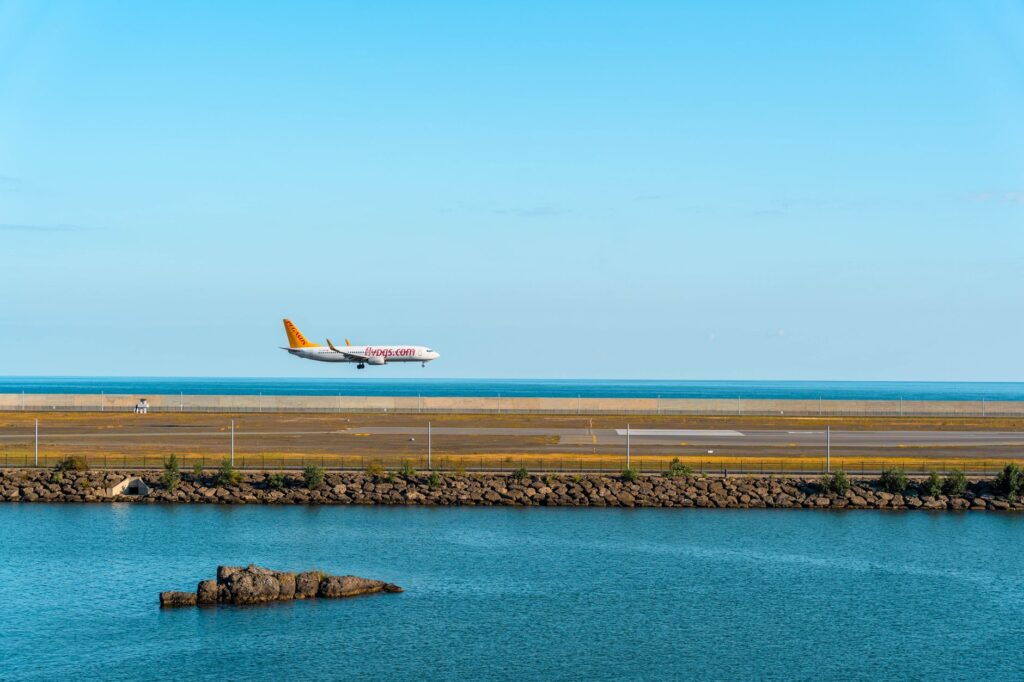
This reality has prompted local tour operators to stop viewing air connectivity as a luxury and to begin demanding it as an essential public service for economic survival. The lack of regular, accessible flights strangles the potential of an industry that generates thousands of indirect jobs in hospitality, gastronomy, internal transport, and recreation. Without a robust aviation supply, tourism in Anzoátegui risks remaining confined to a strictly regional and weekend market, underutilizing the state’s installed capacity.
The Voice of Operators: A Unanimous Plea from Travel Agencies
Over recent months, guild representatives and independent travel agencies have held technical working sessions to evaluate the current state of commercial aviation serving the region. The General José Antonio Anzoátegui International Airport, located in Barcelona, possesses the physical infrastructure necessary to receive medium and large-bodied aircraft, but its current operational capacity falls far below optimal levels. Flight frequencies to and from Caracas are limited, and connections with other key cities nationwide are virtually nonexistent or highly irregular.

Business leaders maintain that the opening of new routes will benefit not only the leisure sector but also corporate and business tourism. Anzoátegui is a historically relevant industrial and petroleum hub, meaning there is a constant demand for executives and technicians who require agile transit.
Air connectivity is not a privilege reserved for vacationers; it is the fundamental infrastructure that allows a region to remain integrated into the country’s economic and cultural circuits.
State representatives of the tourism guild, emphasizing that every inactive route represents a commercial opportunity lost for local hotels, restaurants, and service providers.
The Multiplying Impact of Commercial Aviation on the Local Economy
The reactivation and opening of air routes triggers an intensely positive chain reaction for any regional economy. When a commercial flight lands on a regular basis, the benefits extend far beyond airlines; it instantly activates a complex ecosystem including taxi drivers, porters, receptive agencies, nautical excursion operators, certified guides, and small handicraft merchants.
In the specific case of Anzoátegui, an increase in incoming air passengers would immediately translate into a rebound in hotel occupancy, which has historically operated below its break-even point outside high vacation seasons. Furthermore, it would enable the deseasonalization of tourism, attracting corporate visitors during the week and vacationers during long weekends. A steady flow of travelers stimulates private investment, compelling service providers to elevate their quality standards to satisfy the demands of a more diversified and discerning market.

The Strategic Role of Mochima National Park and Nature Tourism
One of the undeniable facts supporting the urgency of these air routes is the incomparable natural attraction represented by Mochima National Park. This marine-coastal sanctuary, shared with Sucre State, offers a dazzling combination of inlets, gulfs, white-sand cays, and crystal-clear waters inhabited by exceptional marine biodiversity. For international tourists or travelers from the country’s western regions, reaching Mochima currently implies a complex journey that can take over a day of travel combining various transport modes.
If the General José Antonio Anzoátegui International Airport manages to consolidate direct connections with international airports or regional hub connections, Mochima would immediately position itself as one of the most accessible and attractive Caribbean destinations on South America’s Atlantic façade. The possibility of eating breakfast in a major capital and having lunch in front of the calm waters of Playa Arapito or the Borracha Islands would radically alter the region’s tourism competitiveness.

Overcoming Obstacles: Technical and Operational Challenges in Venezuelan Aviation
Despite the enthusiasm and insistence of travel agencies, the path toward full connectivity is paved with complex challenges. The Venezuelan aeronautical sector is undergoing a deep restructuring period marked by operational restrictions, limitations in the availability of aircraft fleets by national airlines, high costs of aviation insurance, and strict maintenance requirements that slow down the incorporation of new routes.
Likewise, national aeronautical authorities and airport administrators must coordinate efforts with the private sector to offer attractive incentives, such as temporary reductions in landing and overnight fees, fuel at competitive prices, and joint destination promotion campaigns.
Opening a route is not merely drawing a line on a navigation map; it requires a sustained financial and logistical commitment among airlines, tour operators, and the State to guarantee long-term profitability.
Air transport experts remind stakeholders, warning against the improvisation of charter flights that disappear after just a few weeks of operation.
Practical guide
For travelers and tourism professionals interested in understanding and leveraging the current landscape of tourism and mobility in Anzoátegui, the foundational guidelines based on current service conditions are detailed below:
- Main Access: Regular air entry is primarily conducted through the General José Antonio Anzoátegui International Airport (BLA), located in Barcelona. It is recommended to verify current frequencies directly with authorized domestic airlines, as itineraries frequently change.
- Connection Alternatives: Given the limitation of direct flights, many travelers choose to fly into Maiquetía International Airport (CCS) near Caracas and complete the journey to Anzoátegui via private land transport or express bus services, with estimated travel times ranging from four to six hours depending on road conditions.
- Internal Transport: To travel between Barcelona, Puerto La Cruz, Lechería, and boarding points toward Mochima National Park, the use of hotel-certified taxis, local mobility applications, and car rental services available at airport counters is recommended.
- Seasons and Reservations: Advance planning is strongly advised during national vacation periods (August-September, Carnival, and Holy Week), times when internal demand overburdens existing transport capacity.
- Institutional Information: To verify travel regulations, boarding requirements, and updates regarding the opening of new commercial routes, consult official communications from the National Institute of Civil Aeronautics (INAC) and regional tourism chambers.
Possible Horizons: The Future of Anzoatiguense Tourism
The demands made by Anzoátegui’s travel agencies transcend mere commercial interest; they represent a legitimate commitment to the integral development of a state that possesses everything needed to consolidate itself as a tourism powerhouse in the South American Caribbean. The insistence on opening air routes is, essentially, a call to break the barriers of isolation and to understand that modern tourism demands speed, security, and efficiency.
While dialogue tables among service providers, airlines, and authorities continue their course, Venezuela’s eastern coast continues to await the moment when its skies reflect the exact same vitality as its beaches. The consolidation of this aeronautical network will not only shorten geographic distances but will also unite Anzoátegui’s unexplored potential with markets yearning to discover its beauty. Source in EN: Google News – Tourism Sector in Anzoátegui