In the misty foothills of the Truong Son mountain range, where the clouds cling to the emerald slopes of Quang Tri Province, a distinct fragrance now defines the landscape. It is no longer the scent of the 17th parallel’s turbulent history, but the sweet, jasmine-like aroma of coffee blossoms. As 2026 draws near, Khe Sanh prepares to celebrate a century of coffee heritage, marking the profound transformation of a historic battlefield into one of Southeast Asia’s most promising specialty coffee regions.
This corner of Vietnam, nestled within the Huong Hoa district, possesses a mystique that goes beyond its geographical coordinates. Here, the basaltic red soil and a unique microclimate—shaped by the interplay of Laotian winds and the South China Sea—have created a sanctuary for the Arabica bean. What began in 1926 as a French colonial experiment has evolved into the lifeblood of thousands of families, serving as a liquid symbol of peace where every cup tells a story of survival, adaptation, and botanical excellence.
1926-2026: A Century of Cultivation in the Central Highlands
The genesis of coffee in Khe Sanh was a calculated move by French agronomists who, a hundred years ago, recognized the area’s untapped potential. At an elevation of 600 to 800 meters above sea level, the plateau offered the cool temperatures and consistent rainfall necessary for Arabica varieties that struggled elsewhere in the country. By 1926, the first estates were established, forever altering the socio-economic fabric of the highlands and introducing a crop that would become synonymous with the region’s identity.
Throughout the mid-20th century, the industry faced immense challenges, yet the coffee trees proved as resilient as the people who tended them. The records of the earliest processing stations reveal a commitment to quality that has been revived in the modern era. Today, as the centenary approaches, the focus has shifted from mere survival to global recognition, with local farmers blending ancestral knowledge with cutting-edge fermentation techniques to produce beans that rival the world’s best.
Khe Sanh coffee is more than an export; it is a sensory chronicle of a century spent turning adversity into a refined art form.
The upcoming 2026 celebrations are not just about looking back; they are about celebrating the establishment of a unique coffee culture. The legacy of those 1926 pioneers lives on in the meticulous sorting of cherries and the pride of local producers who have successfully positioned Khe Sanh on the global specialty coffee map, ensuring that the next hundred years begin with a foundation of excellence and sustainability.
The Basaltic Soul: Why Khe Sanh Produces Unique Arabica
The secret behind the complex flavor profile of Khe Sanh coffee lies deep within its geology. The region sits upon a vast expanse of basaltic soil, the product of ancient volcanic activity. This nutrient-dense red earth provides a rich mineral base and natural drainage, which are critical for the root systems of high-quality Arabica. While Vietnam is globally famous for its Robusta production, Khe Sanh remains a rare bastion for the more delicate Catimor variety, which thrives in this specific soil chemistry.
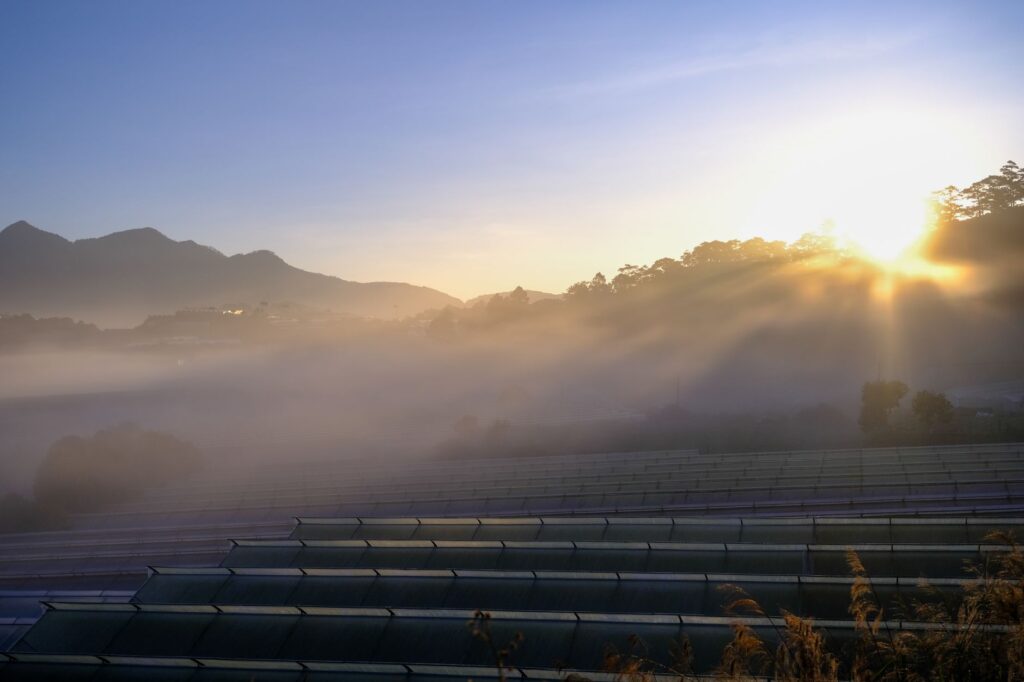
The climate serves as the master blender of this terroir. The «Lao winds»—hot, dry currents from the west—interact with the humid air from the coast, creating a rhythmic environmental stress that forces the coffee cherries to develop higher sugar content. This natural phenomenon results in a bean characterized by its bright acidity, medium body, and a clean finish that distinguishes it from the heavier, earthier profiles found in other parts of the Central Highlands.
The Role of Altitude in Flavor Development
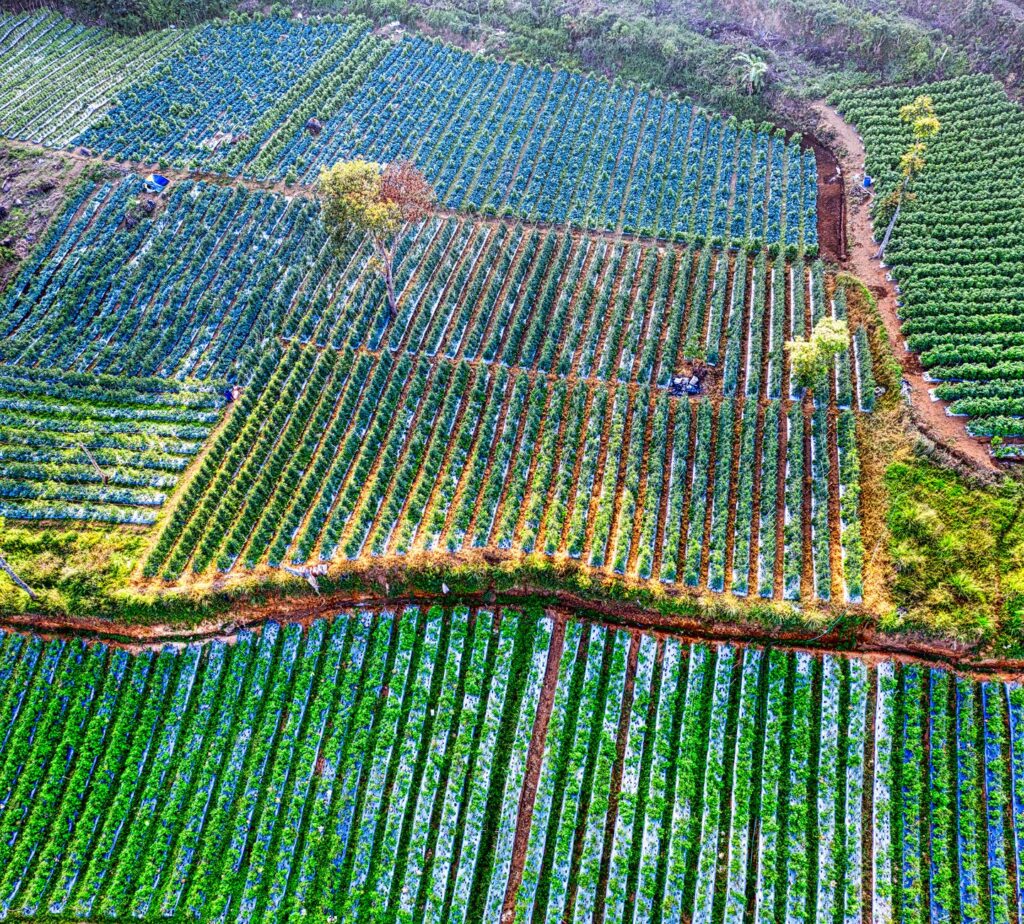
At these elevations, the maturation process is significantly elongated. This slow growth allows for a more complex development of organic acids and aromatic compounds within the bean. Patience is the cornerstone of the harvest in Khe Sanh, where cherries are only hand-picked at the peak of ripeness. This dedication to timing ensures that the final brew captures the essence of the mountains—vibrant, nuanced, and deeply satisfying.
Healing the Scars of the 17th Parallel
For many, the name Khe Sanh is inextricably linked to the 1968 siege, a pivotal moment in the Vietnam War. However, the landscape today tells a different story—one of ecological and human healing. The craters that once pockmarked the valley have been filled and transformed into lush groves. This metamorphosis is a testament to the power of agriculture as a tool for reconciliation and renewal, proving that even the most scarred earth can be made to bloom again.
The transition from a zone of conflict to a zone of cultivation required decades of intensive labor and land clearance. The Vietnamese government’s initiative to prioritize coffee production in Quang Tri provided a clear path forward for a population seeking stability. Today, the remnants of the past serve as historical markers within a sea of green, offering visitors a poignant reminder of how far the region has come. The modern processing facilities standing near old airstrips symbolize a future built on the ruins of the past.
Faces of the Highlands: The Bru-Van Kieu Legacy
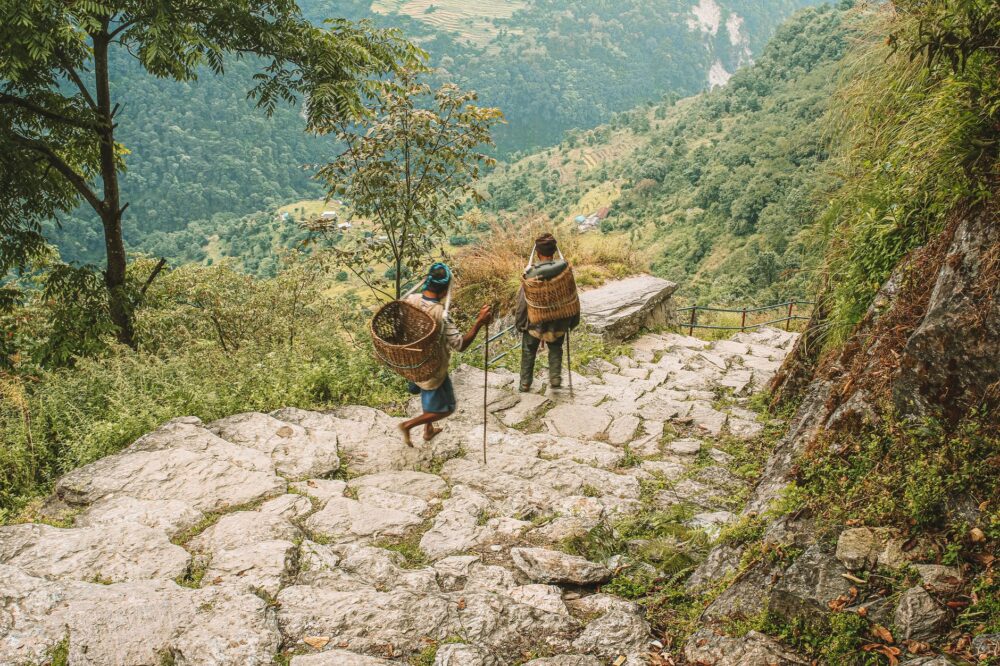
The true guardians of Khe Sanh’s coffee heritage are the Bru-Van Kieu ethnic minority. Having lived in these mountains for centuries, they possess an intimate understanding of the local ecology. The integration of coffee into their traditional way of life has created a unique cultural synthesis. For the Bru-Van Kieu, the harvest is a communal event, a time where traditional songs and modern agricultural practices meet under the canopy of the coffee trees.

Modern cooperatives have empowered these communities, ensuring that the profits from the 100-year legacy are shared equitably. By focusing on organic farming and forest-friendly practices, the Bru-Van Kieu are not just harvesting beans; they are protecting their ancestral lands. Their stewardship ensures the longevity of the terroir, maintaining a delicate balance between economic development and environmental preservation that serves as a model for the rest of the country.
- Implementation of shade-grown techniques to preserve local bird species.
- Community-led workshops on sustainable water management in processing.
- Preservation of indigenous weaving and music through agritourism.
- Direct-trade models that bypass middle-men to benefit the growers.
Towards the Centenary: Modernity Meets Tradition
As the 2026 milestone nears, Khe Sanh is embracing a new era of innovation. The local industry is increasingly focusing on «Specialty Coffee» standards, utilizing anaerobic fermentation and natural processing to unlock exotic flavor notes. These methods require precision and scientific rigor, yet they are being adopted with enthusiasm by a new generation of Vietnamese roasters and farmers who see coffee as a high-art form.
Sustainability remains the guiding principle of this modernization. In response to global climate shifts, farmers are planting diverse tree species to act as windbreaks and carbon sinks. This holistic approach to farming ensures that the basaltic soil remains fertile for the next century. The goal is clear: to make Khe Sanh a global destination for coffee lovers who value not just the taste in the cup, but the ethics and environmental health of the source.

Innovation in Khe Sanh is not about replacing tradition; it is about providing the scientific tools to let that tradition shine on the global stage.
Tasting Notes: A Symphony of Earth and Fruit
A cup of Khe Sanh Arabica is a journey through the geography of Quang Tri. On the nose, one often finds delicate notes of white flowers and green tea. Upon the first sip, a refined citric acidity emerges, reminiscent of orange zest or lemongrass. As the coffee cools, deeper flavors of dark chocolate and toasted nuts come to the fore, followed by a lingering, woody finish that speaks to the mountain air.
This complexity is a direct result of the high-altitude conditions and the meticulous care taken during the «wet» and «dry» processing phases. Unlike the punchy bitterness often associated with Vietnamese coffee, Khe Sanh’s output is elegant and balanced. It is a coffee that rewards slow brewing methods, such as the pour-over or Chemex, which allow the subtle nuances of the red soil to be fully expressed and appreciated.
Practical guide
For travelers wishing to experience the coffee culture of Khe Sanh, the ideal time to visit is during the harvest season from October to January. During this period, the hills are alive with activity, and the scent of fresh cherries fills the air. The region is most easily accessed from Dong Ha city via Route 9, a scenic two-hour drive that offers breathtaking views of the Truong Son mountains and the surrounding valleys.
Accommodation options have expanded to include charming homestays and eco-lodges that offer an immersive «farm-to-cup» experience. It is highly recommended to hire a local guide who can navigate the linguistic and cultural nuances of the Bru-Van Kieu villages. Visitors should come prepared for cooler mountain temperatures, especially in the evenings, and bring sturdy footwear for exploring the steep, often muddy plantation trails.

Travel Recommendations
- Cooperative Tours: Visit local processing centers to see the journey from cherry to bean.
- Ta Con Airfield Museum: Gain essential historical context at this former military site turned museum.
- Cupping Sessions: Visit the new specialty cafes in the district center for a professional tasting experience.
- Nature Trails: Hike through the plantations to discover hidden waterfalls and panoramic viewpoints.
A Quiet Reflection in the Valley
As evening falls over Khe Sanh and the sun dips behind the Laotian peaks, a profound stillness settles over the coffee groves. It is a silence that feels earned—a quietude born from a century of struggle and eventual triumph. The 100-year history to be celebrated in 2026 is more than a chronological marker; it is a validation of a community’s choice to pursue peace through the soil.
To walk through these valleys today is to understand that the earth has a long memory but an even greater capacity for renewal. Khe Sanh coffee, with its balanced flavor and heroic origin, is more than a beverage; it is a bridge between a difficult past and a fragrant future. In every hand-picked bean and every carefully roasted batch, there is the heartbeat of a people who have turned their scars into furrows of life, ensuring that the scent of peace will linger for another hundred years.