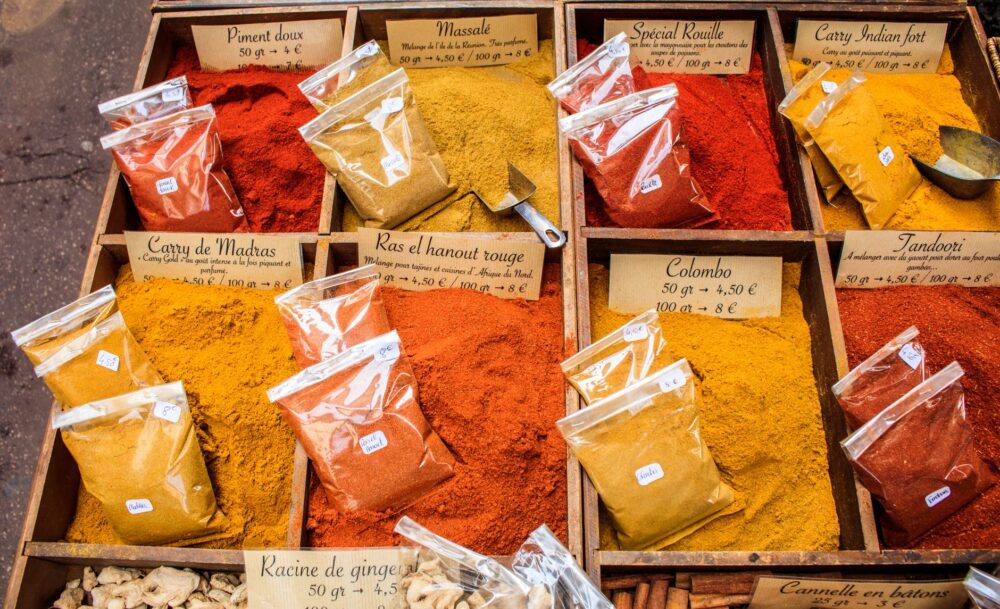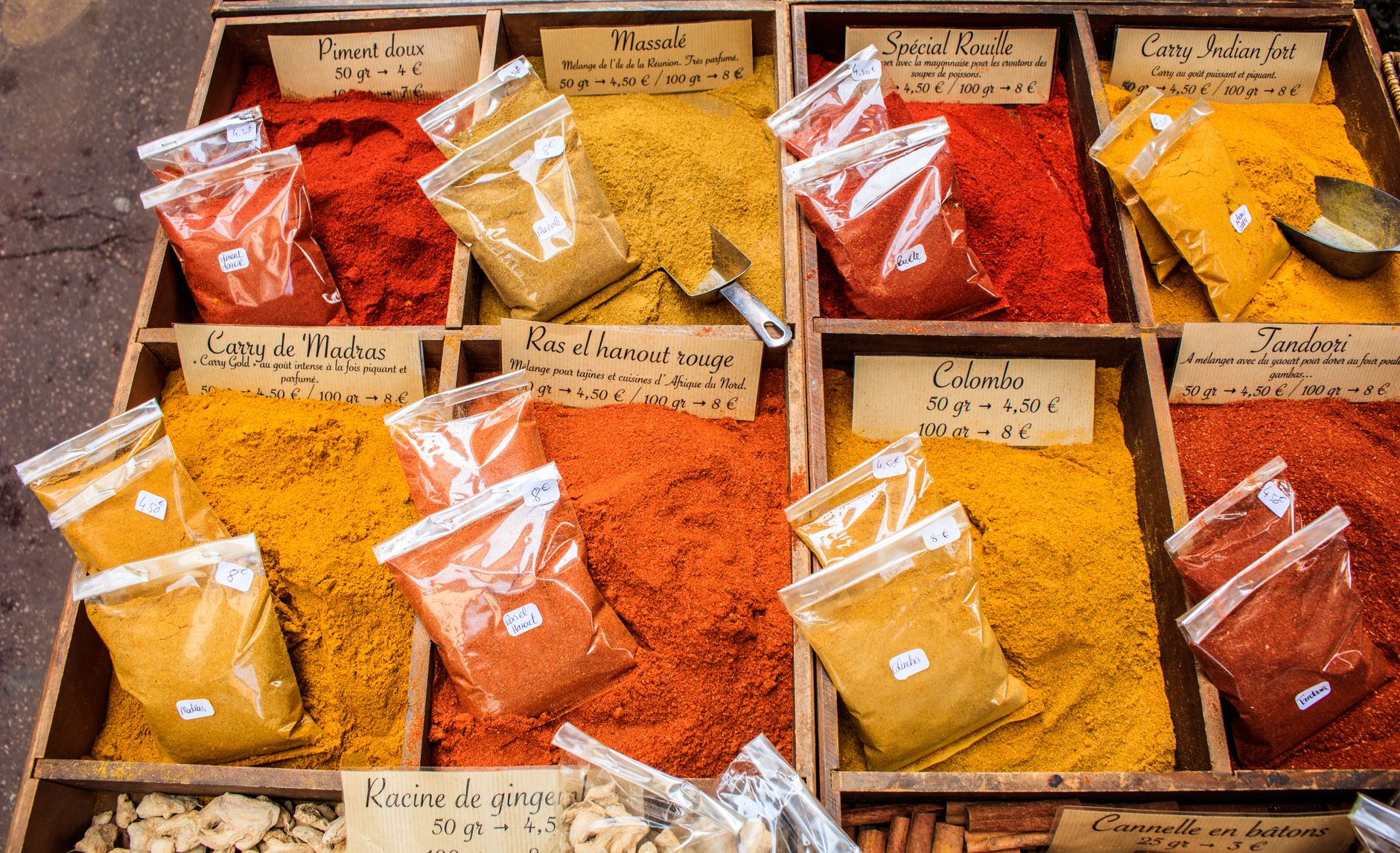

Walking through the streets of Toronto is to surrender to a constant choreography of aromas that defy any attempt at linear classification. In a single block, the air can shift from the sweet perfume of maple syrup to the pungent spice of toasted cumin or the citrus fragrance of lemongrass. This is not merely a city with international options; it is a living organism where food acts as the connective tissue between hundreds of cultures that have chosen to call this corner of Ontario home. Here, the table is not just a place for sustenance, but the primary stage where identity is negotiated and belonging is celebrated.
This culinary expedition does not seek the star-studded restaurants found in luxury guides, but rather the vibrant soul of neighborhoods that pulse to the rhythm of their markets and community kitchens. Toronto has earned the title of the most multicultural city on the planet, and that statistic translates into dishes that retain the honesty of their origins while absorbing the energy of their new surroundings. From the century-old aisles of St. Lawrence Market to the graffiti-clad alleys of Kensington, every bite tells a story of migration, resilience, and, above all, a deep hospitality that transcends language barriers.
The Morning Rhythms of St. Lawrence Market
The day inevitably begins at the St. Lawrence South Market, a red-brick landmark that has served as the city’s pantry since 1803. Upon crossing its doors, the bustle is deafening yet rhythmic. Third-generation butchers exchange jokes with chefs searching for the freshest produce from the Niagara region, while tourists line up for the iconic peameal bacon sandwich. This bite—a piece of cured pork loin rolled in cornmeal—is perhaps the closest thing Toronto has to a national dish, a relic of British influence that survives with pride in the heart of the market.
However, the true magic of St. Lawrence lies in its ability to evolve. Nestled between Ontario cheese stalls and local honey vendors, spaces dedicated to Middle Eastern spices and handmade fresh pastas have emerged. It is a microcosm of global trade, where product quality is the only currency that matters. Watching locals choose their ingredients is like attending a lesson in applied geography; here, it is understood that the best salmon comes from the Pacific and the sweetest tomatoes are found in the Greenbelt surrounding the metropolis during summer months.
«Food in Toronto isn’t a trend; it’s a shared language for people who have crossed oceans to be here.»
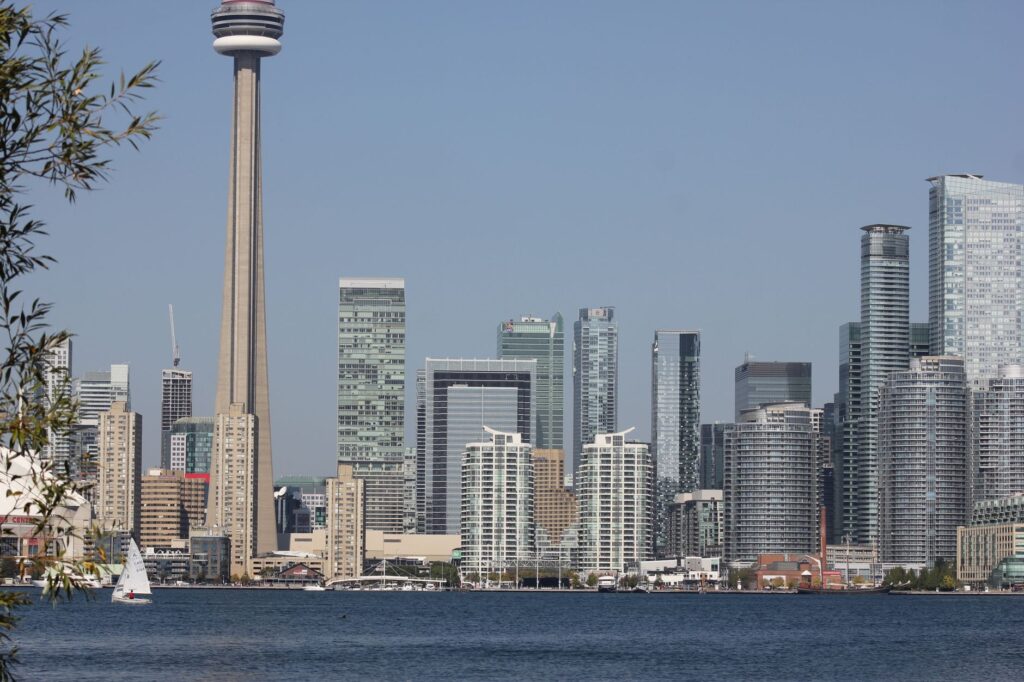
Exiting the market, the contrast with the Financial District is immediate. Glass skyscrapers loom over historic structures, but the essence of the market lingers on the palate. It is this tension between the old and the new that defines the city’s gastronomic experience. It’s not just about what is eaten, but the context in which it is consumed: a constant reminder that Toronto is a city built by hands that know how to work the land and handle fire with equal skill.
Kensington Market: A Culinary Palimpsest
If St. Lawrence represents order and tradition, Kensington Market is creative chaos and the avant-garde. This labyrinth of narrow streets, designated a National Historic Site, has been the first port of call for successive waves of immigrants: Jewish, Portuguese, Italian, Caribbean, and, more recently, communities from across Latin America and Asia. The result is a culinary palimpsest where shop signs overlap, creating a visual and gustatory aesthetic unique in the world.
In Kensington, one can have a Chilean empanada for breakfast, a Michoacán-style carnitas taco for lunch, and a Portuguese pastel de nata for an afternoon snack within a radius of less than a hundred meters. Authenticity is not a pose, but a necessity. Locals don’t come here for interior design; they come for the depth of the broths and the freshness of the spices. Grocery stores display exotic fruits that look plucked from a tropical garden, defying Canada’s often frigid climate.
The market is also the epicenter of resistance against gentrification. Despite pressure from large corporations, Kensington maintains its independent spirit. Here, business owners are often behind the counter, sharing recipes passed down through generations. It is a place where food feels personal, where the act of buying a coffee or a piece of cheese is a way of supporting a complex social network that values diversity over commercial homogeneity.

The Journey East: Gerrard India Bazaar
Moving toward the city’s east end, the landscape changes radically upon entering the Gerrard India Bazaar. This is one of the largest South Asian marketplaces in North America, and its atmosphere is intoxicating. Windows are filled with vibrantly colored saris, but it is the smell of freshly fried samosas and tandoori chicken that truly guides the visitor. Here, the dining experience is a total immersion into the flavors of the subcontinent, from Punjab to Kerala.
Restaurants in this area offer a variety of regional dishes rarely found elsewhere. Chaat, or Indian street food, is the absolute star. Crunchy, spicy, and refreshing, these bites are an explosion of textures that challenge the senses. On weekends, sidewalks fill with families coming from across the province to stock up on hard-to-find ingredients and enjoy a meal that connects them to their roots.
This neighborhood serves as a reminder that Toronto is not a «melting pot» where identities blend into one, but a mosaic where each piece retains its original color and shape. On Gerrard Street, Indian culture hasn’t been diluted; it has expanded, adapting to the Canadian rhythm while maintaining its vibrant essence. It is a testament to how food can be an emotional anchor in a world in constant motion.
The Scarborough Frontier: The Eldorado of Authenticity
For the true culinary adventurer, the journey is incomplete without an incursion into Scarborough. Often overlooked by traditional tourist circuits, this peripheral district is considered by many food critics as having the best food in the world. Here, suburban strip malls hide treasures that would put the most exclusive downtown restaurants to shame. It is the realm of Tamil, Chinese, Filipino, and Middle Eastern food in its purest, most unpretentious form.
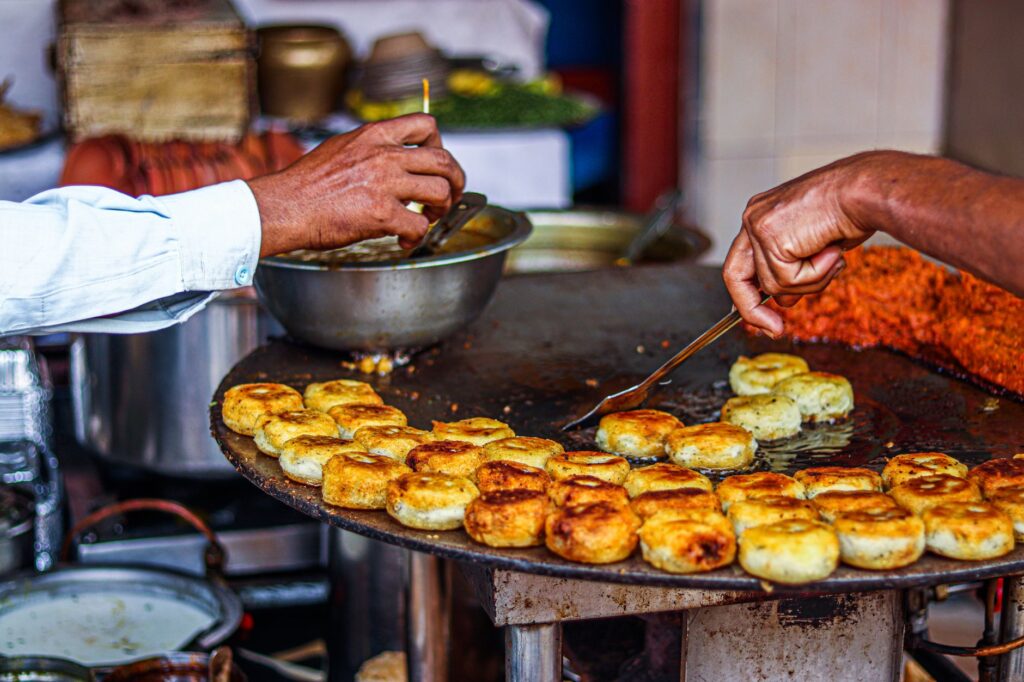
In Scarborough, you find the city’s best kothu roti, a Sri Lankan dish made of chopped flatbread, vegetables, eggs, and meat, all cooked on a hot griddle with a characteristic percussive rhythm. It is also the place to taste authentic dim sum in massive halls where steam from bamboo baskets clouds the vision. The scale of the offering is overwhelming, and the quality is consistently high due to the demands of the communities living there.
Exploring Scarborough requires a car and patience, but the reward is a deeper understanding of what it means to be a Torontonian today. Away from the glitter of the CN Tower, life happens in these shared spaces where the common language is the enjoyment of a good meal. It is a democratic, accessible, and deeply human experience that redefines the idea of what constitutes a top-tier travel destination.
«Scarborough is the beating heart of global cuisine; here there are no filters, just the real flavor of hands that know their craft.»
Sustainability and the Ontario Greenbelt
Despite its urban character, Toronto maintains a vital connection to the land. The Ontario Greenbelt, one of the world’s largest protected areas of farmland, surrounds the city and provides a cornucopia of fresh produce. In recent years, there has been a growing movement among local chefs to highlight these ingredients, creating a cuisine that is simultaneously global in inspiration and local in execution.
Farmers’ markets, such as the one at Evergreen Brick Works, have become essential gathering points. Here, sustainability is not just a buzzword but a daily practice. Consumers can speak directly with apple growers from Georgian Bay or cattle ranchers from the Northumberland Hills. This traceability adds a layer of meaning to the food, connecting the city’s asphalt to the fertile fields that sustain it.
This ecological awareness is also reflected in the growing range of plant-based options and the commitment of many restaurants to waste reduction. Toronto’s culinary scene is proving that it is possible to be a global gastronomic powerhouse without losing sight of environmental responsibility. It is a delicate balance, but one the city seems to be handling with surprising maturity.
The Culture of the Dinner Party
Beyond restaurants and markets, a more intimate and private culinary scene exists: the dinner party. In a city where winter can be long and rigorous, the home becomes the ultimate sanctuary. Torontonians have perfected the art of domestic hospitality, where friends from diverse backgrounds gather to share dishes that are the result of culinary experiments and family heritages.
These gatherings are often where new trends are born. A young chef of Korean descent experimenting with French techniques, or an Italian grandmother teaching her Canadian-born grandchildren how to make pasta, are the true engines of innovation. The private table is the laboratory of diversity, a safe space where cultural exchange occurs organically and without commercial pressure.
Participating in one of these dinners, or even the public supper clubs that have proliferated, is to understand the warmth that lies beneath the city’s sometimes reserved surface. It is in the shared toast and the second helping of a dish where lasting friendships are forged. Toronto, at the end of the day, is a city of small stories intertwined around a tablecloth.
Practical guide
To fully enjoy Toronto’s culinary offerings, it is essential to plan visits according to market hours. St. Lawrence Market is closed on Mondays, making Saturday the most vibrant, though also the busiest, day. For Kensington Market, walking is ideal; many streets become pedestrian-only during the last Sundays of each month in the summer, creating an unparalleled street party atmosphere.
- Transportation: The public transit system (TTC) is efficient. Use the streetcar to move around downtown and the subway to reach the east and west ends. For Scarborough, consider using ride-sharing services.
- Documentation: Ensure you have a valid eTA (Electronic Travel Authorization) before flying to Canada.
- Weather: The best time for food lovers is from May to October, when outdoor markets are at their peak. In winter, take advantage of the Winterlicious festival to try tasting menus at reduced prices.
- Tipping: In Canada, it is customary to leave a 15% to 20% tip in restaurants.
- Reservations: For popular spots in neighborhoods like Queen West or Ossington, book at least two weeks in advance.
Finally, do not be afraid to step off the beaten path. The best discoveries often happen in the least expected places: a food stall in a basement, a signless bakery on a side street, or a food truck in a park. Curiosity is the best ingredient for any trip to Toronto.
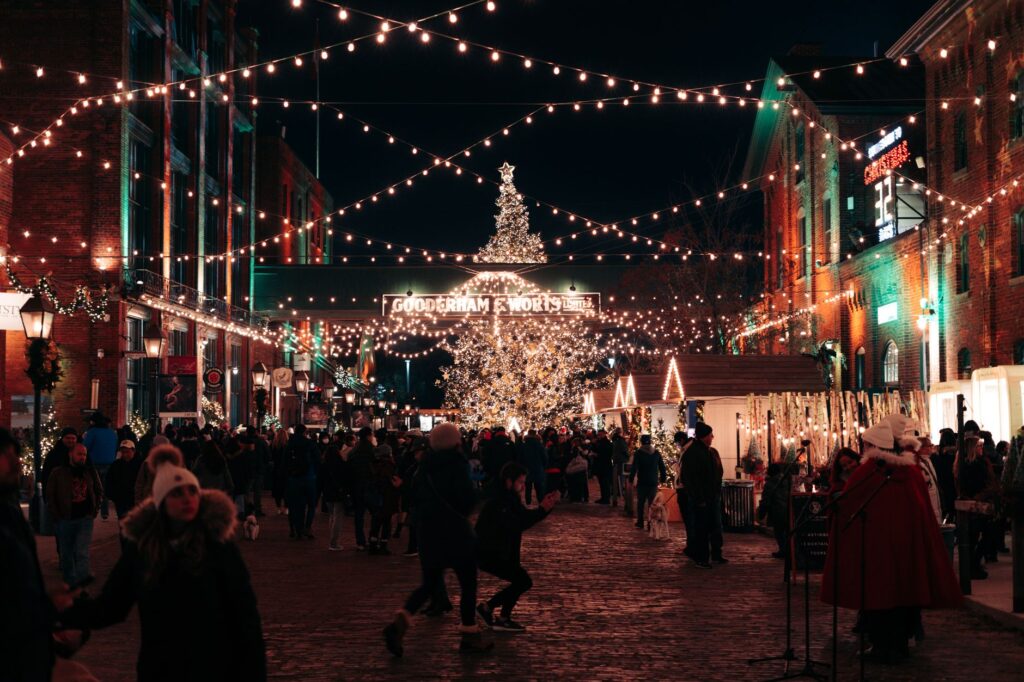
As night falls and the city lights reflect on the waters of Lake Ontario, one is left with the feeling of having traveled the world without leaving a single city. Toronto does not offer just one cuisine, but all of them, inviting every visitor to find their own place at this endless feast. It is a celebration of life in all its complexity and flavor.