
The tug-of-war for territory in the heart of the Mediterranean
The island of Majorca is witnessing a historical turning point in its tourism management model. With the hardening of the offensive against illegal tourist accommodations, the regional administration and local municipalities seek to curb an unregulated expansion that for years has strained the housing market, saturated basic infrastructure, and transformed both urban and rural landscapes. This movement does not respond to a circumstantial occurrence, but rather to the culmination of technical and social diagnosis that evidences the physical limits of an island receiving millions of visitors annually. Summer saturation is no longer perceived merely as a symptom of economic success, but as a structural challenge of sustainability, where the preservation of the right to housing and the protection of the natural environment occupy the center of public debate.
Housing inspections, backed by advanced tracking technology and a substantial increase in surveillance resources, are dismantling opaque marketing networks on digital platforms. The government’s priority is clear: to ensure that any accommodation strictly complies with urban planning and tax regulations, returning to the residential market the stock of apartments that historically met the needs of the local population. This political and administrative shift marks the beginning of an era where the value of the Balearic territory is measured by its regeneration capacity and harmonious coexistence between year-round residents and temporary visitors.
The housing crisis as a catalyst for regulatory change
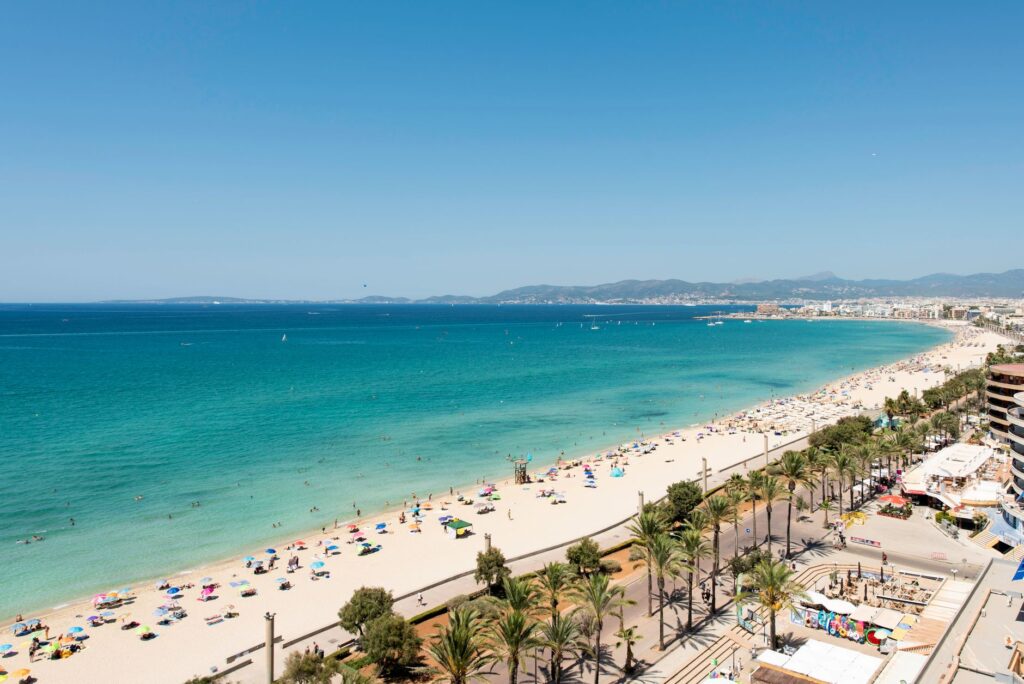
The primary trigger for this offensive lies in the alarming escalation of rental prices and the chronic scarcity of affordable housing for essential residents, from teachers and healthcare workers to service sector employees. Over the past decade, the proliferation of unlicensed tourist apartments in traditional Palma neighborhoods and coastal municipalities displaced resident populations to the periphery or directly forced entire families out of the island. The socioeconomic consequences of this phenomenon generated a deep rift in the community fabric, eroding the identity of entire neighborhoods and turning access to a home into one of the most severe problems of Balearic society.
Faced with this situation, the institutional response has shifted from mild reprimands to a severe sanctioning regime that includes heavy fines for both offending property owners and intermediary platforms advertising accommodations lacking legal authorization. Neighborhood associations and housing rights collectives have positively valued these measures, while insisting on the need to maintain long-term inspection pressure to prevent clandestine activity from migrating to harder-to-detect formats. The transformation of the Balearic real estate market requires legislative constancy to discourage speculation and prioritize community wellbeing over short-term economic returns.
The role of technology and auditing in the new strategy
The efficacy of the current campaign against illegal rentals relies on the intensive use of digital inspection tools. Regional control teams employ advanced algorithms and massive internet tracking systems to identify fake listings, cross-reference cadastre data, and detect anomalous contracting patterns in residential zones. This telematics surveillance allows inspectors to act with greater speed and precision, narrowing the margin of maneuver for property owners operating outside the law. Collaboration with municipal councils has also been decisive in unifying criteria and streamlining sanctioning proceedings, avoiding jurisdictional dispersion that traditionally hindered complaint processing.
The digitalization of tourist inspection represents a Copernican shift in insular governance, shifting the burden of proof toward mandatory transparency in the accommodation supply.
Simultaneously, accountability has been stepped up for major vacation rental platforms, urging them to immediately remove any offer lacking an official license number and to block repeat offenders’ accounts. This coordinated pressure on digital marketing channels is successfully reducing the volume of ghost beds in the global internet showcase. However, technicians warn that the technological challenge is constant, as offenders continually adapt their methods to bypass controls, forcing the administration to continuously update its cyber-patrolling and data analysis protocols.
Impact on the hotel sector and the balance of the economic model
The tightening of regulations against clandestine supply is also reshaping the competitive map of the traditional tourism sector. Regulated hotels and small interior tourism establishments, which rigorously comply with labor, environmental, and tax regulations, have seen this offensive as an act of economic justice that corrects unfair competition from the underground market. For years, illegal accommodations operated with minimal operating costs by dodging tourist taxes, safety inspections, and energy efficiency rules, generating a notable market imbalance.

Nevertheless, the formal hotel sector also assumes its share of responsibility for the destination’s overall sustainability. Tourism employers’ associations agree that Majorca’s future does not lie in increasing total visitor volume, but in consolidating a quality model that values environmental authenticity and respects local ecosystems’ carrying capacity. The reconversion of obsolete beds, the commitment to resource circularity, and the de-seasonalization of activity are complementary axes accompanying this legal offensive, demonstrating that the island’s economic viability is inextricably linked to territorial health.
The voice of local communities and cultural resistance
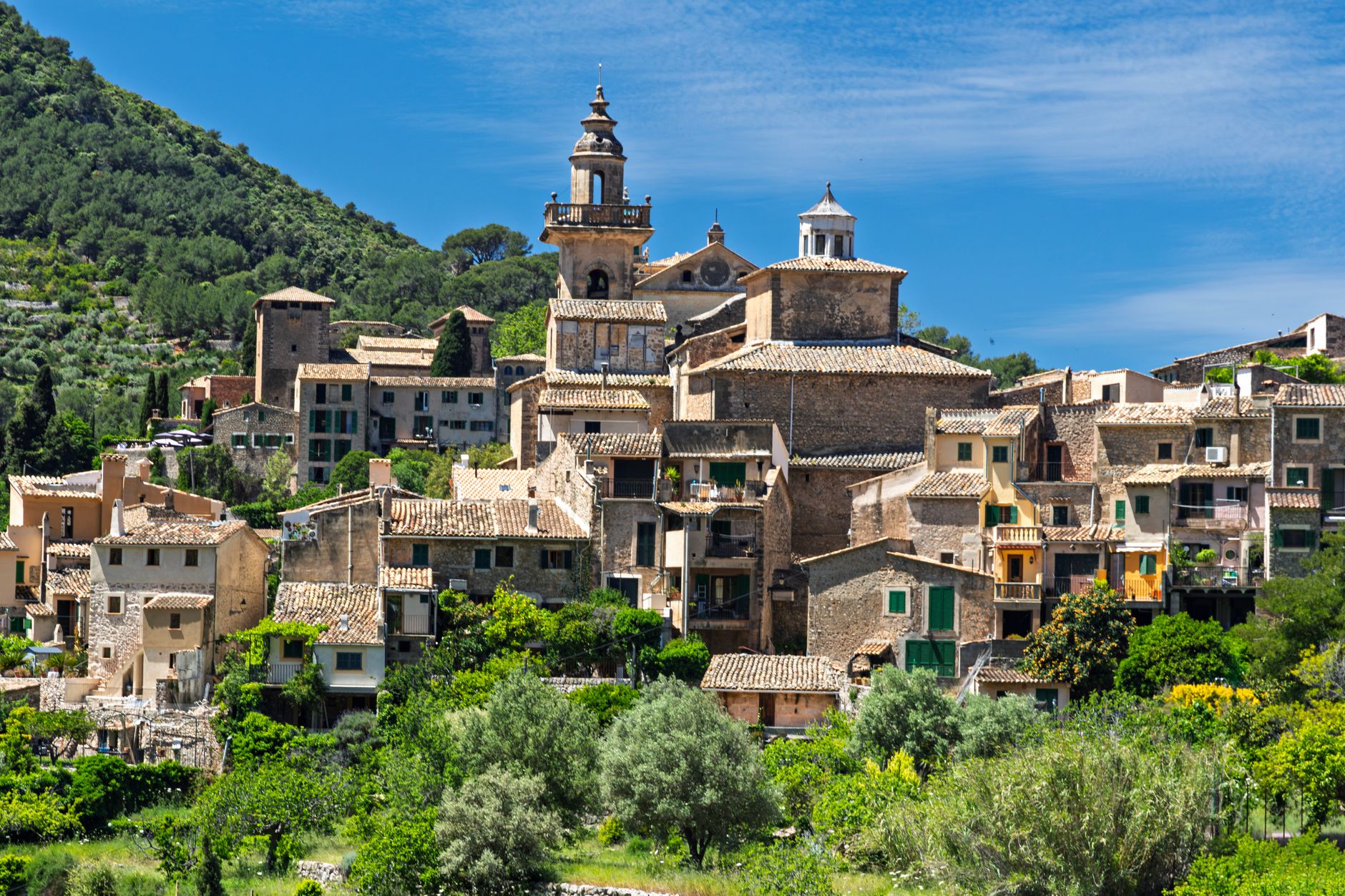
Beyond figures and administrative decrees, the true engine of this paradigm shift lies in civic mobilization and local community awareness. Neighborhoods in Palma and interior Majorcan towns have raised their voices to reclaim their right to maintain a distinct way of life, where streets do not exclusively become stages for temporary visitors. This cultural resistance seeks to preserve neighborhood commerce, community traditions, and the sound and social landscape defining Majorcan identity for generations.

Neighborhood associations now act as active observatories, channeling complaints and closely collaborating with municipal authorities to flag properties that alter community coexistence. This citizen commitment has forced political parties to place sustainable tourism management at the center of their agendas, turning territorial balance into an insular state-level issue. Island preservation is no longer understood as an aesthetic matter, but as an essential condition for the survival of its social and cultural fabric.
Environmental challenges and resource management in an insular territory
Insularity imposes inescapable physical limitations making the Balearic Islands particularly vulnerable to excessive tourism pressure. Water consumption, waste management, and peak-season mobility severely strain infrastructure designed for a population far below the actual count. Illegal rentals exacerbate this ecological deficit by escaping consumption and discharge controls strictly applied to regulated establishments, contributing to aquifer overexploitation and secondary road saturation.
Faced with this vulnerability, policies containing illegal vacation rentals integrate into a broader environmental strategy seeking climate neutrality and active protection of rustic land. Limiting urban growth and restoring degraded natural spaces are undisputed priorities to ensure Majorca remains a habitable territory in coming decades. Sustainability thus ceases to be an abstract concept, translating into saved cubic meters of water, implemented renewable energy megavites, and protected landscape hectares safeguarded from real estate speculation.

Practical guide
Essential information to understand the regulatory framework and inspection measures in Majorca.
- Legal framework: The Tourism Law of the Balearic Islands establishes an absolute prohibition on commercializing tourist stays in multi-family residential dwellings (apartments) in Palma and other saturated areas.
- License number: Any legal vacation rental listing must visibly display its tourist registration number in the regional registry. Its absence constitutes a serious infraction.
- Complaint channels: Citizens and residents can report suspicions of clandestine activity through official channels established by the Tourism Ministry and municipal councils.
- Sanctions: Fines for marketing or renting properties without corresponding authorization range from tens of thousands of euros to much higher figures for major offenders and platforms.
- Digital platforms: Intermediary companies are legally obligated to remove unauthorized advertising under threat of severe economic penalties from the administration.
Source: Forbes Spain