

It is a scenario familiar to any frequent flyer: the sudden chime of a smartphone, a stark red notification, and the sinking realization that your travel plans have just evaporated. Your flight has been canceled. Almost instantly, the airline’s app presents a «solution»—a new itinerary departing twelve hours later, featuring an extra connection and an arrival time that effectively erases your first day at your destination. To the airline’s automated system, the case is closed. To you, it is the beginning of a frustrating battle against a machine designed for efficiency, not empathy.
What most passengers fail to realize is that this automated rebooking is merely a suggestion, not a final decree. In the complex landscape of modern aviation, travelers possess significantly more leverage than airlines typically disclose. Understanding that alternatives exist far beyond the reach of a simple algorithm is the first step toward reclaiming control. By mastering the nuances of carriage contracts, interline agreements, and regional regulations, you can transform a potential travel disaster into a manageable detour.
The Algorithm vs. The Traveler
During mass cancellation events—whether triggered by a summer thunderstorm or a technical glitch—airlines deploy automated re-accommodation software. These systems are programmed to fill empty seats on the airline’s own subsequent flights at the lowest possible cost to the company. They are not searching for the fastest way to get you home; they are searching for the cheapest way to fulfill their contractual obligation. Accepting the first option provided by an app is often the biggest mistake a traveler can make.
Algorithms are inherently rigid. They won’t suggest flying into a nearby secondary airport and taking a short train ride, nor will they proactively offer a seat on a direct flight operated by a fierce competitor. The system is built to keep you within the airline’s financial ecosystem, often ignoring much better options that are readily available just a few gates away. Breaking free from this loop requires a shift from passive recipient to active negotiator.
«Automation in the airline industry has created a veneer of convenience that often serves as a shield against providing the actual service the passenger paid for.»
The Power of Human Intervention
Despite the push toward digital self-service, human agents still hold the keys to the kingdom. A gate agent or phone representative has the authority to override system restrictions, but they rarely do so without a specific request. Before you engage with staff, you must do your own homework. Identify the flights you want—regardless of the airline—and present them as your preferred solution. Knowledge, in this case, is the only currency that matters at the service desk.
- Identify direct flights on competing carriers departing within your desired window.
- Look for flights to alternative airports within a 100-mile radius of your destination.
- Check real-time seat availability using third-party flight tracking tools.
Decoding the Contract of Carriage
Every time you purchase a ticket, you enter into a legal agreement known as the Contract of Carriage. This document outlines the airline’s responsibilities during delays and cancellations. While often dense and difficult to read, it contains vital protections. In the United States, recent Department of Transportation (DOT) mandates have forced airlines to be more transparent about their obligations, particularly regarding refunds.
It is crucial to distinguish between «controllable» cancellations (mechanical issues, staffing shortages) and «uncontrollable» ones (weather, air traffic control). If the airline is at fault, your bargaining power increases exponentially. You have the right to request a seat on the next available flight, even if it is operated by another airline, provided your carrier has an existing interline agreement.
Furthermore, many travelers are unaware that if a flight is significantly delayed or canceled and they choose not to travel, they are entitled to a full cash refund—even for «non-refundable» tickets. This refund can be the financial bridge you need to book a last-minute flight on a different carrier that can actually get you to your destination on time.
The Secret World of Interline Transfers
Historically, a regulation known as «Rule 240» required airlines to put passengers on a competitor’s flight if it would get them to their destination sooner. While that specific federal mandate was phased out following deregulation, the mechanism still exists through interline agreements. These are commercial treaties that allow airlines to process each other’s passengers during irregular operations.
When an agent says, «There are no more flights today,» they usually mean there are no more seats on their own aircraft. However, a competitor might have plenty of room. If you approach an agent with a specific flight number from another airline and mention the interline agreement, you are speaking their professional language. Be precise: give them the flight number, the departure time, and the destination.

«In a crisis, the passenger who arrives at the desk with a pre-researched itinerary is the one who gets home first.»
How to Find These Hidden Routes
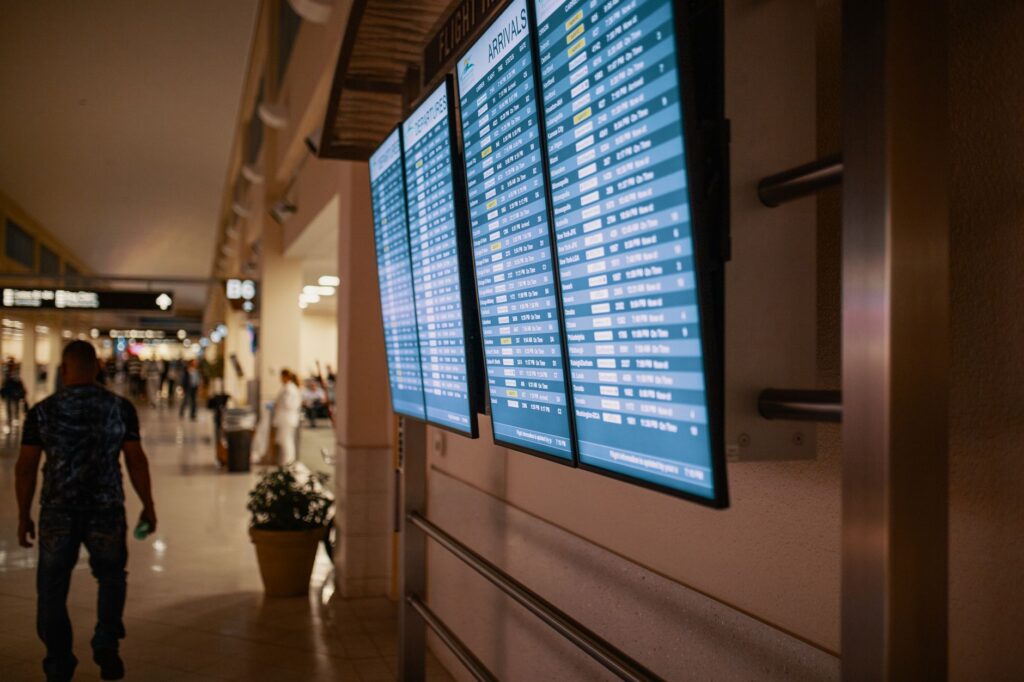
Don’t rely on the airport’s departure boards, which only show a limited window of time. Use professional-grade flight tracking apps to see the entire grid of possibilities. Sometimes, a flight to a nearby hub followed by a short regional connection is faster than waiting for the next direct flight on your original carrier. Consider the entire regional transport network, including high-speed rail options if you are in Europe or parts of Asia.
Geographic Flexibility as a Tactical Weapon
In major metropolitan areas, being flexible with your arrival airport can save your trip. If your flight to London-Heathrow is scrapped, check for availability into Gatwick or Stansted. Airlines will typically allow you to change your destination airport within the same city cluster at no extra charge during a cancellation event. This is a «hidden» option that the automated rebooking tool will almost never suggest.
This strategy is equally effective for your departure. If a massive storm has paralyzed a major hub, a smaller regional airport a few hours away might be clear. The cost of a rental car or a long Uber ride is often a small price to pay compared to losing two days of a vacation or missing a critical business presentation.
Global Standards: The EU 261 Advantage
For those traveling within, into, or out of the European Union on an EU-based carrier, the protections are among the strongest in the world. Regulation EC 261/2004 mandates that airlines provide not just rebooking or refunds, but also fixed financial compensation for cancellations made on short notice. Depending on the flight distance, you could be entitled to up to 600 Euros in cash, in addition to meals and hotel stays.
Airlines often try to circumvent these rules by offering travel vouchers. Legally, you have the right to insist on cash. Knowing this regulation changes the power dynamic at the gate. If the airline knows they will have to pay you hundreds of dollars in compensation, they are much more likely to find you a seat on a competitor’s flight to minimize their own financial liability.
Digital Leverage in a Crisis
When the system breaks down, your smartphone is your command center. While standing in the physical line at the airport, you should simultaneously be calling the airline’s customer service. Pro tip: try calling their international support desks. An agent in the Singapore or Ireland office can access your booking just as easily as the one in Chicago, often with a much shorter hold time.
Social media has also become a powerful tool for resolution. Airlines monitor their public feeds closely to avoid PR disasters. A polite, clear tweet or direct message detailing your situation can often trigger a faster response than the traditional channels. Provide your confirmation number and the specific flight you want to be moved to for the best results.

Practical guide
If your flight is canceled, follow these structured steps to ensure you get the best possible outcome:
- Do not click ‘Accept’ immediately: Review the automated offer but wait until you have checked for better alternatives.
- Search for your own solution: Use Google Flights or similar tools to find every available seat to your destination across all airlines.
- Verify the cause: Ask the airline for the specific reason for the cancellation. If it’s within their control, you have more rights.
- Multitask communication: Stand in line, call the airline’s international numbers, and send a direct message on social media all at once.
- Leverage interline agreements: If you find a flight on another airline, ask the agent specifically to «protect» you on that flight.
- Know the refund rule: If you find a better way home on your own, you are entitled to a full refund of the unused portion of your ticket.
- Keep your receipts: If the airline refuses to provide a hotel or meals, keep every receipt for a later reimbursement claim.
Travel is an exercise in adaptability. The modern flyer must be part lawyer, part logistics expert, and part negotiator. While technology has made booking easier, it has also made it easier for airlines to hide behind automated systems that prioritize their bottom line. By stepping outside the algorithm and advocating for yourself, you ensure that a mechanical failure or a weather front doesn’t dictate the end of your journey. The goal is to keep moving, and often, the best path forward is the one the airline didn’t tell you about.
Source: Yahoo Creators