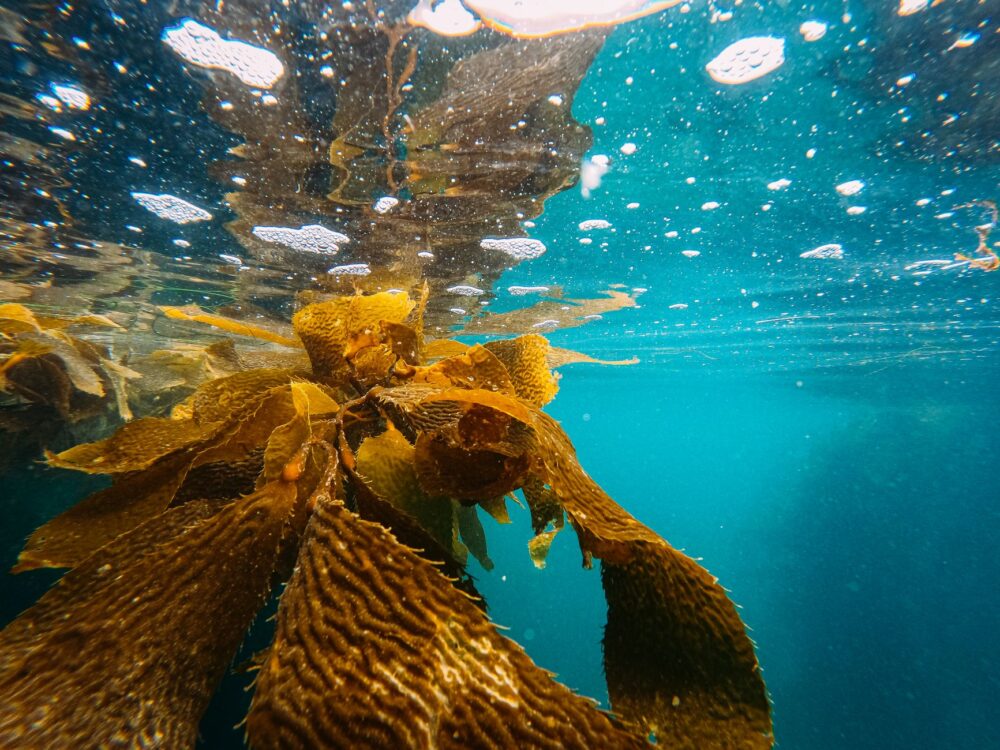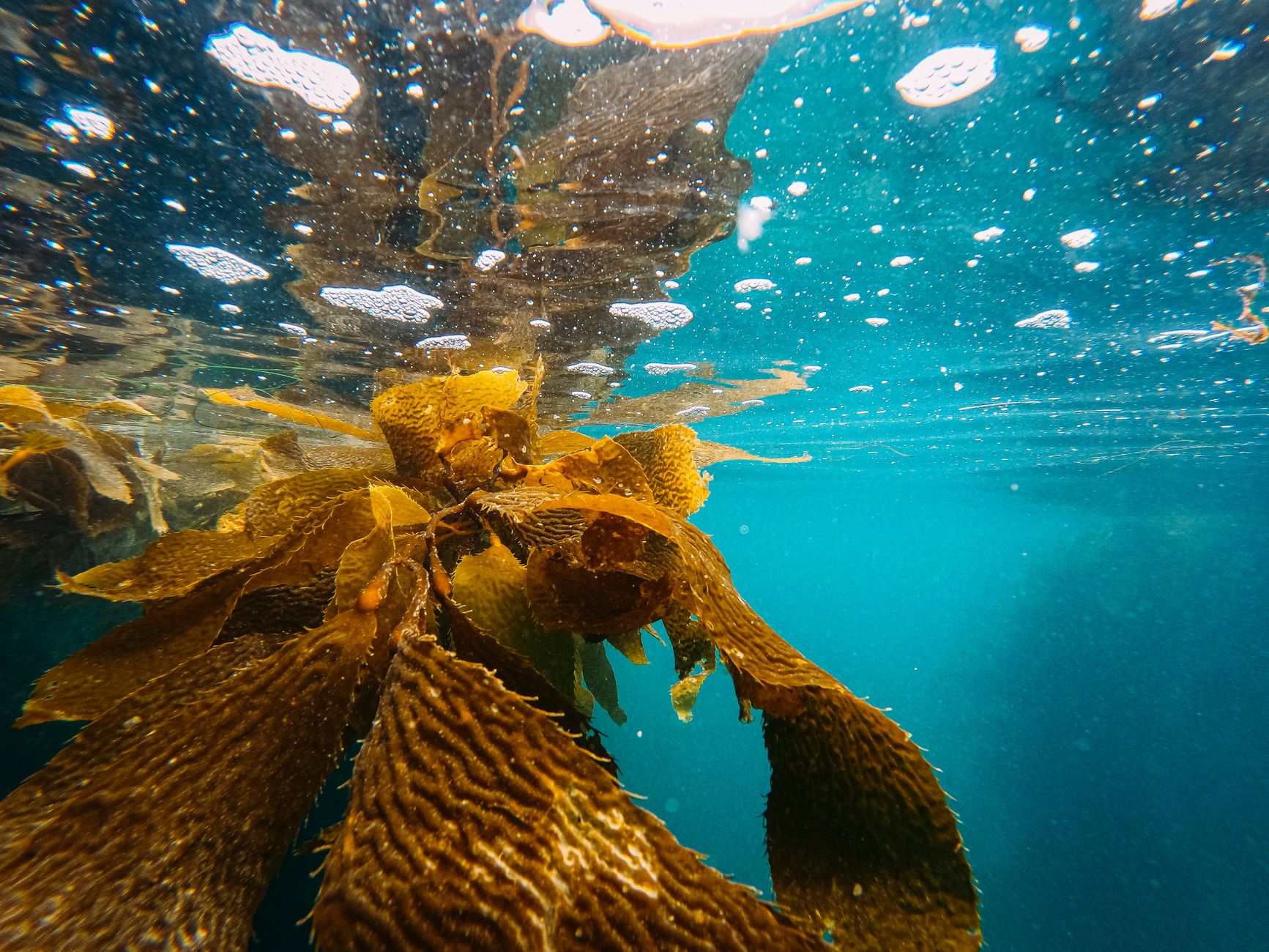

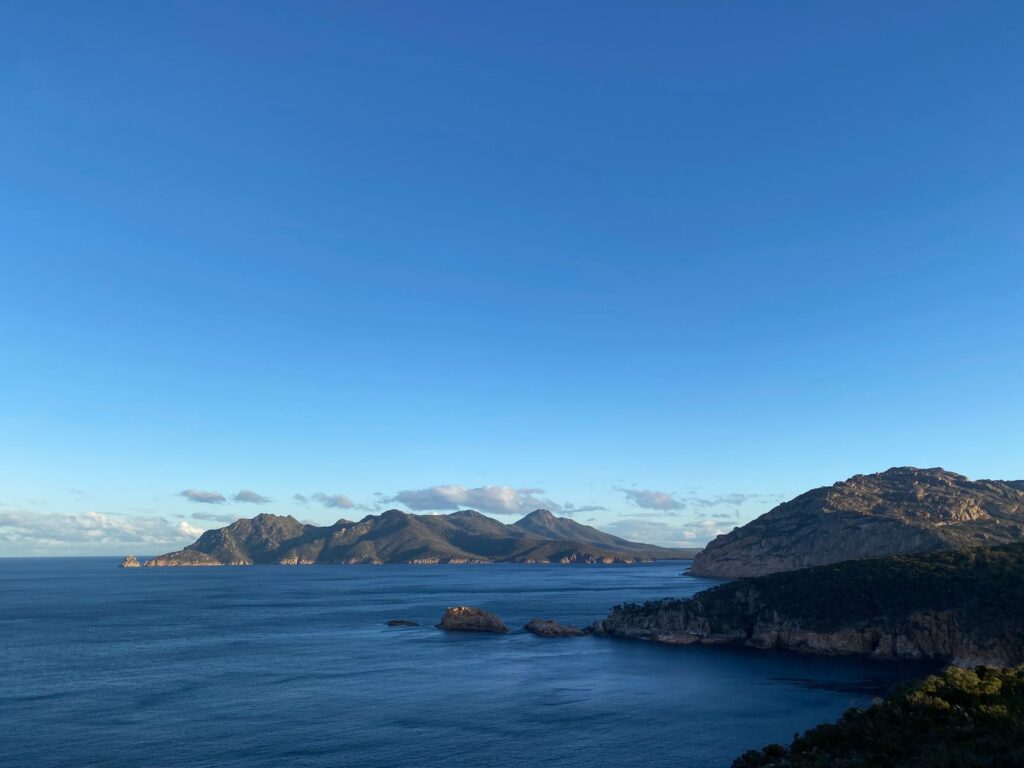
The water in Fortescue Bay, at the southern tip of Tasmania, possesses a near-mineral clarity and a temperature that catches the breath. Beneath the surface of this corner of the Southern Ocean, sunlight filters down in golden shafts, illuminating liquid cathedrals that until a few decades ago stretched uninterrupted for hundreds of kilometers along the coast. Today, however, swimming here is an encounter with absence, a temple stripped of its pillars where only a few surviving giant kelp fronds sway gently with the tide.
Giant kelp (Macrocystis pyrifera), the fastest-growing organism on earth, capable of soaring thirty meters from the seafloor at a rate of half a meter per day, has entered a catastrophic decline. Over the past forty years, ninety-five percent of these underwater forests have vanished from Tasmanian shores. This reportage descends into the depths of the Tasman Peninsula to document the collapse of this critical ecosystem and the extraordinary scientific efforts to breed a new generation of climate-resilient marine forests.
The Twilight of the Submerged Cathedrals
To comprehend the scale of this loss, one must understand the kelp forest not merely as an accumulation of marine vegetation, but as a vital ecological infrastructure. Much like terrestrial rainforests, these floating canopies buffer the shoreline from heavy swells, sequester tons of atmospheric carbon, and provide shelter, food, and nursery grounds for hundreds of endemic species, many of which exist nowhere else on Earth.
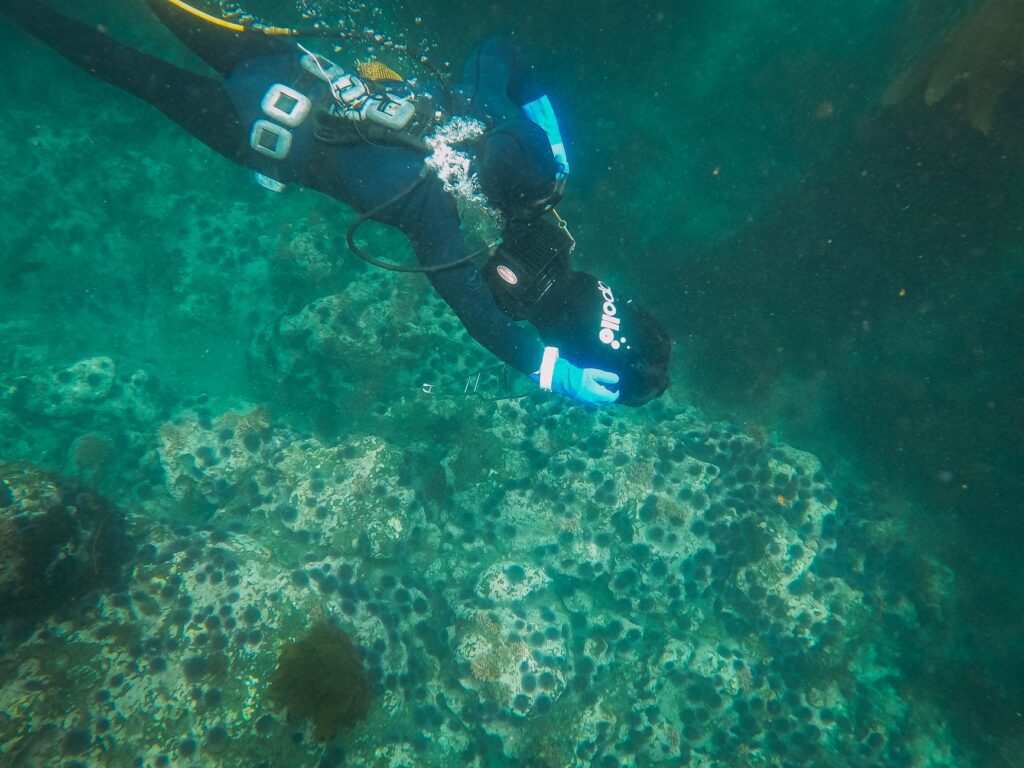
The disappearance of these ecosystems has drastically altered the coastal landscape. Where there was once a dense, shadowy canopy inhabited by rockfish, crustaceans, and mollusks, there now lie barren rocky reefs dominated by long-spined sea urchins. This radical shift represents not only an ecological tragedy but also a severe blow to coastal communities that rely on artisanal fisheries and nature tourism within the Great Southern Reef.
‘The loss of Tasmania’s giant kelp forests is not merely a local crisis; it is the silent collapse of one of the most productive and biodiverse ecosystems on Earth.’
The Oceanographic Engine: Warm Water Intrusion
The root of this ecological catastrophe lies in a profound alteration of the marine currents in the Southern Hemisphere. Historically, Tasmania’s waters remained cold and nutrient-rich, fed by the sub-Antarctic current. In recent decades, however, the East Australian Current (EAC)—the same warm current that flows along the Great Barrier Reef—has pushed further and more consistently southward, reaching the shores of Tasmania.
This phenomenon has caused local water temperatures to rise by nearly two degrees Celsius, a rate of warming that triples the global average. Giant kelp requires cold water, ideally below fifteen degrees Celsius, and high nutrient levels to thrive. With the arrival of the warm, nitrogen-poor waters of the EAC, the kelp literally starves and suffocates, weakening until winter storms tear the mature plants from the rocky reefs.
The Silent Invasion of the Sea Urchin
- The arrival of Centrostephanus rodgersii: This long-spined sea urchin, native to warmer northern waters, has rapidly colonized Tasmanian reefs due to rising temperatures.
- Overgrazing the seafloor: Lacking sufficient natural predators, such as giant rock lobsters which have suffered from decades of overfishing, the urchins devour young kelp recruits, preventing natural regeneration.
- The creation of barrens: The result is the conversion of highly biodiverse reefs into sterile, white rocky expanses known scientifically as urchin barrens.
Inhabitants of the Liquid Penumbra
Despite the devastation, diving into the remaining patches of forest along the Tasman Peninsula is an awe-inspiring experience. Hidden among the golden fronds near the surface is the weedy seadragon (Phyllopteryx taeniolatus), a relative of the seahorse whose leaf-like appendages allow it to blend seamlessly into the marine foliage. Watching this creature drift effortlessly in the surge is to witness one of the triumphs of marine evolutionary design.
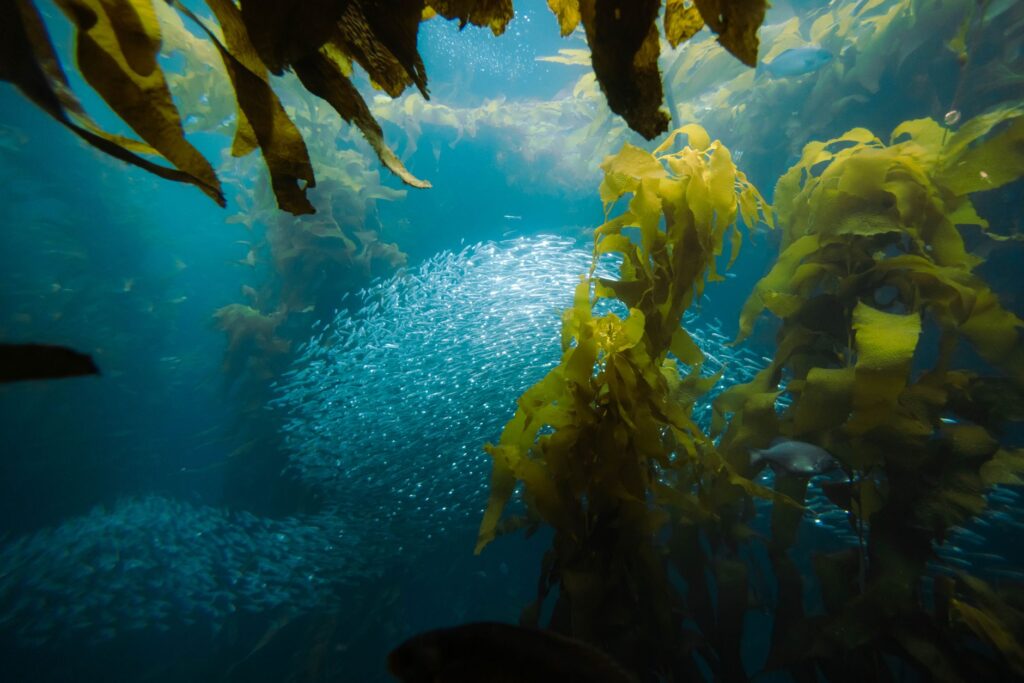
Further down, nestled in the crevices of the basaltic rock, live critically endangered species like the spotted handfish (Brachionichthys hirsutus), a prehistoric fish that prefers to walk along the seabed using pectoral fins modified into hand-like limbs rather than swim. The survival of these unique creatures is intrinsically linked to the health of the marine understory, which the giant kelp protects and shades from excessive solar radiation.
The Science of Thermal Resilience
Faced with the prospect of total extinction, a team of researchers at the Institute for Marine and Antarctic Studies (IMAS) at the University of Tasmania has refused to stand by. Led by world-class marine biologists, the project focuses on identifying and selecting ‘super-kelps’—surviving individual plants that have demonstrated unusual resistance to warm water during extreme marine heatwaves.
In the laboratories of Hobart, scientists culture spores from these thermally tolerant specimens to identify the strongest genotypes. The goal is not simply to replant the reef with clones, but to maintain a broad genetic diversity that will allow the forest to adapt to future climatic conditions. Laboratory trials have shown that these selected strains can survive in waters up to twenty degrees Celsius, offering a vital lifeline for large-scale restoration.
The Process of Underwater Reforestation
Once the heat-tolerant strains are selected, the process of planting them in the wild requires near-surgical precision. Scientists utilize small, biodegradable tiles onto which young kelp gametophytes have been settled. These tiles are then bolted directly to the rocky seafloor by scientific divers, who must first clear the area of sea urchins to ensure the young plants have a chance to grow without being consumed.
Preliminary results at Fortescue Bay and Maria Island are highly encouraging. In just a few months, the tiny recruits have grown into plants several meters tall, immediately attracting schools of fish and small invertebrates that return to colonize their ancestral home. However, the scale of the challenge remains monumental and requires sustained effort over decades.
The Human Factor: Restoring the Marine Forest
Restoring these vast underwater ecosystems is not a task that can be carried out by the scientific community alone. In Tasmania, an active network of recreational divers, local fishers, and Indigenous community volunteers has organized to support conservation efforts. Under citizen science initiatives, these volunteers dedicate their weekends to mapping remaining kelp patches and selectively culling invasive urchin populations.
This community-led effort not only accelerates fieldwork but also fosters a deep emotional connection between the local population and their submerged heritage. Commercial fishers, who initially viewed marine reserves with skepticism, have become some of the project’s strongest advocates, understanding that the recovery of the kelp forest is the only long-term guarantee for the sustainability of local fisheries.
‘Watching a kelp plant grow that you helped plant with your own hands, and seeing life return to a previously barren reef, is one of the most transformative experiences a diver can have.’
The Stone and Water Labyrinth of the Tasman Peninsula
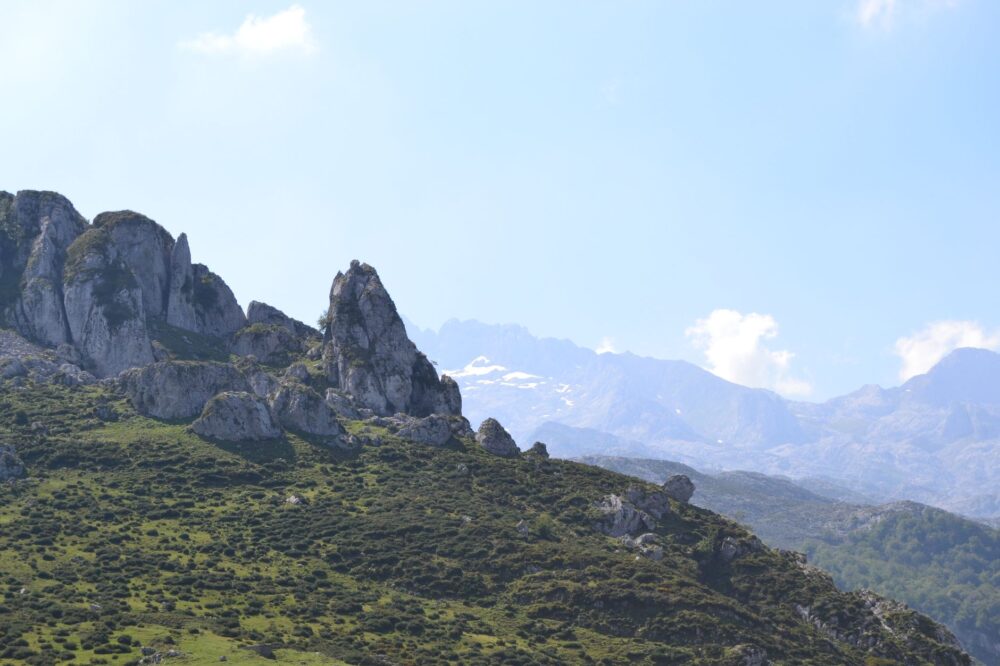
The geographical setting where these conservation battles are fought is of a wild, monumental beauty. The Tasman Peninsula is famous for its towering dolerite cliffs, volcanic rock columns that rise over three hundred meters above the ocean, forming the highest coastal cliffs in the Southern Hemisphere. These dramatic formations do not end at the shoreline; they plunge vertically into the abyss, creating a spectacular submarine topography of caves, swim-throughs, and deep canyons.
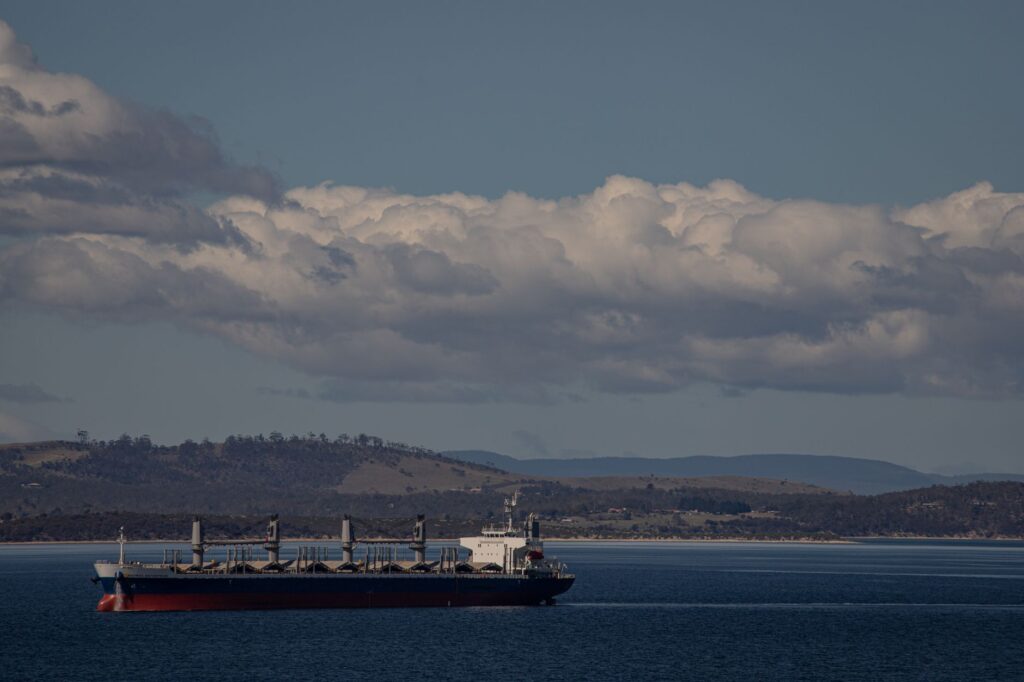
This complex coastal geography creates unique current dynamics, with localized upwellings and shaded zones that scientists are attempting to leverage as thermal thermal sanctuaries for the kelp. The interplay between the peninsula’s monumental geology and the fragility of the submerged ecosystem makes this region a unique natural laboratory, where the grand scale of the terrestrial landscape contrasts sharply with the delicate balance of life beneath the waves.
Practical guide
Getting There and Around
The Tasman Peninsula is located approximately ninety minutes by car southeast of Hobart, Tasmania’s capital. The drive along the Arthur Highway offers spectacular views and straightforward navigation. To explore the dive sites and coastal reserves, hiring a car is essential, preferably one capable of handling the unpaved dirt roads that lead to the more remote coastal access points.
Dive Centers and Expeditions
To dive the kelp forests of Fortescue Bay or explore the peninsula’s underwater caves, it is highly recommended to book with licensed local charter operators. These centers not only provide the heavy exposure suits required for cold-water diving (at least seven-millimeter wetsuits or drysuits) but also employ guides who possess intimate knowledge of local currents and the exact locations where giant kelp and seadragons still thrive.
Best Time to Visit
The optimal season for diving and marine life observation in Tasmania runs from January to May. During these southern summer and autumn months, water temperatures are at their warmest (ranging between fourteen and seventeen degrees Celsius), underwater visibility regularly exceeds twenty meters, and weather conditions are generally more stable, allowing for safe boat operations around the peninsula’s exposed cliffs.
Sustainability and Park Regulations
The entire coastal fringe of the Tasman Peninsula is protected under various conservation frameworks. Visitors must strictly adhere to Leave No Trace principles. Collecting any marine material, living or dead, is strictly prohibited. For divers, maintaining excellent buoyancy control is critical to avoid damaging fragile kelp structures or disturbing sensitive species such as seadragons, which should never be touched or crowded.
A Glimmer of Hope Beneath the Southern Swell
As evening falls over Cape Hauy, the setting sun paints the immense stone columns guarding the ocean entrance in shades of fire. From the surface, the sea appears immutable, a blue expanse of infinite power that seems to defy human fragility. Yet beneath this restless mirror, life fights to hold on with astonishing tenacity.
Deep within Fortescue Bay, a single giant kelp sapling, nurtured in a laboratory and planted by human hands, extends its first golden fronds toward the fading light. Within its genetic code lies the memory of resilience and the promise of a future where Tasmania’s submerged forests will once again whisper their secrets to the ocean, reminding us that restoring the Earth is, above all, an act of collective love and perseverance.