
The Heart-Shaped Peninsula That Beats to the Rhythm of the Earth
There are geographies that seem conceived on maps by pure aesthetic whim, and then there are those whose physical contour is already a declaration of intent. Istria, that great heart-shaped peninsula hanging from the northern Adriatic, shares blurred borders between Croatia, Slovenia, and Italy, but possesses a sovereign soul nurtured by the winds of the Gulf of Trieste and the limestone of its interior. When the calendar marks the arrival of autumn, the coastal strip, once populated by summer vacationers and luxury yachts, yields the spotlight to an interior landscape where Mediterranean green ignites in ochre, golden, and reddish tones. It is the moment when the earth, bathed by the mild September rains, begins to exhale its most coveted secrets.
The phenomenon is not merely aesthetic; it is a profound metabolic transformation. The vineyards cascading in terraces toward the sea clean their canes after the harvest, revealing late-ripening clusters that concentrate complex sugars. Meanwhile, in the damp oak forests flanking the valleys of the Mirna and Dragonja rivers, a millenary ritual is set in motion involving trained dogs, local hunters, and reverent silence. Istria in autumn ceases to be a sun-and-sea destination to become a culinary sanctuary where every dish tells the story of centuries-old coexistence between man, forest, and karst.
The Realm of Silence and Hounds: The Hunt for Tuber magnatum
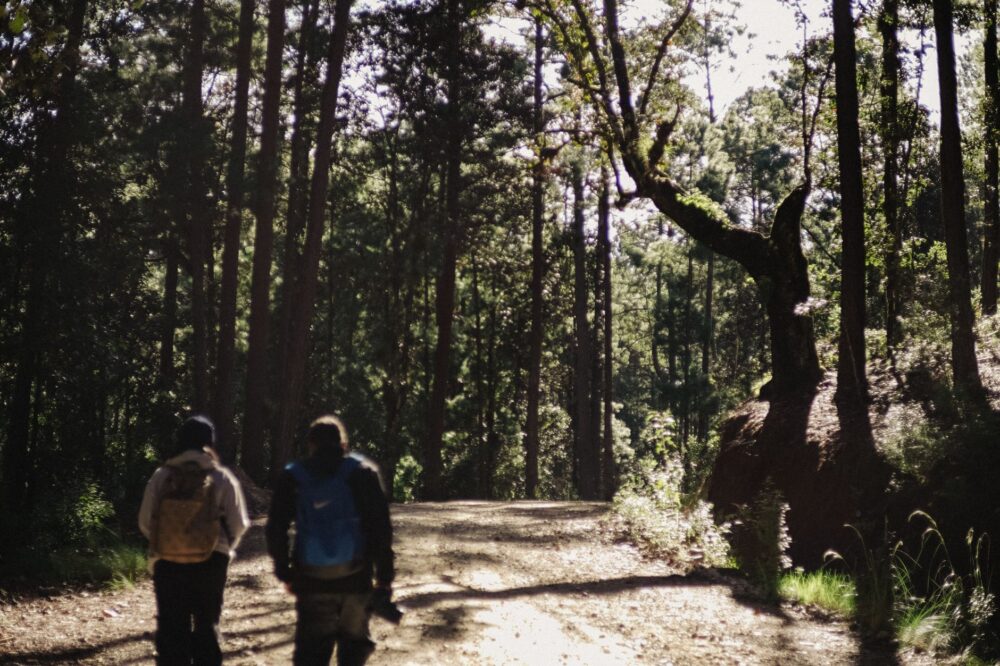
The crisp morning air smells of vegetal moisture, humus, and freshly plowed earth. In the heart of the Mirna Valley, near the medieval hilltop town of Motovun, the morning mist clings to the slopes like a linen cloak. Here, the gathering of the white truffle (*Tuber magnatum pico*) is not just any commercial activity; it is an art passed down from generation to generation, wrapped in an almost sacred hermeticism. Unlike the black truffle, which accepts cultivation and controlled symbiosis, the white variety refuses to be domesticated. It grows exclusively underground, clinging to the roots of oaks, willows, and poplars, waiting for the exact moment of ripeness.
Accompanying a local hunter, known in the area as a *tartufar*, demands patience and respect for the forest’s codes. The dogs, crossbreeds selected for their hyper-developed sense of smell and endurance, move in concentrated circles, their snouts pressed against the damp soil. Suddenly, furious scratching at the base of an old oak halts the march. The hunter kneels with his small metal trowel, brushes away the earth with extreme delicacy, and out emerges the tuber: a knobby mass with a velvety surface and a pungent aroma reminiscent of garlic, aged cheese, and wet earth. It is Istria’s white gold, a product that reaches astronomical prices in international markets and defines the aristocracy of regional cuisine.
The white truffle is never cooked; it is respected. Its warmth should be precisely that emanating from a freshly drained plate of pasta to release its volatile soul in the form of perfume.
Malvasia and Teran: The Two Liquid Pillars of the Terroir
No account of Istria’s autumnal gastronomy would be complete without descending into the cool cellars of its family-owned wineries, where wine acts as the guiding thread of all local culture. The peninsula is geographically divided into two major winemaking universes marked by the color of their soils: White Istria, with clayey and calcareous terrains facing the coast and northern interior, and Red Istria (*Crvena zemlja*), characterized by iron oxide-rich soils located in the southern and western zones.
In white soils reigns Istriana Malvasia (*Malvazija Istarska*), an indigenous variety that in autumn displays its most complex versatility. Far from light, summery whites, versions fermented in oak barrels or skin-macerated (*orange wines*) develop notes of baked apple, bitter almond, heather honey, and dried white flowers. Conversely, red soils govern Teran, an indomitable red with vibrant acidity and firm tannins, historically considered the medicinal drink of local peasants. Today, contemporary winemakers have successfully tamed its natural wildness, turning it into the irreplaceable accompaniment for game dishes and, naturally, for truffles.
The Architecture of Dry Stone and Hilltop Towns
Driving through Istria’s secondary roads at this time of year is an exercise in architectural contemplation. Settlements perch on strategic hills like eagle nests, originally designed for defense against Venetian, Ottoman, or Uskok pirates. Grožnjan, Motovun, Oprtalj, and Buje retain urban layouts where Istrian ashlar stone—the very stone used to build the palaces of Venice—glows under the golden light of the autumnal dusk.
Between villages, the landscape is dotted with dry-stone walls (*suhozid*), erected without mortar to delineate olive groves and pastures. This technique, recognized as Intangible Cultural Heritage by UNESCO, speaks of an austere yet profoundly aesthetic relationship with the natural environment. In autumn, centuries-old olive trees enter their own harvesting phase. Olives from varieties like Buža, Istarska Bjelica, or Leccino are hand-picked before the first frosts to be milled in local oil mills operating day and night. The result is an intense green extra virgin olive oil, pungent in the throat and loaded with polyphenols, which becomes the essential finishing touch on any dish of the Istrian table.
From Fisherman’s Cauldron to Forest Tables
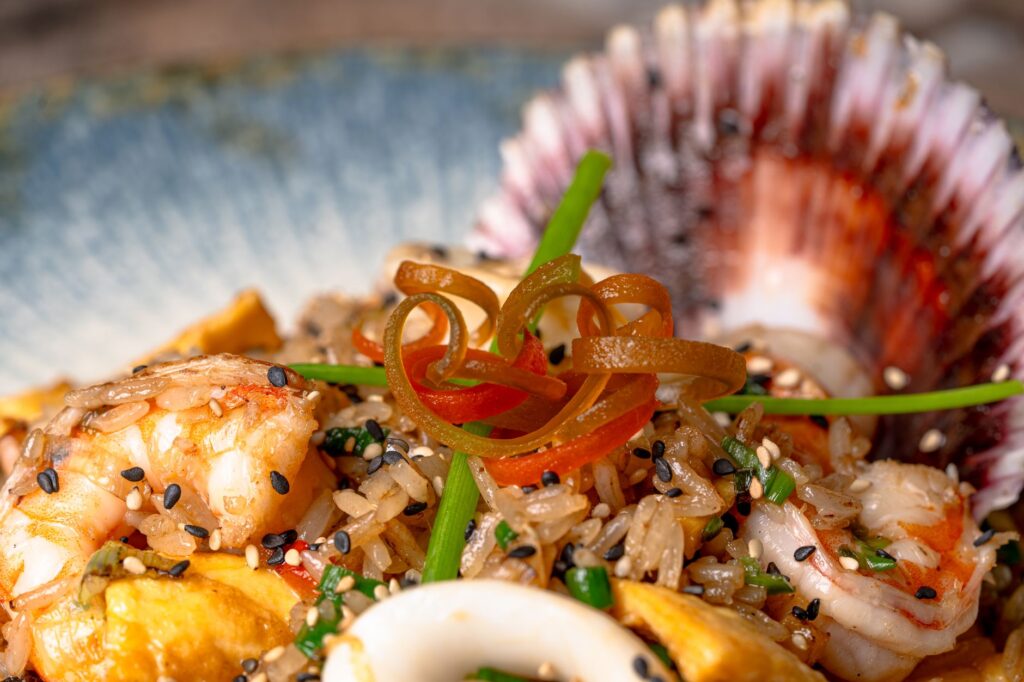
Istrian cuisine is the happy result of a dual loyalty: to the Adriatic Sea and to continental forests. On autumnal tables, this duality translates into menus where marine bounty coexists with wild-foraged treasures. On the coast, in ports like Rovinj or Novigrad, nets yield fresh squid, sole, and scampi that traditional restaurants prepare simply, grilled with olive oil and garlic, or in a seafood stew called *brodet*. However, as one moves inland, fish yields to game meats, wild mushrooms (*porcini* and chanterelles), and, above all, hand-made pastas.
Among the latter stand out *fuži*, small pieces of dough stretched and folded into tube shapes with a characteristic central bow, and *pljukanci*, rustic noodles rolled by rubbing dough between the palms of the hands. Both pastas act as perfect vehicles for dense beef or game meat sauces (*žgvacet*) and, of course, to receive the generous rain of white truffle shavings that the waiter shaves directly onto the hot plate before the diner’s expectant gaze.
The Forgotten Heritage of Oak and Chestnut Forests
Beyond truffles, Istria’s forests offer an autumnal wild pantry that local chefs enthusiastically revive in their farm-to-table proposals. Chestnuts (*kesten*), which once saved entire populations from famine during lean years, return as protagonists in cream soups, wildfowl stuffings, and traditional desserts flavored with sage honey and walnuts. Likewise, mushrooms gathered after autumn rains provide earthy and umami notes that complement the intensity of local wines.
This comprehensive utilization of the forest reflects a sustainability philosophy deeply rooted in the rural community. It is not a modern gastronomic trend, but a historical survival based on encyclopedic knowledge of plants, trees, and lunar cycles. Every village has its own recipe for preserving autumn fruits, whether in syrups, spirits infused with wild herbs (*biska* or *medica*), or pickles ensuring sustenance during cold winter months.
The true haute cuisine of Istria is not born in the laboratories of avant-garde chefs, but in the collective memory of grandmothers who knew how to extract delicacies from the most stubborn earth.
Practical guide
When to go: The optimal season to enjoy Istria’s gastronomic autumn spans from late September to mid-November, coinciding with the white truffle harvest and the conclusion of the grape harvest.
How to get there: The nearest airport with international connections is Pula (PUY), though many travelers choose to fly into Trieste (Italy) or Zagreb (Croatia) and rent a vehicle to tour the peninsula by road.
Where to stay: Inland villages like Motovun, Grožnjan, and Buje house boutique hotels and charming restored rural houses (*stancije*). On the coast, towns like Rovinj offer luxury seaside options.
What to eat and drink: It is essential to try *fuži* pasta with white truffle, extra virgin olive oil from the Buža variety, and local Malvazija Istarska and Teran wines.
Etiquette tips: When buying fresh truffles, always do so at certified markets or directly from licensed foragers; insist that they be weighed on calibrated scales and consume them within a maximum of three to four days.
The Warmth of the Hearth and the Memory of Old Wine
যখন 夜 falls over the hills of Istria and the north wind begins to shake the last remnants of golden foliage in the vineyards, life retreats inside traditional taverns, locally known as *konobe*. In these spaces of dark stone and noble wooden beams, the crackling of firewood in the hearth marks a deliberate pace, oblivious to the urgencies of the modern world. It is the hour when the master of the house uncorks a bottle of old wine, jealously guarded for friends, and serves a bowl of hot soup perfumed with mountain herbs.
Sitting at the table on such a night is to understand that autumn in Istria is not a mere meteorological season, but a state of the soul. Between the penetrating aroma of truffle still lingering in the air and the ruby glow of Teran in the glass, the peninsula reveals its most intimate truth: an austere elegance, born of effort and patience, savored slowly, bite by bite, while outside the earth rests under the rain, preparing for the next cycle of life.
Source in EN: Luxury Travel Magazine – Autumn in Istria: Wine, Truffles and Golden Landscapes.