
The summits of the Picos de Europa emerge as an impenetrable fortress of pure limestone dominating the northern horizon of the Iberian Peninsula. This massif, relentlessly carved by ancient glaciers and karstic erosion, harbors one of the most fascinating biological sanctuaries in southern Europe. In these high altitudes where fog and stone dictate the rules, the Spanish ibex (Capra pyrenaica victoriae) has found a natural bulwark for its population recovery, defying vertical chasms with an agility that captivates both biologists and naturalists alike.
This report examines with scientific rigor and journalistic sensitivity the ecological keys that sustain this emblematic species in the central and western sectors of the cordillera. Through the analysis of its biology, the harshness of its alpine habitat, and the conservation policies implemented on the ground, we explore the delicate balance that enables coexistence between wildlife and local communities in Asturias, Cantabria, and León across a geography sculpted by water and time.
The Genesis of an Impregnable Relief: Geology and Karstic Modeling
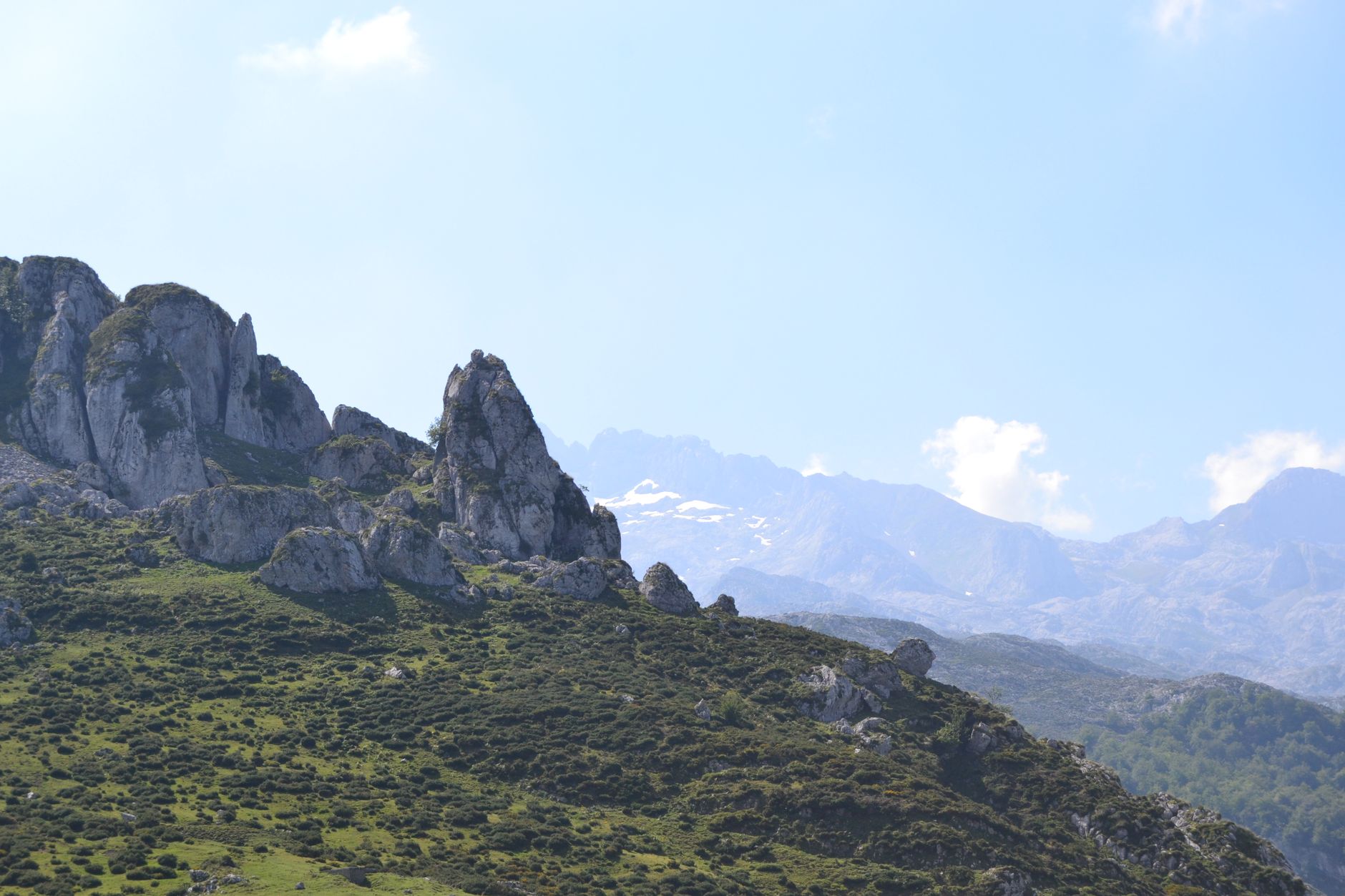
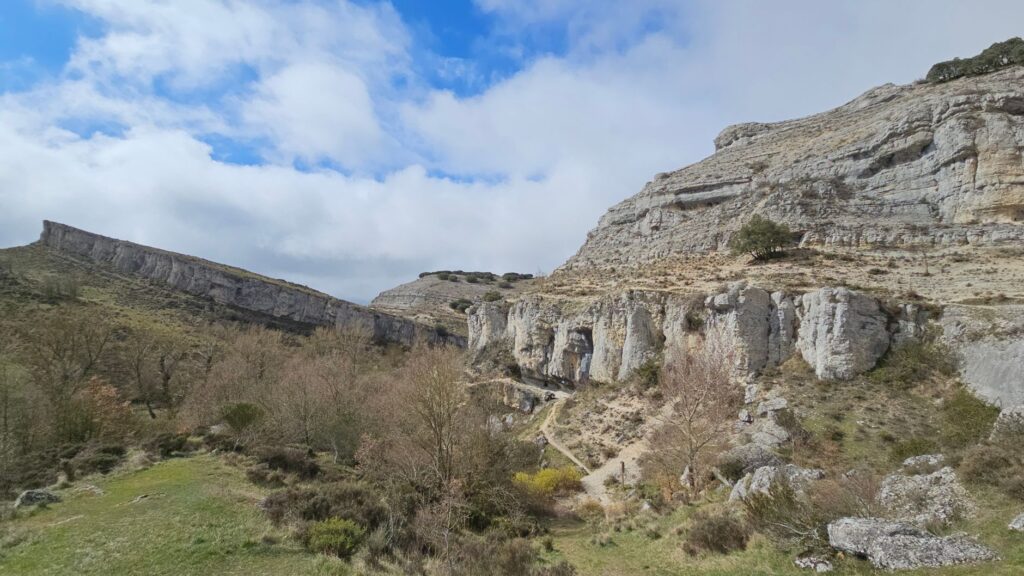
To understand the behavior and distribution of the ibex in the Picos de Europa, it is essential to delve into its geological substrate. The massif is primarily composed of massive Carboniferous limestones, a highly soluble material that has given rise to a landscape of lapiaz, deep shafts, and colossal gorges such as the Beyos or the Cares canyon. This rugged relief is not an aesthetic accident, but the result of millions of years of Alpine orogenic uplift combined with the chemical dissolution of rock.
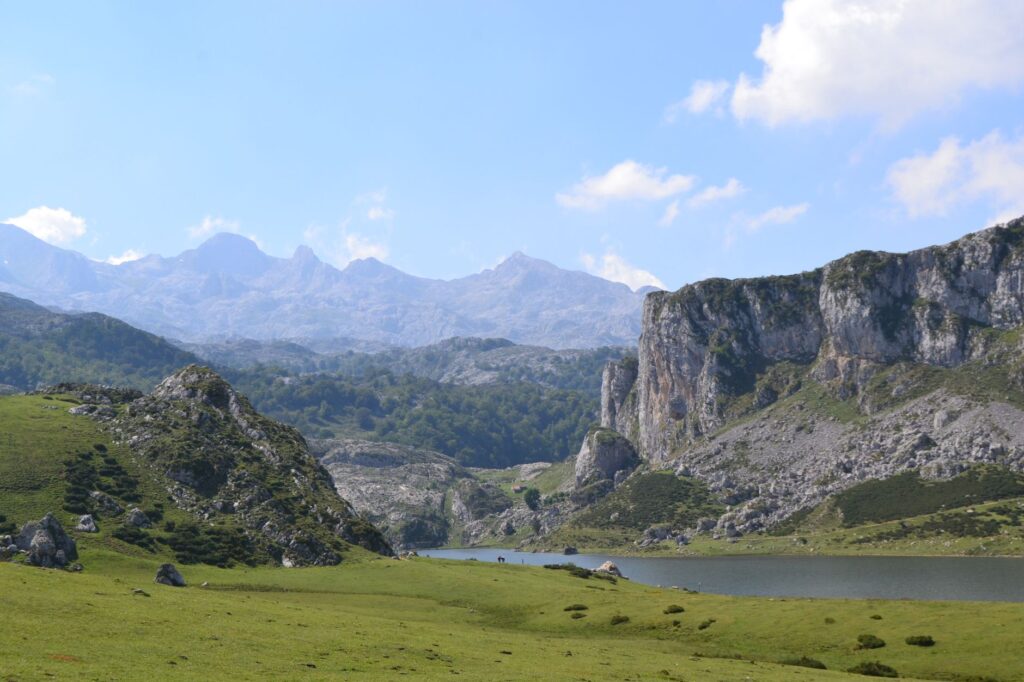
The almost total absence of surface rivers on the high plateaus, due to the immediate infiltration of rain and meltwater into subterranean aquifers, radically conditions the local ecology. Water sources are scarce and localized in valley bottoms or specific karstic cavities. This superficial hydrological scarcity forces the fauna to develop precise physiological and behavioral adaptations to harness the moisture contained in high-altitude pastures and sparse rupicolous vegetation.
Biology and Adaptive Morphology of Capra pyrenaica victoriae
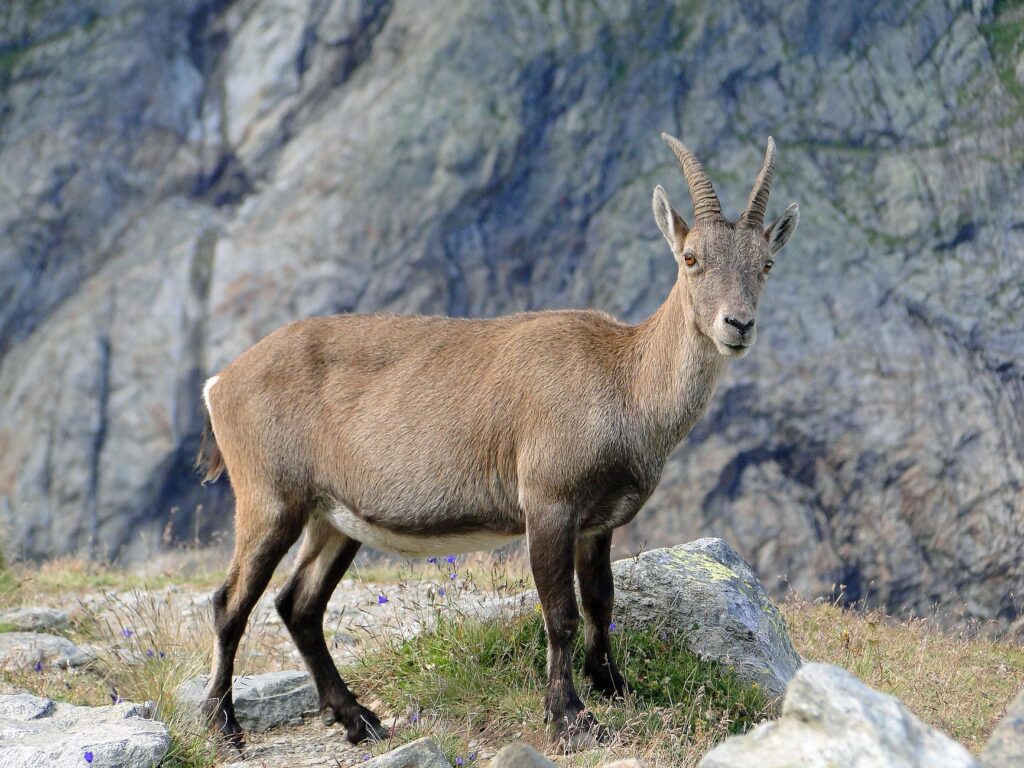
The subspecies present in the Picos de Europa possesses extraordinary anatomical adaptations enabling it to thrive on near-vertical rock faces largely inaccessible to any other terrestrial mammal. Its hooves, equipped with hard outer keratin rims and elastic, adhesive central pads, act as natural suction cups on limestone polished by ice. This pedal morphology is the evolutionary secret explaining its prodigious capacity to leap and climb across ledges mere centimeters wide.
Beyond its locomotor prowess, the ibex exhibits pronounced sexual dimorphism. Adult males develop large, ringed horns spanning over seventy centimeters in length, utilized both in complex social hierarchies during the rutting season and in defense against hypothetical predators. Their coat, featuring brown and grey tones with characteristic dark markings in older males, provides exceptional camouflage against grey stone walls and the lichens carpeting the rocks.
Extreme Climatology and Seasonality in the Cantabrian Massif
The climate of the Picos de Europa is marked by strong Atlantic influence, translating into high annual precipitation in the form of rain and, during winter months, heavy snowfalls blanketing summits above 1,500 meters. This climatology generates sharp seasonal duality. While summers are temperate and offer abundant high-altitude pastures locally known as puertos, winters subject wildlife to sub-zero temperatures and gale-force winds blowing in from the sea.
During heavy snowfalls, ibex herds adopt a survival strategy consisting of partial descent toward sunny slopes and sheltered ledges where snow accumulation is lower and solar radiation facilitates access to woody shrub shoots. This seasonal plasticity is vital to avoid excessive energy expenditure during periods when trophic availability is drastically reduced by accumulated snow.
Demographic Dynamics and Scientific Monitoring in the National Park
The current ibex population in the Picos de Europa National Park is the result of a successful reintroduction program initiated in the late 20th century, following the historical extinction of original native populations due to intensive hunting and habitat alteration. Annual censuses coordinated by park wardens and biologists employ direct counting methodologies and focal group observations to assess birth rates and age structure.
Recent data indicate demographic stabilization across the three main massifs—Cornión, Los Urrieles, and Ándara—although technicians warn of the need to monitor sanitary pathologies common in wild ungulates, such as sarcoptic mange. Continuous sanitary monitoring and collaboration with university research institutions ensure any epidemiological outbreak can be detected and contained before compromising overall population viability.
Trophic Interactions and the Ecological Role of the Rupicolous Ungulate
Far from being a passive presence in the ecosystem, the ibex fulfills essential ecological functions in high-altitude grassland dynamics and rocky outcrops. Its diet is predominantly browsing and herbivorous, consuming a wide variety of plant species including grasses, alpine legumes, heather shoots, and woody shrubs. By feeding on these plants, they modulate shrub structure and prevent excessive gorse colonization on more accessible slopes.
Likewise, their presence within the trophic chain sustains top predators and scavengers of great importance to Iberian biodiversity. Species such as the Iberian wolf (Canis lupus signatus) and the golden eagle (Aquila chrysaetos) interact directly or indirectly with the herds, culling sick or young individuals and thus closing the natural energetic cycle in a protected environment where human intervention must be strictly regulated.
The conservation of the ibex in the Picos de Europa is not merely the story of a wildlife rescue, but proof that nature can reclaim its domains when granted the space and respect rightfully earned through evolution.
Sustainable tourism practices and responsible observation in the environment
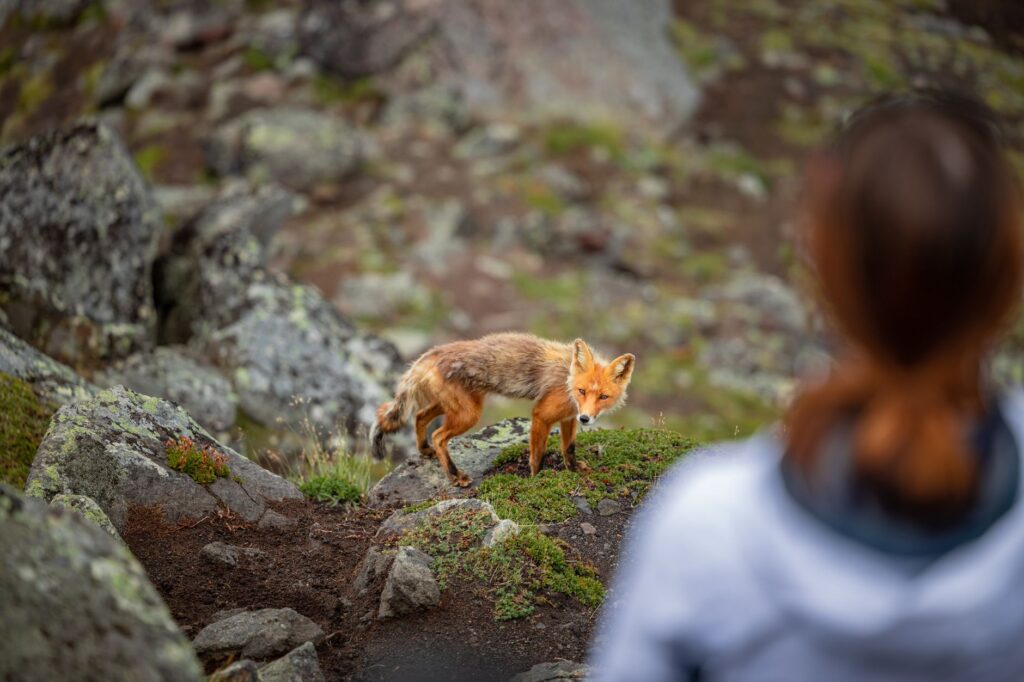
The rise of nature tourism in northern Spain has increased visitor flows toward entry points of the National Park, such as Poncebos, Fuente Dé, or Cain. To prevent altering the natural behavior of wildlife, environmental authorities promote rigorous guidelines for responsible observation. Using binoculars and spotting scopes from enabled viewpoints allows visitors to enjoy watching ibex without engaging in approaching practices that cause animal stress, especially during critical birthing and lactation seasons.
Respecting official trail markings, the prohibition of littering, and the absolute refusal to offer artificial food to wildlife are mandatory rules for any conscious traveler wishing to step into this protected territory. Walking through these historical trails should be understood as an exercise of respectful immersion in a fragile environment where the observer is always a temporary guest.
Practical guide
How to get there: Main access routes to the Picos de Europa are by road via Cangas de Onís and Arenas de Cabrales on the Asturian slope, Potes on the Cantabrian slope, and Riaño on the León slope. Asturias Airport (OVI) and Santander Airport (SDR) are approximately a ninety-minute drive from the main visitor centers.
When to go: Late spring (May to June) offers the spectacle of newborn offspring and the blooming of high-altitude pastures. Autumn (October to November) coincides with the rutting season, when males show heightened activity on visible rocky ledges.
Accommodation and services: The park’s mountain refuge network (such as Jou de los Cabrones or Uriellu) offers basic overnight stays requiring advance booking. Peripheral valleys feature numerous rural inns and hotels certified in sustainable tourism.
Requirements and regulations: Hiking is strictly restricted to marked trails. Free camping is strictly prohibited throughout the National Park; overnight stays are only permitted in staffed refuges or under strict regulations in authorized zones.
The true grandeur of the Picos de Europa lies not solely in the verticality of its stone, but in the patience with which its wild inhabitants withstand the passage of the seasons.
Ultimately, observing a Spanish ibex silhouetted against the twilight sky of the Urrieles is reconnecting with an ancestral form of endurance. It is the tangible confirmation that, even in the most unforgiving and severe landscapes of Iberian geography, wildlife always finds a way to flourish and perpetuate its vertical legacy.