
The Maltese archipelago, situated in the heart of the central Mediterranean, finds in its northern island, Gozo, a territory where maritime connectivity is not merely a logistical service, but the indispensable condition sustaining the daily rhythm of its communities. Unlike the bustling urban dynamics of Malta, Gozo preserves a pace of its own, shaped by strict dependence on its port infrastructure and the cabotage routes connecting it with Cirkewwa. This report examines the network of docks, vessels, and transport systems that sustain insular sovereignty, revealing how engineering and seafaring tradition coexist in a space of modest dimensions yet profound geographical complexity.
The history of navigation between the Maltese islands is deeply tied to the physical configuration of their coasts, characterized by limestone cliffs and small natural shelters that historically served as refuges for fishermen, Phoenician merchants, Roman traders, and the Knights Hospitaller. Today, the main artery of this system is concentrated in the port of Mgarr, a modernized basin acting as the true gateway for residents, goods, and visitors. Understanding the daily operation of this enclave requires close observation of the complex logistics of high-speed ferries and passenger launches operating uninterruptedly under diverse weather conditions.
The Mgarr Basin as the Neuralgic Core of Insular Mobility
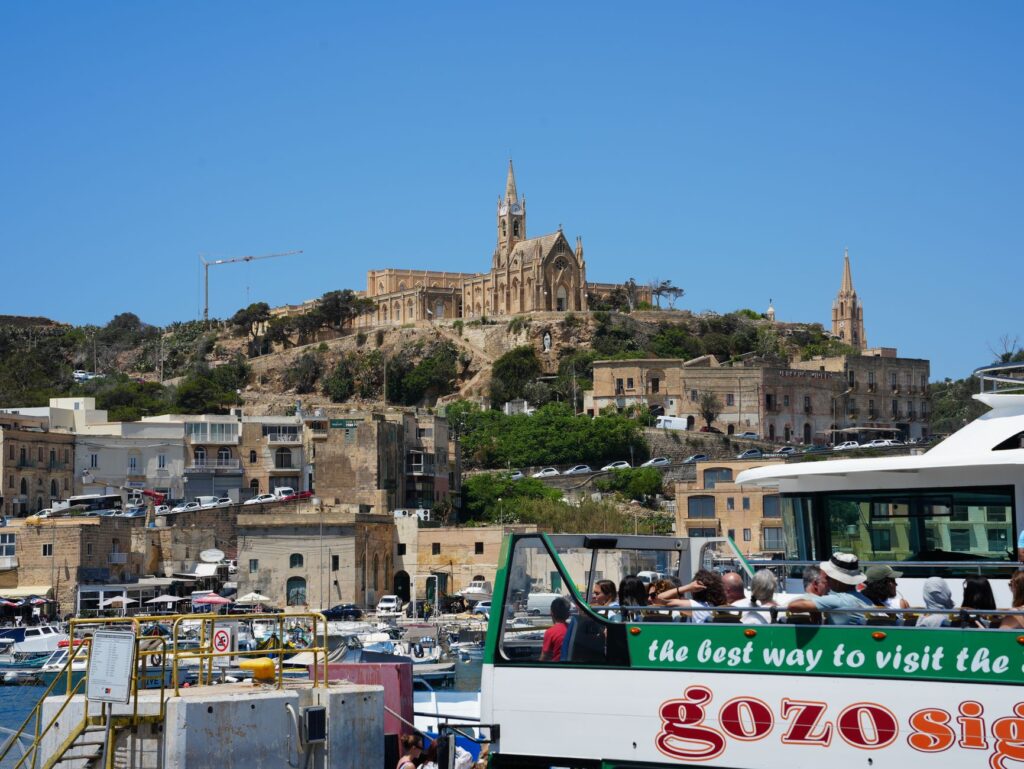
The port of Mgarr represents the focal point where the vital lines of Gozo’s economy and society converge. Civil engineering interventions carried out in recent decades have radically transformed this ancient fisherman’s anchorage into a high-efficiency port facility, capable of absorbing the growing vehicular and passenger traffic characteristic of the twenty-first century. Breakwater dikes protect the docking ramps from the fierce easterly winds, allowing the ferry fleet to maintain a regular schedule even when the Mediterranean Sea shows its most demanding face.
Operations in Mgarr are governed by millimetric precision. Every day, large vessels belonging to the state-run Gozo Channel company dock with punctuality to accommodate dozens of vehicles and hundreds of travelers crossing the Gozo channel in a voyage lasting approximately twenty-five minutes. This steady flow transports not only tourists seeking the island’s megalithic and rural heritage, but also commuters, students, and essential supplies guaranteeing the relative self-sufficiency of this insular territory. Port traffic management here is an exercise in coordination between captains, port authorities, and land operators.
The Ferry Fleet and Double-Ended Technology
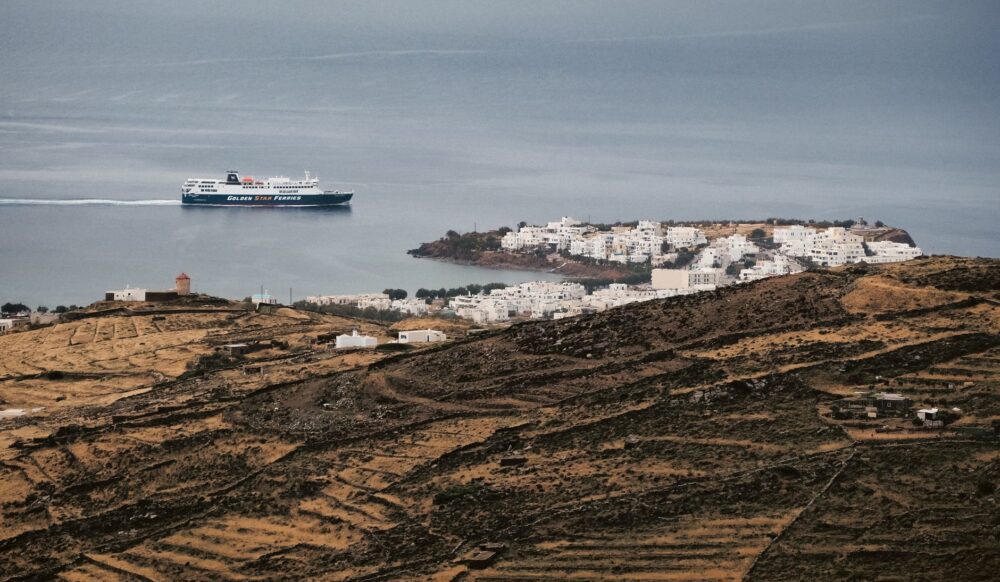
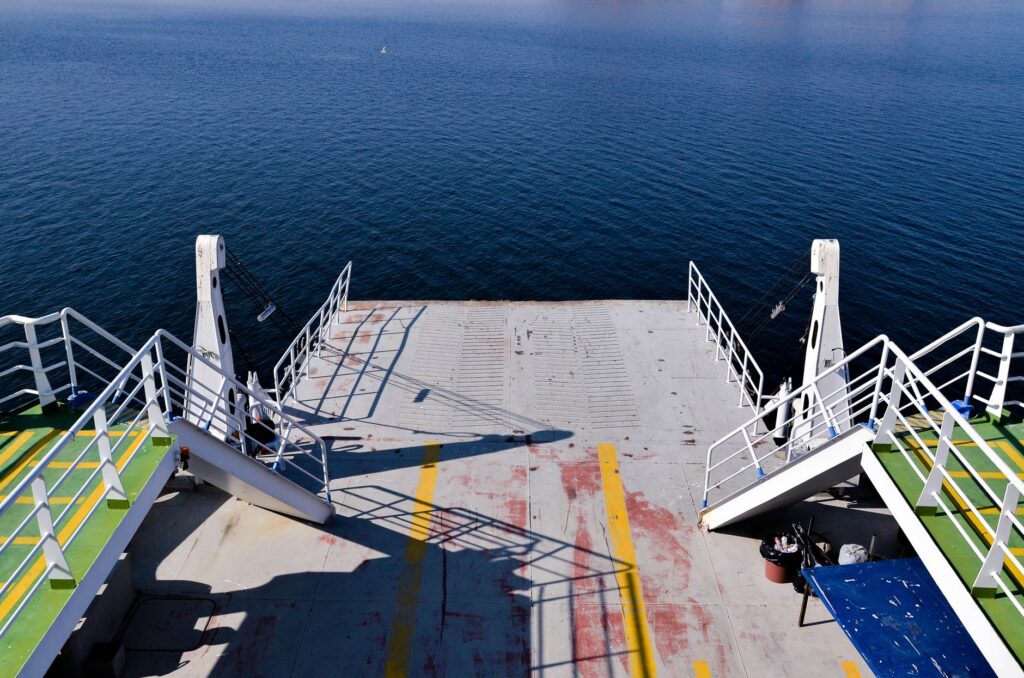
One of the most notable technical milestones in modernizing the route between Malta and Gozo has been the introduction of double-ended ferries. These vessels, designed specifically to maximize turnaround efficiency and reduce docking times, eliminate the need for complex 180-degree maneuvers in confined spaces. Equipped with azimuthing thrusters at both bows and sterns, the ferries can dock and depart with equal ease, optimizing fuel consumption and accelerating turnaround at both Mgarr and Cirkewwa terminals.
Aboard these vessels, the travel experience reflects the archipelago’s duality: local commuters reading the morning paper share space with international travelers observing the imposing silhouette of Comino and its famous Blue Lagoon from the outer decks. Naval infrastructure responds not solely to economic profitability criteria, but constitutes a public service obligation enshrined in the Maltese government’s territorial cohesion policies. Without this modern, reliable fleet, Gozo’s economic life would paralyze within hours.
Maritime connectivity on a small island is not a luxury transport amenity, but the circulatory system keeping its social and economic fabric alive against geographical isolation.
Naval engineers overseeing the maintenance of these vessels face constant challenges due to salt corrosion and intensive operational wear on hulls and mechanical systems. Local dry docks play a fundamental role in periodic overhauls, where grit blasting, anti-fouling painting, and electronic navigation updates are performed, ensuring the fleet strictly complies with international maritime safety regulations.
Minor Transport and Traditional Cabotage Routes
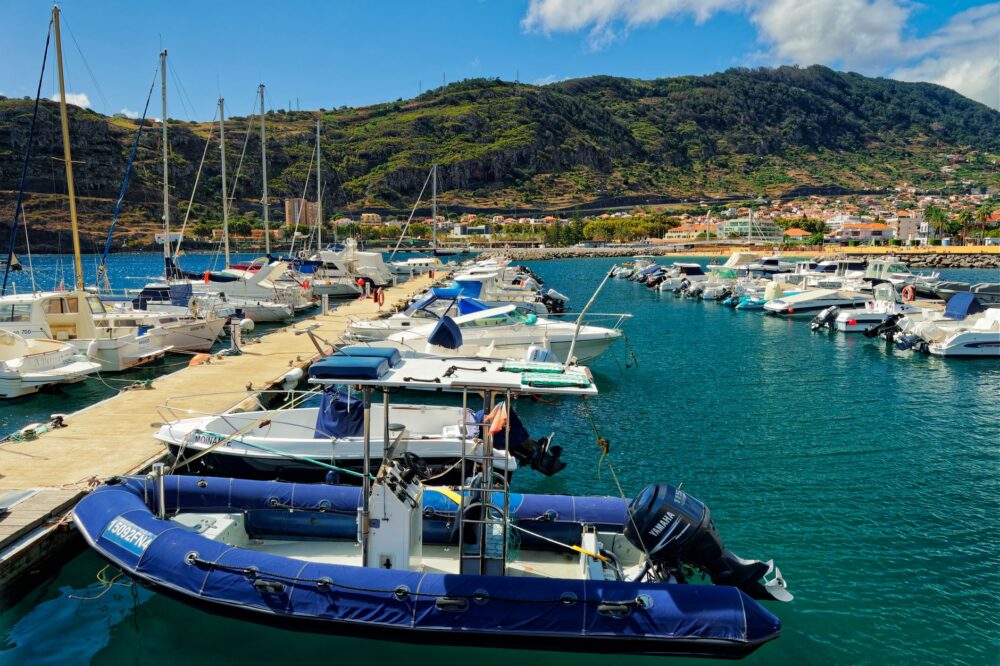
Beyond large vehicular ferries, Gozo’s mobility network is complemented by smaller-scale services connecting specific coastal points and facilitating communication with neighboring Comino. During spring and summer months, tourist vessels and rigid-hull inflatable boats operate from the small piers of Hondoq ir-Rummien and Marsalforn, offering flexible alternatives to travelers and reducing congestion on interior roads.
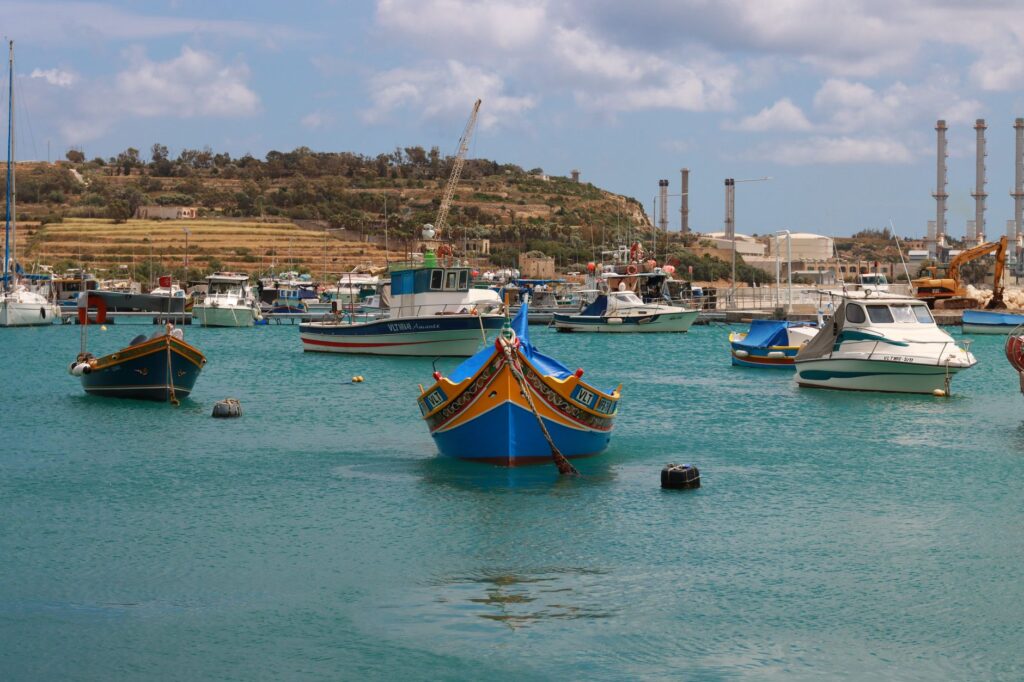
These minor routes evoke the spirit of historical cabotage, when commercial exchange between coastal villages occurred exclusively by sea due to rugged terrestrial topography. Although road transport now dominates internal distribution, the memory of those secondary ports lives on in stone pier architecture and the stories of local fishermen who have adapted traditional boats, known as luzzus, to serve sustainable tourism demands.
Insular Road Engineering and Its Interdependence with Ports
No analysis of Gozo’s connectivity would be complete without examining the terrestrial infrastructure receiving passenger and freight flows at Mgarr and distributing them toward interior urban cores, particularly the capital city of Victoria and peripheral villages like Nadur, Xaghra, and Gharb. Roads ascending from the port have undergone successive widening and alignment corrections to mitigate congestion and improve road safety for heavy vehicles.
Synchronization between ferry arrivals and public bus lines operated by Malta Public Transport is a critical gear in insular mobility. Timetables are adjusted meticulously so foot passengers can make seamless transfers to any point on the island without unnecessary delays. This intermodal integration serves as a notable example of how a small insular territory can optimize public transport resources to curb the indiscriminate proliferation of private vehicles.
Environmental Challenges and Sustainability in the Gozo Channel
The sustained increase in maritime traffic across the narrow channel separating Malta from Gozo raises complex questions regarding environmental sustainability and the preservation of protected marine ecosystems. Carbon emissions from ferry diesel engines and underwater acoustic pollution are subject to constant monitoring by government agencies and environmental organizations advocating for a transition toward cleaner propulsion technologies.
Responding to these challenges, port authorities are studying the feasibility of introducing shore-power electrification systems at Mgarr and Cirkewwa piers, allowing vessels to shut down auxiliary engines while docked. Furthermore, future integration of hybrid or electric systems in new ferry generations is under evaluation. This commitment to decarbonization seeks to balance the imperative need for high-frequency transport with the preservation of the Mediterranean’s fragile marine environment.
Waste management generated both onboard and at port terminals represents another critical front in ecological action. Recycling and wastewater treatment protocols at Mgarr have been upgraded to the strictest European standards, ensuring maritime activity does not compromise coastal water purity that attracts thousands of divers and naturalists annually.
The Human Factor: Captains, Pilots, and Mooring Hands
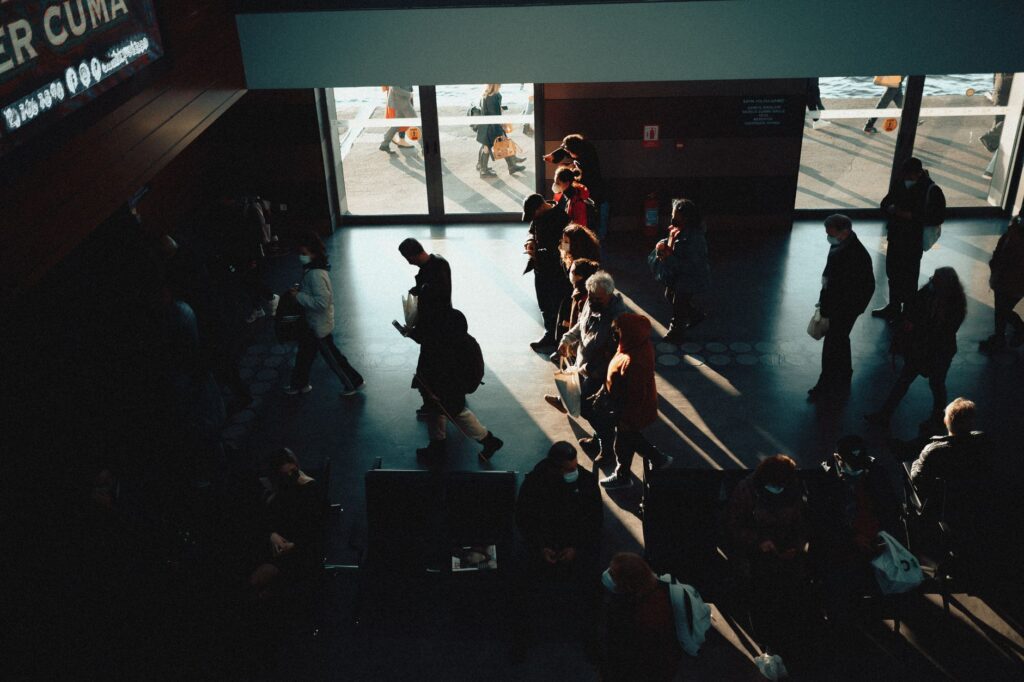
Behind the cold statistics of transported tonnage and met schedules lies the human element breathing life into Gozo’s port system. Ferry captains, with decades of experience in the choppy channel, possess intuitive and technical knowledge of local currents, prevailing winds, and shallows surrounding the Maltese coast. Their work requires absolute concentration during docking maneuvers in adverse weather conditions, where a miscalculation can compromise the safety of hundreds of people.
Alongside them, mooring hands and ground staff perform essential duties, enduring harsh weather on open piers to secure bow and spring lines. The transmission of seafaring trades from generation to generation remains a constant in Gozo, where many families maintain direct professional ties to the maritime transport and artisanal fishing industries.
An island’s pulse is measured not solely by economic indicators, but by the quiet dedication of those who secure every mooring line against the northern wind.
This cultural rootedness in the sea grants port infrastructure its own identity, distinguishing it from impersonal modern logistics hubs. Veterans of the Mgarr basin remember the transition from old wooden vessels to current steel colossi, testifying to a technological evolution that has completely transformed living conditions across the archipelago.
Practical guide
Getting There: Primary access to Gozo is exclusively maritime from Cirkewwa port, located at the northwestern tip of Malta. Ferries operated by Gozo Channel run twenty-four hours a day, with a frequency of approximately forty-five minutes during peak hours and a crossing time of twenty-five minutes.
Fares and Tickets: The payment system on the Malta-Gozo route is unique: passenger and vehicle tickets are not paid upon boarding toward Gozo, but on the return trip from the Mgarr terminal. Both cash and credit cards are accepted at automated and manual ticket booths located at the pier.
Public Transport at Destination: Upon disembarking at Mgarr, the central bus station connects directly to Victoria (Rabat) and the rest of the island’s towns. Acquiring Gozo’s public transport card or utilizing temporary passes is recommended to optimize intermodal travel.
Best Time to Visit: Spring (April to June) and autumn (September to November) offer the most stable weather conditions for navigation and tourism, avoiding summer crowds and occasional strong wind restrictions characteristic of winter.
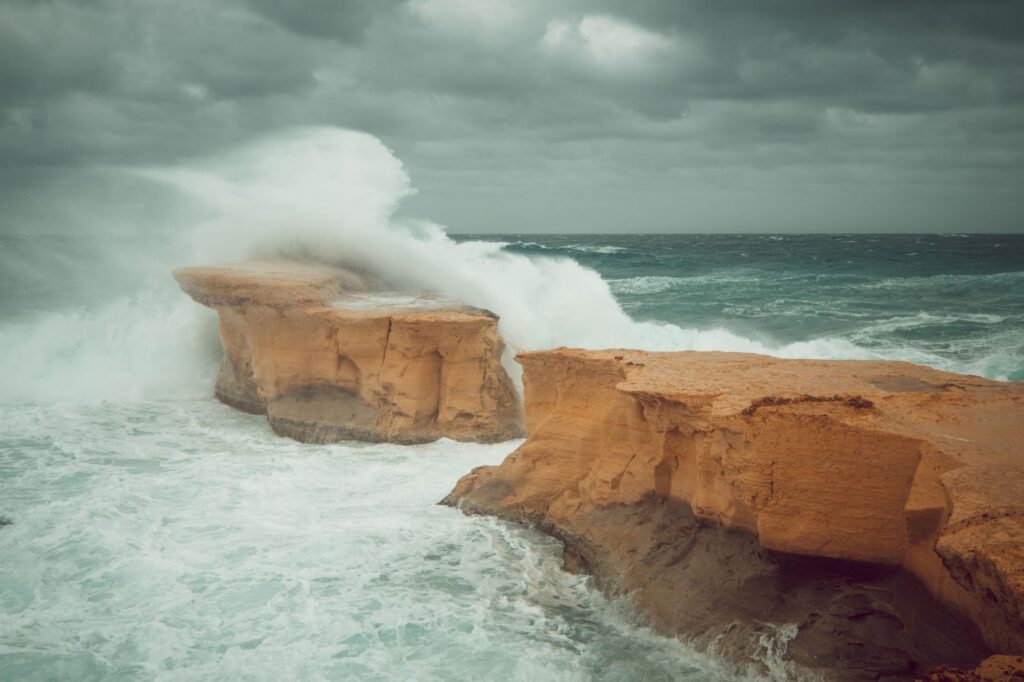
Safety Regulations: During winter storms, consulting the status of maritime connections via official Gozo Channel channels or transport mobile applications is advisable, as service may be temporarily suspended for open-sea safety reasons.
Visual Epilogue on the Serenity of Mgarr Sunsets
When the afternoon’s last ferry completes its maneuver and turns off its powerful deck floodlights, the port of Mgarr recovers an almost ancestral stillness. Golden reflections of the setting sun on limestone walls and the silhouettes of moored launches in the inner basin offer an image of profound serenity. In this instant, the frantic bustle of vehicles and passengers dissolves, revealing Gozo’s true essence: an island that, despite being bound by powerful technological links to the modern world, keeps the unhurried rhythm of its Mediterranean soul intact, suspended between the deep blue sea and the unchanging light of the horizon.