
Navigating the Currents of Central European History
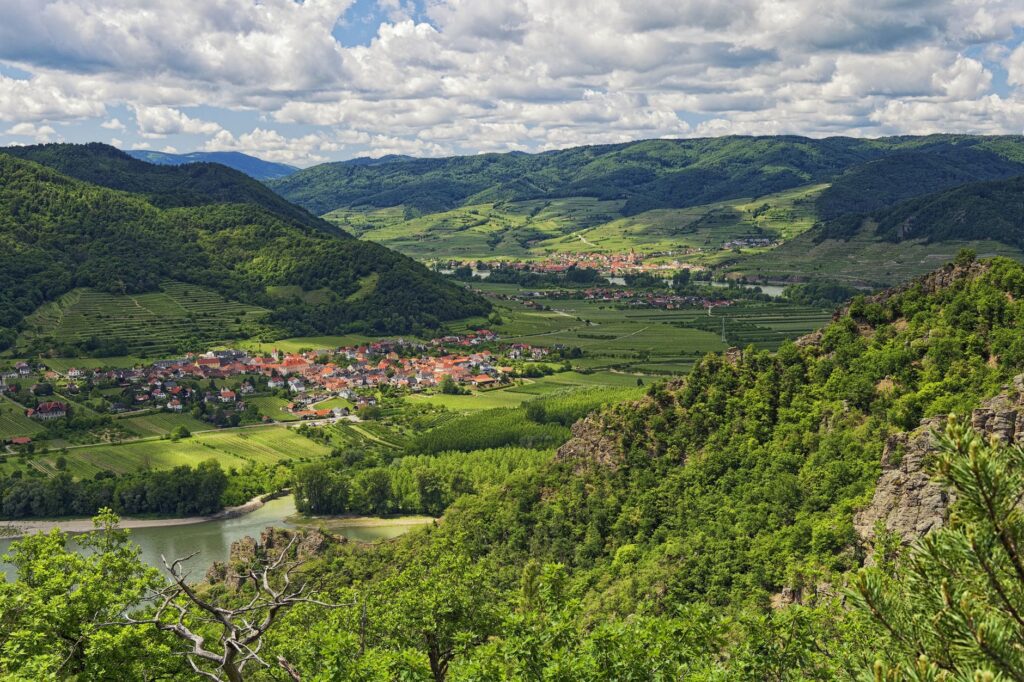
The Danube is not merely a waterway; it is the structural spine upon which the complex cultural, political, and commercial identity of Central Europe has been woven. As it flows through the Wachau Valley in Lower Austria, the river abandons the monotony of the plains to carve its path through a corridor of steep slopes, where limestone cliffs and morning mists shape a landscape of intense, melancholic beauty. Here, every river bend reveals overlapping layers of history spanning from Celtic and Roman settlements to the consolidation of medieval monasticism and modern heroical viticulture. Navigating this stretch demands an understanding of the invisible forces governing the current—a delicate equilibrium between natural erosion and human intervention that has shaped the territory for over two millennia.
Far from the bustle of major riverside capitals like Vienna or Budapest, the Wachau maintains a measured, almost anachronistic pace best experienced through the transit of passenger vessels and light cargo barges. This aquatic ecosystem functions as a living archive where chronicles of medieval salt and wine merchants entwine with contemporary water management techniques. Close observation of the banks reveals how civil and religious architecture adapts topographically to seasonal floods, establishing an unbroken dialogue between Gothic, Renaissance, and Baroque structures and the contained fury of the continent’s primary stream.
The Engineering of Water: Locks and Flow Regulation
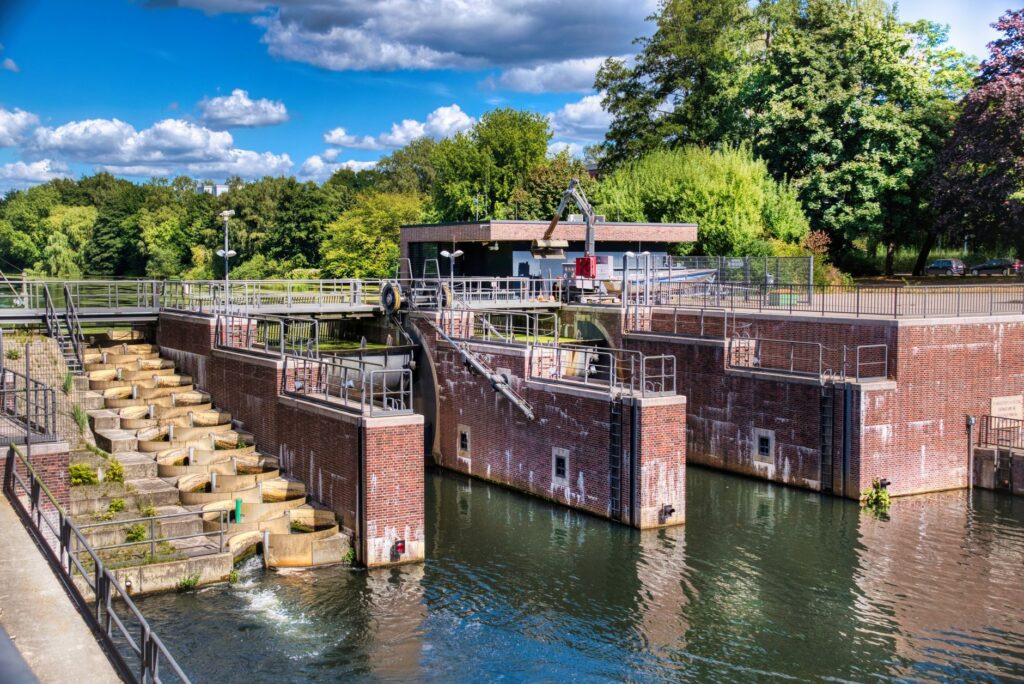
Human mastery over the middle course of the Danube finds its contemporary masterpiece in the lock and dam system, such as the monumental installation at Ybbs-Persenbeug near the valley entrance. These heavy engineering structures not only guarantee year-round commercial navigability by neutralizing summer low flows and spring snowmelts, but also represent a complex web of hydroelectric generation and ecological preservation. The millimeter-precise operation of the gates, managed from automated control centers, contrasts with the apparent stillness of the surrounding landscape, reminding the traveler that the region’s wild nature is profoundly mediated by technology.
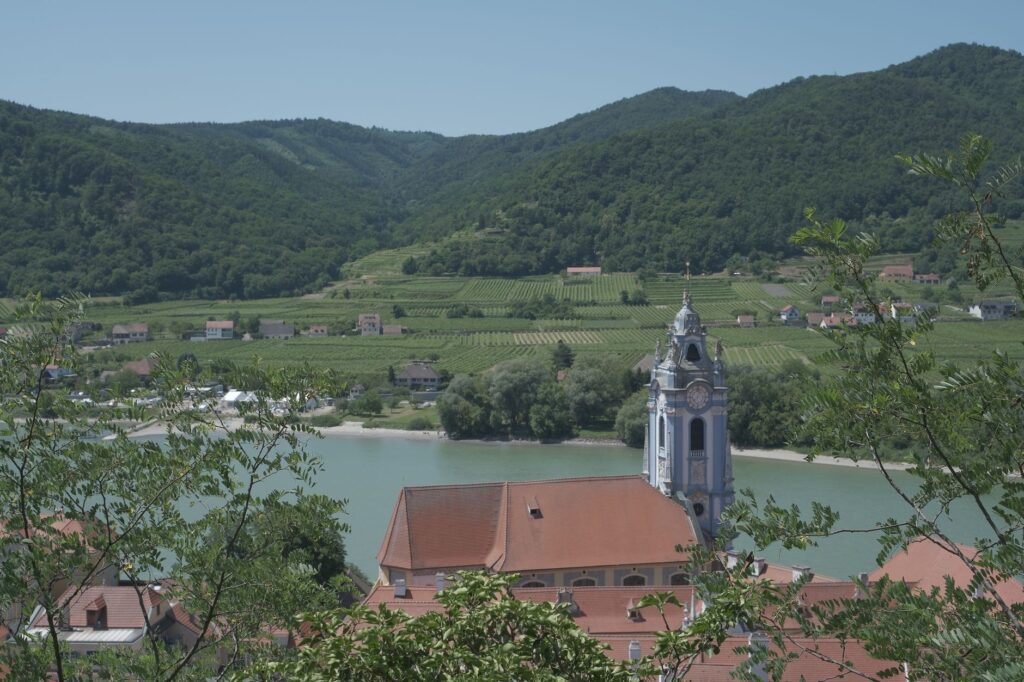
For navigators, passing through a lock is a ritual of spatial and temporal transition. The controlled descent or elevation of the water level—which occasionally exceeds ten meters in mere minutes—is executed with astonishing smoothness thanks to hydrostatic balancing valve systems. This technical marvel allows recreational vessels and river cruisers to overcome geological disparities without disrupting the fragile aquatic fauna, including fish migration corridors designed along the margins. Engineering thus serves contemplation, allowing travelers to experience the vertical geography of the valley from a purely cinematic perspective.
Fortified Monasteries and the Power of Stone
Dominating the horizon atop a rocky promontory plunging straight down into the river, Melk Abbey stands as the epitome of spiritual and political Baroque architecture along the Danube. This Benedictine complex, whose roots stretch back to the 11th century though its current appearance dates from the 18th, functioned not only as a center of prayer and classical scholarship, but as a strategic fortification capable of controlling river traffic and levelling tariffs on merchants. Its ochre walls, contrasting violently with the deep blue of the roofs and the dark green of the lower vineyards, enclose priceless libraries and monumental frescoes reflecting the Counter-Reformation’s obsession with materializing celestial glory on earth.
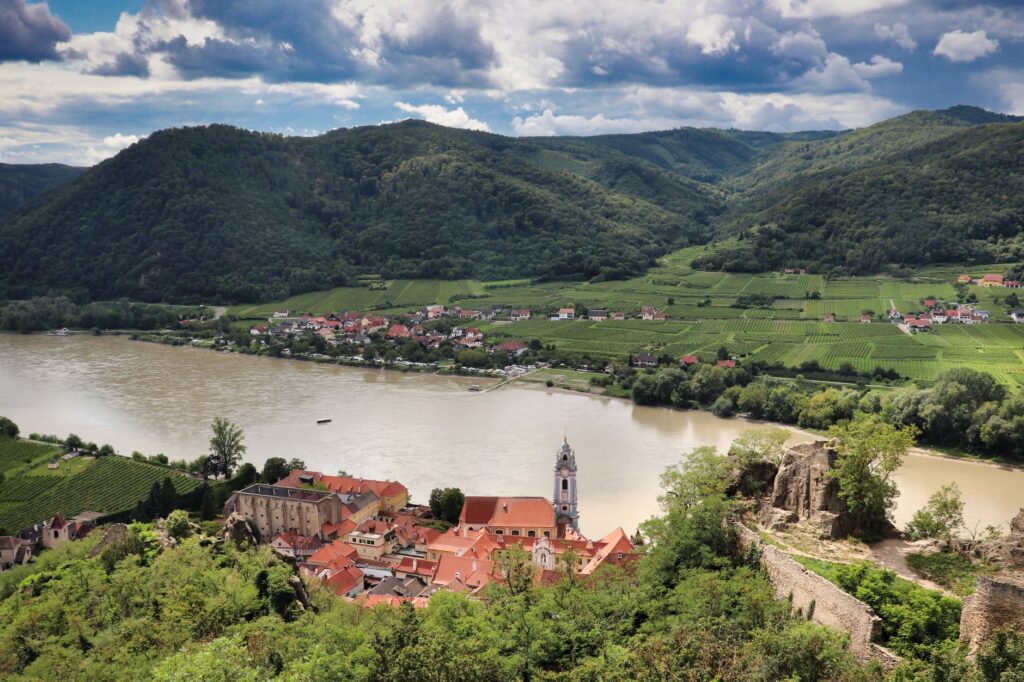
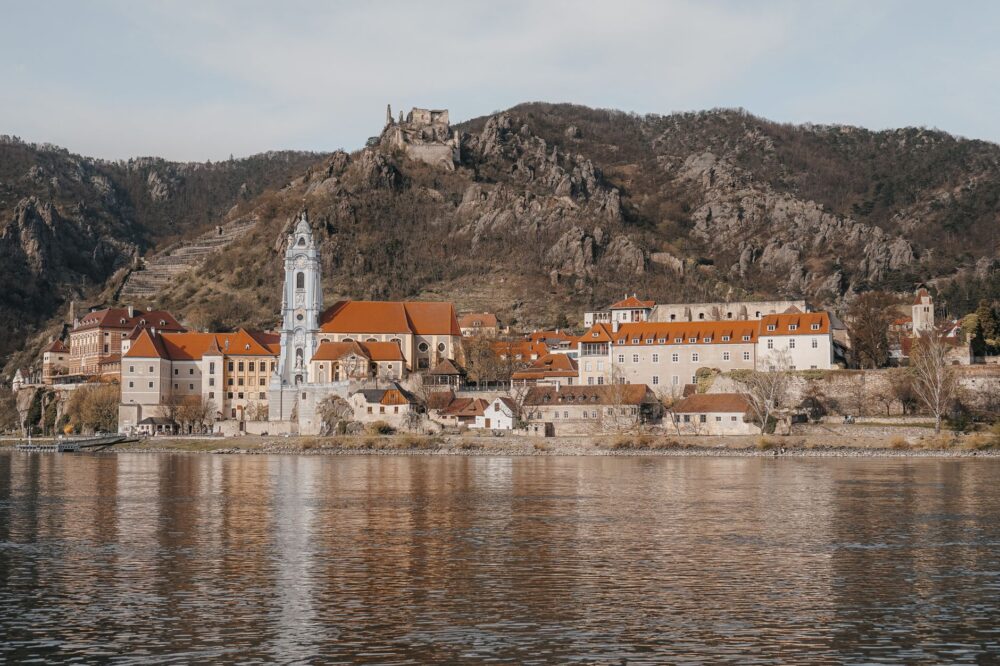
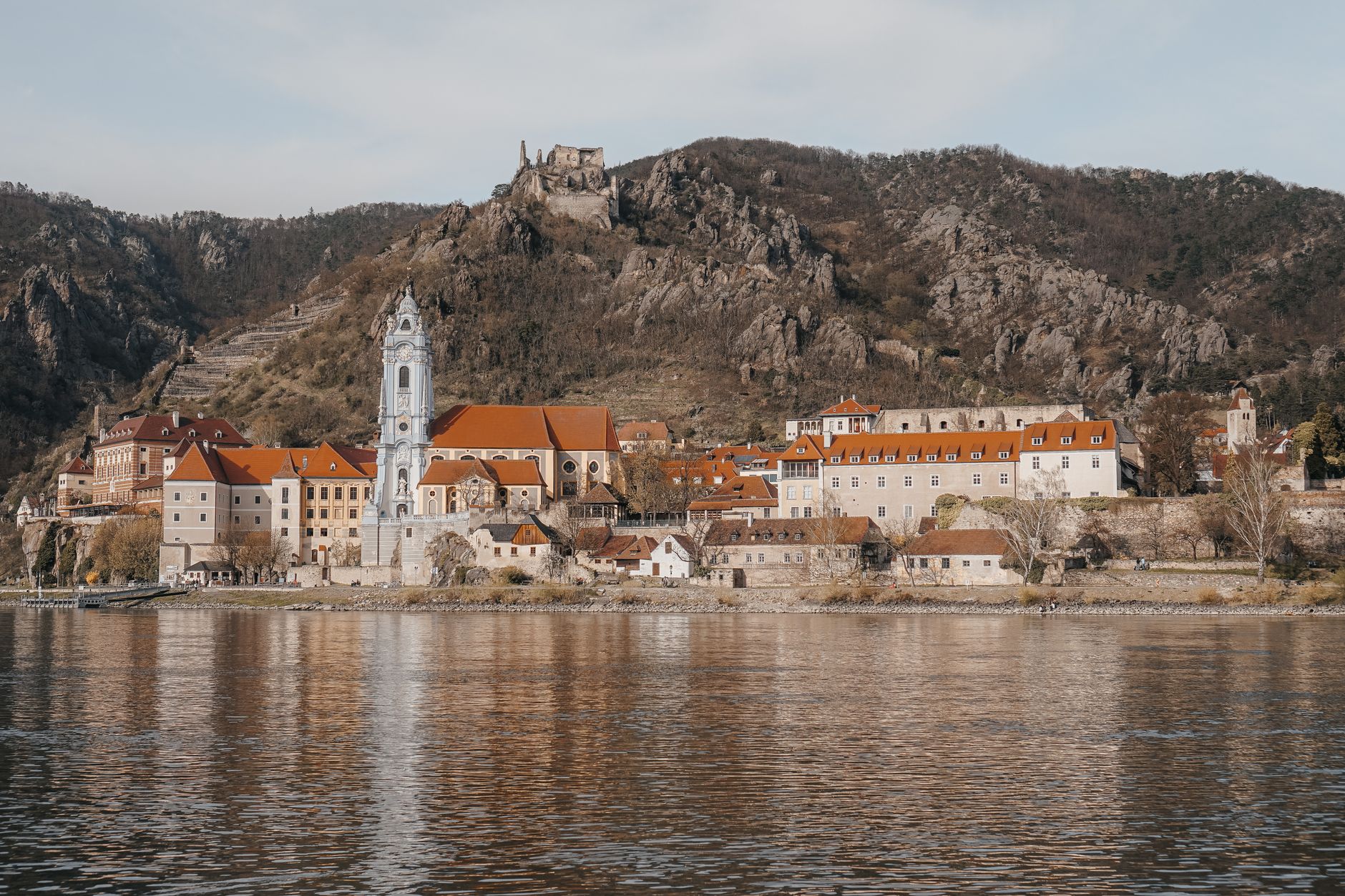
Downstream, the ruins of Dürnstein Castle add a layer of historical drama to the landscape, evoking the captivity of Richard the Lionheart in the late 12th century. The local stone, quarried from the very cliffs upon which the fortress sits, mimics the mountain’s tones, making the boundary between geological work and military architecture almost imperceptible. These fortified enclaves formed part of an interconnected defensive system that exploited the river’s natural curvature to create visual and tactical ambushes, turning the Wachau into an impregnable stronghold against any army attempting to advance upstream without the consent of local feudal lords.
Heroic Viticulture: Dry-Stone Terraces
While monumental architecture defines the power milestones of the valley, it is heroic agriculture that sculpts its most intimate texture. The steep terraces carpeting the south-facing slopes, supported by miles of dry-stone walls built without mortar, represent one of Central Europe’s oldest and most laborious landscape interventions. Here, cultivating varieties like Grüner Veltliner and Riesling responds not to industrial efficiency, but to a strict dependence on direct solar radiation and natural drainage provided by primary loess and gneiss soils. Local winemakers work these plots with the same patience their ancestors used to build the walls, often utilizing mechanical monorails or carrying harvests on their backs due to the sheer inaccessibility of the slopes.
This millennial agricultural model is not only the region’s economic engine but the primary guarantor of local biodiversity. The gaps between the stones in the terraces serve as refuges for specialized microfauna, reptiles, and insects, while the absence of artificial irrigation forces vines to develop deep root systems that extract characteristic minerals from the subsoil. The resulting wine in the glass faithfully reflects fluvial geology: wines of piercing minerality and vibrant freshness that encapsulate climatic harshness and summer insolation. Every bottle produced in the Wachau is, in essence, a liquid ethnographic document chronicling the daily struggle between humanity and gravity.
Riverside Villages and Timber Architecture
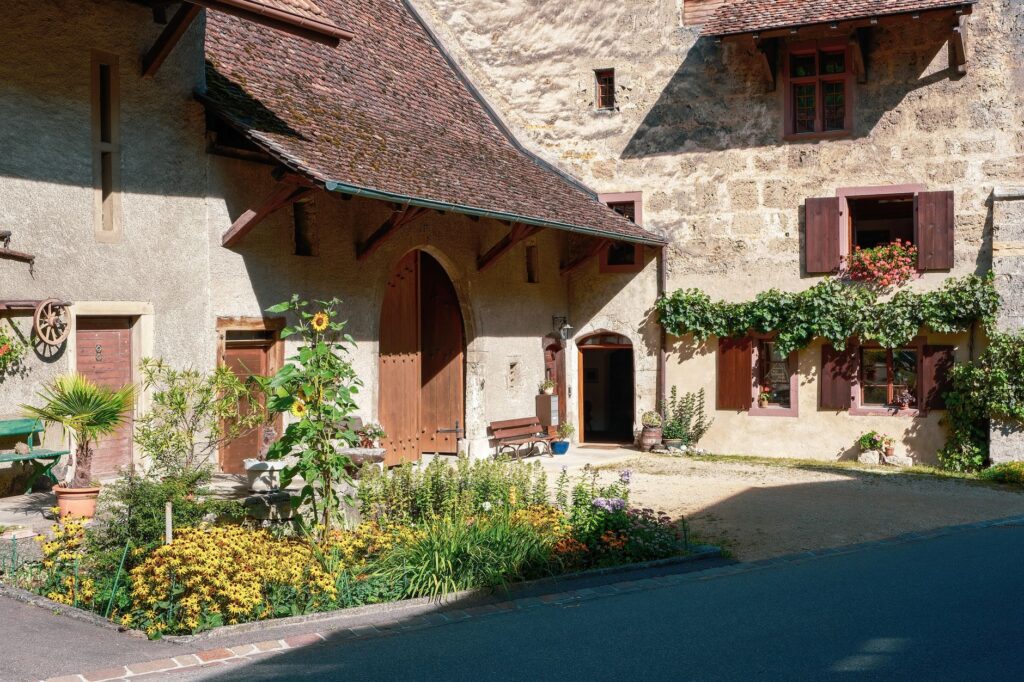
At the foot of the vineyards, small villages like Spitz, Weißenkirchen, and Krems line the riverbank like beads on a historical rosary. Their urban architecture responds to a very specific typology dictated by the constant threat of floods: primary facades face the river to facilitate trade and docking, while Renaissance-inspired interior courtyards protected by robust arcades historically served for storing barrels and sheltering livestock. Timber-framing structures and clay-tiled gabled roofs give these streets an endearing profile where time seems to have halted after the Baroque renovations of the 17th and 18th centuries.
Life in these settlements revolves around traditional wine taverns known as Heurigen, where winegrowers serve their current vintage alongside local gastronomic specialties. These spaces of community sociability preserve a secular code of hospitality barely altered by international tourism. Inside, locals debate weather patterns, grape quality, and river flow vicissitudes, weaving a network of neighborly complicity that acts as a counterweight to the mass commercialization found in other European enclaves. The architecture of these venues, characterized by dark oak wood and shaded garden courtyards under centuries-old grape arbors, invites a leisurely immersion in Lower Austria’s daily culture.
The Danube in the Wachau is not merely observed; it is crossed with the awareness of navigating a sedimentary stratum where human history and fluvial geography are strictly indissoluble.
The Natural Pulse of Riverbanks and Riparian Forests
Beyond human interventions, the central stretch of the Wachau harbors one of Central Europe’s best-preserved river ecosystems: the riparian forests, or *Auen*. These ecological corridors, composed primarily of white willows, black poplars, and alders, act as natural sponges absorbing seasonal floods and filtering sediments before they return to the main channel. The periodic flood dynamics, though partially regulated by upstream dams, continue to dictate the biological rhythm of the area, allowing waterfowl such as the kingfisher and the black stork to thrive and find ideal nesting grounds in these inaccessible thickets.
Walking along marked trails winding parallel to the water reveals the acoustic contrast between the roar of the current and the vegetal stillness of the forest interior. Aerial tree roots, sculpted by continuous erosion, form intricate labyrinths where floating deadwood accumulates, creating critical habitats for amphibians and benthic macroinvertebrates. This river stretch demonstrates that modern hydraulic engineering can coexist with the natural regeneration of riparian biotopes when managed with strict ecological criteria, offering a wild counterpoint to the strict geometry of terraced vineyards.
Practical guide
Planning a rigorous journey through the Wachau Valley requires careful attention to seasonality and sustainable transport infrastructure connecting the primary riverside villages.
- Getting There: The natural gateway is Vienna. From the main station (Wien Hauptbahnhof), regional ÖBB trains connect to Melk and Krems in approximately one hour. It is advisable to use the Einfach-Raus-Ticket group discount or purchase individual passes in advance.
- River Navigation: The primary operators are Brandner Schiffahrt and DDSG Blue Danube. Ferries and tour boats operate most frequently between April and October. To cross from one bank to the other with vehicles or bicycles, cable-traction ferries (*Rollfähre*) operate at key points like Weißenkirchen and Spitz.
- Accommodation: Travelers should prioritize historic family-run establishments known as *Weingasthof* located in Dürnstein and Spitz, which combine traditional lodging with private wineries. Booking several months in advance is essential due to high summer and autumn demand.
- Internal Mobility: The best way to explore the valley is via the Danube Cycle Path (*Donauradweg*), which is perfectly paved and signposted. Multiple e-bike rental points offer cross-return services between Melk and Krems.
The culinary experience should center around protected designation of origin products, notably Wachau apricots (*Wachauer Marille*), harvested in late July, and regional white asparagus in spring, always paired with a Smaragd wine—the region’s fullest-bodied and most complex category.
The Final Echo of Millennial Waters
At dusk, when the golden light of sunset ignites the dry-stone walls of the vineyards and the shadows of Melk Abbey stretch across the Danube’s surface, the valley acquires a profoundly contemplative dimension. In this moment of luminous truce, the river ceases to be a mere transport route or hydroelectric resource, transforming into a tutelary presence connecting the traveler to the relentless flow of time. The quietness of the water, interrupted only by the faint murmur of a distant barge or the low flight of a grey heron, encapsulates the essence of a territory that has resisted modern urgency by clinging to the sober beauty of its geography.
This corner of Lower Austria proves that true luxury in contemporary travel does not lie in accumulating hyper-connected experiences, but in the capacity to tune into the geological and human rhythm of a millennial landscape. Upon leaving the Wachau, with the certainty of having traversed a corridor where every stone tells a story of survival and adaptation, travelers retain the intimate conviction that certain currents, no matter how much history attempts to accelerate them, retain the secret of their own unhurried pace.