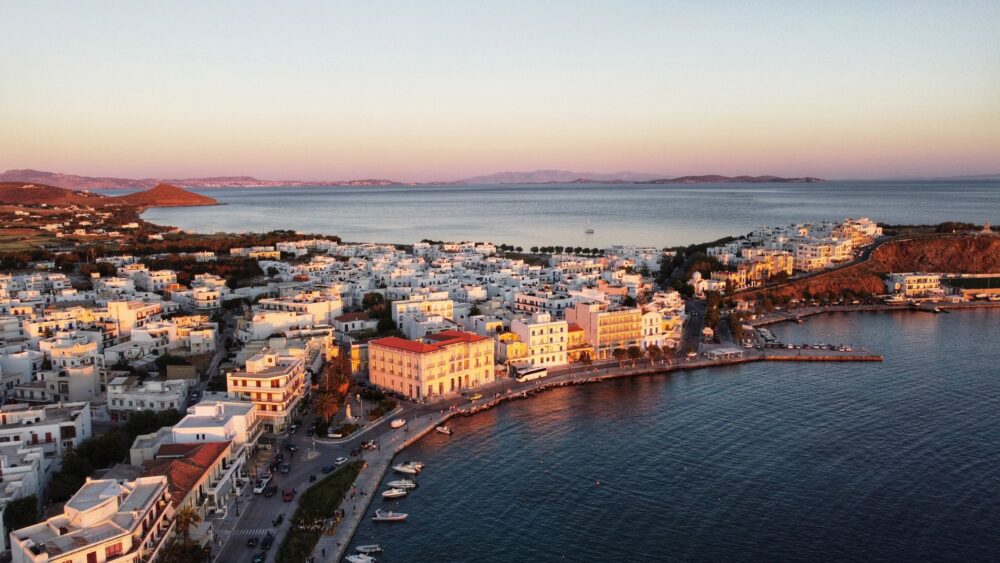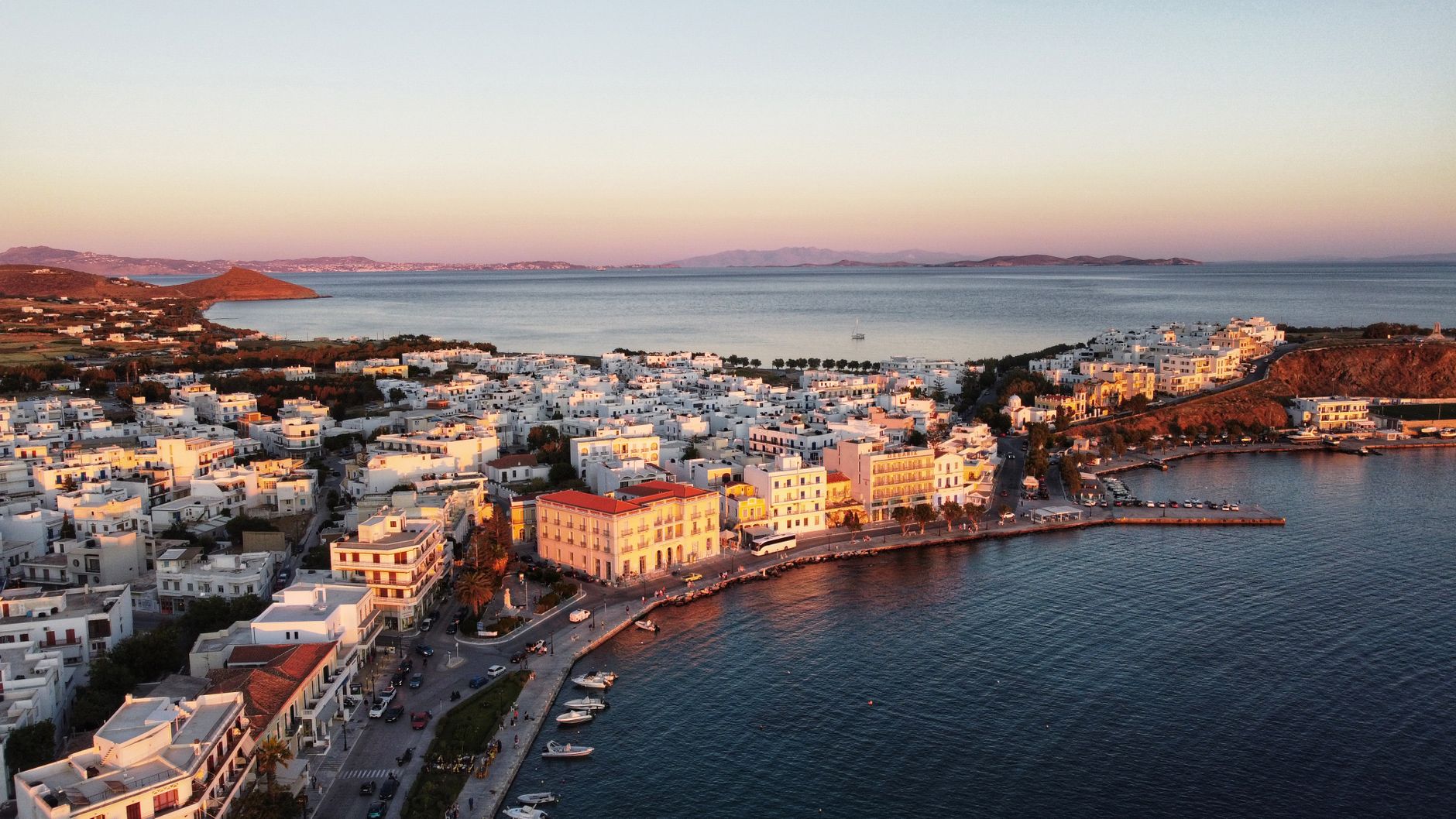

Planning an island-hopping journey through Greece usually comes with a preconceived image: fiery sunsets in Oia, whitewashed alleys packed with travelers seeking the perfect photo, and congested ferries where finding an open deck is a genuine challenge. Yet, the real rhythm of the Aegean responds to climatic, agricultural, and maritime dynamics far subtler than the peak vacation calendar of Europe. For those seeking to understand the true essence of the Cyclades, the Dodecanese, or the Ionian islands, choosing the right moment is not merely a matter of weather comfort, but a decision that determines whether the trip becomes a race against overcrowding or a serene immersion in Mediterranean culture.
Insular travel experts agree that the optimal period spans from May to June and from September to early October. During these weeks, temperatures settle into a delightfully pleasant range between 24°C and 28°C, allowing for both hikes along historic trails and swims in crystal-clear waters that have begun to warm up after winter. To this is added a decisive factor for the contemporary sailor: logistical availability and authenticity in human interaction, elements that often dilute during the climax of July and August.
The Geography of Wind and Light: Why the Calendar Alters the Experience
Understanding the Greek territory requires looking up at the sky just as much as out at the sea. The seasonal wind regime, historically known as the Etesian winds or meltemi, blows with intensity during the high summer, especially in the central Aegean. These dry northerly winds not only cool the air but can drastically alter traditional ferry routes, canceling trips and turning crossings into tests of patience. Traveling during the spring or autumn transition windows significantly reduces the intensity of these phenomena, ensuring greater predictability in island-to-island travel.
Furthermore, the light undergoes a radical mutation depending on the time of year. In May, insular landscapes retain the final traces of spring blooming, covering hillsides with wild poppies and daisies that contrast with volcanic or calcareous stone. By September, the scenery acquires ochre and golden tones, exhaling the heat accumulated over months beneath a sky of exceptional transparency. This chromatic variation is not merely a visual attraction; it defines the character of each local community, now engaged in traditional harvesting tasks.
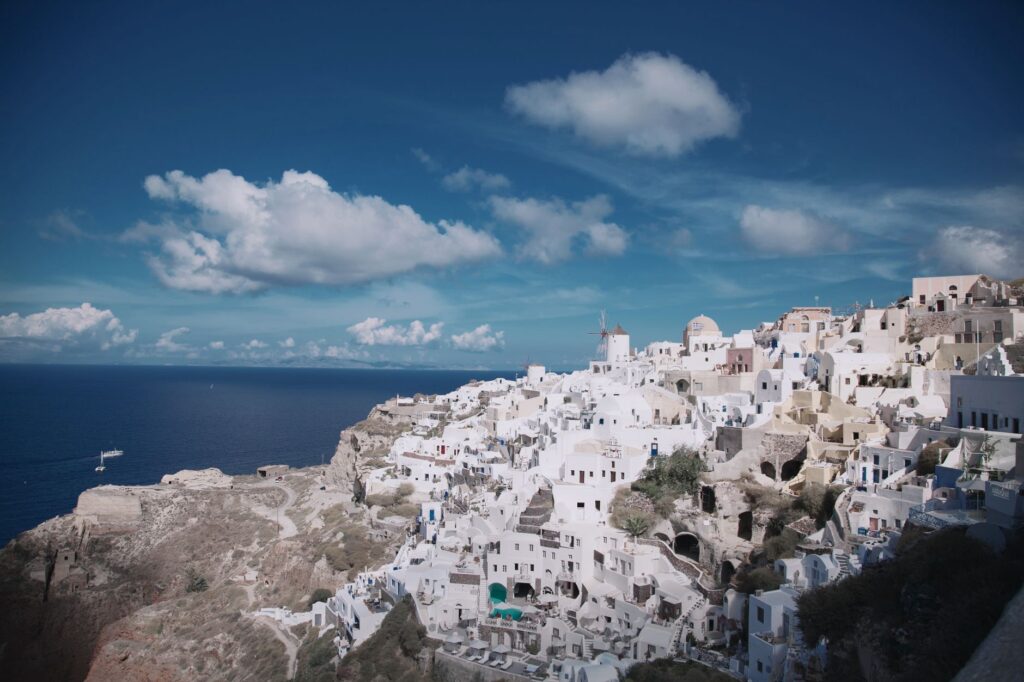
Spring in the Aegean: The Awakening of Ports and Natural Flourishing
The month of May marks the official start of the nautical season, yet the archipelago experiences this awakening with deliberate slowness. Owners of family-run tavernas on islands like Naxos, Amorgos, or Serifos open their doors after months of winter closure, painting shutters and setting tables by the dock without the urgency of mass tourism. This is the moment when the traveler stops being a number in hotel occupancy statistics and becomes a valued guest among residents.
Daytime temperatures in May are ideal for traversing the network of ancient mule tracks crossing the islands. Trails such as those on Sifnos, flanked by dry-stone walls and solitary chapels, can be explored without the oppressive heat of the midday sun. Nature is generous and silent, offering a soundscape composed exclusively of the buzz of wild bees, the murmur of the surf, and the distant sound of livestock bells.
The Nautical Advantage: Sailing Without Rush or Pier Queues
For those opting for ferry travel or renting smaller watercraft, advanced spring offers logistical flexibility unattainable in July. Tickets can be secured with short notice, major ports like Piraeus and Rafina operate with lower congestion, and docking maneuvers in smaller harbors proceed smoothly. This operational tranquility translates into lower stress levels and the ability to modify itineraries on the fly if a particular island captivates the traveler longer than anticipated.
The true luxury in the contemporary Mediterranean is not ostentation, but the available time to listen to the silence between two tides.
Likewise, local rental operators of vehicles and small boats offer better-maintained fleets and more competitive rates. There is no pressure for rapid turnover, allowing for personalized recommendations regarding hidden coves or off-the-beaten-path restaurants directly from their providers.
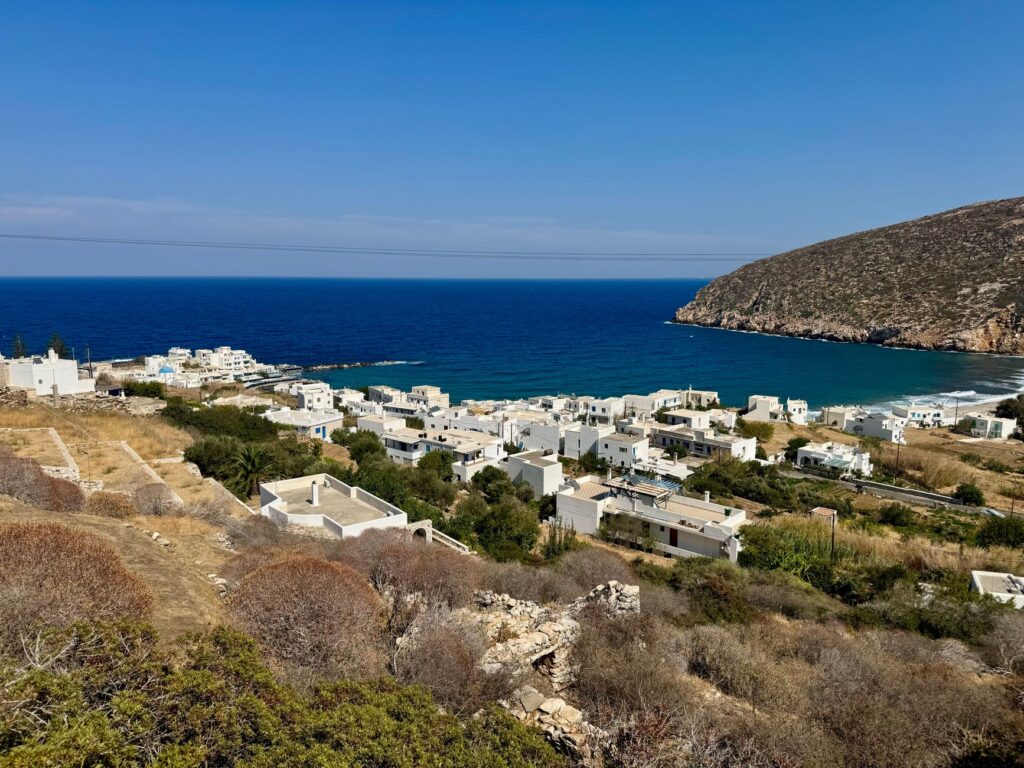
The Golden Autumn: When the Sea Retains Summer’s Warmth
If spring represents promise and rebirth, September embodies maturity and calm. Following the massive exodus of August, the Greek islands recover their everyday pulse. Fine sandy beaches in Milos or pebble coves in Kefalonia remain virtually deserted, allowing visitors to enjoy the Aegean and Ionian seas in absolute solitude. The water, warmed by months of constant sunshine, maintains a perfect swimming temperature well into the second half of October.
This period also coincides with the grape harvest cycle. On islands with deep winemaking traditions such as Santorini, Paros, or Crete, local wineries hum with discreet activity. Participating in a tasting of Assyrtiko or Mandilaria in September offers deep cultural perspective, far removed from the standardized experience of summer nightlife. Local farmers have the necessary time to explain ancestral bush-vine cultivation methods protected from marine winds.
Seasonal Gastronomy: From Fresh Produce to the Family Table
Greek cuisine undergoes a subtle seasonal transformation fully appreciated in autumn. Overgrown menus geared toward rapid summer turnover disappear, replaced by pot dishes, wood-oven roasted vegetables, and meats braised with local spices. Tavernas reclaim daily fresh catches without intermediaries, and it is common for the fisherman himself to bring his haul directly to the portside kitchen.
Dining on a harbor terrace on an October afternoon, wrapped in a light sea breeze while sharing a plate of local fish with extra virgin olive oil from the estate’s own harvest, defines the quintessence of the Mediterranean experience. It serves as a reminder that Hellenic hospitality—traditional philoxenia—flourishes with utmost authenticity when commercial pressure recedes.
Radiography of the Archipelagos: Choosing the Right Island for Each Season
Not all islands respond the same way to the calendar. While high-profile media enclaves experience near-total closure outside core summer months, larger islands with stable resident populations maintain vibrant cultural and social activity year-round. Crete, Rhodes, or Lesbos offer solid infrastructure operating normally in May and September, combining coastal offerings with rich interior heritage.

On the other hand, smaller Cyclades—such as Koufonisia, Donoussa, or Schinoussa—demand careful date selection. Too early in spring and many basic services remain closed; too late in autumn and ferry connections drop drastically due to worsening sea conditions. Rigorous geographic planning is the key to avoiding unpleasant surprises and ensuring seamless travel among these tiny insular gems.
The Human Factor: Connection with Local Residents
The unhurried pace of shoulder seasons directly impacts the quality of human interactions. In August, tourist saturation generates fatigue among local communities, especially on small islands where temporary populations vastly outnumber natives. In May and September, conversely, shopkeepers, tavern owners, and artisans possess the mental bandwidth required to engage in unhurried conversations, share family histories, and recommend routes missing from any printed guide.
This human openness enriches the journey in an immaterial yet enduring way. Learning why a Sifnos potter still uses a traditional wheel or listening to legends about cliffside monasteries in Amorgos from an elderly local adds an anthropological dimension that transforms a simple vacation into a journey of understanding.
Practical guide
When to travel: Optimal months are May, June, September, and early October to avoid crowds and ensure mild temperatures.
How to get around: Use conventional ferries for longer journeys to enjoy the scenery; reserve high-speed catamarans only when time is critical.
Accommodation booking: During transition months, advance booking months ahead is unnecessary, allowing greater route flexibility.
Climate and packing: Include light clothing for daytime and windproof outerwear for boat crossings and open-deck evenings.
Recommended gastronomy: Look for tavernas frequented by local residents where the menu is handwritten and changes according to daily market availability.
Maritime connectivity: Check official navigation platforms to verify ferry routes, as timetables shrink outside peak season.
Environmental respect: Support local commerce and avoid single-use plastics on islands with limited waste management capabilities.
The Art of Letting the Journey Decide Its Own Course
Ultimately, choosing to travel to Greece outside summer months reflects a philosophy of slowness and mindfulness. The Aegean Sea is not a summer theme park, but a living geographic space inhabited by communities with deep historical and maritime memories. When noise, endless queues, and the urgency of a rigid itinerary are stripped away, the archipelago returns its true dimension to the traveler: a territory of open horizons, eloquent silences, and serene beauty that lingers in memory long after returning home.
Source in EN: Condé Nast Traveler – The Best Time to Visit Greece For Island-Hopping, Fewer Crowds, and Ideal Temperatures