
The Reconquest of the Menorquín Coastline Against Summer Congestion
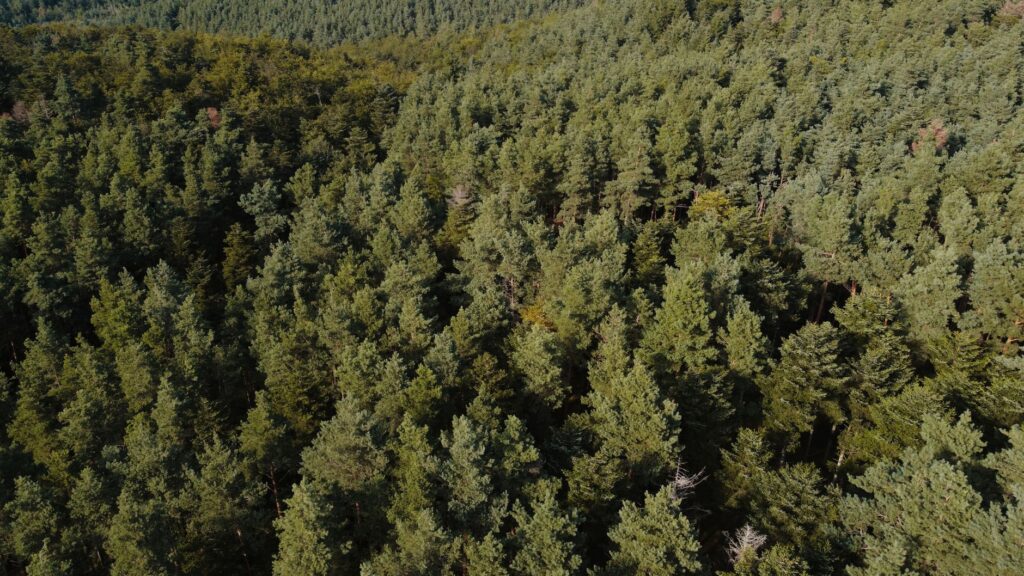
For decades, the model of access to Menorca’s pristine coves has been defined by the saturation of private vehicles on forest tracks and fragile sandy shores. The massive influx of automobiles during the peak summer months not only overwhelmed available parking spaces but accelerated the erosion of rural paths and increased the carbon footprint in a territory designated as a Biosphere Reserve by UNESCO. In response to this systemic challenge, island administrations and local communities have driven a radical shift in coastal mobility, committing to an intermodal network that prioritizes zero-emission maritime transport and the recovery of traditional routes for cyclists and walkers.
This territorial re-engineering effort goes beyond merely restricting road traffic; it completely redesigns the travel experience across the island. By integrating solar-powered catamaran lines with shuttle bus services and segregated bike lanes, Menorca demonstrates that it is possible to reconcile peak tourist pressure with the strict preservation of its most sensitive coastal habitats. The transformation affects historical ports like Mahón and Ciutadella as well as small traditional anchorages, where the transition toward electric fleets redefines the rhythm of coastal navigation.
From Asphalt to Clean Wake: The Solar Maritime Transport Revolution
The core of this sustainable mobility strategy lies in the gradual replacement of conventional combustion vessels with a new generation of catamarans powered entirely by photovoltaic energy. These vessels operate on strategic routes connecting major urban centers with coves that are difficult to access by land, such as Macarella, Turqueta, or Pregonda. By eliminating diesel engine noise and hydrocarbon spills, maritime transport ceases to be a source of stress for marine fauna and becomes a silent extension of the landscape.
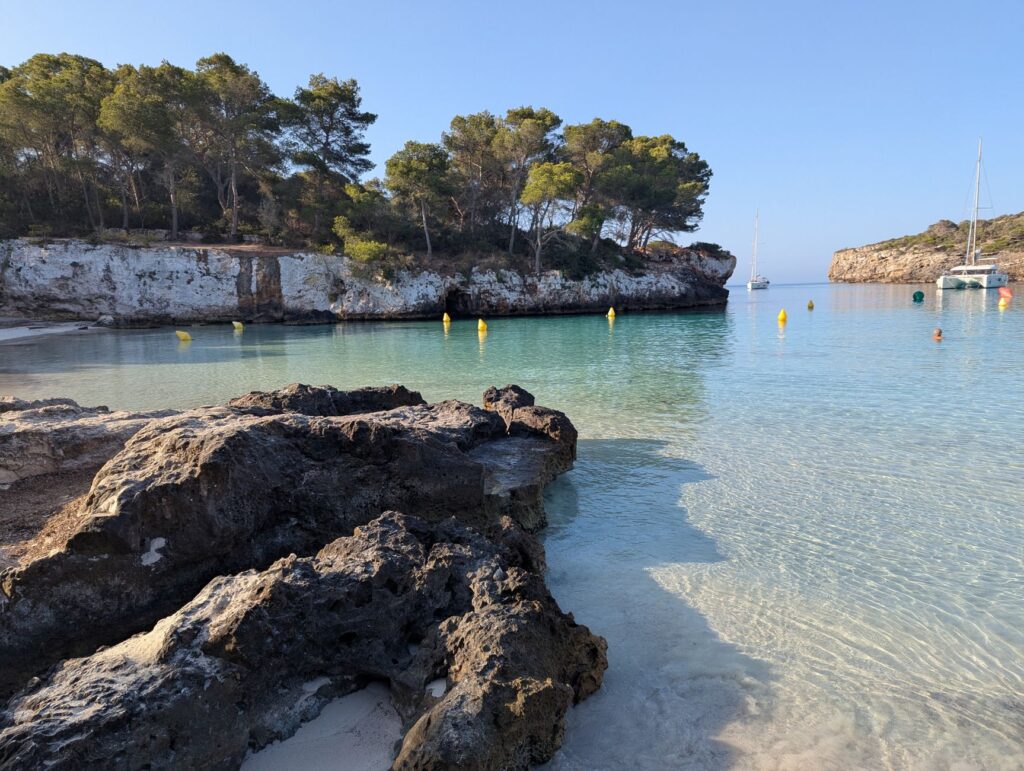
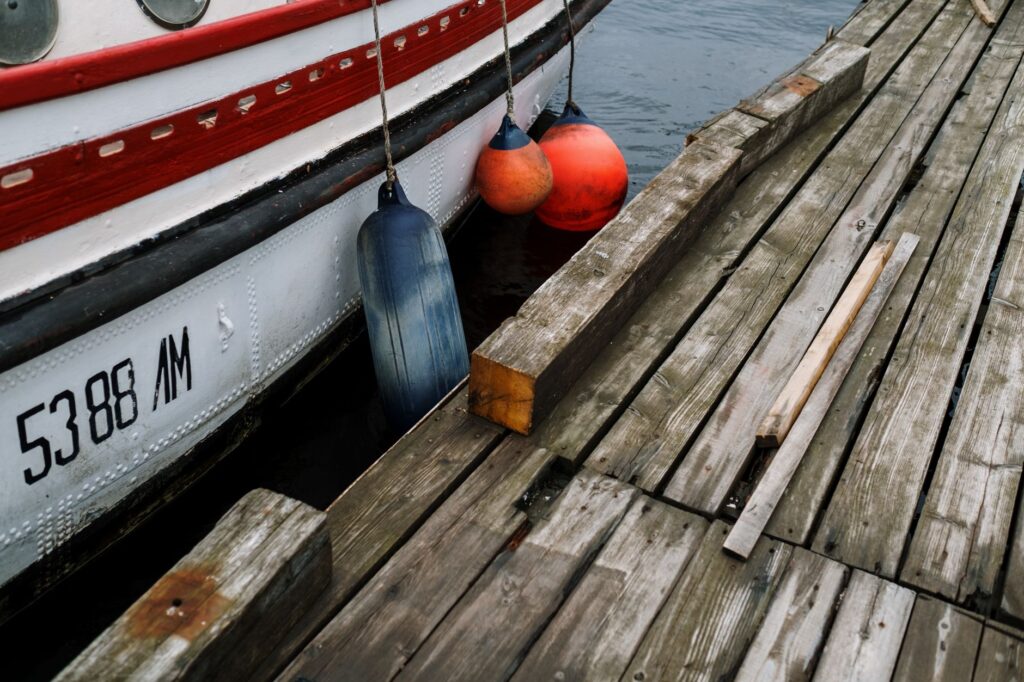
Local crews, many of them sailors with decades of experience along the Menorcan coast, have adapted their routes to minimize impact on Posidonia oceanica seagrass meadows. Docking piers have also been equipped with fast-charging points powered by local solar farms, ensuring a completely closed energy cycle. This floating infrastructure not only drastically reduces greenhouse gas emissions but revives a slower pace of navigation reminiscent of traditional coastal trade routes.
True sustainability is not about prohibiting movement, but about transforming the energy that drives us and respecting the natural rhythm of the territory we traverse.
In addition to energy efficiency, these vessels feature low hydrodynamic resistance hulls that generate minimal wake, thereby protecting cliffs from destructive artificial swells. Passengers, rather than facing the stress of searching for parking under the summer sun, experience a respectful maritime approach that anticipates the destination’s untouched beauty without altering it.
Pedals and Dry Stone: The Integrated Cycling Network
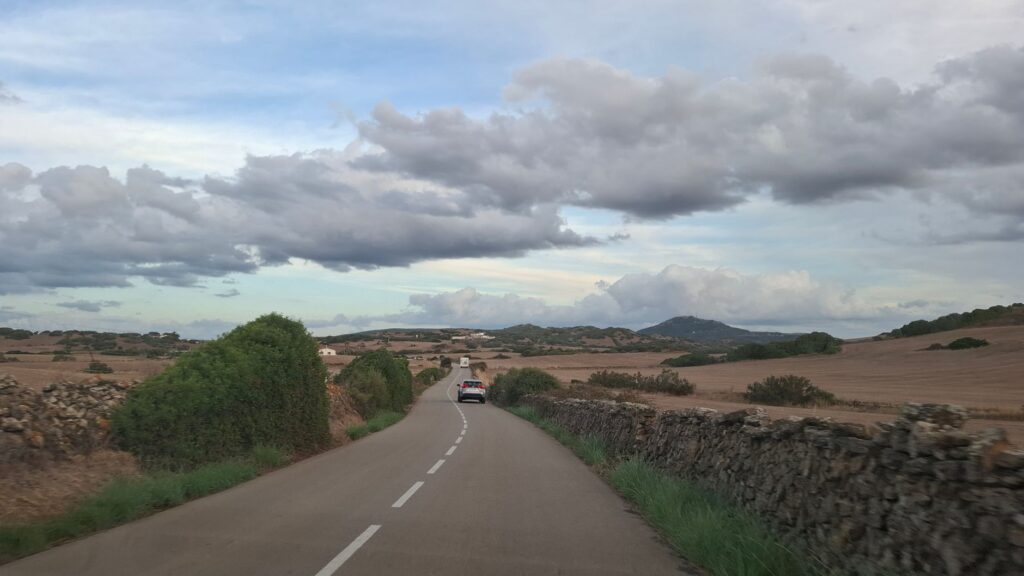
On land, the transformation of transport involves the recovery and connection of ancient rural paths bordered by dry-stone walls—an invaluable ethnological heritage that now serves as the backbone for a network of safe bike lanes. These itineraries allow travelers to traverse the island from north to south and east to west without sharing the road with heavy traffic. The design of these routes has avoided massive asphalt paving, opting instead for compacted local aggregates that respect the natural drainage of rainwater during autumn storms.
Intermodal stations located on the outskirts of urban centers allow travelers to combine scheduled buses with public electric bicycles possessing sufficient range to overcome Menorca’s terrain. This shared rental system is managed via digital platforms that automatically balance vehicle availability according to seasonal demand. Consequently, the accumulation of bicycles in protected areas is prevented, and a rational use of public space is promoted.
Local farmers and agricultural workers, integrated into territorial co-management committees, actively participate in the maintenance of these greenways. Their millennial knowledge of the land is essential for preventing landslides and ensuring that the movement of cyclists and walkers does not interfere with traditional farming tasks or free-ranging livestock.
Invisible Architecture: Shelters and Intermodal Transfer Hubs
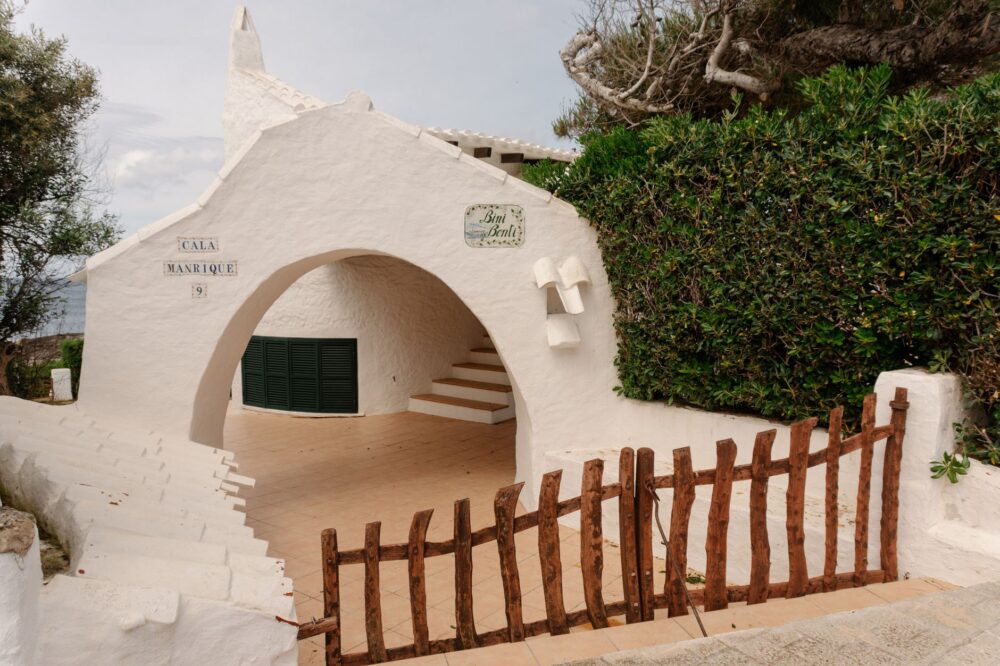
One of the greatest achievements of this transformation lies in the architectural conception of the new transport infrastructure. Far from the large concrete stations typical of metropolitan environments, the shelters and transfer points in Menorca blend seamlessly into the agricultural and forest landscape. Utilizing traditional materials such as marés—the local sandstone—and wood treated with natural oils, these facilities remain inconspicuous to the traveler, merging effortlessly with wild olive and mastic brushlands.
Each transfer hub functions as a self-sufficient node thanks to rooftop solar panels and rainwater harvesting systems for landscape irrigation. Users have access to real-time information on route status, beach occupancy via capacity sensors, and seat availability on electric catamarans, eliminating the uncertainty inherent in summer travel planning.
The Human Pulse: Local Communities and Territory Co-Management
No technological innovation would have succeeded in Menorca without the deep consensus of its inhabitants. The transition toward this low-impact mobility model is the result of continuous dialogue between public institutions, environmental associations, the fishing sector, and agricultural cooperatives. Residents of inland and coastal towns have embraced the challenge of redesigning their daily habits, prioritizing collective transport during peak tourism months to free up capacity on communication routes.
The Role of Fishermen’s Guilds in the Nautical Route
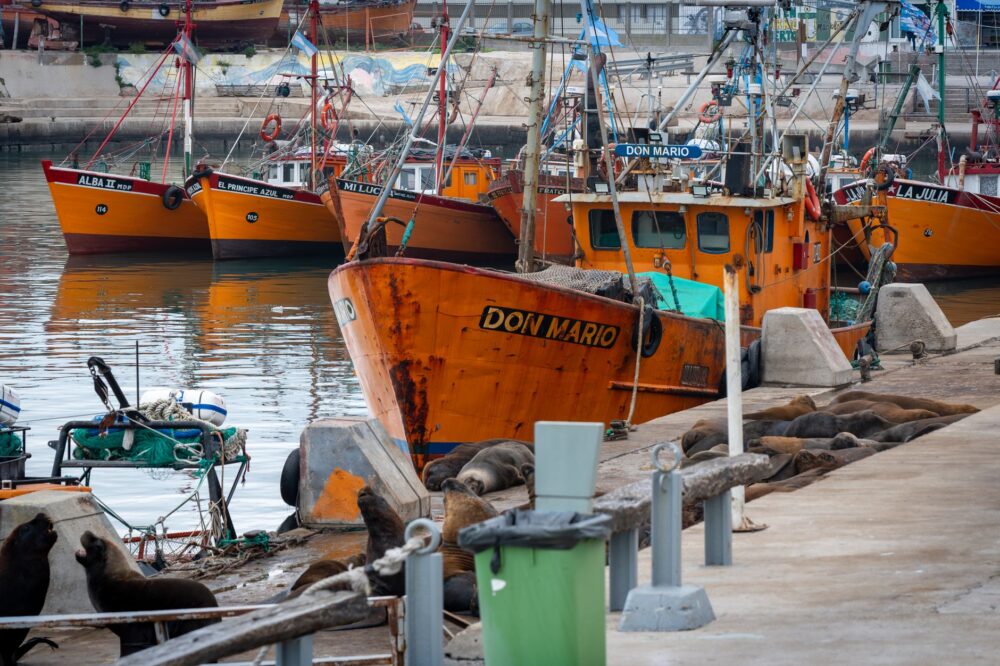
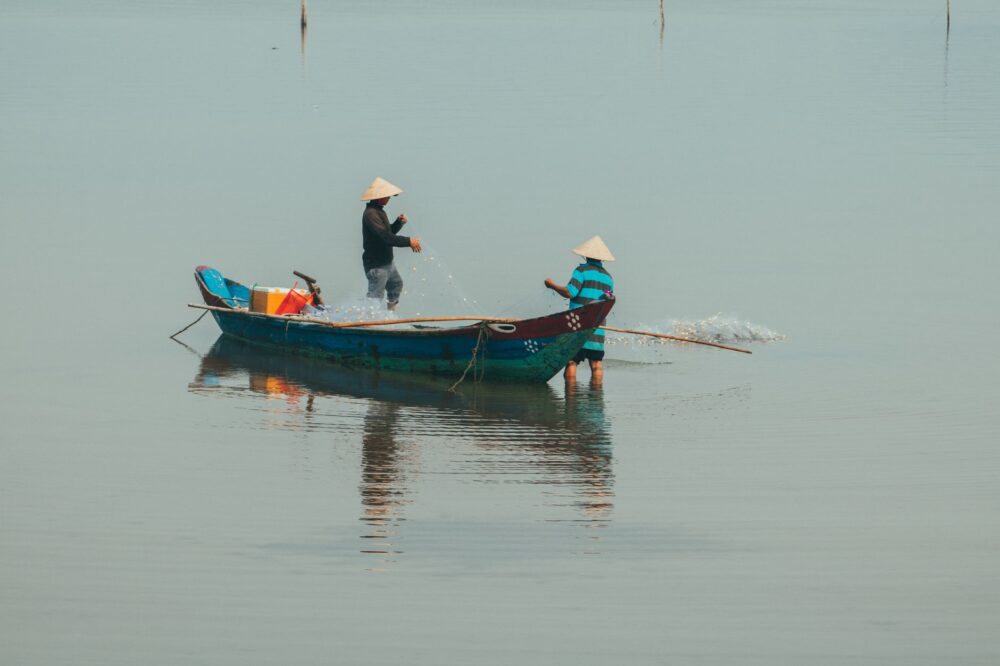
Local fishermen’s guilds have played a key advisory role in designing the routes for electric catamarans. Their detailed knowledge of coastal currents and protected species spawning grounds has prevented new maritime transport lines from interfering with traditional fishing grounds or damaging ecologically valuable seabeds.
Craftsmen’s Participation in Signage
Signage for paths and shelters has been entrusted exclusively to island craft workshops, utilizing forged iron and reclaimed wood. This detail reinforces the cultural identity of the territory and avoids the visual pollution caused by plastic signs or standardized markers alien to the Menorcan landscape.

Citizen engagement also extends to citizen science programs, where residents and visitors collaborate in recording data on air quality and beach attendance, feeding an open database that allows managers to adjust transport frequencies dynamically and efficiently.
Practical guide
How to get there: Mahón Airport (MAH) connects the island with major European and peninsular capitals. For a fully sustainable experience, arriving via regular ferry lines operating from Barcelona, Valencia, and Palma—either on foot or with a bicycle—is highly recommended.
When to visit: The months of May, June, September, and and October offer ideal weather conditions to enjoy the soft mobility network without the crowds of the peak summer months of July and August, while also guaranteeing greater availability of electric transport services.
Getting around: Utilize the integrated intercity bus service combined with the electric bike rental network at peripheral intermodal stations. To access southern and northern coves, book spaces in advance on the new solar coastal catamarans.
Accommodation and services: Opt for rural establishments adhering to the Biosphere Reserve sustainability seal, which feature charging points for personal mobility vehicles and offer detailed information on low-emission routes.
The Recovered Silence of the Balearic Horizon
As evening falls, when the last rays of the Mediterranean sun bathe the calcareous cliffs of the Menorcan coast in amber, the contrast with the recent past is striking. Where the constant hum of combustion engines and traffic jams on dirt tracks once reigned, a subtle murmur now prevails: the gentle crunch of wheels on dry-stone paths and the imperceptible advance of solar vessels gliding without a trace across the water’s surface. This silence is not the absence of life, but the sonic proof of a reconquered equilibrium. Menorca thus proves that true luxury in contemporary travel no longer lies in speed or the exclusivity of motorized access, but in the capacity to become part of a landscape that regenerates through mutual respect between human beings and the fragile territory they inhabit.