
Geological Origins and the Architecture of the British Littoral
The Jurassic Coast, a designated UNESCO World Heritage Site, stretches for nearly 150 kilometers from Orcombe Point in Exmouth (Devon) to Old Harry Rocks near Swanage (Dorset). This coastline is not merely a picturesque geographical feature, but a chronological archive spanning 185 million years of Earth’s history. The terrain sequentially exposes the Triassic, Jurassic, and Cretaceous periods, a phenomenon known as the inverted stratigraphic section that allows geologists to read the geological past with a simple glance at the clay, limestone, and sandstone cliffs.
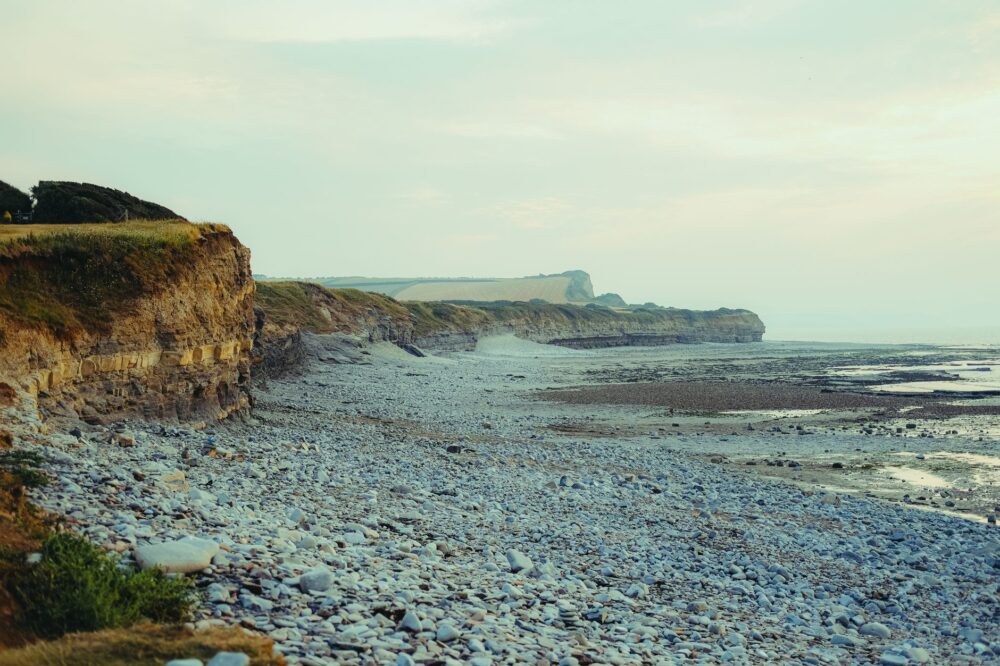
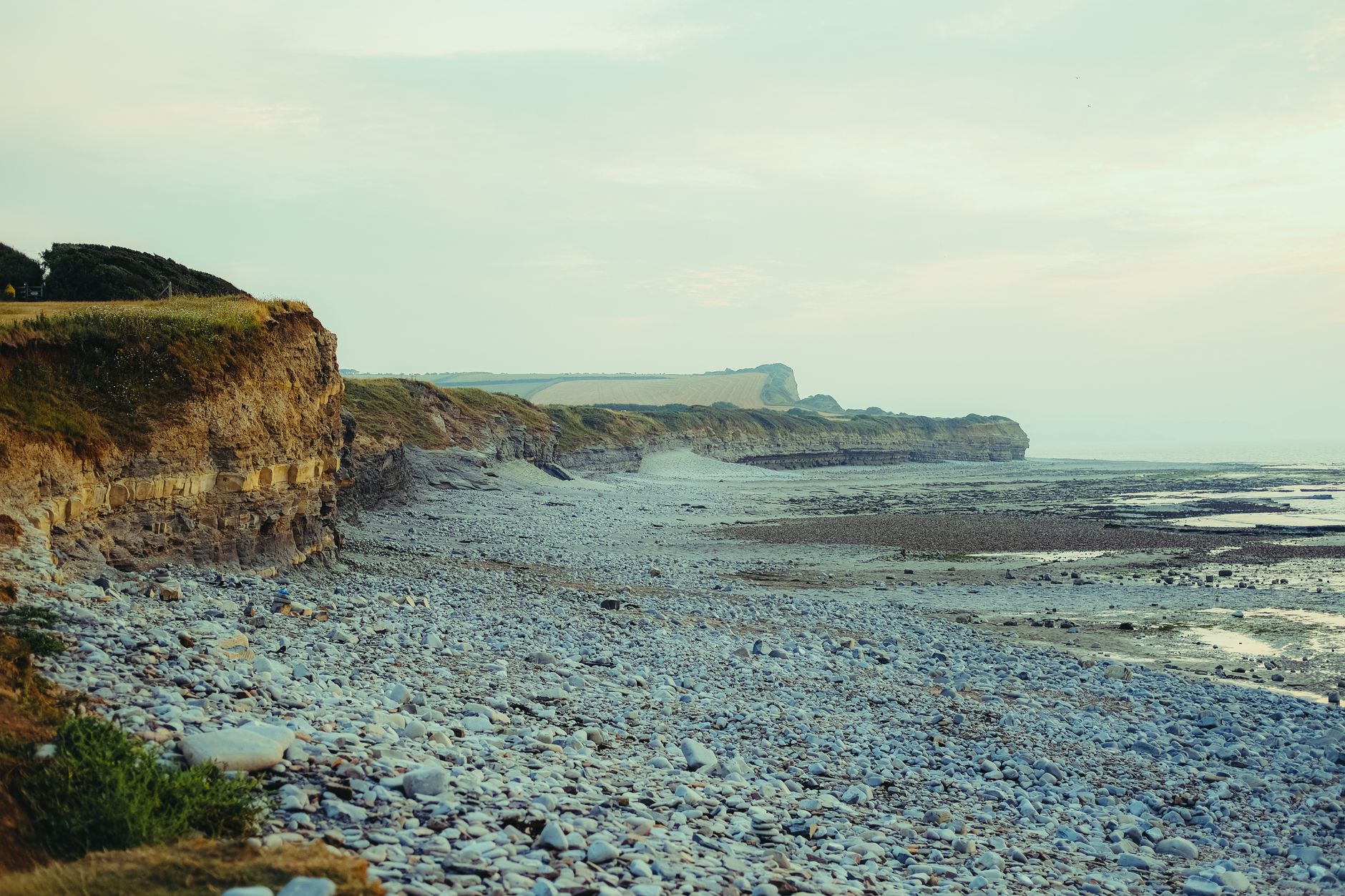
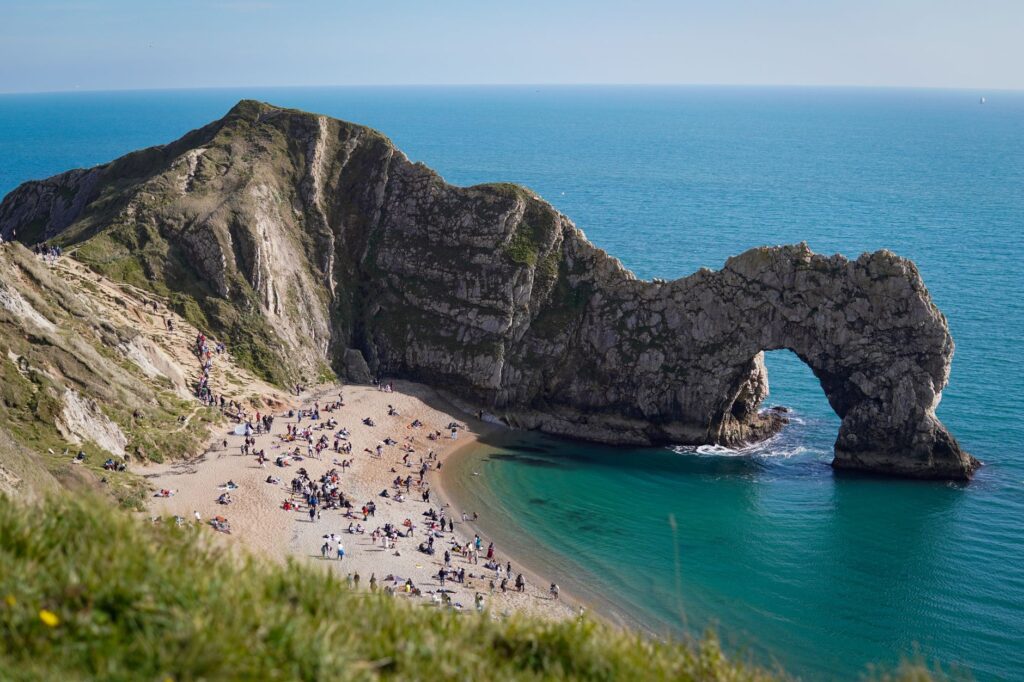
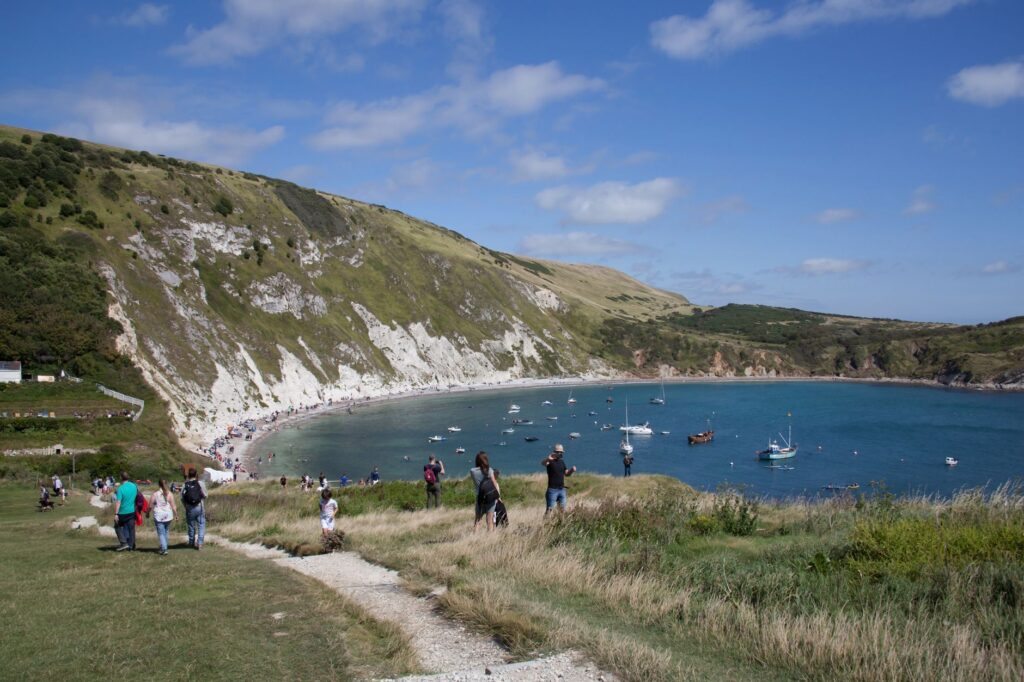
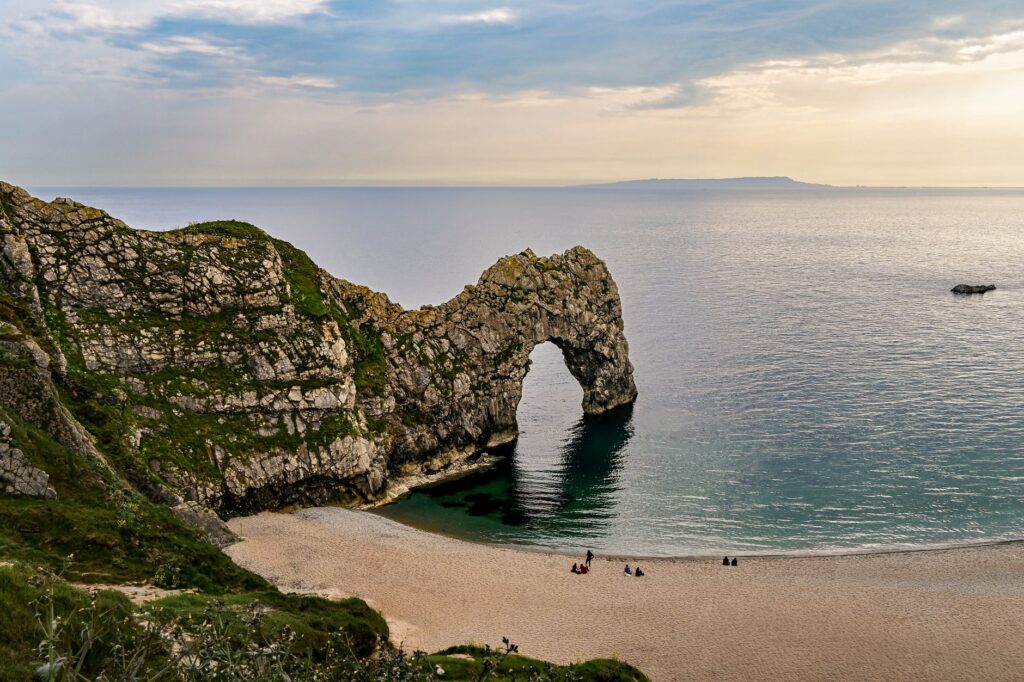
For the long-distance hiker, this lithological configuration implies a constant and direct physical challenge. The trail does not follow a flat or predictable coastline; instead, it climbs and descends relentlessly across hanging valleys, active geological faults, and iconic formations such as the marine arch of Durdle Door or the horseshoe bay of Lulworth Cove. Every kilometer traversed requires an attentive reading of the substrate, as marine erosion and landslides are ongoing occurrences. Terrain stability varies drastically after the winter months, forcing local authorities to reroute entire sections of the official South West Coast Path.
Understanding tidal dynamics and the composition of clay soils is the mandatory first step before initiating any serious expedition through this region. Unlike high-mountain routes, where the primary danger stems from altitude and alpine weather, here the invisible threat lies in the interaction between the force of the English Channel and the fragility of the cliffs. A misstep on an unstable edge or an attempt to cross muddy beaches during high tide can transform a demanding hike into a complex technical rescue situation.
Logistical Planning and Key Sections of the Traverse
The complete traverse of the Jurassic Coast requires meticulous logistics, usually divided into five or six main stages if tackling the 100 most rugged and scenically relevant kilometers between Lyme Regis and South Haven Point. Public transport infrastructure in the area is surprisingly efficient for a rural zone, connected by the South Western Railway line from London Waterloo to terminal stations such as Weymouth or Wool, alongside a network of seasonal coastal buses like the Jurassic Coast Bus (route X53).
The traditional starting point for hikers seeking the true physical pulse of the route is the historic port town of Lyme Regis. From there, the trail immediately climbs steeply toward Golden Cap, the highest point on the south coast of England at 191 meters above sea level. This initial ascent tests the cardiovascular capacity and joint endurance of any walker. The continuity of accumulated ascents and descents can exceed 1,000 meters of positive elevation gain per day, a figure that surprises those who underestimate British coastal topography believing that walking by the sea is a flat stroll.
Food and water resupply does not represent a critical obstacle, as the trail passes through or very close to picturesque villages such as Charmouth, West Bay, Weymouth, Kimmeridge, and Swanage. However, planning must account for the opening hours of local shops and the scarcity of potable water sources in the more remote sections between exposed ridges and chalk cliffs. Carrying a portable filtration system or adequate fluid reserves is essential, especially during the summer months when solar radiation and lack of shade on exposed peaks dramatically increase the risk of dehydration.
The Jurassic Coast is not conquered with speed or brute force; it is traversed through absolute respect for a living coastline that shifts beneath our feet with every tide and every winter storm.
Technical Management of Eroded Terrain and Coastal Safety
Tackling trails over chalk and clay cliffs demands specific footwear with high-traction soles, preferably low or mid-cut hiking boots that protect ankles on unstable surfaces of loose stone and clay mud. Trekking poles are fundamental tools not only for propulsion on steep climbs, but primarily to secure balance on slippery descents toward pebble beaches or the narrow valleys locally known as combes.
Weather safety in the English Channel is volatile. Southwest winds can reach gale force suddenly, turning exposed ridges into high-risk zones due to loss of stability. It is vital to consult Met Office weather bulletins and specific alerts from the Maritime and Coastguard Agency (HM Coastguard) before leaving accommodation or shelters each morning. Ignoring warning signs at rockfall detours is the leading cause of serious accidents in the area.
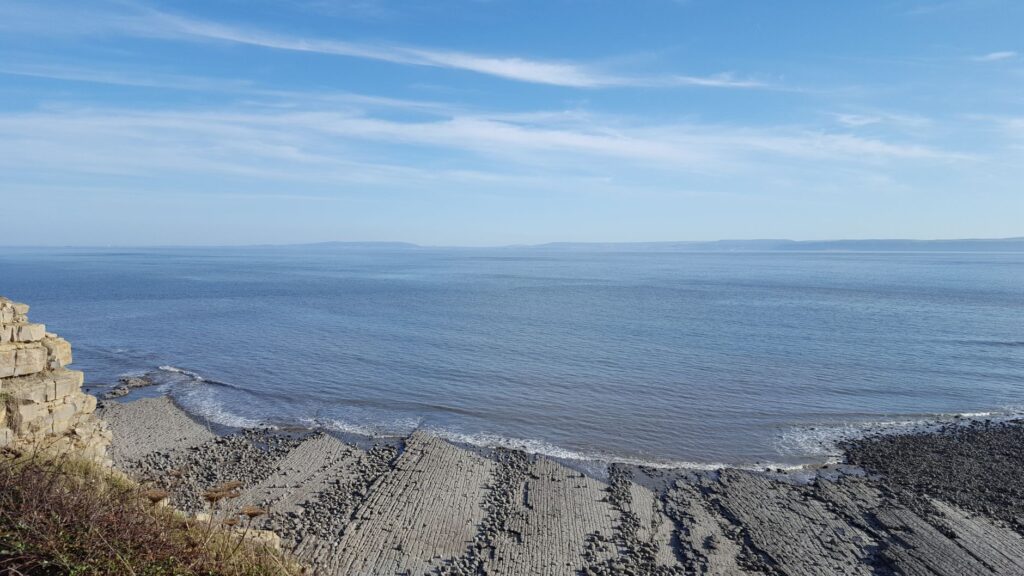
Likewise, hikers must memorize local tide timetables. Many sections at the foot of the cliff, famous for accumulations of ammonite and belemnite fossils, become completely blocked by the sea during high tide, forcing unsuspecting walkers to scramble up dangerous vertical slopes or become trapped. The golden rule is always to check the tide table of the nearest port and plan beach section crossings exclusively during low tide.
Paleontological Heritage and the Ethics of Collection
One of the most notable scientific attractions of the traverse is the opportunity to observe and study Mesozoic marine fossils embedded in the rock or deposited on beaches by landslide action. Towns like Charmouth and Lyme Regis house world-class interpretation centers, where paleontologists and local guides explain the significance of these finds, which in the 19th century revolutionized scientific understanding of Earth’s life history thanks to pioneering figures like Mary Anning.
However, fossil collecting is subject to strict regulations and a rigorous conservation ethics code. The use of heavy tools, high-impact hammers, or chisels on living cliff faces is strictly prohibited, as this practice accelerates artificial erosion and weakens the geological structure, causing dangerous rockfalls. Fossils must be sought exclusively among loose debris and fallen pebbles at the base of the beach, limiting collections to small specimens and reporting major scientific discoveries to local museums.
This respectful coexistence between hiking activity and scientific preservation defines the wilderness experience of the route. The walker is not merely a transient spectator, but a temporary witness to a landscape in constant transformation. Understanding that each rock layer records a mass extinction or a prehistoric climate change brings unparalleled intellectual depth to the daily physical effort of the traverse.
Accommodation Infrastructure and Environmental Sustainability
The network of accommodations along the trail is designed to adapt to diverse profiles of hikers, ranging from rustic campsites and authorized wild camping zones to traditional hostels, family-run bed and breakfasts, and historic coastal hotels. Because wild camping is prohibited across most private lands and protected areas in Dorset and Devon, booking spaces in official campsites or authorized farms well in advance is essential, particularly during the peak summer season.
The impact of mass tourism on the fragile coastal ecosystem has led managing authorities to implement strict conservation policies under the umbrella of the Dorset Area of Outstanding Natural Beauty (AONB). Hikers must strictly adhere to Leave No Trace principles, carrying all waste out of protected natural areas and using recycling bins provided in urban centers. The protection of native cliff flora, such as sea fennel and various species of wild orchids, depends directly on visitor discipline in staying strictly within the waymarked trail alignment.
Furthermore, supporting the local economy through the purchase of regional products in rural pubs and farmers’ markets reinforces the sustainability of coastal communities that maintain the hospitality infrastructure. Artisanal bakeries, local dairies producing the famous Dorset Blue Vinny, and traditional fishmongers offer the traveler an authentic gastronomic immersion reflecting the character of the territory.
Practical guide
- Best time to visit: May through September offers the most stable weather conditions, lower rainfall, and extended daylight hours. The spring months (May and June) stand out for cliffside wildflowers and lower tourist crowding.
- Access and transport: The Lyme Regis railway connection (via Axminster) and the terminal stations of Weymouth and Wool link directly to the British rail network. The Jurassic Coast Bus coastal service facilitates intermediate transfers.
- Recommended gear: Hiking boots with technical traction soles, telescopic trekking poles, high-end windproof shell jacket, 2-liter hydration system, physical Ordnance Survey topographic map, and up-to-date tide tables.
- Permits and regulations: No trail access permit is required as it is a public right of way, but wild camping is prohibited. Detour warning signs around erosion zones and nesting restrictions for sea birds must be strictly respected.
Final Reflection on the Silence of the Cliffs
As the sun begins to set over the English Channel, painting the vertical walls of the Jurassic Coast in shades of ochre and gold, the bustle of daytime visitors completely dissipates. In that moment of quietude, the only enduring sound is the rhythmic cadence of waves striking ancient slabs of stone and the whisper of sea wind combing through hilltop grasslands. It is then that the true dimension of the traverse reveals itself to the traveler.
Walking along this geological edge is not about beating distance records or collecting photographic milestones; it is about tuning one’s biological rhythm to the deep scale of geological time. Every step over chalk and flint connects the human being to a vast planetary narrative, reminding us of our ephemeral presence in the face of the inexhaustible force of sea and earth. The Jurassic Coast bids farewell to the hiker not with material souvenirs, but with renewed mental clarity and the profound respect hard-won after conquering its ancient cliffs.