
Origins and Foundational Vision of the Great Southern Route
The construction of the railway system connecting Chile’s central valley responded not merely to a commercial need for agricultural freight transport, but to an ambitious strategy of territorial unification conceived in the mid-19th century. Under the administration of President Manuel Montt, the Chilean state understood that effective sovereignty over its fertile southern valleys depended on a rapid communication route capable of challenging seasonal river floods and the vastness of rural landscapes. The engineers tasked with the project faced the monumental challenge of tracing a continuous line descending from the metropolitan plateau to the southern lake domains, establishing a logistics corridor that would forever transform the nation’s agrarian economy.
Unlike other Latin American railway experiences financed exclusively by foreign capital for direct extractive purposes, the southern longitudinal railway maintained strong fiscal stewardship in its initial stretches. This administrative decision allowed for the structuring of a layout that prioritized the integration of agricultural communities and intermediate urban centers such as Curicó, Talca, Chillán, and Temuco. The stations erected along this route did not function merely as logistical stops, but as urban catalysts that redesigned the layout of Chilean cities, attracting markets, storage warehouses, and intense social activity around the whistle of steam locomotives.
Iron Architecture in Fluvial Crossings
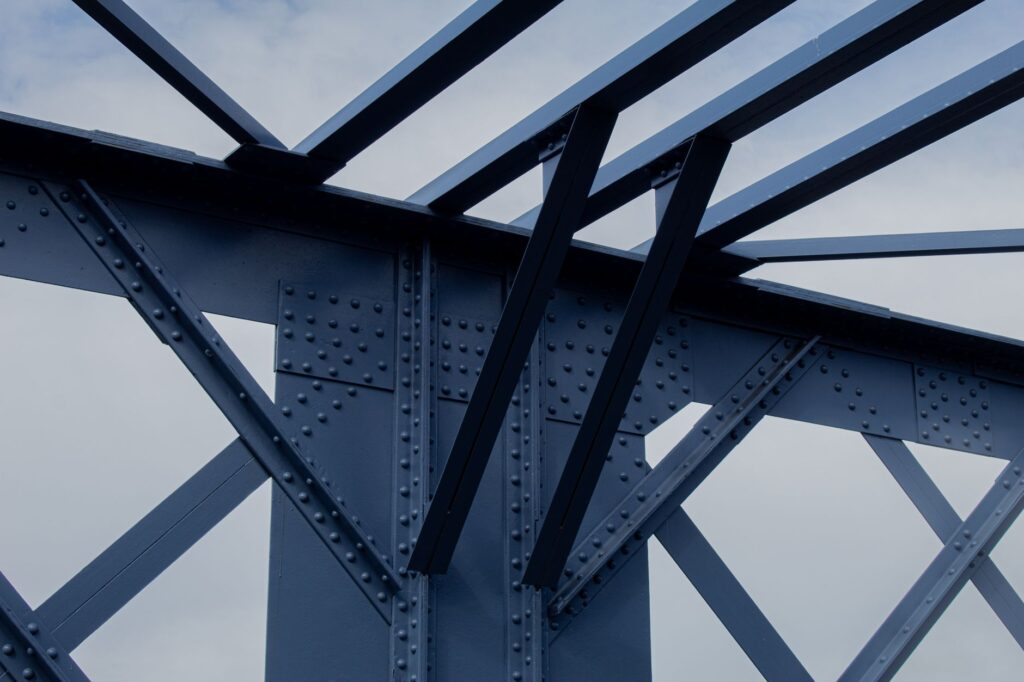
Conquering the geography of the central valley demanded cutting-edge civil engineering solutions for the era, especially when crossing the mighty rivers descending from the Andes cordillera toward the Pacific Ocean. Metal lattice bridges, mostly imported from British and French workshops, became monumental landmarks of the Chilean landscape. Structures such as the viaduct over the Maule River or the multiple bridges crossing the Biobío demonstrated exceptional resistance to the region’s recurring seismic activity, combining the rigidity of riveted steel with the structural flexibility necessary to absorb the energy of tectonic movements.
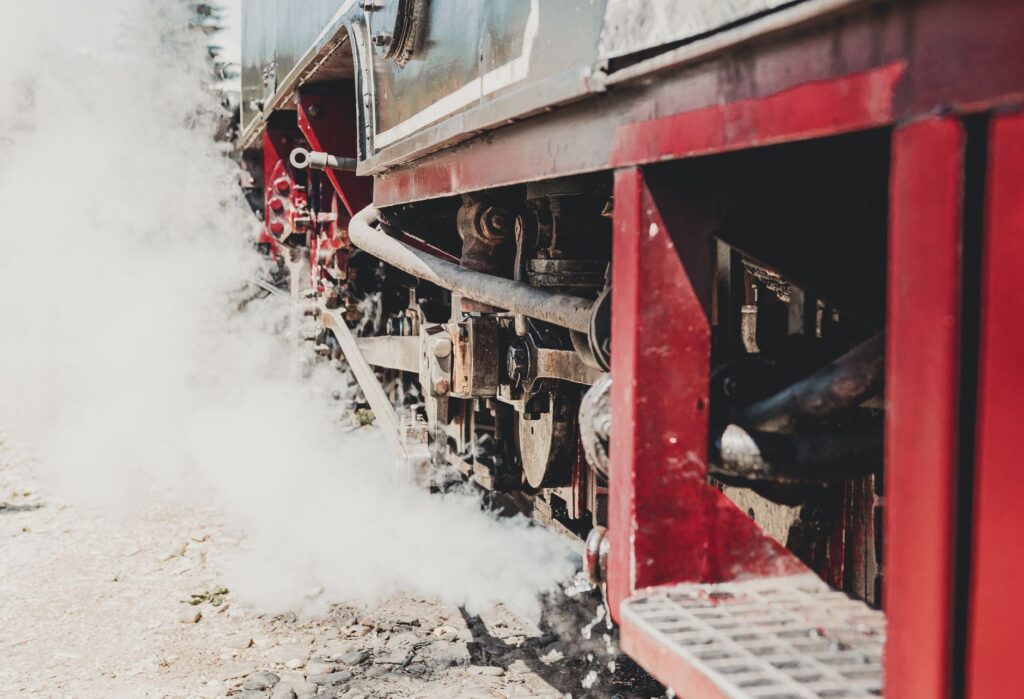
The railway was not merely a duct of material progress, but the invisible thread weaving together the dispersed identity of a long and narrow country.
The design of these engineering artworks considered not only the span of river openings but also the complex dynamics of winter floods and volcanic sediment transport. The ashlar masonry stone piers, erected with millimetric precision by local and European stonemasons, still support today the metal decks that carried the weight of heavy class-57 steam locomotives and, later, diesel railcars. This industrial heritage constitutes an eloquent testimony of technical capability deployed under extreme geographic complexity.
Agricultural Transformation and the Valley’s Economic Pulse
During the late 19th century and much of the 20th century, the southern longitudinal railway acted as the circulatory system enabling the flourishing of Chilean agro-industry. Trains laden with wheat, wine, fruit, and fine timber departed with millimetric punctuality toward export ports and major urban consumer centers. This mass transport capacity unleashed unprecedented economic growth in the southern provinces, allowing agricultural production to overcome geographical isolation and compete in international markets.
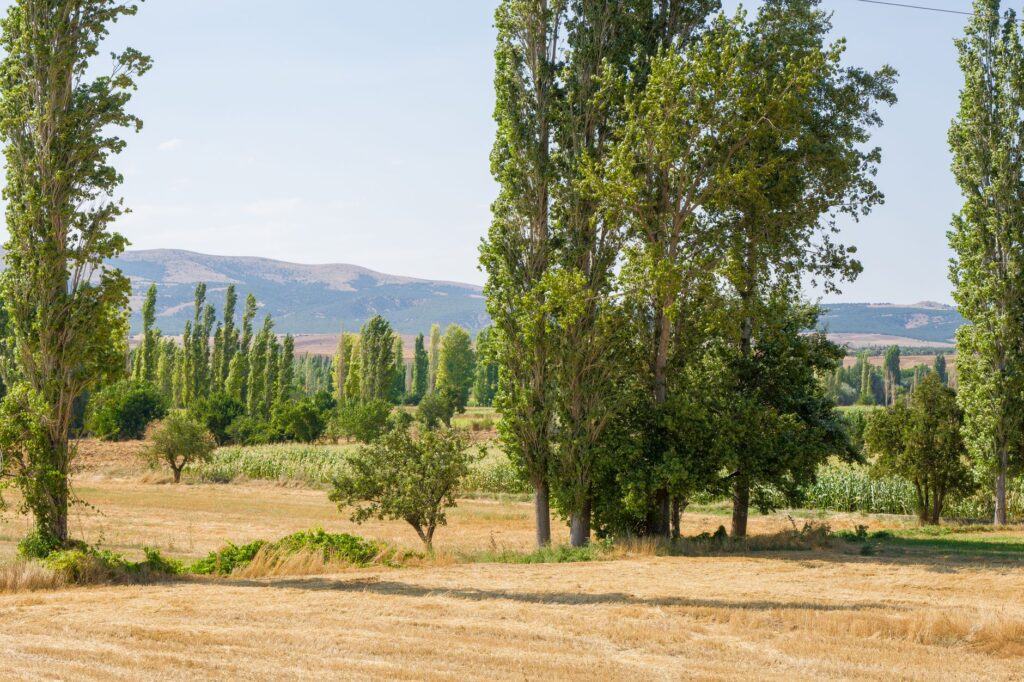
Storage warehouses and private sidings leading to estates and large farms multiplied along the tracks, configuring a productive landscape where intensive agriculture and rail transport formed a perfect symbiosis. Small producers and large landowners alike depended on railway schedules to market their harvests before fruit lost its freshness or grains suffered the ravages of seasonal rains. The train thus consolidated itself as the undisputed arbiter of the region’s economic timelines.
Decline, Fragmentation, and the Modernization Debate
Starting in the second half of the 20th century, the accelerated expansion of paved highway networks and the massification of freight and passenger road transport initiated a systematic process of decline for the Chilean railway network. Public policies prioritized investment in roads, relegating the train to a secondary or marginal role. Numerous branch lines connecting the cordillera to the coast were dismantled, and historic stations suffered progressive abandonment, transforming into silent ruins of an industrial past that many considered definitively extinguished.
However, the logistical collapse and chronic congestion of major highways during harvest periods, coupled with the global climate urgency to reduce transport carbon emissions, have reopened the debate on the need to rescue and modernize railway infrastructure. Urban mobility and territorial planning experts agree that the recovery of commuter and medium-distance services between Santiago and the southern regional capitals represents an inescapable solution to guarantee truly sustainable development within Chilean territory.
Current Renaissance and Commuter Services
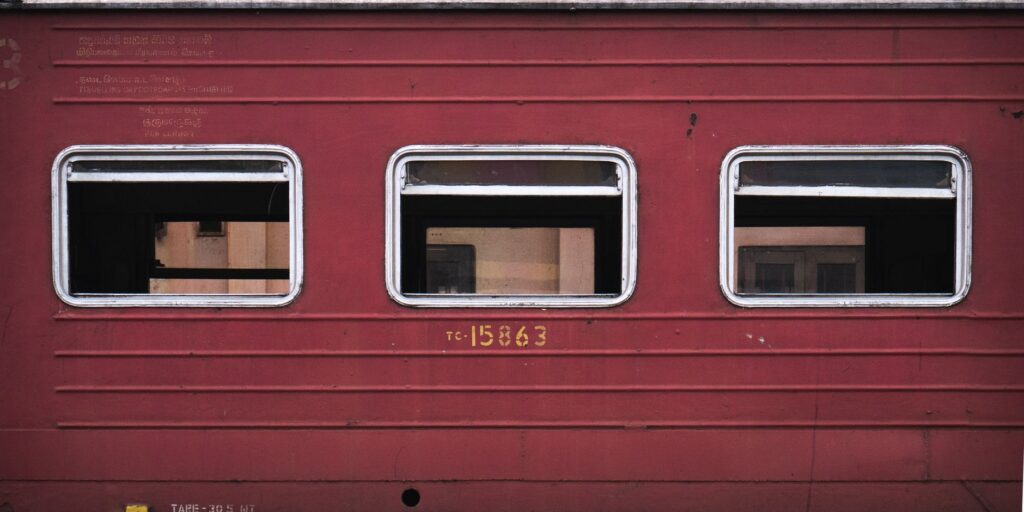
In recent years, the state railway enterprise has driven a significant renewal of its fleet and infrastructure in metropolitan and nearby regional sections. The incorporation of modern Asian-origin commuter trains, equipped with cutting-edge technology, climate control, and universal accessibility, has restored confidence to thousands of daily commuters traveling between Rancagua, Curicó, Chillán, and the capital. These new services not only drastically reduce travel times compared to intercity buses, but offer enviable schedule reliability against the unpredictability of road traffic.
- Comprehensive renewal of railway tracks and electronic signaling systems to allow commercial speeds exceeding 140 kilometers per hour.
- Incorporation of dual-voltage and energy-efficient diesel-electric trains that lower the corridor’s environmental footprint.
- Architectural restoration of heritage stations to integrate them as local civic and cultural centers.
- Implementation of interoperable payment systems and integrated fares with the urban public transport network.
This modernization effort demonstrates that the railway retains an unbeatable comparative advantage in terms of energy efficiency and mass transport capacity per corridor. Recent investments seek to more fluidly connect peripheral urban centers with employment and education hubs, easing pressure on trunk routes and offering a dignified, safe, and environmentally friendly mobility alternative for new generations of citizens.
Living Heritage and Railway Tourism on the Southern Route
Beyond its strictly utilitarian and logistic role, the central valley railway holds incalculable heritage and tourism value, attracting travelers interested in industrial and cultural tourism. Various community and governmental initiatives have begun rescuing historic steam locomotives to operate special tourist trains, allowing visitors to relive the experience of leisurely travel through sunflower fields, century-old vineyards, and native forests. These nostalgic routes have become a complementary economic engine for local towns that once suffered isolation after the suppression of regular services.
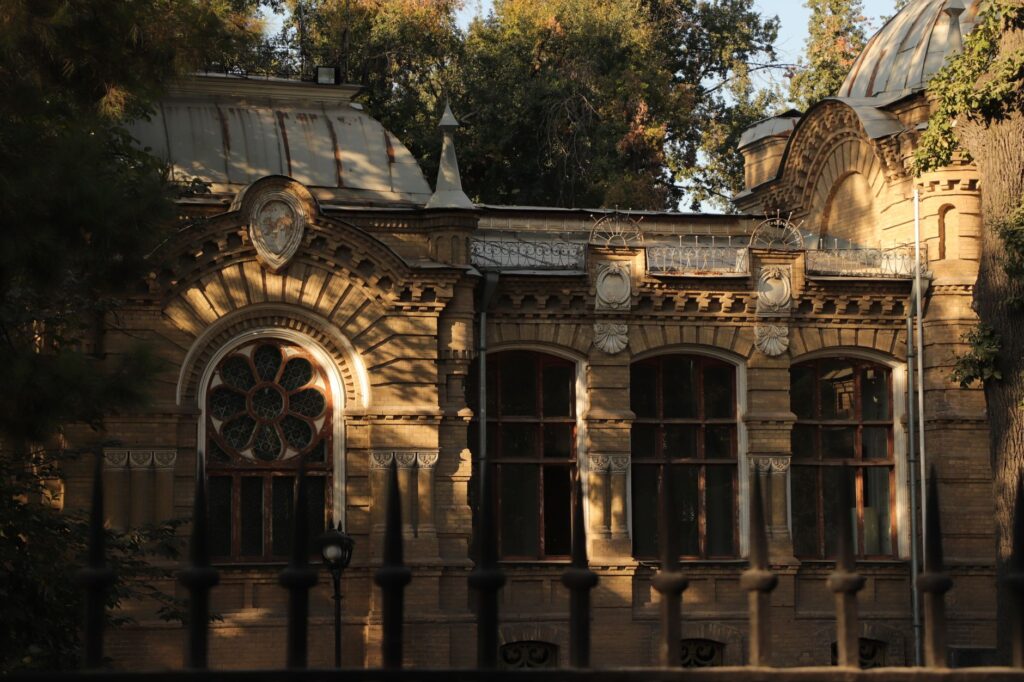
Traveling by train through southern Chile is an invitation to view the landscape through a temporal filter where haste yields to contemplation.
The Route of the Forts and ancient wine cellars integrated into railway circuits offer an immersive experience combining 19th-century engineering history with the excellence of Chilean gastronomy and enology. Local guides recount the epics of builders and the anecdotes of former passengers, transforming each journey into a masterclass of living history. Thus, the train recovers its original vocation as a vehicle of encounters, connecting not only geographies, but also collective memories and deeply rooted traditions in the country’s rural soul.
Practical Guide
Planning a trip to explore the central valley railway corridor requires understanding the current blend of modern services, sections under restoration, and heritage tourism options available in central and southern Chile.
How to Get There and Transport Options
The natural starting point is Santiago’s Central Station, a historic building with a metallic structure attributed to Gustave Eiffel’s school. Regular services toward Rancagua, Talca, and Chillán operate from here. For more southern stretches toward Temuco and Puerto Montt, journeys are complemented by intercity bus connections or special seasonal services operated by railway heritage corporations.
Best Time to Visit
The months between November and December through March (southern spring and summer) offer the most favorable weather conditions to enjoy fully functioning agrarian landscapes, blooming fields, and outdoor tourist circuits. Winter, although rainy, offers scenes of great aesthetic beauty with snow-capped Andean peaks and roaring rivers.
Essential Travel Tips
- Combine train journeys with bicycle rentals or local vehicle hires at key stations like Talca or Chillán to explore nearby wine valleys and nature reserves.
- Strictly obey safety regulations at level crossings and active track areas, remembering that new trains operate at high speeds and lower noise levels than vintage locomotives.
Epilogue: The Train’s Whistle in the Landscape’s Memory
At dusk, when the golden sunlight filters through the rows of poplars flanking the tracks, the steel profile of the southern longitudinal railway seems to merge with the very geography of Chile. It is not merely a layout of rails and ties over fertile earth, but a collective work of art sculpted by generations of workers, engineers, and travelers who wagered on uniting what was scattered. Today, as silent new convoys cross fields at sustained speeds, the distant echo of steam resonates as a perennial reminder that societies caring for their iron routes secure not only their mobility, but also the depth of their historical memory and territorial future.