
Introduction to the Caucasian Corridor and the Subtropical Coast
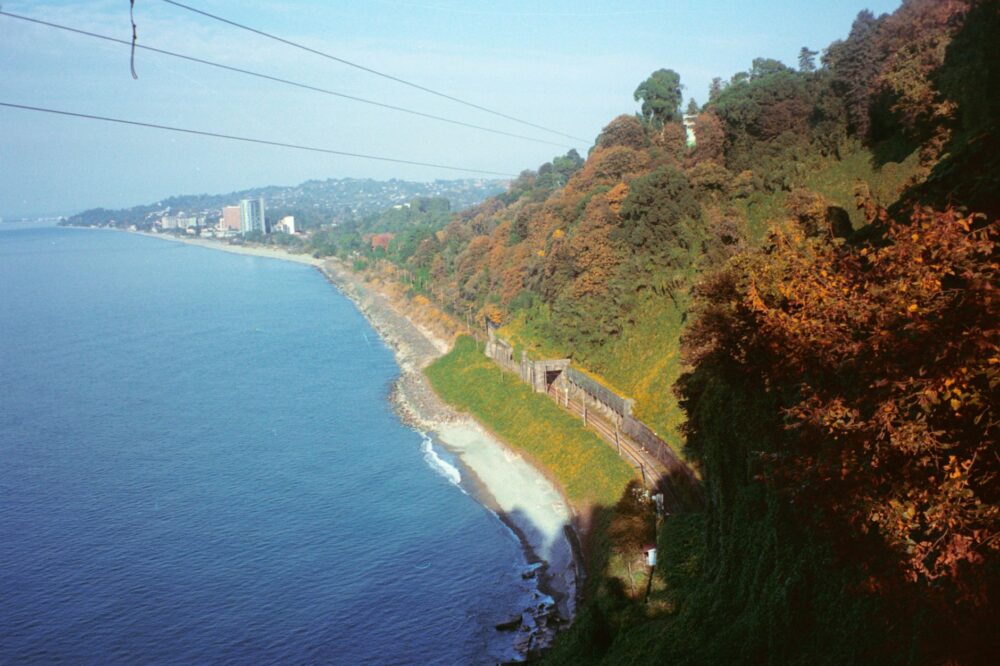
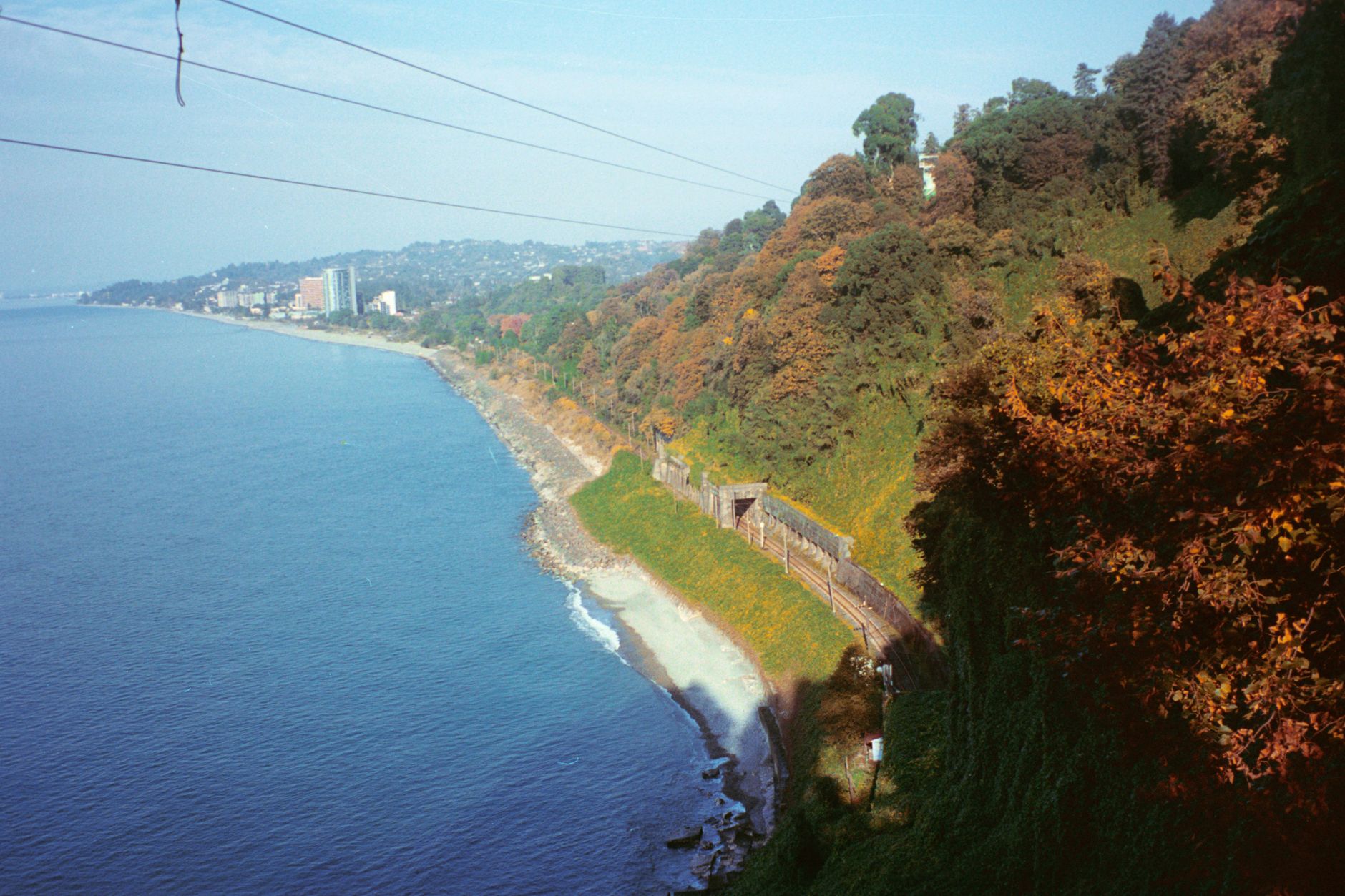
The coastal strip of Adjara, located in the southwestern extremity of Georgia, represents one of the most singular geographical enclaves in Eurasia. Where the western foothills of the Lesser Caucasus range converge with the warm waters of the Black Sea, nature unfolds a complex humid subtropical ecosystem that historically posed a formidable challenge to transport engineering. During the final third of the nineteenth century and the early decades of the twentieth, the necessity of connecting strategic coastal ports—with Batumi at the forefront—to the mountainous interior and the imperial Russian network demanded the design of pioneering railway solutions.
The rail route vertebraling this region is not merely a utilitarian communication line; it is the result of a monumental logistical planning effort that had to overcome abrupt elevation changes, sudden river spates, and a climate characterized by exceptionally high precipitation. Understanding the evolution of this corridor is to delve into the economic history of the southern Caucasus, where Azerbaijani petroleum, local citrus fruits, and the rise of balneological thermalism transformed a modest port of call into an international logistics hub of the first order.
Imperial Genesis and the Topographical Challenges of the Terrain
In the late nineteenth century, the annexation of Batumi by the Russian Empire under the Treaty of San Stefano in 1878 radically altered the commercial geopolitics of the region. The Georgian port quickly became the natural outlet for petroleum extracted from the Baku oilfields, situated over eight hundred kilometers to the east. However, local geography interposed an almost insurmountable barrier: the Surami mountains and the abrupt transition between the Kolchis lowlands and the interior plateau demanded gradients impossible for the convoy systems of the era.
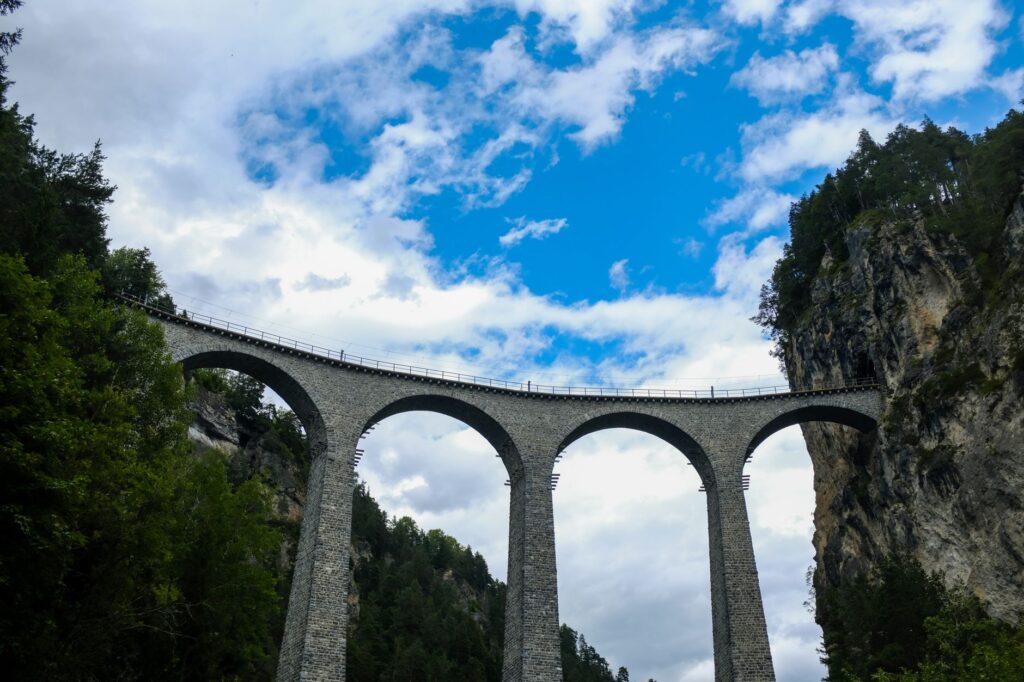
Imperial engineers, collaborating with French and German specialists, devised a series of innovative technical solutions that included the construction of hand-carved stone viaducts, cyclopean retaining walls, and the legendary Surami tunnel, whose completion finally linked the Caspian Sea with the Black Sea without interruption. Local limestone, selected for its resistance to constant humidity and saline erosion, became the fundamental construction material for bridges and stations that still retain their original structural elegance.
Railway Architecture and Century-Old Stations
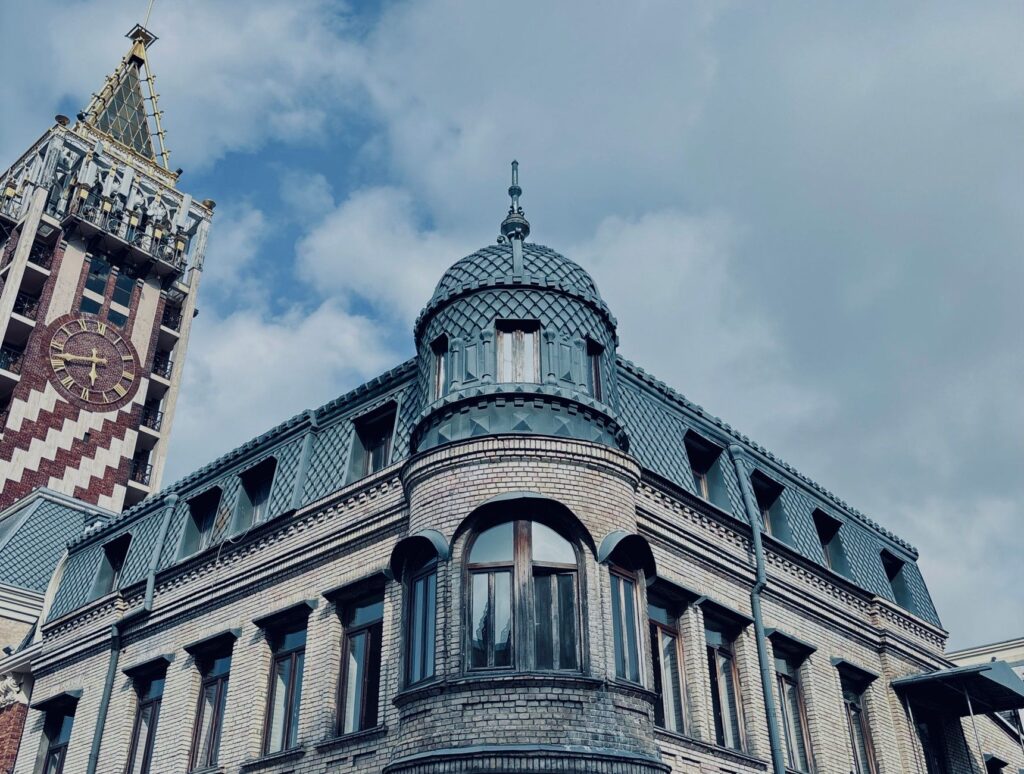
The architectural heritage associated with the Batumi railway system and its sphere of influence reflects the amalgamation of styles that characterized the fin-de-siècle in the Russian Empire, fusing European classicism with vernacular Caucasian elements. Secondary historical stations and maintenance workshops, originally conceived as self-sufficient logistical fortresses, stand out for their steeply pitched gable roofs designed to rapidly shed torrential rains and heavy winter snows.
Among the most notable vestiges are the former freight terminal complex and the port customs warehouses, where engineers combined prefabricated metal structures imported from Central Europe with traditional masonry foundations. These buildings not only housed the technical logistics of steam locomotives but also functioned as collection centers coordinating the transfer of heavy cargo—from refined crude to hardwood and subtropical tea—directly onto steamships navigating the Black Sea.
The Twentieth-Century Logistical Transformation and the Soviet Era
With the establishment of the Soviet Union, the Batumi rail line underwent a comprehensive process of modernization and electrification. The central government’s strategic priority was maximizing the transport capacity of minerals, export agricultural products, and refined fuels, which necessitated doubling single-track segments and widening historical tunnel clearances without interrupting the continuous flow of convoys.
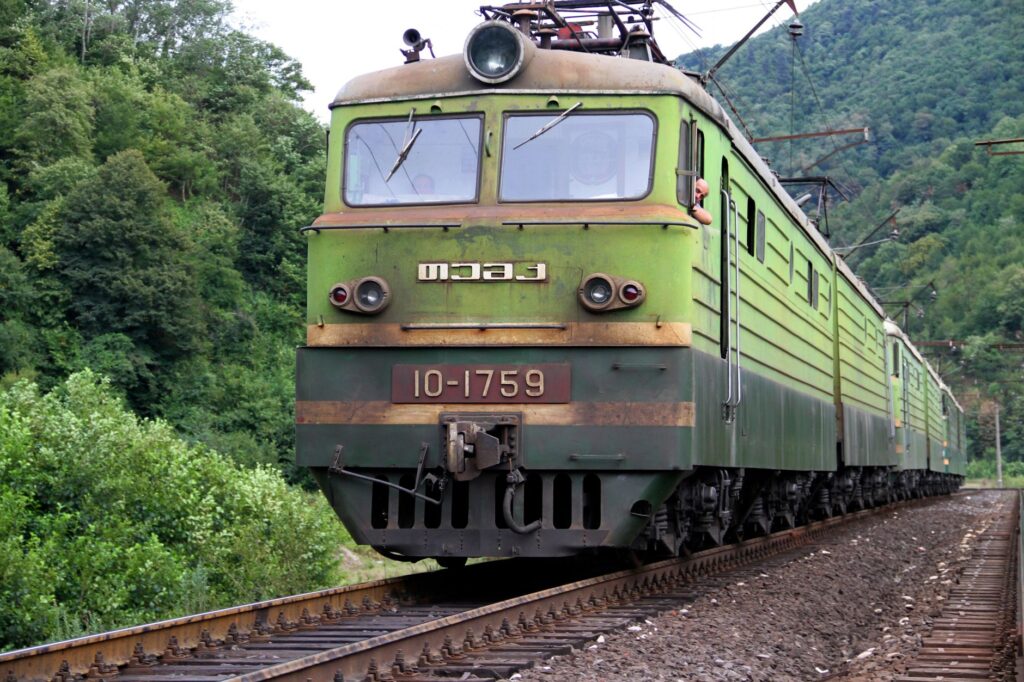
The introduction of electric locomotives specifically designed for steep gradients marked an operational turning point. These machines multiplied the tonnage hauled per convoy, dramatically reducing transit times between Tbilisi and the coast. Likewise, specialized tourist branch lines were created to connect the sanatoriums and resorts of the Adjara coast with major Soviet capitals, consolidating Batumi as the epicenter of summer and thermal leisure throughout the Caucasus.
Maritime Transport and Port Intermodality
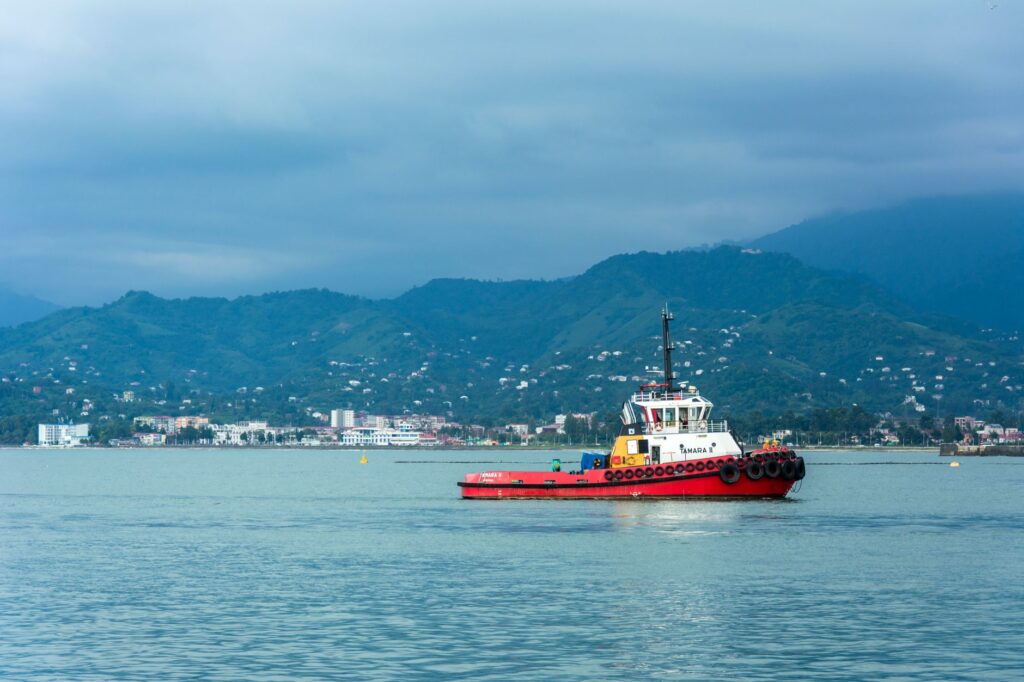
The historical success of the Batumi railway can never be understood in isolation, but rather in its tight symbiosis with port infrastructure. The Batumi harbor basin was conceived from its origin as a natural extension of the rails: the docks were designed with parallel tracks allowing direct unloading from hopper cars directly into cargo holds or node storage warehouses.
This seamless intermodality anticipated modern concepts of global logistics. During the early decades of the twentieth century, port engineers implemented advanced hydraulic systems for the transfer of petroleum and coal, minimizing downtime for merchant fleets. Today, although the composition of commercial trade has evolved toward containerization and international cargo transit within the framework of the Eurasian corridor, the urban layout of rail accesses to the port still respects the original design laid out over a century ago.
Geological Challenges and Contemporary Maintenance
Operating railway infrastructure in a mountainous subtropical environment entails permanent exposure to severe geological risks. Landslides induced by torrential rainfall, fluvial erosion in gorges, and extreme environmental humidity demand constant monitoring and preventive maintenance programs by Georgian railway authorities.
In recent decades, modern engineers have incorporated satellite auscultation technologies and movement sensors on the most critical slopes to detect any sign of instability before it compromises the safety of passenger and freight trains. Furthermore, old metal bridges have been replaced by high-strength reinforced concrete structures while scrupulously preserving, to the greatest extent possible, the exterior aesthetics of heritage elements protected by the country’s historical conservation laws.
The Renaissance of Railway and Cultural Tourism
In the twenty-first century, the Batumi railway corridor is experiencing a second youth driven by the boom in cultural tourism and the revaluation of industrial heritage. Travelers from around the world choose the modern rail connections linking Tbilisi with the Adjaran coast to experience a journey that combines high alpine terrain with the subtropical exuberance of the coastline.
Old stations converted into interpretation centers and preserved historical segments attract enthusiasts of technical history and industrial architecture. This tourism flow not only energizes the local economy but fosters greater awareness regarding the need to preserve a material legacy that nearly vanished during the years of economic transition following the dissolution of the Soviet Union.
Practical guide
How to get there and plan the trip: The primary rail access route to the Batumi corridor is the national line operated by Georgian Railway departing from Tbilisi Central station. Modern Stadler-type trains complete the journey in approximately five hours, offering various service classes with exceptional comfort.
Best time to visit: The spring months (May to June) and early autumn (September to October) offer the most pleasant weather conditions, avoiding the humid heat and crowds of the peak summer season on the coast.
Access requirements and connectivity: Georgia maintains a very open visa-waiver policy for citizens of the European Union, the United States, and Latin America for tourist stays of up to one year. Telecommunications coverage is excellent throughout the main rail route thanks to local operators offering eSIM options.
Unmissable points of interest:
- The historic former Batumi terminal and its restored port surroundings.
- The complex of historical tunnels and viaducts in the Surami gorge.
- The Batumi Botanical Garden, accessible via local transport from the terminal station.
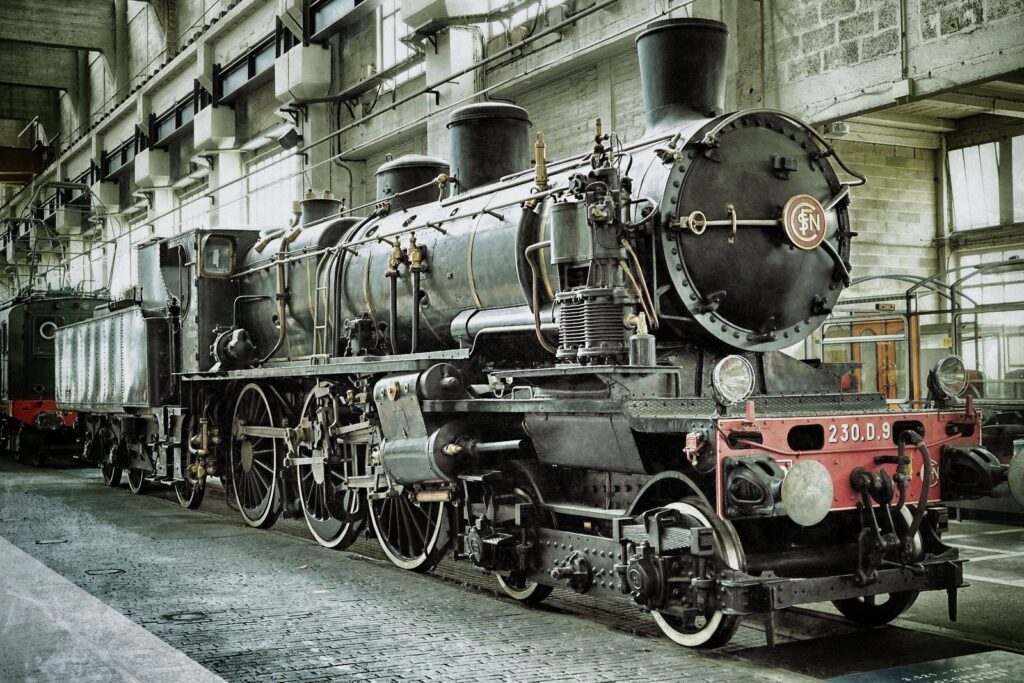
- The Adjara Railway Museum, preserving locomotives and technical documentation from the 19th and 20th centuries.
- The eclectic architecture of the historical boulevard facing the Black Sea.
Epilogue: The Memory of the Rails Beneath Marine Mist
When the last convoy of the day slowly snakes along slopes carpeted in subtropical green and enters the Batumi basin, wrapped in the gentle saline mist rising from the Black Sea, a daily ritual is completed that has repeated almost unchanged for over one hundred and thirty years. At that precise moment, the cold precision of steel bolts, the centennial solidity of hand-carved stone walls, and the human warmth of passengers contemplating the marine horizon merge into a single narrative.
It is no longer merely a transport line intended for commercial exchange or traveler transfer; the Batumi railway survives as a moving monument, a tenacious witness to how human ingenuity succeeded in weaving an iron bridge between the continental depths of Eurasia and the vibrant Caucasian coast, defying time, geography, and the changing maps of history.