
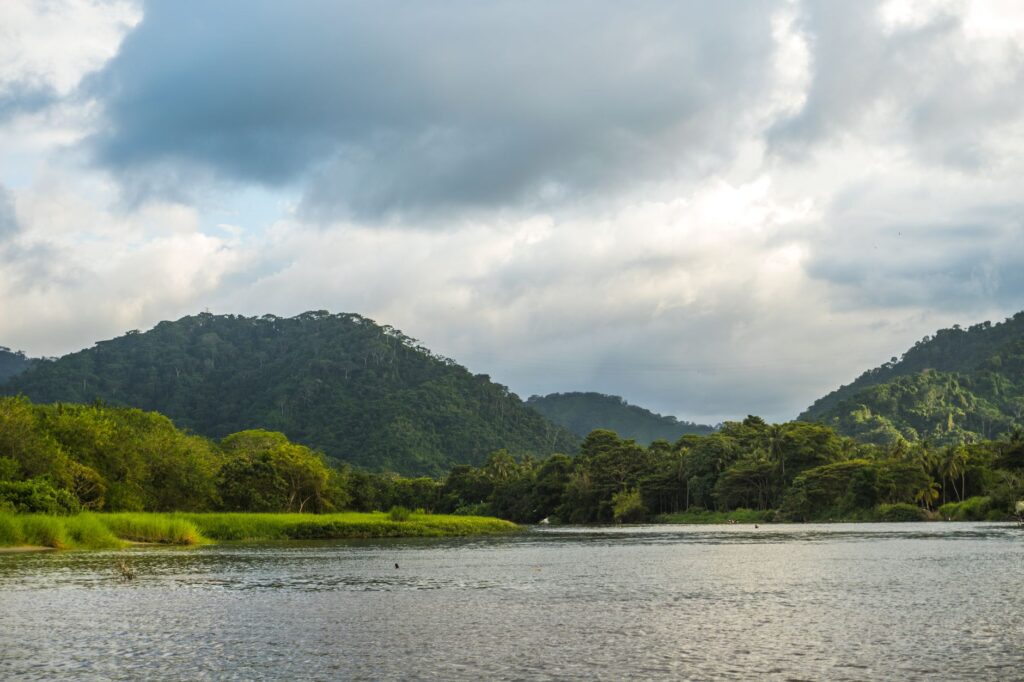
The Magdalena is not merely a river; it is the liquid backbone that has pumped the history, myths, and contradictions of Colombia for centuries. While the great river routes of the world have been plied by tourist fleets for decades, the Magdalena River had remained practically inaccessible to international luxury river cruises. That long hiatus in recreational river navigation has finally come to an end with the arrival of vessels specifically designed to navigate its capricious waters, connecting global travelers for the first time with the artisanal and riverside communities that inhabit its shores.
Aboard one of these new vessels, the AmaMelodia, the journey between Cartagena and Barranquilla transforms into a deep immersion in the human geography of the country. Far from traditional sun-and-sand circuits, this route offers a voyage where the pulse of the water dictates the rhythm of encounters with weavers, potters, and musicians who preserve ancestral trades. The river, with its brown currents and imposing vegetation, acts as a guiding thread that unites the tales of magical realism with the contemporary reality of a territory in transformation.
The Fluvial Renaissance of the Magdalena
During the colonial era and the early decades of the republic, the Magdalena was the vital artery through which commerce, ideas, and people built the nation. The steamships immortalized in Gabriel García Márquez’s literature were responsible for connecting inland ports with the Caribbean coast. However, sedimentation, climate change, and the rise of highways relegated this trade route to obscurity. Today, the return of commercial passenger navigation represents a historic milestone for Colombia’s tourism infrastructure.
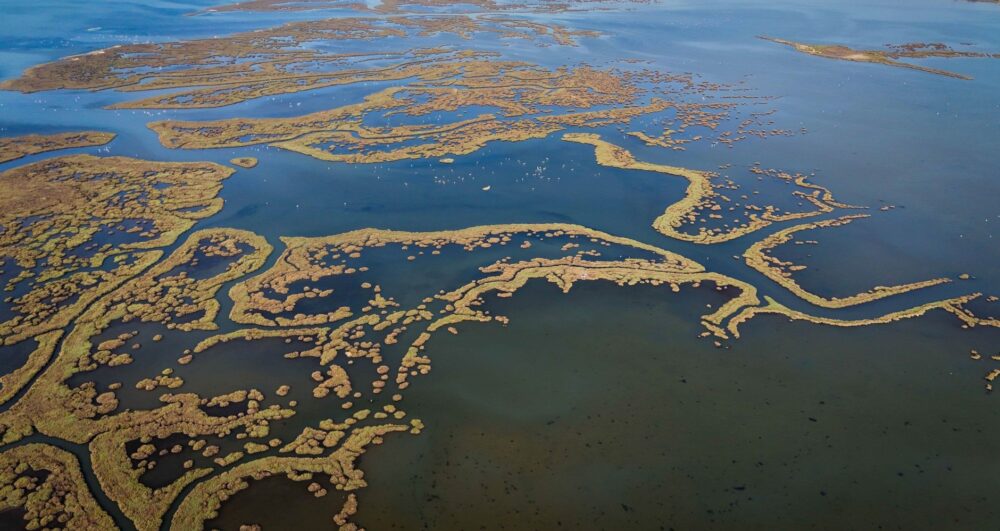
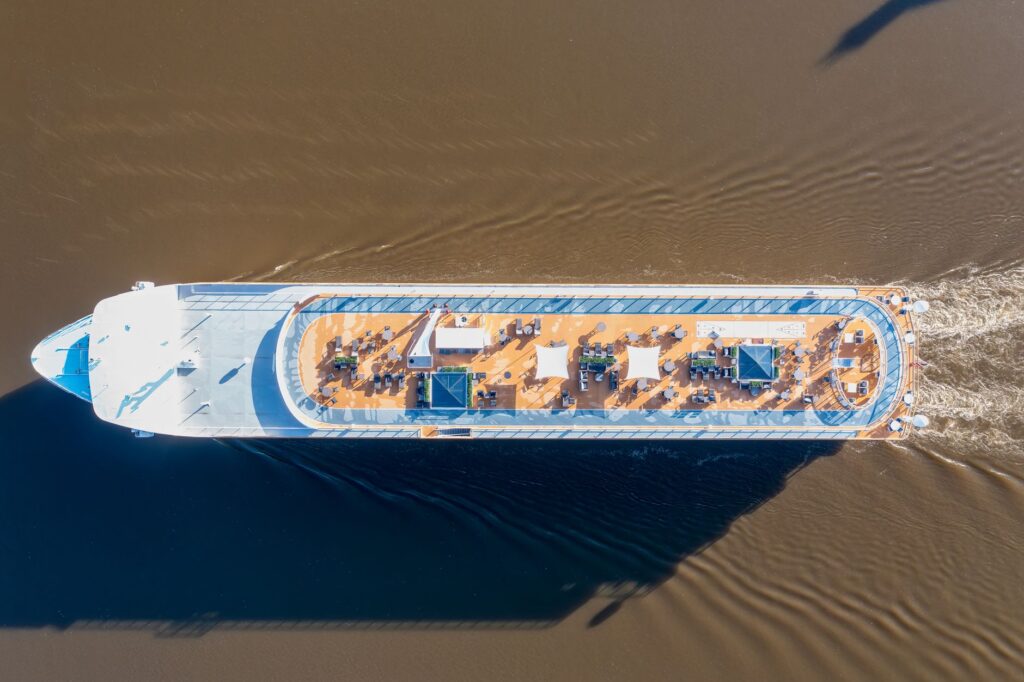
The design of these new vessels responds to the geographical challenges of the river. With a shallow draft and propulsion adapted to changing currents, the AmaMelodia can navigate stretches previously inaccessible to ships of its class. The experience on board combines contemporary comfort with an open architecture that integrates the exterior landscape into every common space. Large windows and panoramic decks turn the voyage into a moving observatory where mangrove forests, stilt villages, and wetlands unfold continuously.
Cartagena and the Northern Gateway
The journey begins within the walls of Cartagena, the colonial jewel of the Colombian Caribbean. Before setting sail, the walled city offers a vibrant contrast to the green solitude waiting inland. The cobblestone alleys and bustling squares serve as a prelude to understanding the historical weight of the northern coast. It is in this port that passengers embark, leaving the open sea behind to enter the network of canals of the Dique that connects with the main channel of the Magdalena.
The Transition from Sea to Freshwater
Leaving Cartagena for the river interior is an exercise in deceleration. As the ship pulls away from the bay, the marine horizon narrows, giving way to a dense network of mangroves and swamps. Local fishermen, stationed in their artisanal canoes, watch the cruise ship pass with a mixture of curiosity and hospitality. This geographical transition sets the tone of the voyage: a gradual abandonment of the tourist coast to enter deep Colombia, where life unfolds to the rhythm of the river’s rise and fall.
Meeting the Master Artisans of Mompox
If there is a focal point in this river route, it is Santa Cruz de Mompox. Declared a UNESCO World Heritage site, this time-frozen river island is home to some of the finest silversmiths and weavers on the continent. Here, the arrival of the cruise ship is not a mass event that disrupts daily life, but an opportunity for direct dialogue between visitors and local creators who keep centuries-old trades alive.
The river does not merely transport goods; it carries memories that artisans shape with their own hands in every filigree and every weave.
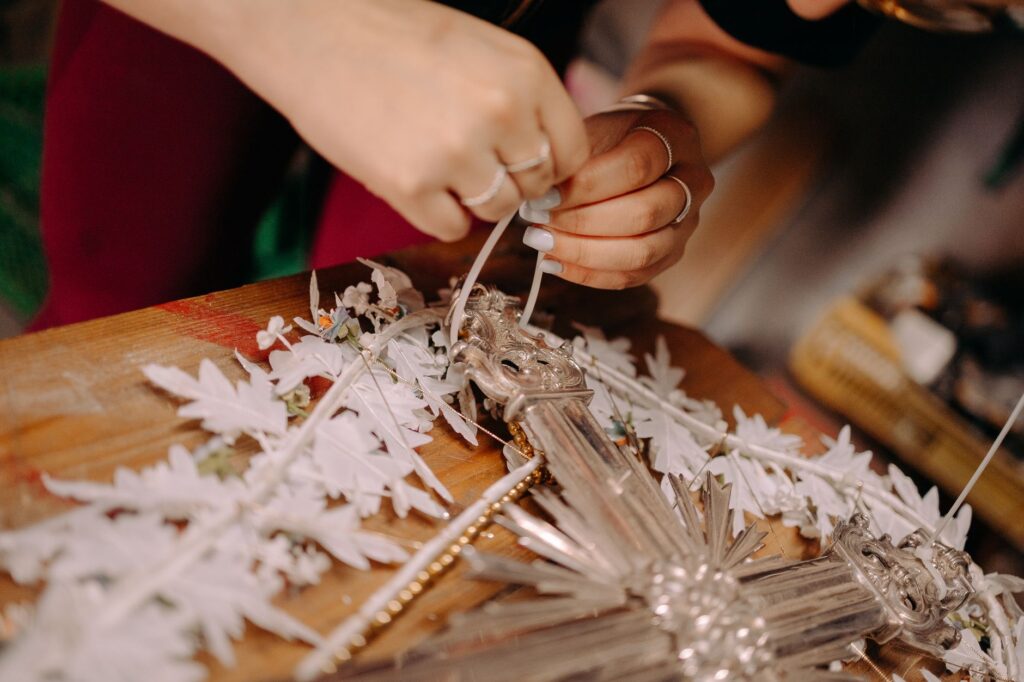
In the silver filigree workshops, set in colonial houses with wide, cool courtyards, master silversmiths demonstrate how hair-thin threads are soldered with millimeter precision to create unique pieces of jewelry. This craft, inherited from Andalusian and Arabized artisans who arrived during the Colony, has become a hallmark of Momposin identity. Travelers have the opportunity to witness the creation process firsthand, understanding the cultural and economic value behind each object.
Basketry and Arrow Cane on the Banks
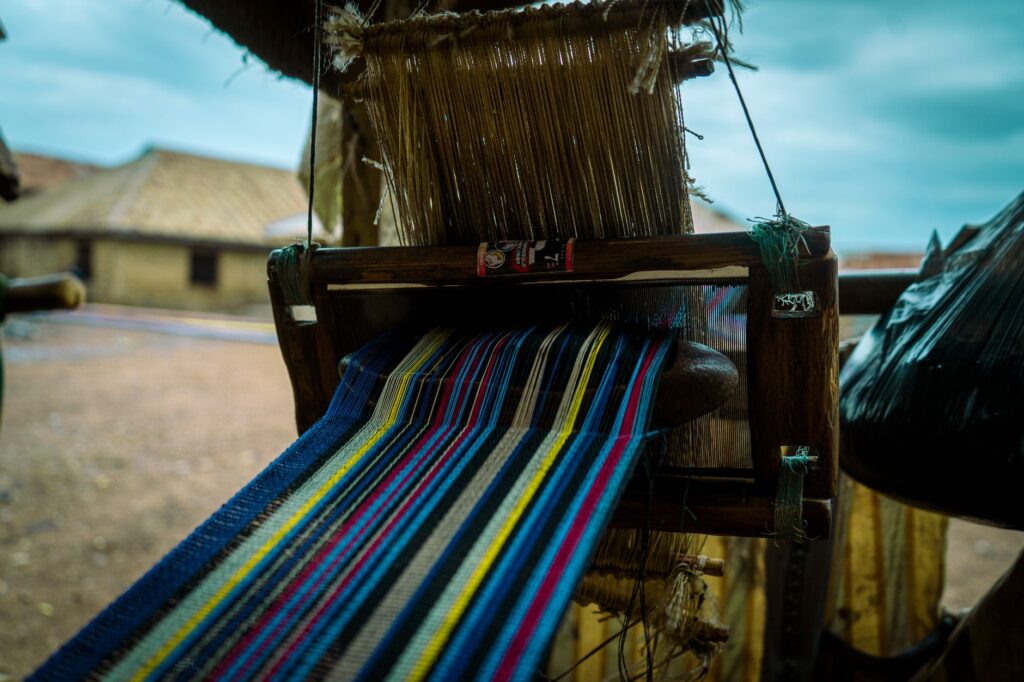
Beyond jewelry, the banks of the Magdalena are home to communities specializing in natural fiber work. In small rural settlements, female artisans weave arrow cane and reed to manufacture hats, mats, and bags that reflect the region’s biodiversity. These encounters allow travelers to grasp the impact of responsible tourism: direct purchases of crafts support the local economy and validate the importance of preserving knowledge that might otherwise be lost to industrialization.
Ribuarine Biodiversity: Fauna and Flora of the Magdalena
Navigating the Magdalena is also stepping into one of South America’s richest biological corridors. Along the route, binoculars become the most sought-after items on board. The riverbanks harbor dazzling birdlife, from great egrets and kingfishers to the majestic osprey. In the swamp and wetland areas, it is possible to spot families of howler monkeys and, with some luck, traces of the Antillean manatee, an endangered species protected by local communities and environmental organizations.
Naturalists aboard the cruise offer daily lectures on river ecology, explaining how flood cycles nourish soils and allow gallery forests to thrive. This scientific approach enriches the visual experience, transforming the landscape into an open book on the resilience of tropical ecosystems facing human pressure and climate change.
Amphibian Culture and Music in Riverside Communities
Life on the Magdalena is inseparable from what Colombian sociologist Orlando Fals Borda termed amphibian culture. The populations inhabiting the riverbanks have learned to coexist with water, building stilt houses and adapting their movements to the floods. This way of inhabiting the world translates into unparalleled musical richness. Porro, cumbia, and vallenato are not mere commercial genres, but sung chronicles of the relationship between man and river.
At several scheduled stops along the route, local folkloric groups welcome travelers with spontaneous performances by the water’s edge. The sound of the alegre drum, the gaita flute, and the accordion resonates under the shade of century-old samán trees. These moments of cultural exchange break the barrier between visitor and host, generating spaces for dance and conversation where language becomes secondary to the expressive power of music.
Barranquilla: The Delta and the Mouth
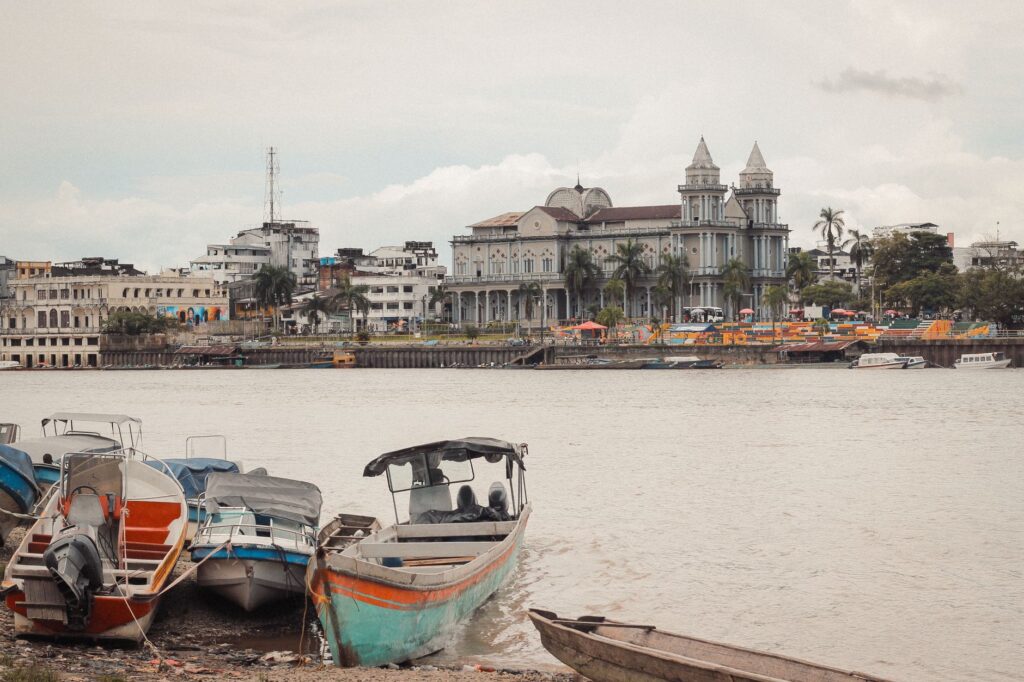
The final leg of the journey leads to Barranquilla, the Golden Gate of Colombia, where the Magdalena River finally empties into the Caribbean Sea at a point known as Bocas de Ceniza. This large industrial and port metropolis offers a fascinating contrast to the tranquility of the riverside towns visited in previous days. It marks the end of a journey that reveals the sheer scale of a current flowing more than a thousand kilometers from the Andes to the sea.
Bocas de Ceniza and the Power of the Final Meeting
At Bocas de Ceniza, the brown, sediment-rich waters of the Magdalena mix with the intense blue of the Caribbean Sea in a visible line of currents and colors. This natural spectacle symbolizes the culmination of the journey: the river delivers its cargo to the ocean, closing a geographical and human cycle that began days earlier on the docks of Cartagena. Travelers disembark with a renewed perspective on Colombia, far removed from stereotypes and centered on the complex richness of its people and waters.
The Magdalena teaches us that the true luxury of travel does not lie in isolation, but in the capacity to connect with the living memory of the territories we traverse.
Practical guide
How to get there: The river route operates between Cartagena and Barranquilla. International airports in both cities receive direct flights from major hubs in North America and Europe.
When to go: The best time for the voyage is during the dry season, between December and April, when river levels are most stable and land excursions are facilitated.
Recommended duration: River cruises typically last 7 to 8 nights, allowing for leisurely stops in Mompox and smaller riverside towns.
What to pack: Lightweight linen or cotton clothing, comfortable walking shoes, a wide-brimmed hat, biodegradable sunscreen, and quality binoculars for wildlife observation.
Health and requirements: Yellow fever vaccination is recommended. It is advisable to consult a travel medicine specialist regarding tropical zone prophylaxis prior to departure.
Currency and payments: The Colombian peso is the official currency. While international cards are accepted on board, carrying local cash is useful for purchasing crafts directly from artisans in the towns.
Sustainability: Choose operators that demonstrate a genuine commitment to local communities and the environmental conservation of the river corridor.
Source: Condé Nast Traveler (https://www.cntraveler.com/story/on-colombias-magdalena-river-a-new-cruise-is-connecting-artisans-and-travelers)