
There is a very fine line between mindful adventure and self-inflicted hardship, and it is usually paved with Patagonian mud, slippery roots, and vertical inclines that defy human biomechanics. I traveled to the far south of Chile with a modest ambition: to shed my overly cautious urban running habits and truly understand what it means to move with fluidity through one of the most untamed ecosystems on the planet. The promise was a specialized trail running retreat nestled deep within the Valdivian temperate rainforest, a landscape where rain is not a weather anomaly, but the master conductor orchestrating a symphony of giant ferns, ancient alerces, and rushing rivers.
Over the course of six days, this corner of the Los Ríos region transformed into an open-air classroom where I learned that speed in the mountains is an illusion, and that true victory lies in endurance, breath control, and the ability to embrace cold, dampness, and profound fatigue as traveling companions. This is the chronicle of how a diverse group of sport enthusiasts challenged their own limits beneath the shifting skies of the Chilean Patagonia.
The Baptism of the Cold Jungle: Geography and Climate
Landing in southern Chile is an immediate lesson in the scale of a territory that operates entirely on its own terms. The Valdivian rainforest is one of the few temperate rainforests in the Southern Hemisphere, a biodiversity refuge where trees grow aggressively toward both sky and soil, carpeting every inch of surface in brilliant green moss. Here, the climate does not accommodate; it dictates. Mornings typically begin with a dense fog that clings to the skin before giving way to sudden downpours that test the waterproof membranes of any technical gear.
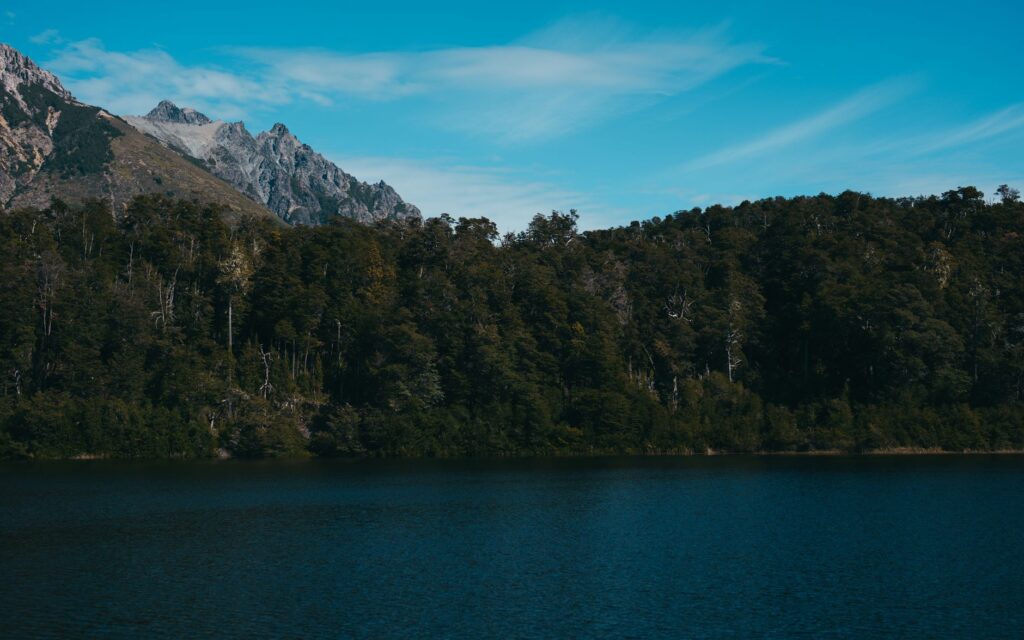
Our basecamp sat near the edge of Andean piedmont lakes, a dramatic setting where freshwater cascades down from mountain peaks to merge with fjords and valleys carved by ancient glaciers. The air smells of organic dampness, wet earth, and resinous wood. There is no acoustic pollution or cellular reception; the only constant sound is the patter of raindrops on coigüe canopies and the muffled roar of streams cutting across the trails. In this environment, physical fitness is merely a prerequisite; true resilience requires the mental willingness to surrender to the overwhelming presence of the landscape.
The Science of the Footstep: Technique in Technical Terrain
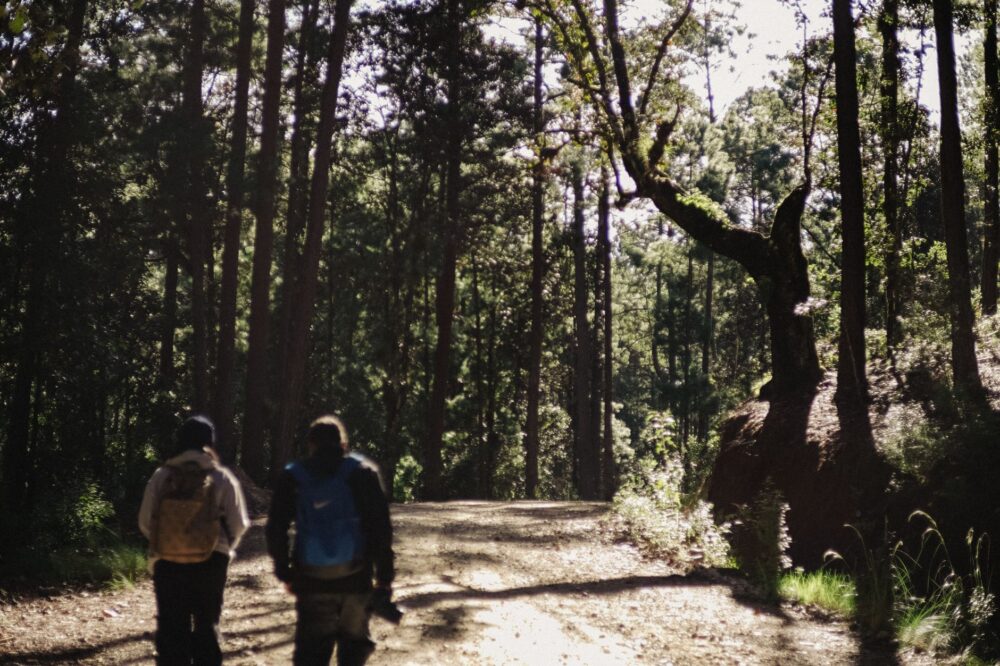
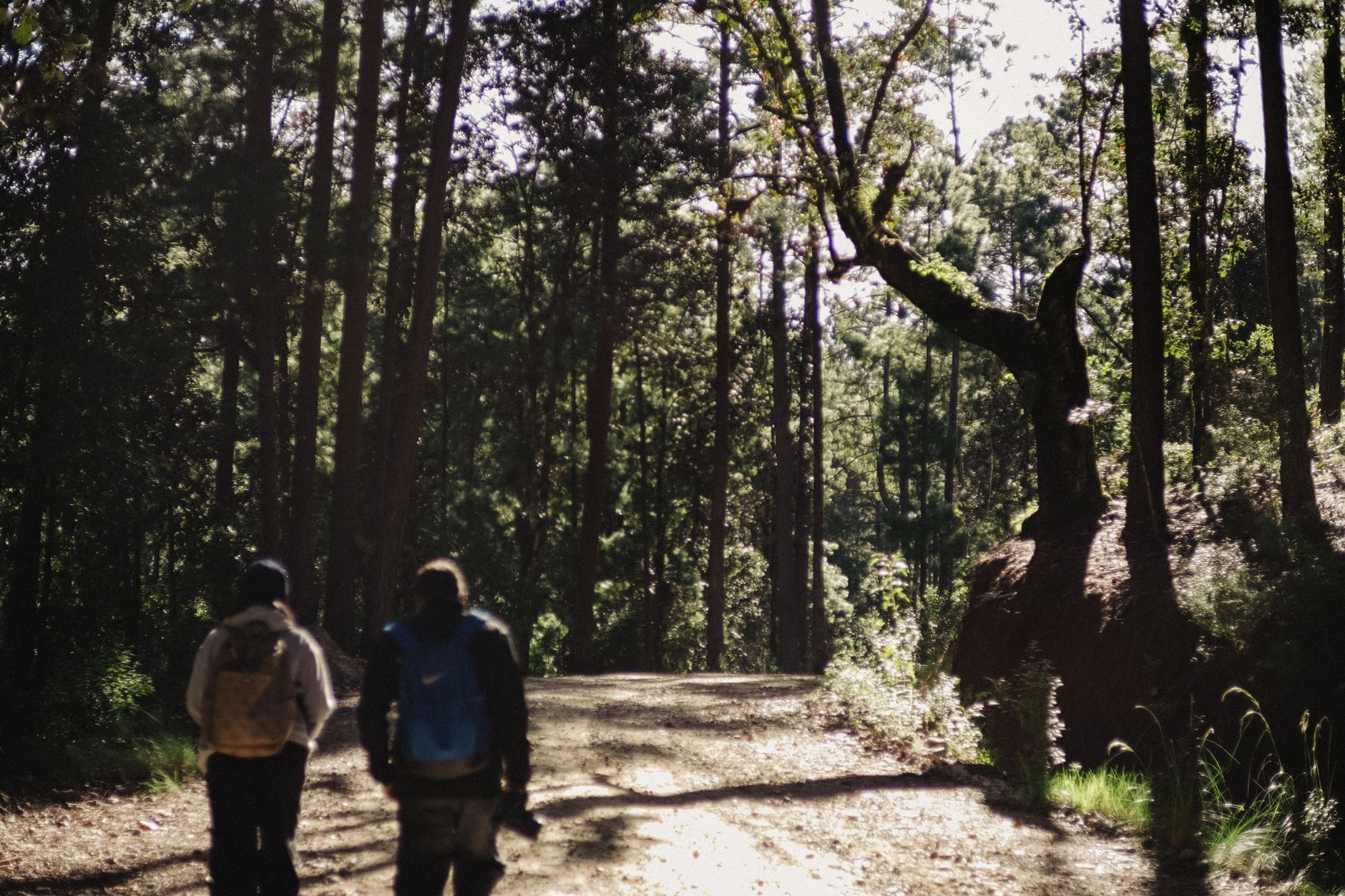
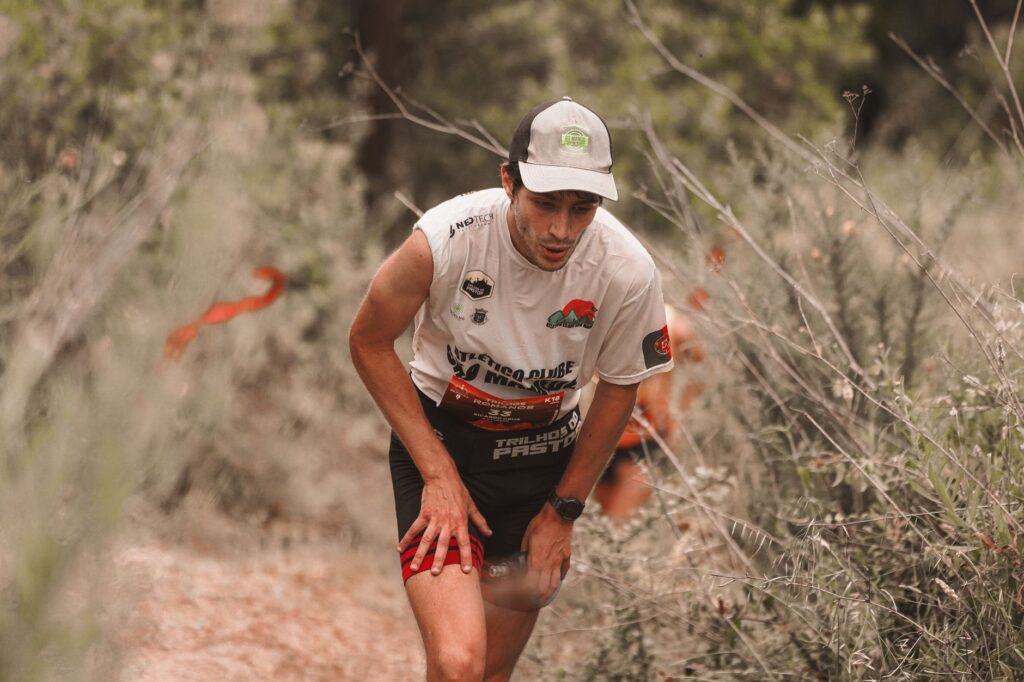
Running on asphalt is an exercise in rhythmic repetition; running in the Valdivian rainforest is a continuous game of chess where every foot placement must be calculated in milliseconds. During the initial technical sessions led by local guides, I realized my urban running habits were entirely useless. Striking with the heel on a Patagonian trail is a direct invitation to a spectacular fall. The secret lies in midfoot striking, keeping the center of gravity low, and using the arms not just for balance, but as traction springs.
Exposed roots, polished to a high gloss by constant condensation, act as invisible stakes. Loose volcanic stones demand sharp peripheral vision, capable of reading the trail three steps ahead while legs burn from accumulated exertion.
The mountains do not teach you to be faster; they teach you to be humbler and to read the earth as if it were an ancient map.
I learned to look down without losing sight of the horizon, pacing efforts on endless ascents and relaxing my quadriceps on technical descents where vertigo threatens to freeze reflexes. Every completed kilometer was a masterclass in how fatigue warps our perception of space and time.
The Trail Tribe: Group Dynamics and Personal Growth
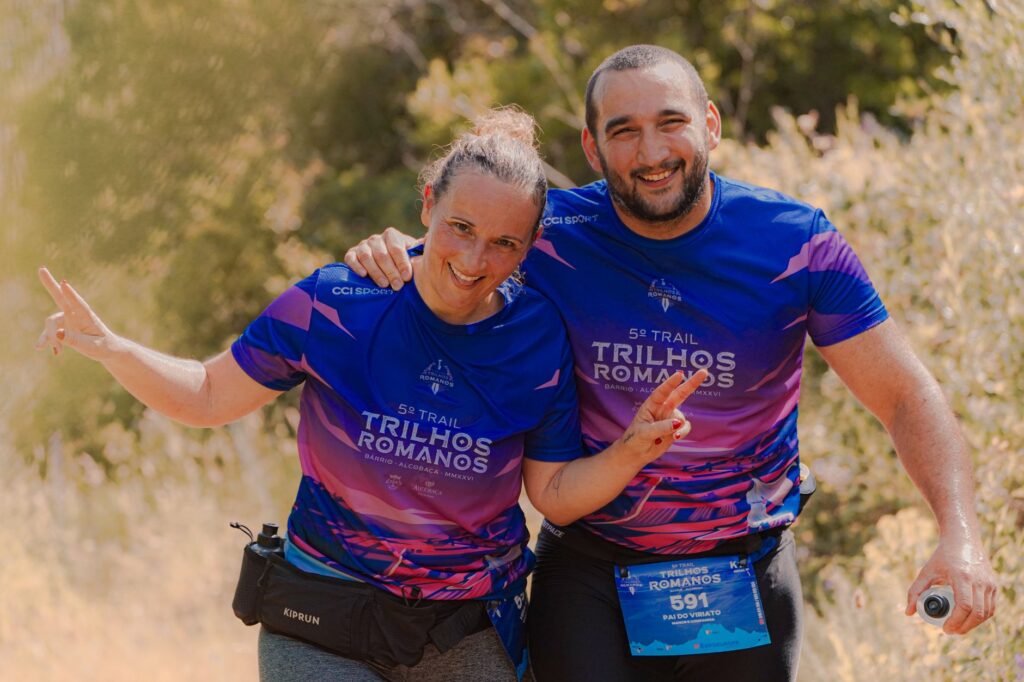
A retreat of this nature is not a solitary endeavor, but an exercise in shared vulnerability. Our group brought together wildly diverse backgrounds: city marathoners seeking a radical disconnect alongside outdoor enthusiasts with limited experience in steep vertical gains. By the third day, differences in pace and origin dissolved under persistent rain and shared physical effort. Conversations during brief rests revolved around blisters, sore muscles, and the strange euphoria triggered by endorphins released deep in the wild.
Camaraderie in trail running has a distinct texture. There is no competition or official timing chips; there is mutual support on exposed ledges, an outstretched hand to clear a muddy trough, and collective celebration upon topping out on a ridge overlooking southern lakes. In these stretches, the runner’s solitude transforms into a sense of belonging to an ephemeral yet intense tribe. Sharing water flasks, dividing energy bars, and laughing at our own mud-soaked tumbles forged bonds rarely formed in the routine of major cities.
Natural Architecture: Refuges and Footbridges at the Edge of the World
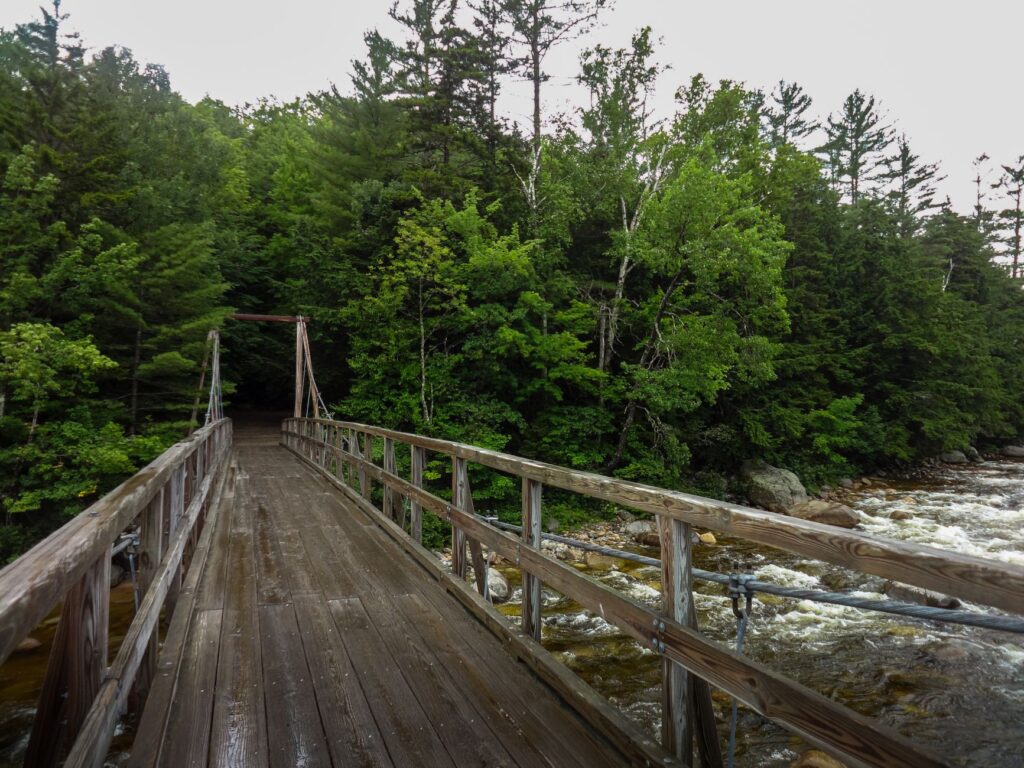
Human intervention along these trails is minimal, yet when it appears, it does so with a respectful elegance that converses directly with the surroundings. Suspension bridges made of native timber crossing fast-flowing rivers are masterpieces of artisanal carpentry designed to withstand extreme humidity without altering natural water flows. These structures, built with organically treated local woods, blend into the landscape as if they had stood there for millennia.
Mountain shelters and supply outposts strategically distributed along the routes combine alpine functionality with the warmth of southern architecture. Featuring pitched roofs engineered to handle heavy water runoff and large picture windows framing forested valleys, they offer necessary respite when weather turns harsh. Inside, the scent of wood-burning stoves contrasts sharply with the chill outside, creating a sanctuary to dry technical apparel, review topographic maps, and plan the days ahead beside a steaming mate.
Tastes of the Land: Patagonian Nutrition and Larder
Caloric expenditure on such demanding terrain requires rigorous attention to nutrition, and local gastronomy became a fundamental pillar for physical recovery. Far from relying solely on industrial energy gels, our diet during the retreat celebrated the larder of Los Ríos. Mornings began with warm kneaded bread, farm eggs, and homemade jams made from maqui and calafate, native wild berries packed with antioxidants essential for fighting muscle inflammation.
At dinners, following long hours in the drizzle, main courses honored Chilotan and Valdivian traditions. Hearty legume stews, pasture-raised lamb, and river fish prepared bodies for the miles ahead.
Food in the mountains ceases to be a mere nutritional transaction and becomes a welcoming ritual that rewards effort and restores warmth to the body’s core.
Each ingredient told a story of local provenance, reinforcing the connection between physical exertion and the earth we were treading.
The Cultural Pulse: Myths and Legends of the Damp Forest
Running through the Valdivian rainforest is not merely physical activity; it is also moving through a landscape densely populated by myths and invisible presences. During pauses in the densest sections of the forest, our local guides introduced us to Mapuche cosmology and rural Chilean folklore, where every watercourse, every centenarian tree, and every rock formation holds a story or a guardian requiring respect.
Tales of the *Caleuche* or creatures inhabiting secluded forest clearings added layers of mystery to our advance. When evening light began filtering obliquely through alerce branches, forest shadows acquired a cinematic quality. This cultural dimension brought unexpected depth to the retreat: aching legs and tired arms transformed into parts of a broader dialogue with a land demanding respect, attentiveness, and profound awareness of our place in the ecosystem.
Practical guide
Essential information for planning a trail running experience in the Valdivian rainforest of Chile’s Los Ríos region.

- Getting There: The primary access point is Pichoy Airport in Valdivia, connected via daily flights from Santiago. From there, ground transportation (4×4 vehicle recommended) is required to reach the region’s mountain and lake sectors.
- Best Time to Visit: Months between November and March (Southern spring and summer) offer the most favorable temperatures and lower probability of extreme storms, though rain remains an unpredictable constant.
- Essential Technical Gear: Trail running shoes with high-grip outsoles (Vibram or similar with deep lugs), breathable waterproof membrane (Gore-Tex or equivalent), collapsible carbon poles, 10-12 liter hydration vest, and synthetic or merino wool thermal layering systems.
- Safety Precautions: Patagonian weather is intensely variable. Registering routes with certified local guides, carrying satellite communication devices in areas without cellular coverage, and maintaining consistent hydration and nutrition are mandatory practices.
Silence on the Ridge: Inner Transformation
The retreat’s final day dawned with an unusual meteorological truce: clear skies revealing snow-capped volcanic peaks in the distance, sharply etched against a deep blue backdrop. Our final ascent did not seek to chase times or prove endurance, but to consolidate accumulated lessons. Stepping onto the final ridge, cold wind stinging our cheeks and the vastness of the Patagonian landscape stretching to the horizon, I understood the true goal had never been running faster, but learning to match our own rhythm to the pulse of the natural world.
I returned home with legs scarred by brush scratches, sore muscles, and unshakeable certainty. The Valdivian rainforest had stripped away my urban certainties and taught me that strength does not lie in the absence of difficulty, but in the elegance with which we choose to traverse it.
Source in EN: Condé Nast Traveler