
Introduction to the Trans-Indochinese Railway
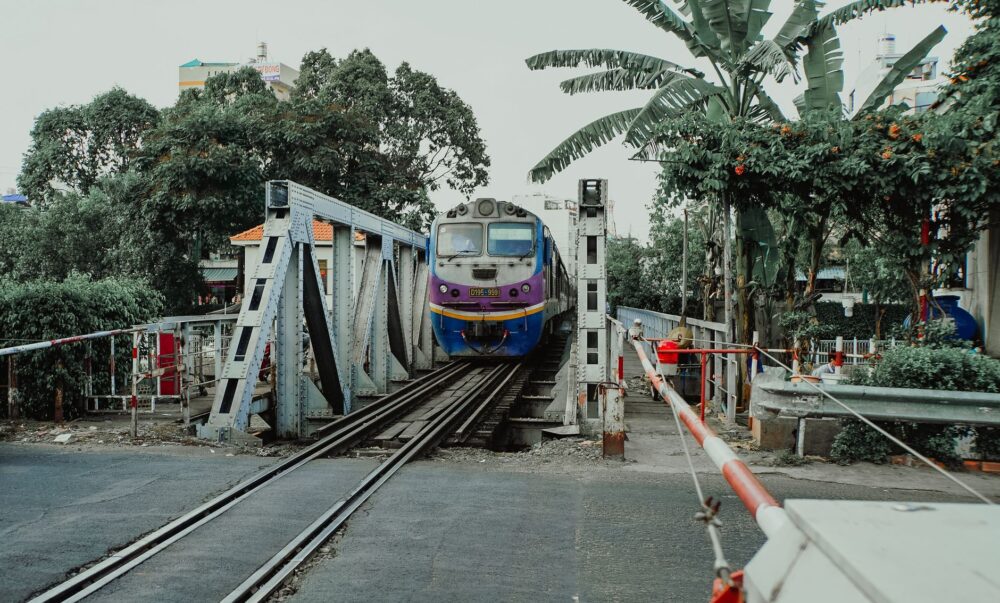
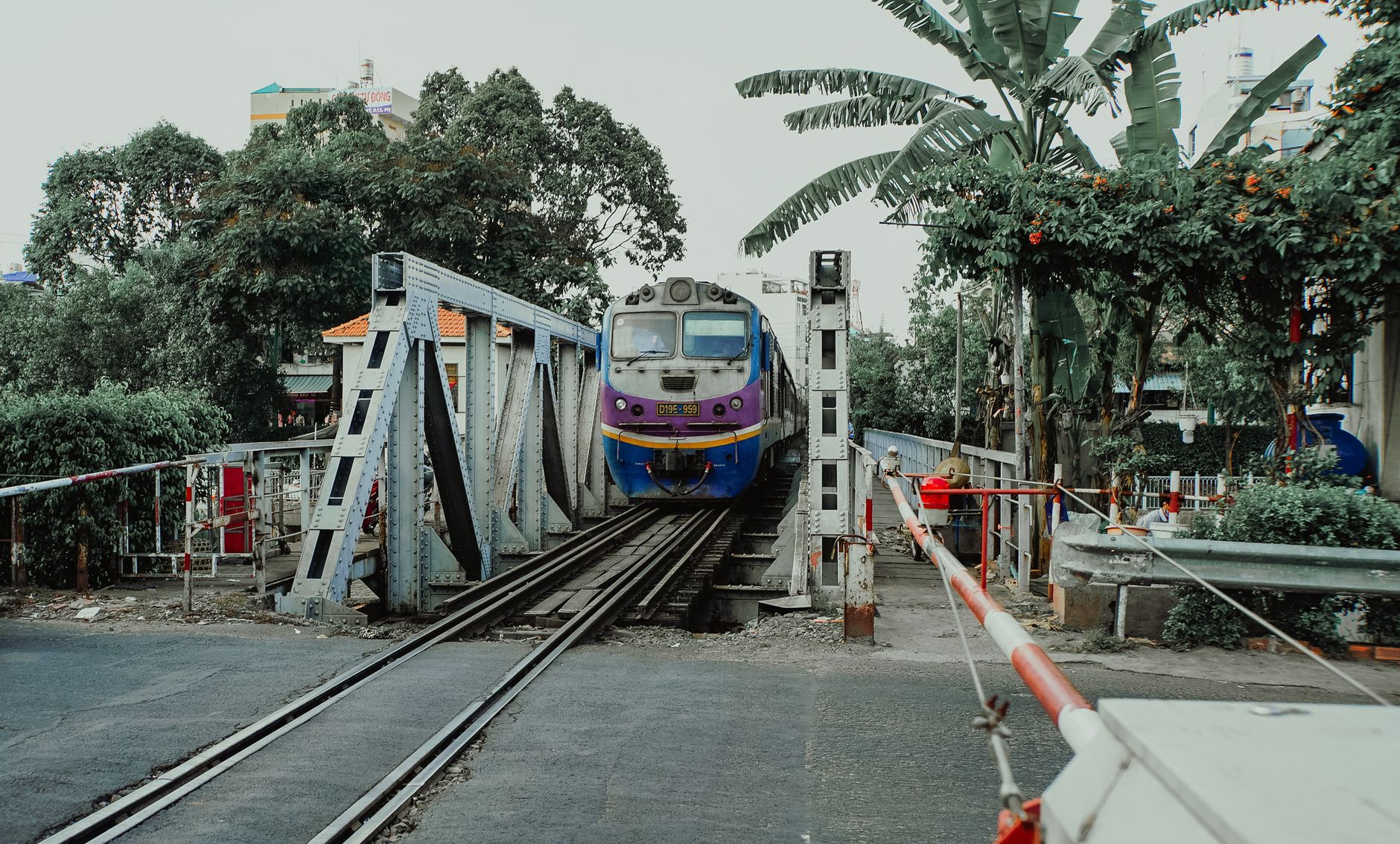
The territory of Vietnam extends across more than three thousand kilometers of winding coastline, a geographic profile that has historically dictated both the subsistence of its communities and its major civil engineering projects. Against this backdrop of extreme contrasts, where northern karst peaks collide with swampy southern deltas, the Trans-Indochinese Railway—locally known as the Reunification Express—stands as one of the most fascinating transport arteries in the Asian continent. Partially inaugurated at the beginning of the 20th century under French colonial administration and consolidated after decades of wartime reconstruction, this single-track corridor connects Hanoi with Ho Chi Minh City along a route that defies the caprices of the monsoon and the rugged coastal topography.
Embarking on this journey is not merely an exercise in geographic displacement, but a profound immersion into the industrial archaeology and logistics of a country undergoing rapid economic transformation. While commercial aviation absorbs the bulk of passenger traffic and toll highways fragment the landscape, the train maintains an irreplaceable relevance. It functions as a chronometric clock connecting isolated rural communities, transporting essential freight, and offering the traveler a deliberate, rigorous, and deeply human perspective of contemporary Vietnam.
Colonial Genesis and Route Challenges
The construction of the Indochinese railway system responded to a deeply complex logic of resource extraction and territorial control. In the late 19th century, French colonial authorities recognized the urgent need to link northern administrative centers with southern export ports, bridging impossible mountain ranges and muddy deltas. French engineers, alongside thousands of Vietnamese laborers, faced an environment where tropical fevers, seasonal river floods, and terrain resistance turned every kilometer of track into a battle against the elements.
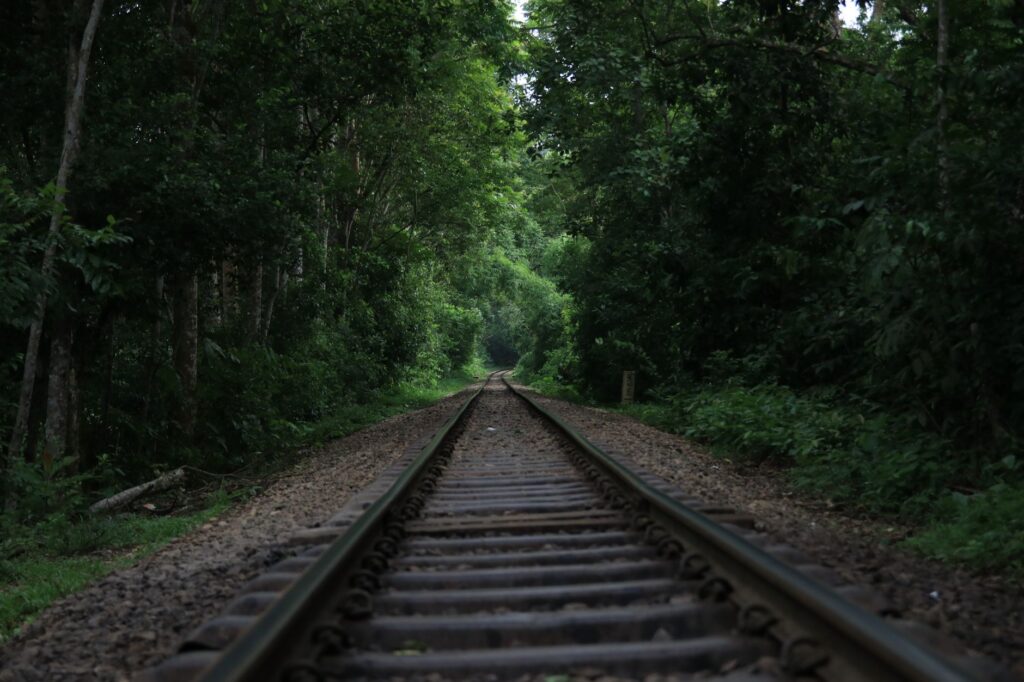
The result was a masterpiece of nineteenth-century engineering adapted to extreme conditions. Built with a meter-gauge track—popularly known as narrow gauge—the choice allowed for greater flexibility around the tight curves of mountain passes, though it drastically limited speed and load capacity compared to European standards. Along the route, tropical hardwood sleepers resistant to humidity and dozens of hand-carved tunnels in solid rock demonstrated remarkable technical capacity that still endures in the system’s foundations.
Monsoon Logistics and Coastal Engineering
Operating a railway line running parallel to the South China Sea entails living permanently with climatic instability. The monsoon regime, characterized by torrential precipitation between September and December, subjects the infrastructure to constant stress. Landslides, embankment erosion, and saline corrosion on metal bridges demand unremitting maintenance and precision-timed logistics by maintenance crews of Vietnam Railways.
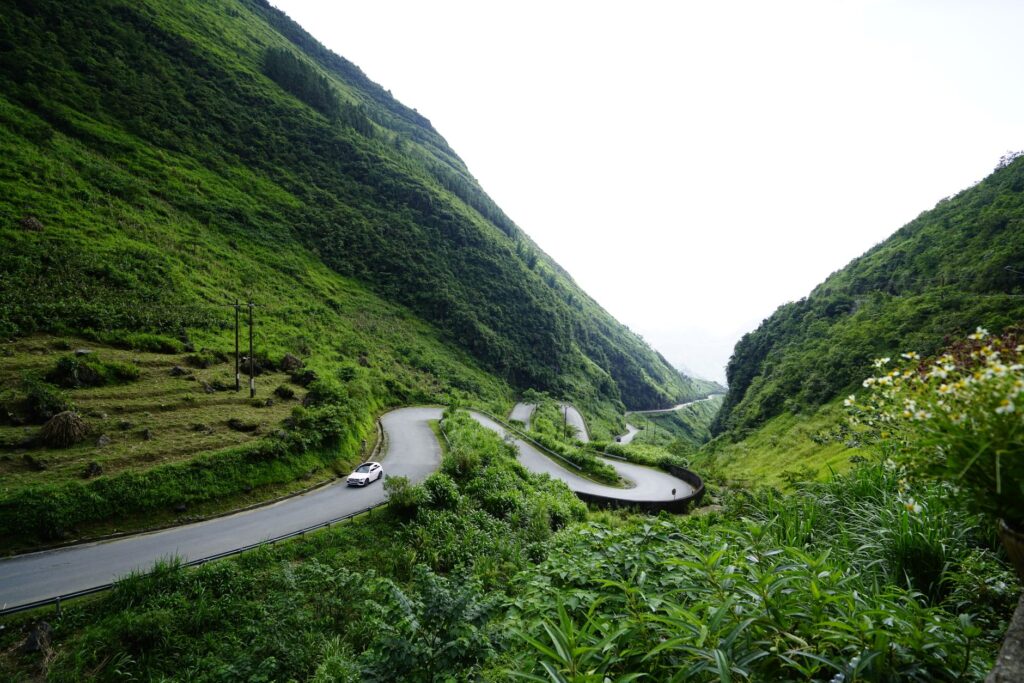
Modern engineers face challenges similar to those of their predecessors, but with contemporary tools. Early warning systems installed in the most vulnerable sections, such as the Hai Van Pass, detect ground shifts before they compromise train safety. This gorge, where the Truong Son cordillera plunges directly into the sea, marks the route’s zenith: a natural amphitheater of mist and vegetation where the train snakes through dark tunnels that suddenly emerge to offer vertiginous views over turquoise bays.
Railway Architecture of Historic Stations
The journey along the Trans-Indochinese line also serves as an architectural inventory reflecting the successive layers of Vietnamese history. Stations such as Hanoi, Hue, Da Nang, and Nha Trang retain structural elements from the French colonial era fused with subsequent local adaptations. These terminals are not mere transit points, but true nerve centers of urban life, converging street vendors, families bidding farewell to relatives, and international travelers drawn by the authenticity of the space.
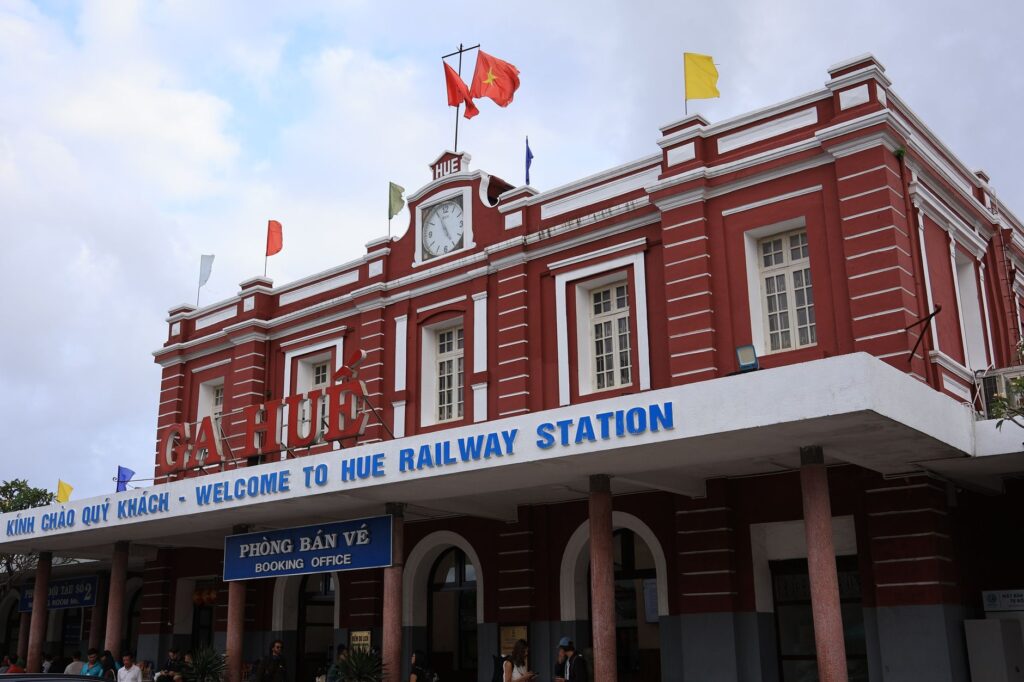
Hue station, for instance, stands out with its traditional tiled roofs and wide porches designed to mitigate the country’s central heat, while Hanoi maintains a austere exposed-brick facade that has weathered wartime conflicts and rapid urban gentrification. Inside these facilities, bilingual signage, analog information boards, and hardwood counters evoke an era when rail travel possessed a contemplative, solemn rhythm contrasting with the frantic activity of modern airports.
Life Onboard: Sociology of Slow Travel
Stepping into a sleeper car on the Trans-Indochinese line during a journey exceeding thirty hours reveals a fascinating micro-society. Unlike the hermetic nature of commercial flights, the train encourages spontaneous interaction among passengers. Farmers transporting agricultural goods in wicker baskets share space with university students returning to their provinces and international travelers equipped with detailed guidebooks. Conversations unfold to the rhythmic clatter over rail joints.
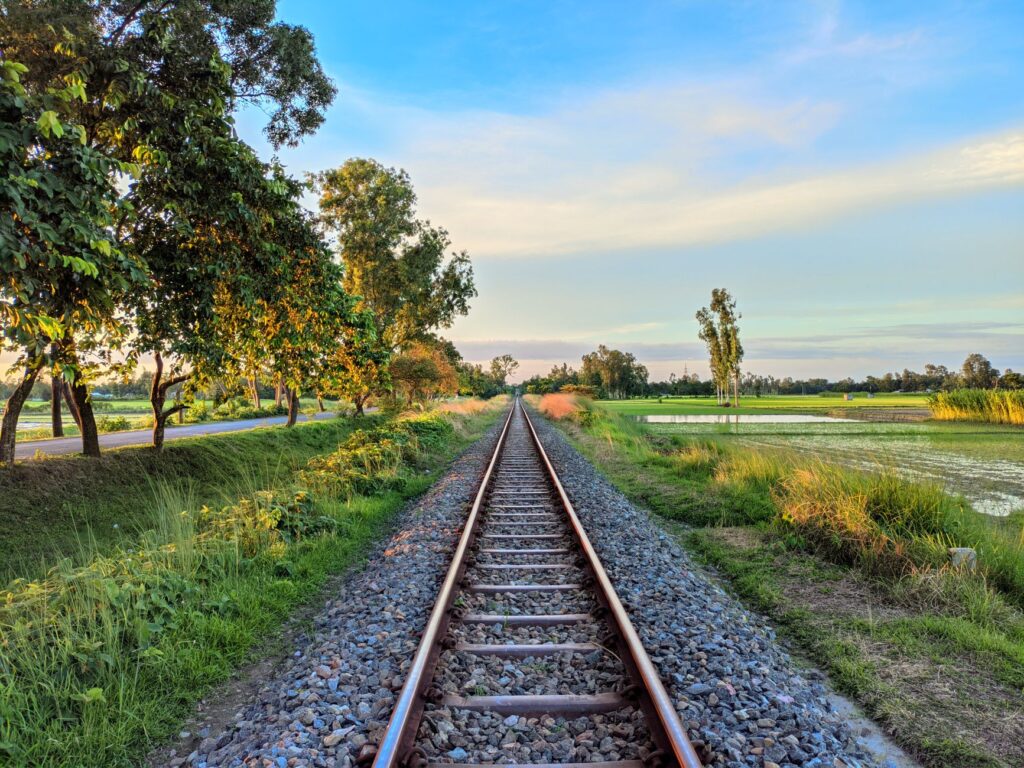
The onboard catering service, managed by staff pushing metal carts loaded with steaming pots of pho or trays of caramelized pork rice, forms an inescapable part of the ethnographic experience. This is not luxury service, but honest, direct popular cuisine that comforts passengers during long night hours. Windows, frequently fogged by tropical condensation, act dynamic screens projecting rice fields flooded by evening light, water buffalo silhouetted against the horizon, and urban suburbs where life unfolds inches from the tracks.
Rail travel in Vietnam has never been a simple means of transport; it is the invisible thread stitching together a nation’s fragmented memory through the constant effort of its people.
Socioeconomic Impact on Rural Communities
While major metropolises like Hanoi and Ho Chi Minh City compete to attract tech investments and mass tourism, intermediate stations along the Trans-Indochinese route act as economic lifelines for dozens of rural municipalities. In provinces like Quang Binh or Phu Yen, the daily arrival of the train represents the primary commercial connection for selling local produce, from fresh seafood to wooden handicrafts and traditional textiles.
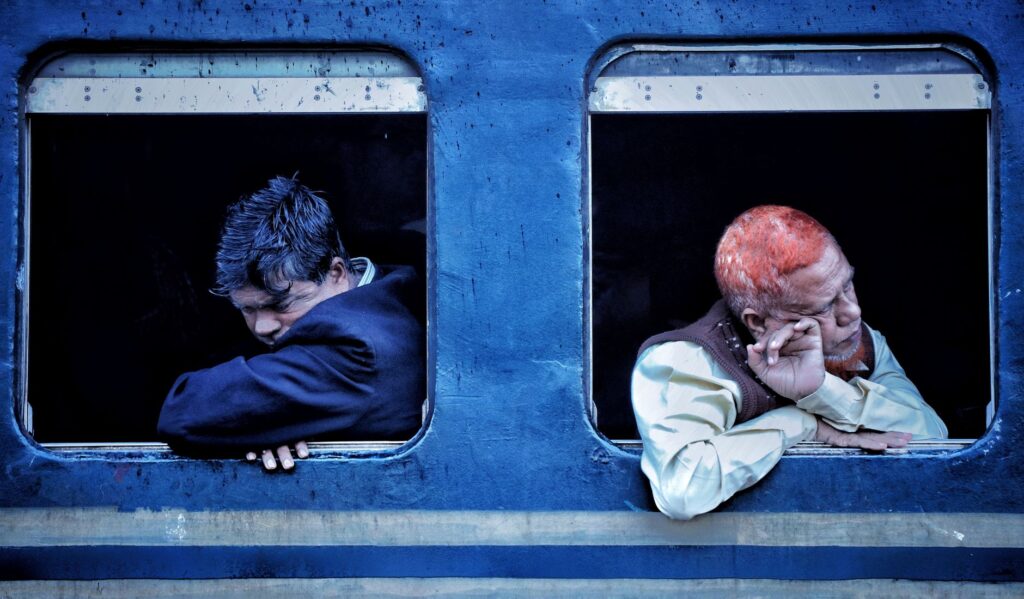
Regional development experts note that these communities’ reliance on the railway is absolute. Unlike secondary roads, frequently impassable during river floods, the train guarantees an uninterrupted flow of medical, educational, and commercial supplies. This stabilizing role makes the infrastructure a fundamental pillar of territorial cohesion, preventing massive rural exodus toward southern industrial centers and preserving traditional ways of life in interior valleys.
Contemporary Challenges and the Transition Toward the Future
The 21st century poses complex dilemmas for the survival and modernization of the Trans-Indochinese Railway. The demands of a rapidly growing economy require higher transport speeds and a drastic reduction in travel times between north and south. Successive governments have debated the feasibility of constructing a standard-gauge high-speed line that would reduce the thirty-hour journey to under six, a monumental project generating both expectations of progress and deep concerns regarding its environmental and financial impact.
However, railway heritage advocates argue that the traditional meter-gauge line holds irreplaceable value extending far beyond pure logistical efficiency. Preserving the historic route as a corridor for sustainable tourism and accessible regional transport ensures future generations can continue experiencing the Vietnamese landscape from a human perspective. Balancing technological modernization with the preservation of railway identity represents the major institutional challenge for coming decades.
Practical guide
Planning a journey along the Trans-Indochinese Railway requires a clear understanding of the operational specifics managed by Vietnam Railways. Below are the essential guidelines for organizing a rigorous and seamless expedition.
Ticket classes: Options range from hard wooden seats to soft berths in four-person air-conditioned compartments. For long-haul journeys, booking a soft sleeper on the lower bunk is strongly advised.
Booking in advance: During national holidays such as Tet (Lunar New Year), tickets sell out months ahead. In low season, purchasing passes at least a week prior through official channels or authorized agencies is recommended.
Luggage and safety: Compartments offer adequate storage space beneath the lower bunks for medium-sized luggage. It is wise to keep valuables close at hand and secure compartment sliding doors at night.
Onboard provisions: While trains feature trolley catering services offering hot meals and bottled water, bringing personal snacks, fresh fruit, and a reusable mug for morning tea or coffee is practical.
Connections and stopovers: Major stops such as Hue, Da Nang, or Nha Trang allow for multi-day stopovers without disrupting the travel itinerary. Planning local transport connections in advance at terminal stations ensures smooth transitions.
Epilogue: The last light over the delta
As the convoy finally approaches its terminus, whether amidst the industrial bustle of the south or the misty quietude of the north, the traveler realizes that the true essence of the Trans-Indochinese Railway lies in its silent endurance. The steel rails, polished by decades of continuous history, continue to unite seemingly disconnected worlds. In an era dominated by digital haste, this train persists as an eloquent reminder that the most transformative journeys are those that measure time not in saved minutes, but in contemplated landscapes, shared silences, and geographies understood step by step.