
Origins and Sedimentation of a Potter’s Legacy
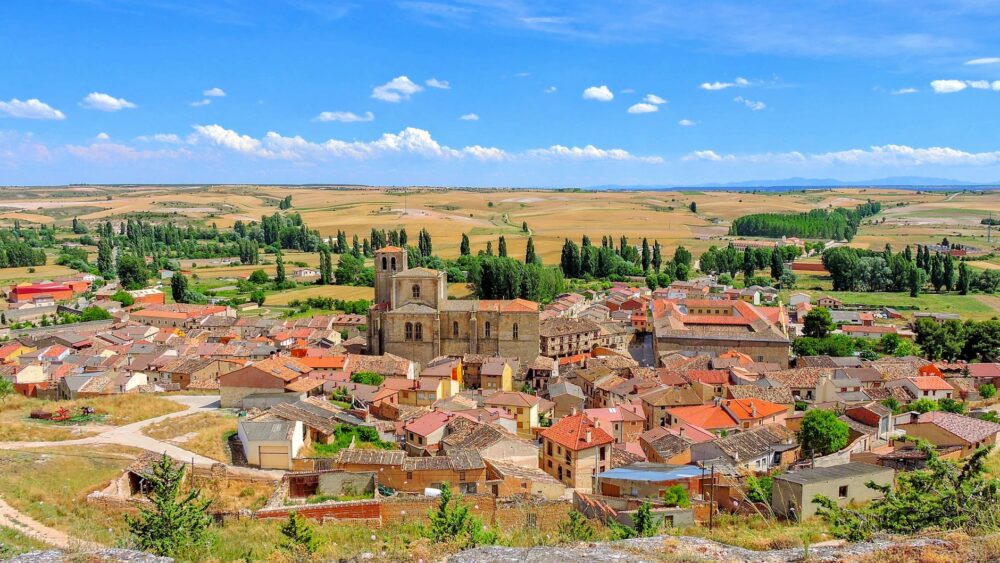
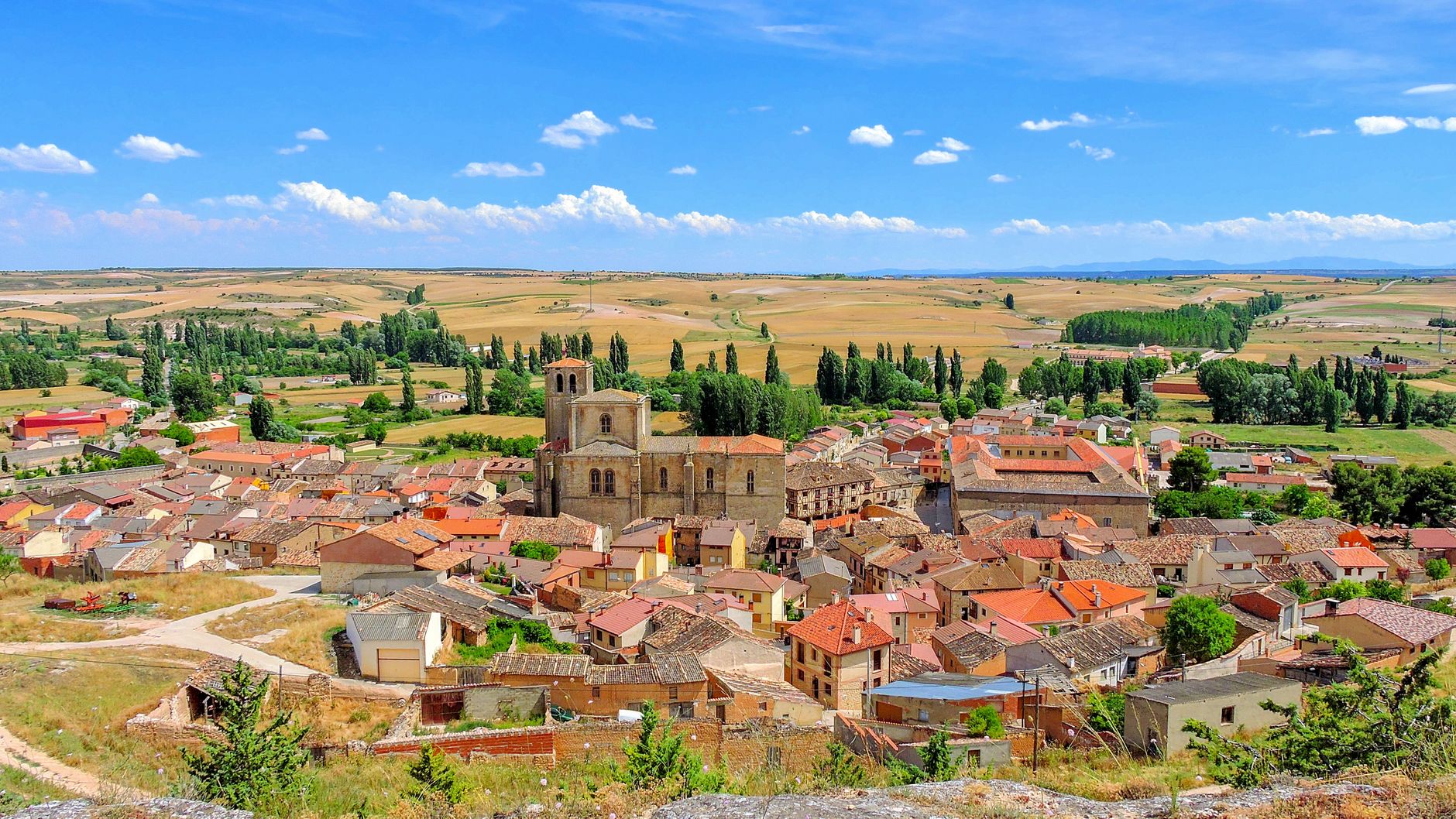
The ceramic tradition of Talavera de la Reina cannot be understood without the confluence of its geographical environment and the cultural syncretism that defined the Iberian Peninsula during the Middle Ages and the Renaissance. On the banks of the Tagus River, the abundance of plastic clays and siliceous sands fostered the establishment of workshops dedicated to utilitarian tableware since Roman times. However, it was the arrival of Hispano-Moresque influences and the subsequent assimilation of lustreware and stanniferous glazing techniques that elevated the artisan craft to the category of major art.
During the sixteenth century, the city experienced an unprecedented demographic and artistic boom. Local master potters successfully integrated aesthetic currents from Italy, especially from Renaissance workshops in Faenza and Urbino, reinterpreting them through their own lens. This intercultural dialogue gave rise to an iconography where fantastic fauna, Mannerist-inspired plant motifs, and mythological scenes were rendered with a chromatic palette dominated by characteristic cobalt blue, manganese yellow, and greenish tones over a white background.
The impact of this production extended far beyond the domestic peninsular sphere, becoming a key element of Atlantic trade. The fleets of the Indies transported thousands of ceramic pieces to the Americas, where they adorned viceregal cloisters, archbishopric palaces, and the domes of numerous Baroque churches. Today, exploring the vestiges of those ancient kilns reveals how an industry rooted in earth and fire managed to forge one of the most universal identity markers of Spanish decorative design.
The Alchemy of Clay and the Chemistry of Glaze
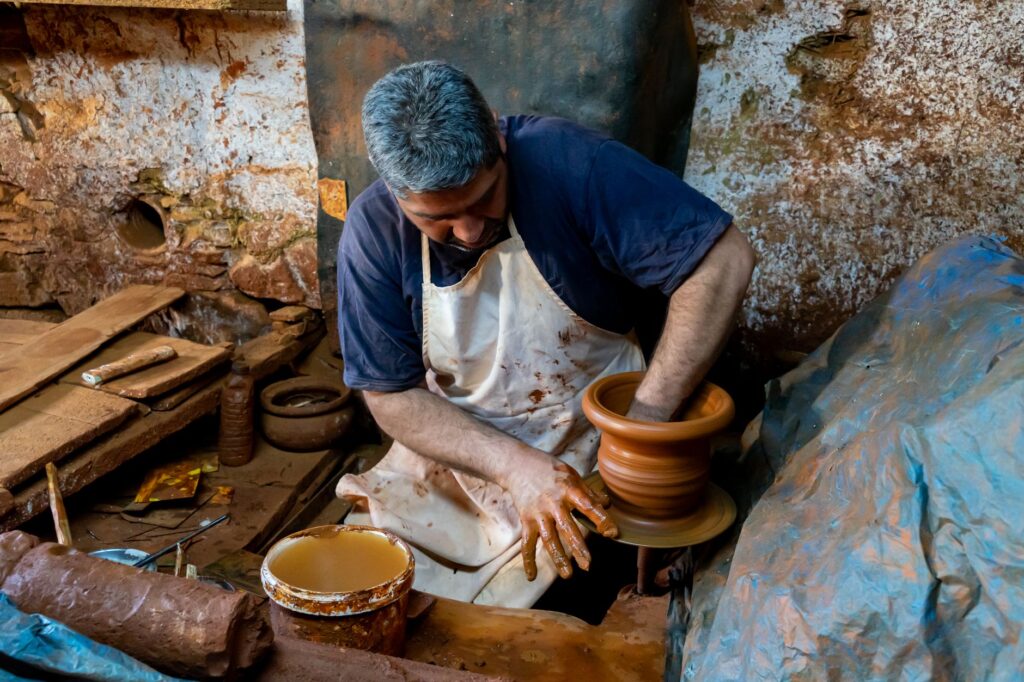
The creation process of authentic Talavera ceramics demands absolute mastery of materials physics and traditional chemistry. It all begins in local quarries with the selection of clay, a mineral that must weather outdoors for months to purge organic impurities and acquire optimal plasticity. Master throwers shape each piece on a manual or mechanical wheel with millimetric precision, seeking the perfect balance between lightness and structural strength before subjecting it to the first firing or bisquing.
The true secret of Talavera aesthetics lies in the formulation of stanniferous glaze, an opaque coating composed of a precise mixture of tin oxide, silica, lead, and potash. It is upon this raw, powdery, and absorbent surface that the ceramic painter must execute their work without margin for error. Painting is done freehand, using fine-hair brushes made of marten or ermine, and requires an exact calculation of pigment absorption, as any hesitation or excess pressure would ruin the piece irreversibly.
The pigments used correspond to secular formulas transmitted from generation to generation. Blue is obtained from cobalt oxide historically imported from Central Europe; yellow comes from combinations of antimony and lead; green arises from copper oxide; and black and purple are achieved through manganese and iron oxides. Subjected to a second firing at temperatures close to one thousand degrees Celsius, the pieces undergo a chemical metamorphosis where the oxides fuse with the glaze, vitrifying the surface and guaranteeing chromatic durability across the centuries.
Talavera ceramics are not a museum fossil, but a living language where fire and matter continue to write the history of a territory.
Geography of Historic Kilns and Contemporary Workshops
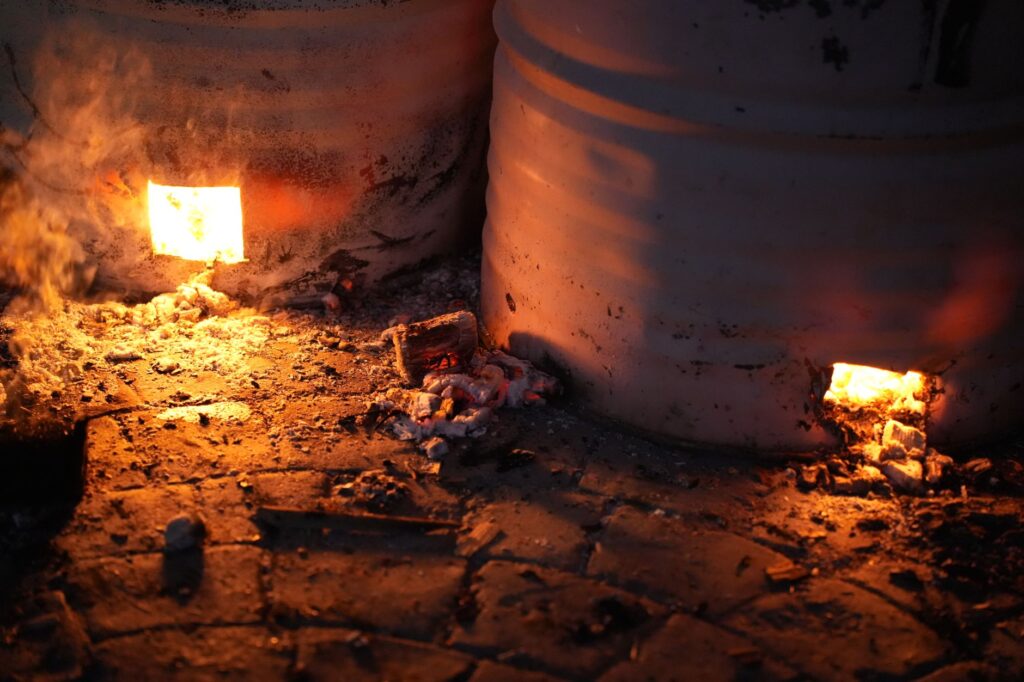
The urban fabric of Talavera de la Reina retains indelible traces of its guild past. Around the Puerta de Cuartos district and the banks of the Tagus River, traditional kilns were concentrated—monumental direct-draft structures fueled by holm oak and rockrose wood that required days of uninterrupted surveillance by potters. Although many of these historic kilns have disappeared or are integrated into the modern urban fabric as protected monuments, artisan activity continues to pulse in family workshops and specialized training centers.
Today, contemporary workshops holding authenticity declarations and recognition as UNESCO Intangible Cultural Heritage combine fidelity to manual methods with the demands of contemporary design. Creators and modern ceramists collaborate with architects and interior designers to apply hand-painted tiles and ceramic latticework to avant-garde projects, demonstrating that ornamental tradition possesses undeniable functional validity in modern architecture.
Visiting these active workshops offers firsthand witness to the synchronized work of throwers, decorators, and kiln operators. The transmission of knowledge continues through direct mentorship systems, where apprentices spend years perfecting brushstrokes before signing their own works. This resistance to industrial processing ensures that each piece retains a unique vibration—a deliberate minor imperfection that reveals the presence of the human hand in its genesis.
The Archive of Memory: Museums and Collections
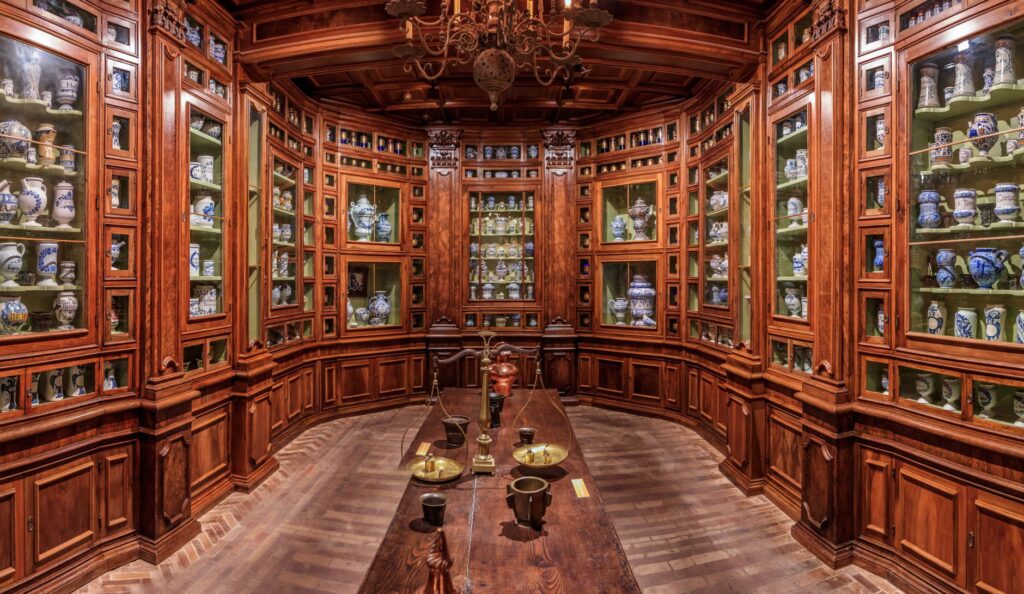
To grasp the aesthetic magnitude of this tradition, it is essential to explore the rooms of the Ruiz de Luna Ceramic Museum, located in the former convent of Saint Augustine. This space houses a monumental collection spanning from the sixteenth to the twentieth century, allowing visitors to trace the formal and stylistic evolution of Talavera kilns through serial plates, ewers, apothecary jars, and large devotional panels composed of polychrome tiles.
The ceramic art gallery also exhibits the work of Juan Ruiz de Luna, a ceramist and restorer who in the early twentieth century drove the revival of traditional techniques after decades of industrial decline. His pieces recreate Renaissance and Baroque motifs with scholarly fidelity while introducing Castilian costumbrist scenes endowed with great narrative force. Through sketchbooks, original molds, and working tools, the museum documents the titanic effort required to rescue ancient kilns and master formulas from oblivion.
Complementing the museum offerings, the Talavera Ceramic Center operates as a research and artistic production laboratory, experimenting with new textures, sculptural volumes, and architectural applications. This dual approach—museum as an archive of the past and center as an incubator for the future—consolidates the Toledan city as an undisputed benchmark for design applied to ceramics on an international scale.
Monumental Restoration and Architectural Heritage
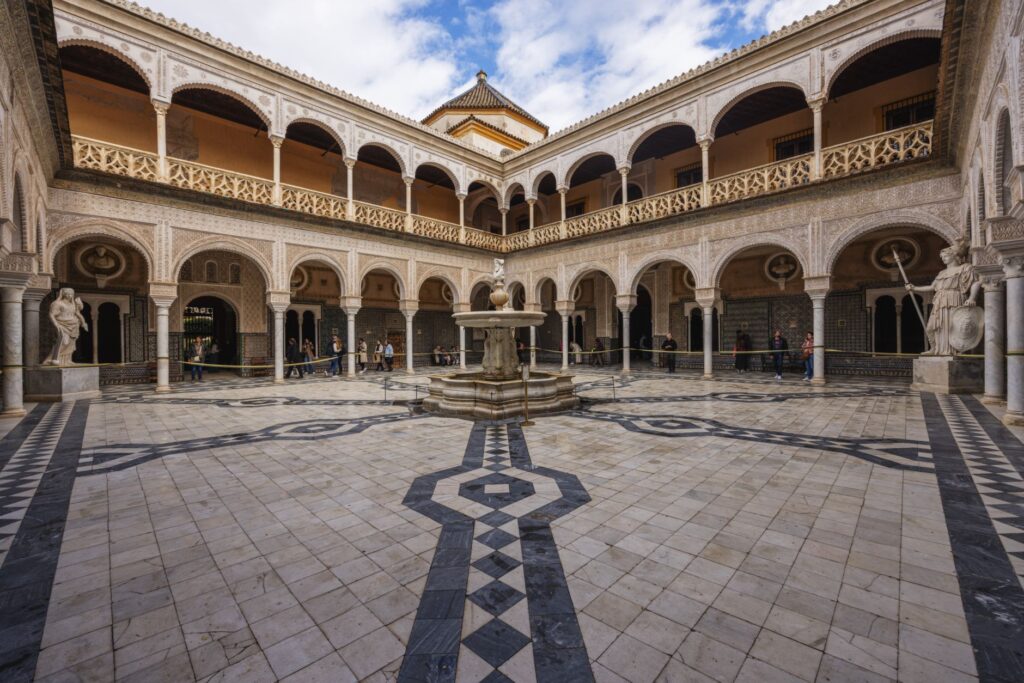
The presence of Talavera ceramics transcends the limits of museums and collectible objects to become the very skin of numerous historic buildings in both Spain and Latin America. Convent facades, noble palace wainscots, urban fountains, and exterior devotional altarpieces form a vast open-air architectural heritage that requires constant scientific conservation and restoration work.
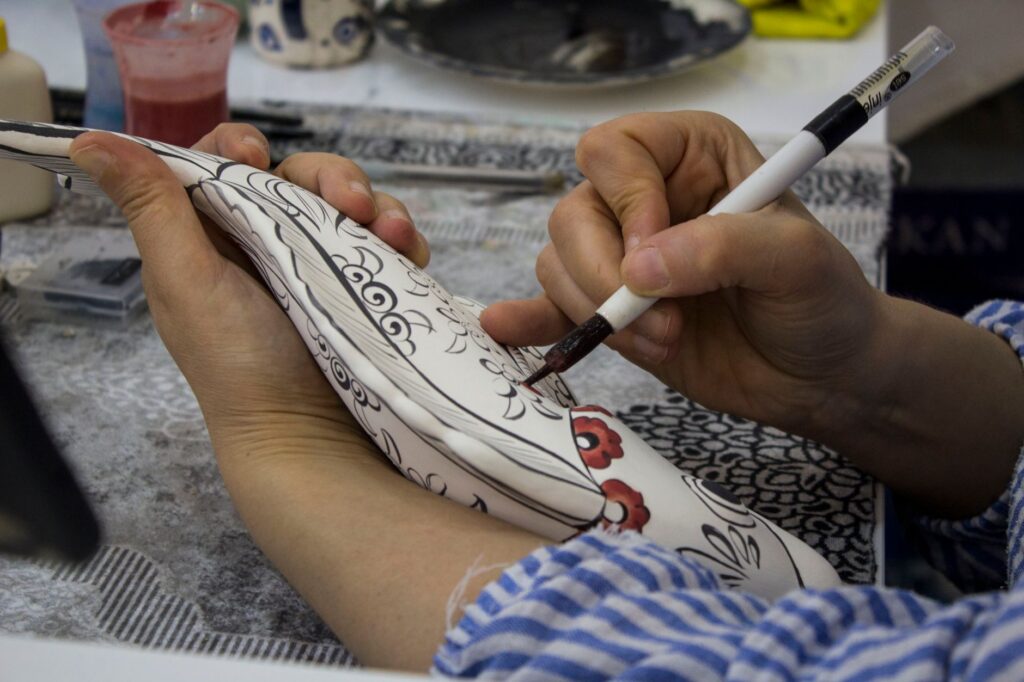
Specialized ceramic restoration workshops perform surgical work of incalculable value. When faced with a mural piece damaged by weathering or pollutants, restorers conduct exhaustive mapping, documenting each tile through overhead photography and physical-chemical analysis to determine the nature of accumulated salts and original glaze degradation. Pictorial reintegration is carried out using reversible pigments and pointillist or rigorous techniques, allowing contemporary intervention to be distinguished from the historic stratum without altering the aesthetic reading of the ensemble.
This commitment to architectural preservation has turned Talavera kilns into international consultants for the recovery of historic complexes in countries such as Mexico, Cuba, and Panama. The ability to reproduce exact molds, adjust cobalt tones, and apply mortars compatible with original structures demonstrates that knowledge accumulated over five hundred years constitutes a top-tier technical tool for safeguarding global heritage.
Contemporary Design and Dialogue with Global Art
Far from being trapped in historicist purism, Talavera ceramics today experience a fertile period of openness toward industrial design and contemporary visual arts. Internationally acclaimed designers and visual artists choose Castilian kilns to materialize projects where earth and glaze converse with abstract, minimalist, and conceptual languages.
This symbiosis translates into signature tableware collections, urban furniture pieces, and modular sculptures that reinterpret tradition without emptying it of content. Local ceramists contribute their technical mastery in controlling clay shrinkage during firing and applying precise glazes, while invited creators introduce new spatial and chromatic perspectives. The result is a hybrid product that challenges traditional boundaries between art, craftsmanship, and industrial design.
International design fairs and contemporary craft biennials have become the showcases where this new Talavera production shines brightly. Critics and collectors particularly value the sustainability of the process: local raw materials, proximity production, secular durability, and an absence of planned obsolescence. In a global market saturated with ephemeral objects, Talavera ceramics stand as a beacon of authenticity and material excellence.
Practical guide
How to get there: Talavera de la Reina is excellently connected to Madrid via the A-5 highway (approximately 120 kilometers southwest, with a driving time of 1 hour and 15 minutes). There are also daily train connections from Atocha station and regular intercity bus services.
When to go: Spring and autumn offer the most pleasant climatic conditions for walking through the city’s kilns and historic monuments. The month of May, coinciding with local festivities, typically hosts exhibitions and open-house days in artisan workshops.
Where to stay: The historic center features boutique hotels located in rehabilitated noble mansions, alongside rural tourism options in the surrounding Tagus Valley and La Jara region.
Must-see highlights: The Ruiz de Luna Ceramic Museum (Plaza de San Agustín), the Basilica of Our Lady of Prado—known as the «Sistine Chapel of ceramics» for its exceptional tile wainscots—, the medieval walls, and active artisan workshops located in the Puerta de Cuartos district.
Gastronomy and shopping: Tasting traditional Castilian dishes in local taverns, such as carcamusas or frito talaverano, is mandatory. To purchase authentic ceramic pieces, always look for the quality seal and artisan workshops certified by the Junta de Comunidades de Castilla-La Mancha.
Silences of Clay and Eternal Memory
As evening falls and the sun begins to set over the gentle waters of the Tagus River, the kilns of Talavera de la Reina seem to observe a respectful silence after hours of intense labor. Inside the workshops, the fine dust of kaolin and white clay rests on wooden benches, covering the throwers’ tools like a fine patina of halted time.
It is in this moment of stillness that the human and emotional dimension of this millenary craft is most clearly perceived. Every piece leaving these workshops carries the infinite patience of the one who kneads the earth, the skill of the painter who slides the brush with bated breath, and the collective memory of a city that has entrusted its destiny to the implacable judgment of fire. Walking through its streets and contemplating the ceramic wainscots decorating plazas and facades is understanding that true beauty lies not in the transience of fashion, but in the capacity of transformed matter to defy oblivion and endure across generations.