
In the labyrinth of glacial channels, narrow fjords, and forested islands that define British Columbia’s central coast, fog does more than conceal the tide: it guards one of the most complex and productive marine ecosystems on earth. Known as the Great Bear Sea, this transition zone where temperate coniferous rainforests plunge into the North Pacific hosts a mesmerizing biological web where humpback whales, coastal resident orcas, sea otters, and the elusive spirit bear coexist under the protective stewardship of the Heiltsuk, Kitasoo/Xai’xais, Nuxalk, and Gitga’at First Nations.
For decades, commercial fishing pressures, industrial freighter traffic, and clear-cut logging threatened to shatter the delicate food web of these fjords. Today, the region is undergoing a historic metamorphosis driven by an innovative marine governance model led entirely by Indigenous communities in partnership with marine biologists and naval engineers. The strategy combines seabed bioacoustic mapping, the progressive phase-out of thermal engines in favor of electric and hybrid marine propulsion, and strict legal protection for giant kelp forests—underwater jungles that sequester massive amounts of carbon while serving as nurseries for hundreds of pelagic fish species.
The Archipelago of Mist and the North Pacific Refuge
The landscape of the Great Bear Sea stuns with its sheer vertical scale. Granite walls carved by ancient glaciers rise hundreds of meters above fjords whose depths often exceed four hundred meters. In these shadowy basins, freshwater runoff from mountain snowpacks mixes with cold, nutrient-dense Pacific upwellings. This chemical confluence sparks massive phytoplankton blooms each spring, triggering an explosion of life that draws marine predators from thousands of miles away.
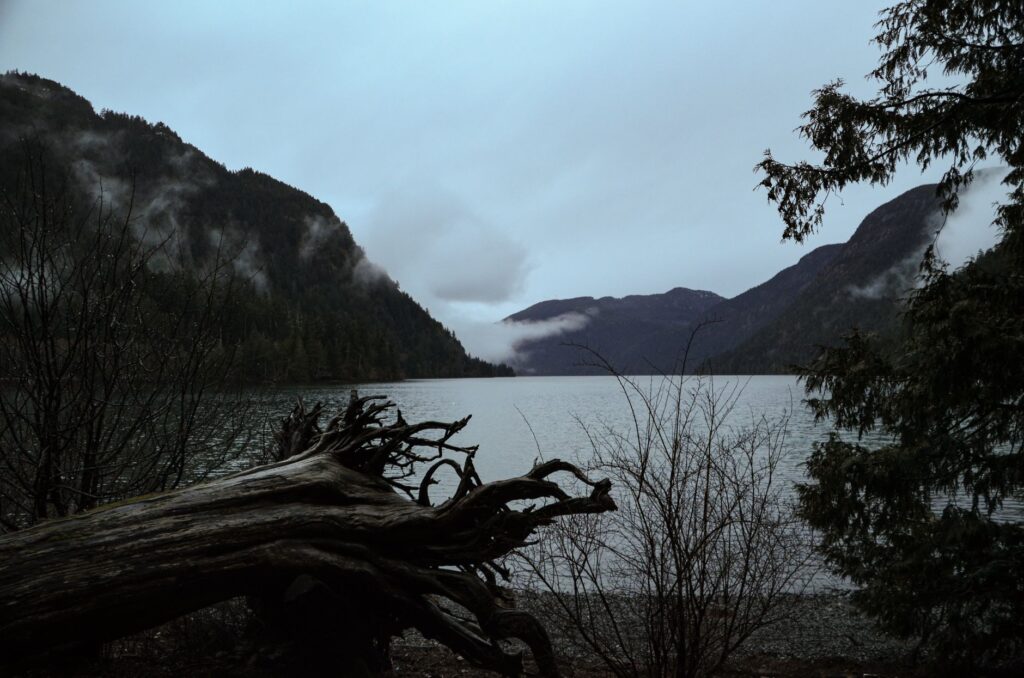
Yet the true backbone of this biodiversity lies not in plain sight, but submerged along the shallow coastal rock benches. Giant kelp forests of Macrocystis pyrifera form intricate three-dimensional structures reaching over thirty meters in height. Growing at an astonishing rate of up to fifty centimeters per day, these brown algae absorb vast quantities of dissolved carbon dioxide and buffer the coast from pounding Pacific swells. Preserving this underwater canopy has become the central focus of regional ecological restoration.
Ancestral Sovereignty: The First Nations Marine Protected Area Network
Unlike traditional national parks built on human exclusion, the marine spatial plan for British Columbia’s North and Central Coast rests on the principle of responsible stewardship and active presence. Local First Nations have enacted Indigenous laws derived from customary governance to establish spatial protection networks where industrial extraction is strictly prohibited. This zoned network protects critical migratory corridors and spawning grounds without displacing coastal communities from their ancestral marine territories.
Day-to-day management falls to the Coastal Guardian Watchmen—local crews trained in hydrology, genetic sampling, and environmental enforcement. Operating specialized patrol vessels fitted with high-precision scientific gear, these guardians navigate the fjords year-round, recording salinity, water temperature, and key species distribution. This continuous field monitoring has proven far more agile and responsive than centralized federal inspections, dramatically curbing illegal fishing and unreported vessel discharges.
blockquote>Protecting the sea is not an external environmental project for us; it is the continuation of our cultural identity and the guarantee of survival for generations yet to come.
The Kelp Paradox: Sea Otters, Urchins, and Seabed Regeneration
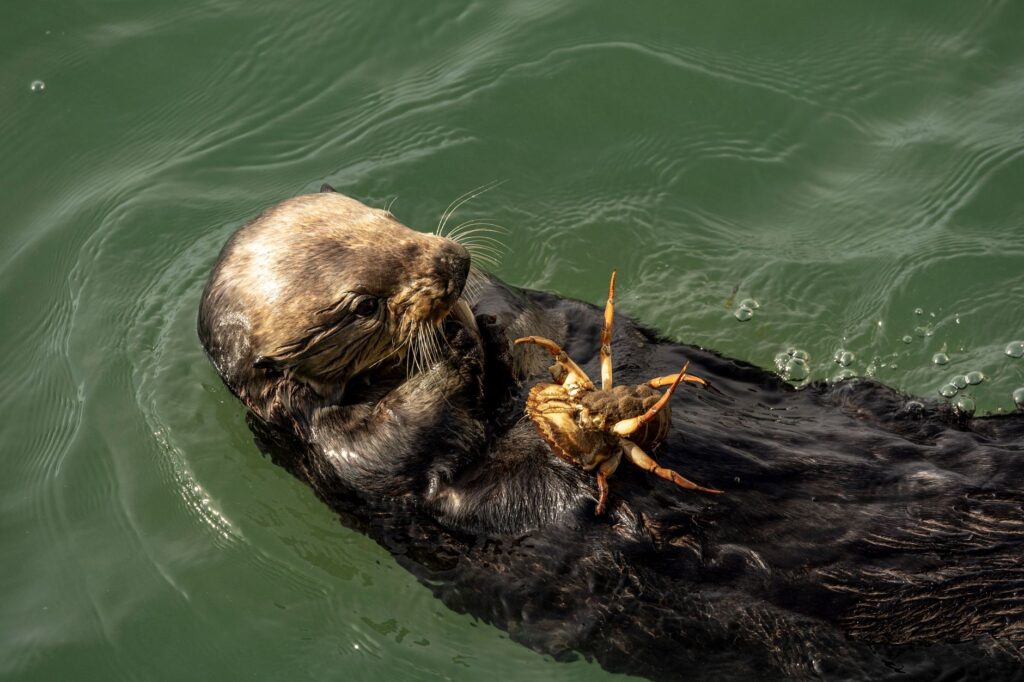
The recovery of underwater kelp forests across the Great Bear Sea illustrates the profound interconnections within marine food webs. During the nineteenth century, the maritime fur trade drove the sea otter Enhydra lutris to near extinction along the Pacific Northwest coast. Bereft of their primary natural predator, red sea urchin populations exploded exponentially, devouring kelp holdfasts and transforming vibrant marine habitats into barren underwater deserts known as urchin barrens.
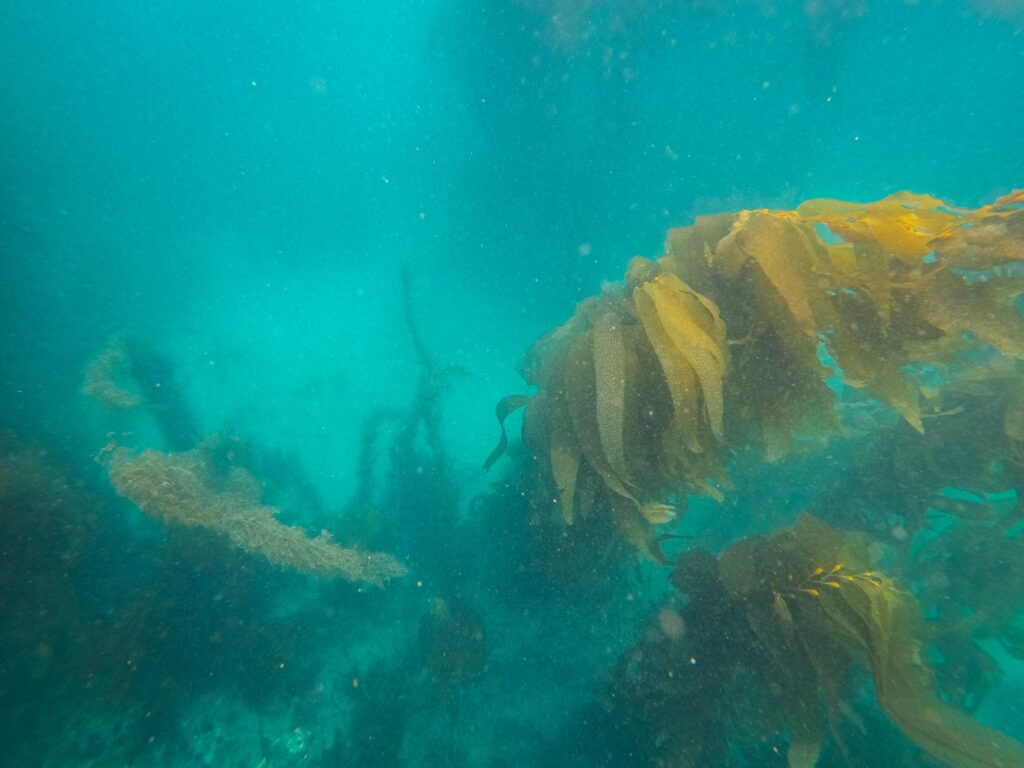
The deliberate reintroduction and natural recolonization of sea otters over the past three decades have dramatically reversed this ecological collapse. By consuming sea urchins in vast quantities, otters allow kelp spores to reattach to the rocky seabed and flourish. Marine biologists monitoring the recovery report that areas with established otter rafts exhibit up to four times the density of marine vegetation, triggering a resurgence in Pacific cod, wild salmon, and coastal herring stocks.
Listening to the Ocean: Hydrophones and Coastal Transport Decarbonization
Anthropogenic underwater noise generated by commercial shipping is one of the most severe stressors facing marine mammals, disrupting echolocation channels and interfering with foraging behavior. To mitigate this acoustic impact, the Great Bear Sea conservation alliance deployed an extensive hydrophone array that monitors the underwater soundscape in real time. This bioacoustic monitoring system detects humpback whales and orcas miles away, relaying automated slow-down advisories to nearby vessels.
Simultaneously, the region’s community transport and research fleets are undergoing a radical shift toward clean propulsion. Deploying electric-hybrid catamarans powered by local run-of-river hydro power and ultra-efficient hull designs allows researchers and residents to travel between remote settlements like Hartley Bay and Klemtu with minimal acoustic and carbon footprints. This quieted marine environment has enticed cetacean pods back into inner fjords they had avoided for over four decades.
The Logistics of Regenerative Ecotourism in Fragile Channels
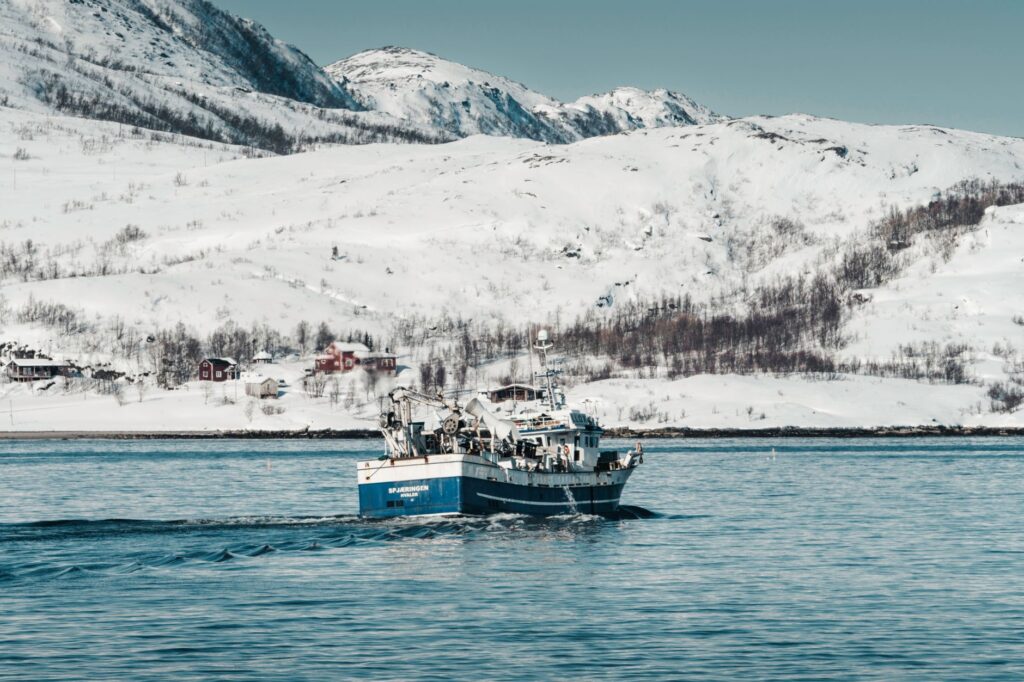
Travel within the Great Bear Sea operates under a uncompromising framework: ultra-low visitor volume paired with maximum educational depth. There are no large cruise ships or sprawling coastal resorts; access is restricted to small-capacity wooden expedition vessels and hybrid catamarans operated by certified Indigenous cultural guides. Visitors adhere to strict biosecurity protocols before stepping onshore to prevent introducing invasive species or pathogens to fragile island ecosystems.
All conservation fees and tourism levies flow directly into community stewardship funds and independent scientific research projects. Every small group of travelers is accompanied by an Indigenous guardian who interprets the landscape through both ecological science and ancestral oral histories, place-name cartography, and ethnobotanical traditions. This approach elevates travel into a rigorous educational immersion stripped of commercial artifice.
Coastal Guardians: Community Governance and Scientific Monitoring
The model’s success hinges on the seamless integration of traditional ecological knowledge with modern molecular analysis. Community-run biological stations scattered across the archipelago process environmental DNA (eDNA) samples collected directly from the water column. This cutting-edge method allows researchers to detect which fish, marine mammal, and invertebrate species passed through a channel within the previous forty-eight hours without disturbing or capturing wildlife.
Furthermore, remote camera traps stationed along salmon spawning rivers utilize custom computer vision algorithms to conduct non-invasive population censuses of grizzly and spirit bears. Data gathered by community guardians feeds into an open-access scientific repository managed jointly with Canadian universities, ensuring complete transparency and peer-reviewed validation for all conservation policies implemented across the territory.
blockquote>When we restore the ocean’s innate capacity for self-regulation and listen to the science of the fjords, we realize nature doesn’t require our control—it requires our geometric respect and an end to our excess.
A Global Paradigm Against Marine Biodiversity Collapse
The Great Bear Sea initiative is increasingly studied in international policy forums as living proof that marine biodiversity conservation can harmonize with the economic self-determination of coastal communities. In contrast to historical preservation models that created social friction by excluding indigenous populations, this collaborative framework demonstrates that local sovereignty is the most resilient shield for ecosystem integrity.
Lessons harvested from British Columbia’s fjords are now being adapted across other cool-water archipelagos worldwide, from Patagonian fjords to the Aleutian Islands. The core philosophy remains constant: decentralizing decision-making, securing long-term funding through independent conservation trusts, and maintaining quiet waters wherever marine life depends on silence to survive.
Practical guide
Planning your arrival
Access to the Great Bear Sea is tightly regulated to safeguard environmental integrity. Primary gateways to the central coast include the coastal port of Prince Rupert or the small community of Bella Coola, reached via regional flights from Vancouver or through long-haul passenger ferries operated by BC Ferries. From these regional hubs, connections to remote communities such as Klemtu or Hartley Bay occur exclusively via authorized marine charters or scheduled floatplanes with limited passenger capacity. Booking permits and expedition berths at least eight months in advance is essential.
Optimal season and weather conditions
The operational season runs from late May through October. June and July offer long daylight hours and high marine mammal activity in outer channels. August and September coincide with the massive wild salmon runs up coastal rivers, marking the peak period for terrestrial wildlife viewing in riparian forests. The climate is maritime temperate, extremely humid, and prone to rapid weather shifts; high-grade waterproof gear, non-slip footwear, and synthetic thermal layering are mandatory year-round.
Conduct and sustainability guidelines
- Maintain wildlife viewing distances: Stay at least two hundred meters away from whales and never navigate directly into the travel path of a cetacean pod.
- Zero single-use plastics: All expedition gear and personal items must be zero-waste compliant; island settlements lack industrial plastic recycling facilities.
- Cultural photographic respect: Always request explicit permission before photographing community structures, totem poles, or residents in Indigenous settlements.
- Decontaminate gear: Thoroughly scrub hiking boot treads before landing on protected islands to prevent spreading invasive fungal spores into the forest understory.
The Whisper of the Fjord at the Blue Hour
As the sun sinks behind the dark granite ridges of Princess Royal Island and evening fog settles over the motionless sea, the fjord takes on a stillness that feels almost prehistoric. The vessel cuts its electric propulsion system entirely, drifting quietly over water two hundred meters deep. In the total silence of the coastal dusk, the only sound breaking the cold air is the rhythmic, booming exhale of a humpback whale surfacing near the shoreline, throwing a plume of mist into the fading light.
Beneath the hull, down in the shadowy depths, the golden fronds of giant kelp sway gently with the incoming tide, sheltering uncountable unseen lives. In this preserved corner of the planet, conservation has ceased to be an abstract policy paper—it has become a way of dwelling on Earth: a quiet pact of coexistence where every breath on the surface finds its exact match in the deep sea below.