
The Silent Rebirth of the Almería Coastline
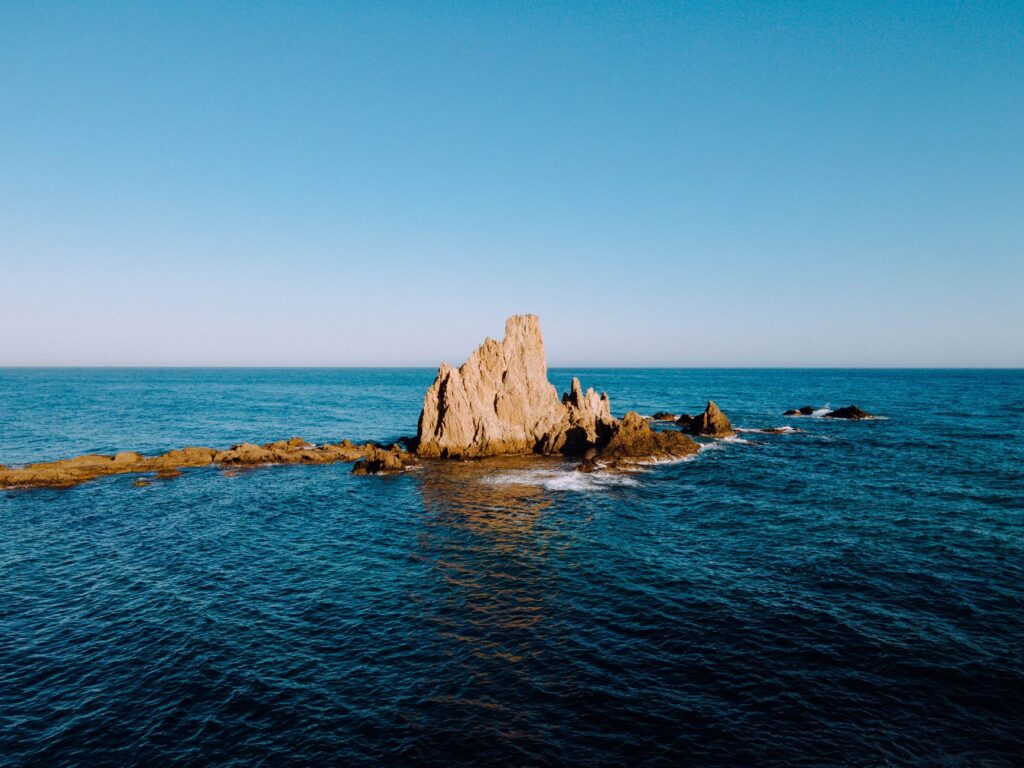
At the southeastern tip of the Iberian Peninsula, where the Almería desert merges its arid expanses with the Alboran Sea, lies one of the most unique coastal enclaves in the Western Mediterranean: the Cabo de Gata-Níjar Natural Park. This volcanic territory, characterized by dark cliffs and crystal-clear coves, hides its true treasure beneath the surface. For decades, the pressure of summer tourism, uncontrolled anchoring by recreational vessels, and poor fishing practices threatened to fracture the ecological balance of its marine seabeds. Today, however, scientists, artisanal fishers, and local administrations are driving a radical transformation based on the active recovery of submerged habitats.
The backbone of this ecological rebirth is Posidonia oceanica, an endemic Mediterranean plant that forms vast underwater meadows. Far from being mere algae, these plant structures act as the green lungs of the sea, sequestering carbon at a rate far exceeding that of tropical forests and protecting the coastline from severe erosion. The current conservation model in Cabo de Gata is guided by the thesis that the economic survival of local seafaring communities depends on the integral health of these submerged ecosystems, directly linking fisheries management to the scientific restoration of the seabed.
The Fragility of Submerged Forests and Anthropogenic Pressure
Understanding the urgency of current protection measures requires looking back and analyzing the cumulative impact of human activity on the coastline. Posidonia meadows grow extremely slowly, mere centimeters per year, meaning a mantle damaged by a luxury yacht anchor can take decades to recover, if it ever does. During the peak years of mass tourism, the lack of fixed ecological buoys led to the systematic destruction of thousands of square meters of rhizomes in iconic coves such as Mónsul and Genoveses.
Added to this nautical pressure was the historical decline of coastal fish populations due to the illegal use of trawling gear in prohibited areas and professional poaching. Marine biologists at the park’s affiliated research center repeatedly warned that the loss of vegetation cover not only impoverished biodiversity but also muddied the waters and drastically reduced the regeneration capacity of commercial species such as wreckfish, grouper, and white seabream. Coastal erosion began to become visible on beaches where fine sand receded in the absence of natural deposits of dead leaves that cushion winter waves.
Participatory Surveillance and Citizen Science at Sea
Faced with the inadequacy of traditional inspection resources, the community response has marked a turning point. The participatory surveillance program launched in collaboration with the fishermen’s guilds of San José and Carboneras integrates the men and women of the sea directly into environmental monitoring and control tasks. Equipped with geolocation technology and standardized scientific protocols, retired and active fishers act as guardians of the reserve, reporting illegal anchorages and collaborating in mapping damaged meadows.
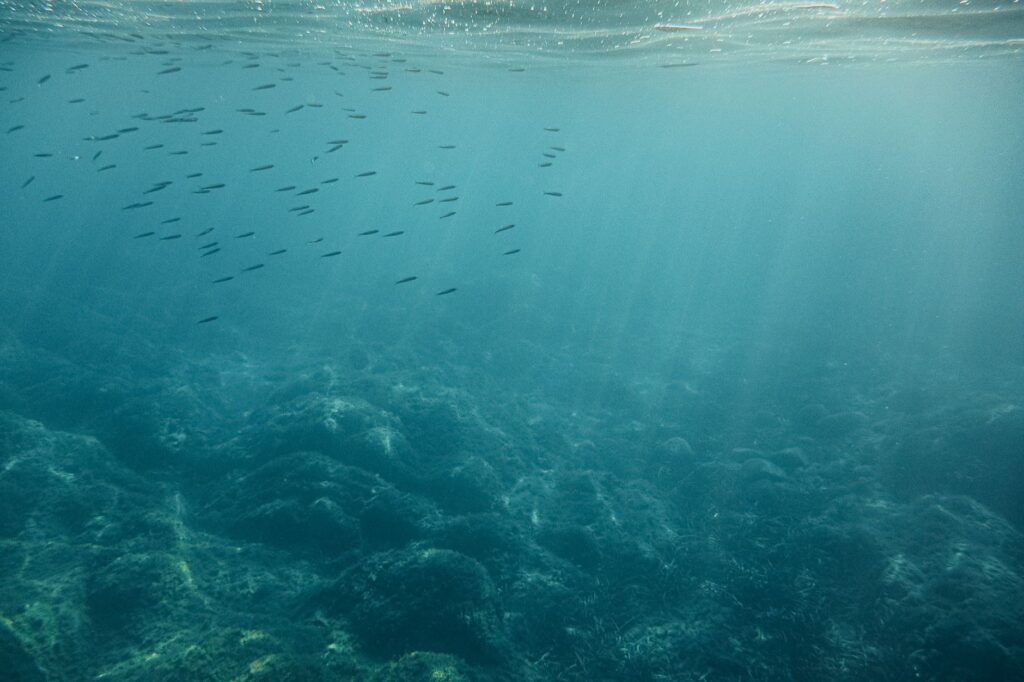
This citizen science network is not limited to mere reporting; it actively participates in ghost net removal campaigns and the reintroduction of Posidonia fragments using underwater bioengineering techniques. Local divers, organized in centers adhering to codes of good practice, monitor water transparency and the density of benthic macroinvertebrates. This constant flow of data allows park managers to make evidence-based decisions in real-time, adapting navigation restrictions according to the flowering and breeding season of protected species.
True marine conservation is not imposed from office desks; it is born when the fisherman who once depleted the seabed becomes the primary defender of its biodiversity.
Innovation in Nautical Mobility and Low-Impact Buoys
One of the greatest operational achievements in park management has been the progressive replacement of free anchoring with low-impact ecological buoy fields. Managed via a digital platform for prior booking, these installations prevent the chains and thick ropes of boats from dragging and decapitating seagrass meadows. The anchoring system uses helical anchor screws inserted into bedrock or sandy areas devoid of vegetation, guaranteeing zero emissions and no physical impact on the substrate.
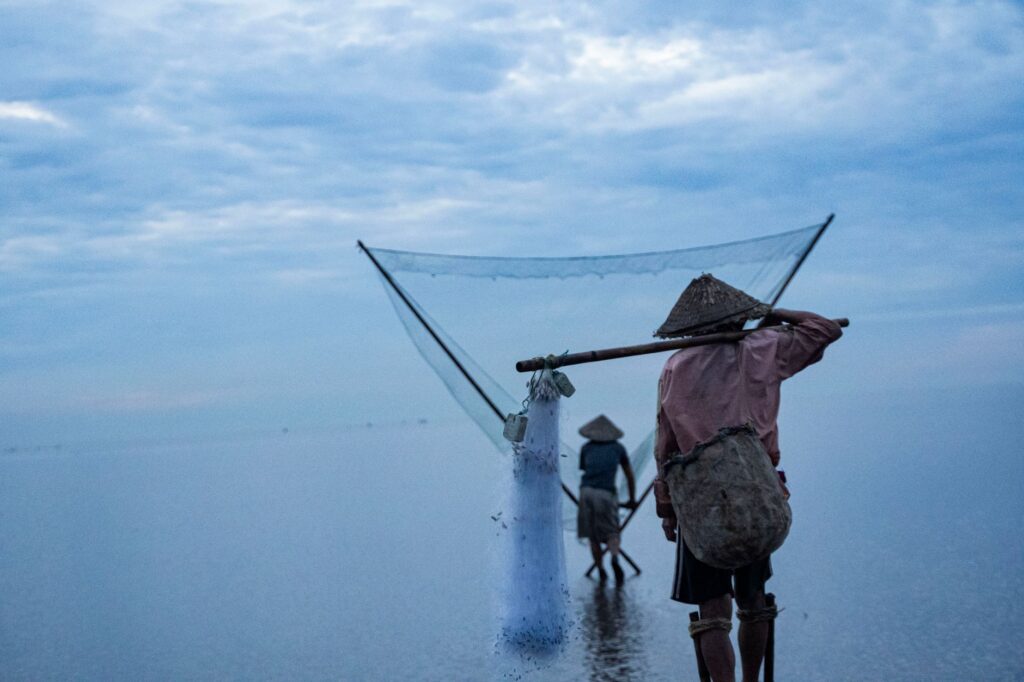
Likewise, passenger maritime transport companies operating coastal routes between Las Negras and San José have renewed their fleets by incorporating rigid-hull inflatable boats equipped with electric and low-consumption engines during coastal approach phases. These measures drastically reduce underwater noise pollution, a decisive factor that alters the behavior of cetaceans and rockfish. The transition toward respectful recreational boating demonstrates that it is compatible to enjoy the volcanic landscape from the sea without compromising the integrity of submerged habitats.
The Role of Artisanal Fishing in the Coastal Circular Economy
The preservation of the marine environment in Cabo de Gata is inseparable from the future of its artisanal fishing sector. Far from competing with conservation, traditional inshore practices—such as selective trammel nets and hook-and-line fishing—act as guardians of trophic equilibrium. Local guilds have promoted a territorial quality label certifying fish caught through low-impact methods, guaranteeing a fair price in local markets and reducing the carbon footprint associated with seafood transport.
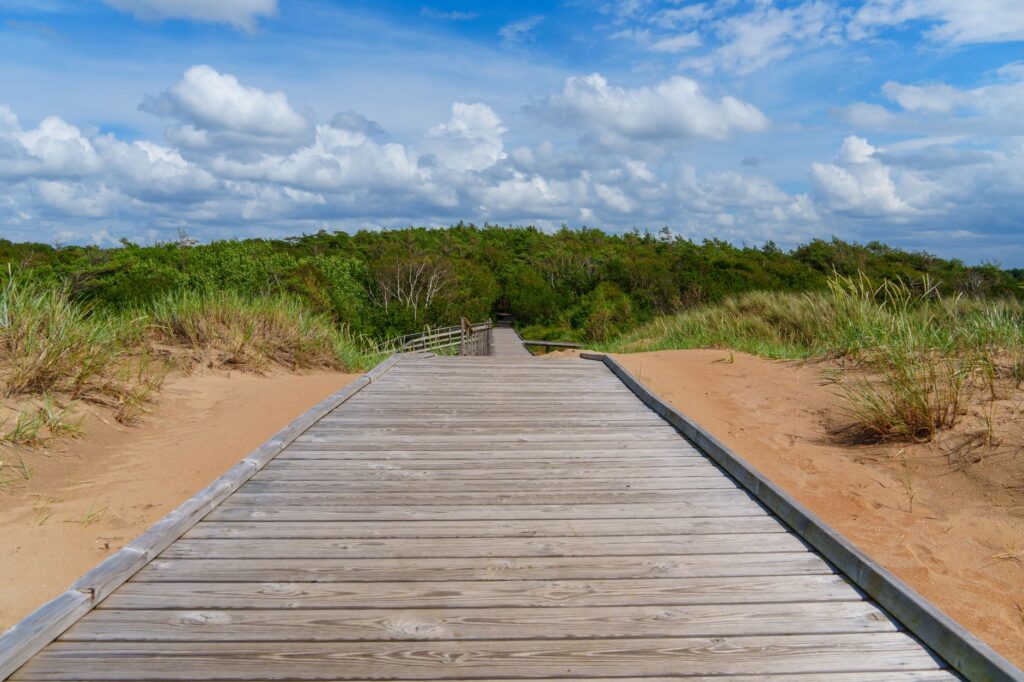
This synergy between fishing and sustainable tourism fuels a highly valued circular economy appreciated by conscious visitors. Restaurants adhering to the park’s sustainable gastronomy network offer zero-kilometer products accompanied by guaranteed traceability, explaining the exact origin of the catch to the diner. In this way, the consumer becomes an active conservation agent: every plate of local fish consumed indirectly finances the maintenance of traditional gear and respect for the biological cycles of marine species.
Environmental Education and the Value of the Submerged Volcanic Landscape
The conservation strategy of the Cabo de Gata Natural Park does not end with restrictive regulations; it firmly commits to transformative environmental education. The interpretation centers of Las Amoladeras and Rodalquilar have reoriented their contents to highlight the submerged heritage, traditionally ignored by visitors focused exclusively on terrestrial beaches. Through virtual immersion workshops, educational lectures, and guided responsible snorkeling routes, thousands of students and tourists discover the ecological complexity of the Posidonia seabeds.
This territorial pedagogy seeks to banish the idea that the natural environment is a mere aesthetic backdrop for summer leisure. Educational programs emphasize that human wellbeing and global climate stability directly depend on the health of these coastal ecosystems. By connecting the aesthetic experience of the volcanic landscape with the scientific rigor of marine biology, the park fosters critical awareness that transcends seasonal visits, turning tourists into ambassadors for Mediterranean coastal conservation.
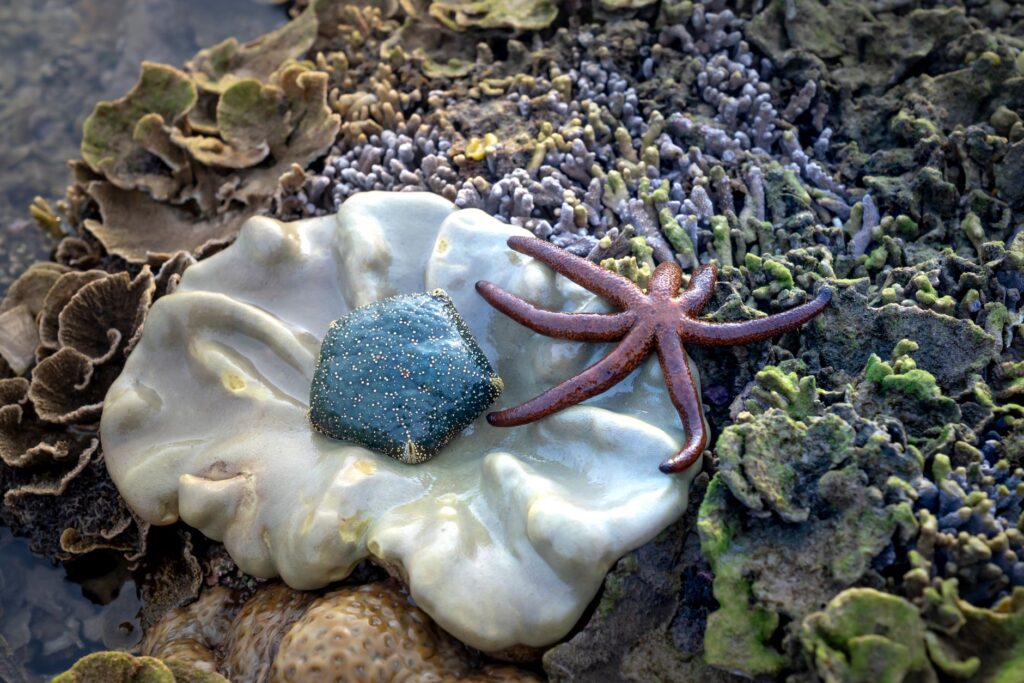
Protecting the Alboran Sea is not a brake on regional development, but the only life insurance guaranteeing a prosperous future for generations to come.
Practical guide
Planning a responsible visit to the Cabo de Gata-Níjar Natural Park requires understanding specific environmental protection and sustainable mobility regulations established by the Andalusian regional government.
- How to get there: The main access is by private vehicle or bus from Almería via the A-7 highway and local roads AL-3115 and A-332. The use of efficient vehicles or regional public transport during high season is strongly recommended.
- Anchoring regulations: Free anchoring is strictly prohibited over Posidonia oceanica meadows. Using ecological buoy fields managed in major bays through prior digital booking is mandatory.
- Water activities: Scuba diving and snorkeling must be practiced respecting the park’s zoning. Collecting shells, minerals, and marine organisms is prohibited. Authorized dive centers offer guided immersions adhering to environmental codes of conduct.
- Gastronomy and consumption: Support local markets and restaurants displaying the artisanal fishing product badge from the San José and Carboneras guilds, guaranteeing freshness and sustainability.
- Recommended season: Spring months (April to June) and autumn (September to November) offer optimal weather conditions, lower tourist crowding, and greater peace for observing marine fauna.
The Horizon of a Living Sea
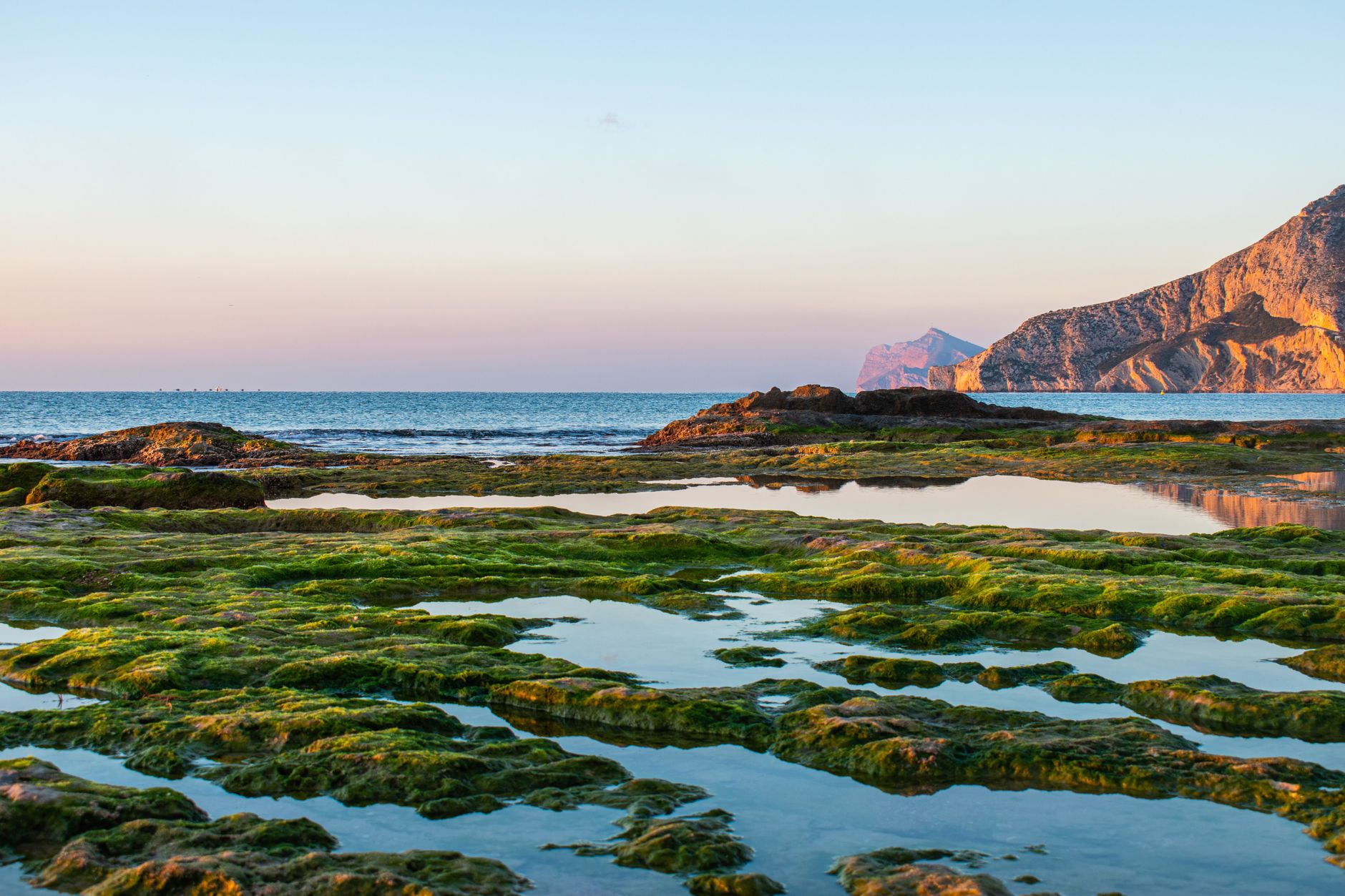
Sunset over the salt flats of Cabo de Gata dyes the horizon in ochre and violet tones, reflecting off waters that now display recovered vitality after years of ecological uncertainty. This fragile balance between human activity and strict nature protection demonstrates that reversing environmental degradation is possible when political will, scientific rigor, and, above all, strong community commitment exist. Almería’s seabeds are no longer just a postcard destination, but a living laboratory of climate resilience projecting hope toward the future of the entire Mediterranean Sea.